
Article
Dr. Jack Cush reviews the news and journal articles from the past week on RheumNow.com

Search for Terms or Answers
Dr. Jack Cush reviews the news and journal articles from the past week on RheumNow.com

A study from UT Southwestern and the Baylor Research Institute examined the preceptions and practices of women with autoimmune or inflammatory rheumatic diseases (AIRD) noting that an AIRD diagnosis changed most womens future hopes and plans regarding pregnancy and lactation.

Dr. Jack Cush discusses the news from the past week on RheumNow.com - including the SEAM trial, MRI guided T2T, biologics and infection, contraceptive use, ANA negative lupus, etc.
A group of French researchers have pooled their interests to identify the challenges ahead in the management of patients with systemic lupus erythematosus (SLE).
Dr. Jack Cush reviews new journal articles, news reports, and more from the past week on RheumNow.com.
Two recent reports offer good news to rheumatoid arthritis (RA) women who are planning to become pregnant.

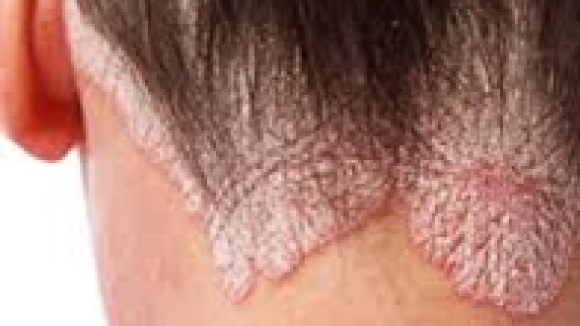
The interleukin-23 (IL-23)/IL-17 axis plays an important role in inflammation and infection. Some of these chronic immune-mediated inflammatory disorders include PsO, PsA, AS, and IBD. Patients with PsO, PsA, and AS have up to a four-fold risk of developing IBD versus the general population.

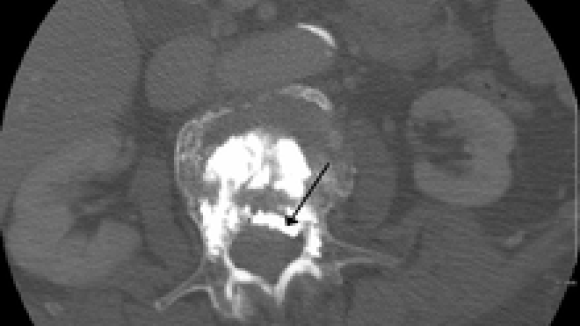
There are approximately 750,000 new vertebral compression fractures each year in the United States, with resultant acute and chronic back pain in over one‐third of patients with vertebral fractures (VF). Both percutaneous vertebroplasty or balloon kyphoplasty have been advocated as useful m
Obese patients with psoriatic arthritis (PsA) who followed a short-term, very low-energy diet showed improvements in multiple aspects of disease activity, a prospective study found.

Pregnancy and drug safety is a complex issue, often with limited information about maternal drug exposure on the offspring. Greater uncertainty exists when considering whether paternal exposure may also influence fetal outcomes.
Hydroxychloroquine retinopathy prevention guidelines have revised from ideal body weight-based dosing to actual body weight-based dosing; the question remains whether these have been adopted in clinical practice.
A database of nearly 21,000 new HCQ users from a UK general population database studied HCQ dosing and use between 2007 and 2016. Specifically they examined whether users were subjected to excess HCQ dosing per ophthalmology guidelines (defined by exceeding 6.5 mg/kg of IBW and 5.0 mg/kg of ABW).

When psoriatic arthritis (PsA) patients become pregnant, they do not have more infertility or adverse pregnancy outcomes compared to healthy controls.

Another, new Janus kinase 1 (JAK1) inhibitor is out with impressive data - this time its filgotinib, demonstrating its efficacy and safety two separate clinical trials of patients with psoriatic arthritis or ankylosing spondylitis.
Dr Jack Cush reviews the News and Journal reports from the past week on RheumNow.com. Be sure to check out our upcoming meeting in March 2019 - RheumNow Live.

This past week in Chicago gave us a plethora of new and eye-opening research, people, KOLs, exhibits, sessions, guidelines, posters and a never-ending supply of coffee served in small paper cups. ACR 2018 highlights for me included:

Highlights from Tuesday, day 3 of the ACR Annual meeting in Chicago, included:
The PEXIVAS Study – 2x2 Trial of Plasma Exchange and Reduced Steroids in ANCA-Associated Vasculitis (AAV) - Abstract #2788

Pregnancy and drug safety is a complex issue, often with limited informatoin about maternal drug exposure on the offspring. Greater uncertainty exists when considering whether paternal exposure may also influence fetal outcomes.
Dr. Jack Cush reviews the news and journal reports from the past week on RheumNow.com.

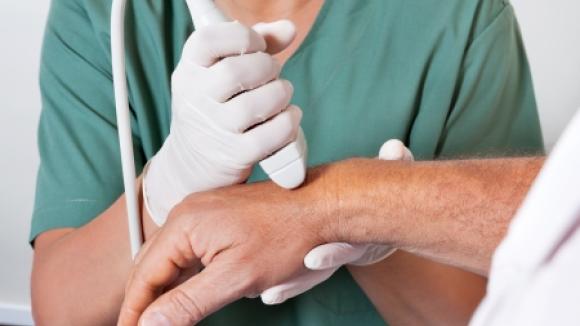
Musculoskeletal ultrasound (US) has become a more widely used tool in rheumatology clinical practice. This study of early inflammatory arthritis patients shows that US-defined digit flexor tenosynovitis was more predictive of subsequent rheumatoid arthritis than findings of ACPA positivity or US-defined joint synovitis.
Hydroxychloroquine retinopathy prevention guidelines have revised from ideal body weight-based dosing to actual body weight-based dosing; the question remains whether these have been adopted in clinical practice.
A database of nearly 21,000 new HCQ users from a UK general population database studied HCQ dosing and use between 2007 and 2016. Specifically they examined whether users were subjected to excess HCQ dosing per ophthalmology guidelines (defined by exceeding 6.5 mg/kg of IBW and 5.0 mg/kg of ABW).
By downloading this material, I acknowledge that it may be used only for personal use and personal education and that I will accredit RheumNow.com as the source and owner of this material. Commercial use or mass reproduction of this material without permission from RheumNow (info@rheumnow.com) is prohibited.

