

All News

Early vs Delayed Belimumab in Lupus
An economic evaluation of early vs delayed use of the Blys inhibitor, belimumab (BEL), in systemic lupus erythematosus (SLE) has shown both cost effectiveness and clinical utility of early BEL initiation in active lupus patients.
Read Article
Referral Rules to Live By (2.20.2026)
Dr. Jack Cush reviews the news and journal reports from this past week on RheumNow.com. Highlights include referral rules, combination biiologics in psoriasis and don't use JAK inhibitors in pregnancy.
Read Article
Referrals - Orthopedics or Rheumatology?
“Orthopedics or rheumatology, who should I see?" A question, often asked with urgency, posed by those who genuinely don’t know who to see for a musculoskeletal (MSK) complaint. Inquiring patients, family, or other physicians may be one forum for such a request. Another occurs in the hospital and clinic when referrals for MSK issues can go in either direction. How would you guide such requests? And what would your answers be based on?
Read Article
A Modern Approach to Osteoporosis Management
Currently, fewer than half of patients diagnosed with osteoporosis receive appropriate pharmacologic therapy. This treatment gap reflects several challenges in osteoporosis management, including limited disease awareness, barriers to medication access, clinician discomfort with therapy selection, and uncertainty regarding the optimal timing of treatment initiation.
Read Article
Can I Use JAK Inhibitors During Pregnancy?
In 2020, the ACR Recommendations on Reproductive Health notably avoided firm guidance on the use of JAK inhibitors (JAKi) during pregnancy stating, "There is no available evidence regarding use or safety of the new small- molecule agents, tofacitinib, baricitinib, and apremilast, during pregnancy."
Read Article
Maui Potpourri (2.13.2026)
Dr. Jack Cush reviews the hot item takeaways from last week's RheumNow.Live 2026.
Read Article
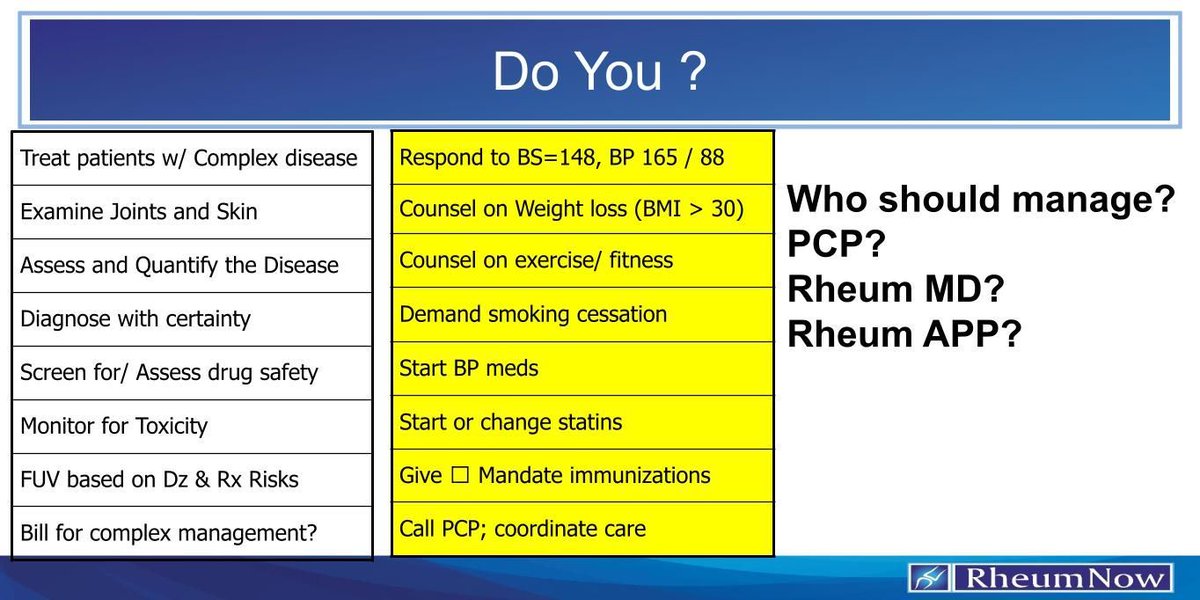
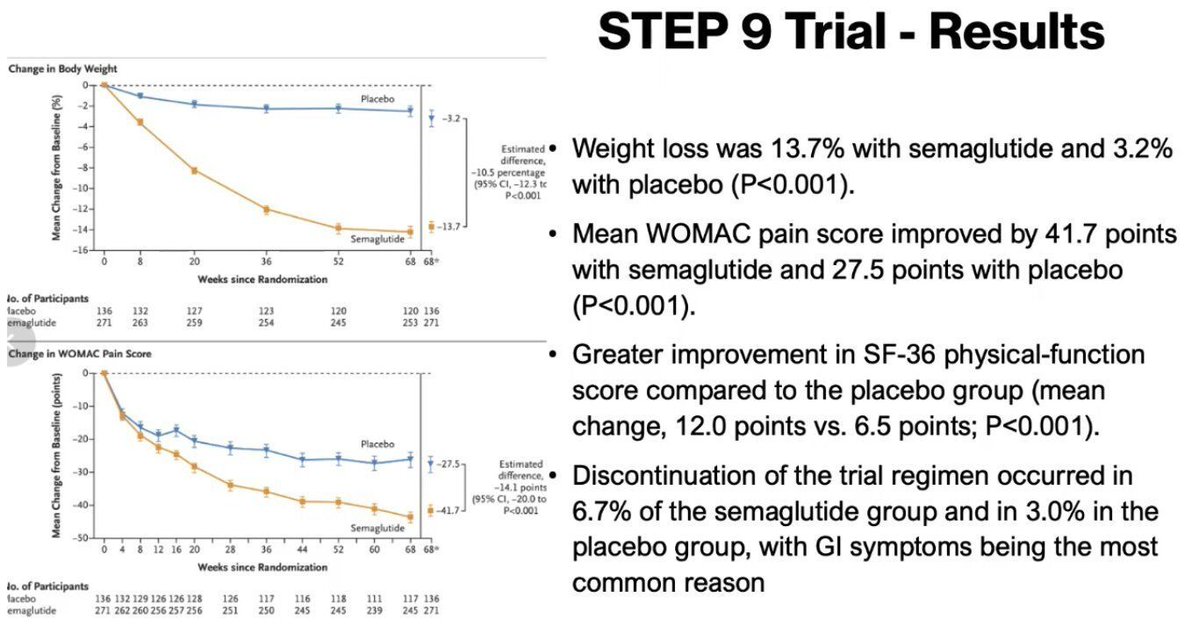
Obesity, Surgery, and Optimizing Patient Care
Rheumatologic care involves multidisciplinary approaches and collaboration with specialties to treat complex, systemic diseases. While many Pods at RheumNow Live are disease specific, the Pod II focused on Advancing Practice on important and emerging areas affecting rheumatologic patients. This session focused on two major areas of need: obesity and peri-operative management.
Read Article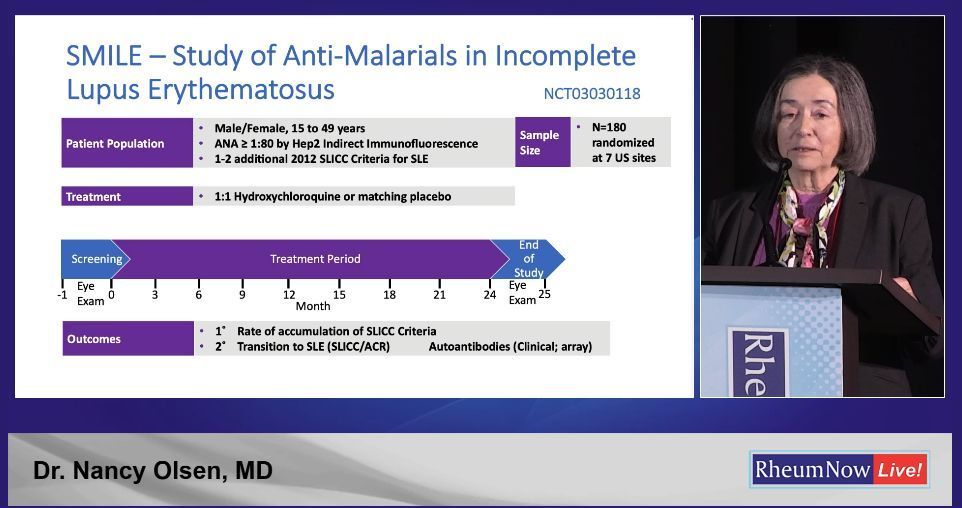
Links:

Dr. John Cush RheumNow ( View Tweet)
Dr. John Cush RheumNow ( View Tweet)
Dr. John Cush RheumNow ( View Tweet)

