
Article
Dr. Jack Cush muses on the news, journal reports, FDA announcements and the 2024 BSR abstracts just released.

Search for Terms or Answers
Dr. Jack Cush muses on the news, journal reports, FDA announcements and the 2024 BSR abstracts just released.
Patients with rheumatoid arthritis (RA) all have a unique and diverse set of antibodies that are involved in the development of the disease.

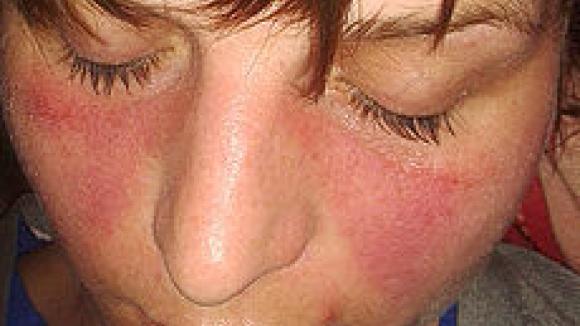
An investigational Toll-like receptor (TLR) antagonist was effective in reducing biomarkers and clinical symptoms of systemic lupus erythematosus (SLE) in a pilot trial, evidence that the innate immune system may hold the key to lupus pathophysiology.
Dr. Jack Cush reviews regulatory reports, news and novel journal articles - this week focusing on Sjogren's, ILD, Gout and Uveitis.
The Lupus Research Alliance (LRA), founder and administrator of the Lupus Accelerating Breakthroughs Consortium (Lupus ABC), announced today at the Consortium’s first anniversary meeting an expanded partnership with the U.S.

Sjögren disease (SD) is the most common of all autoimmune disease, yet little is know of its etiology and there are insufficient interventions for those affected with mucosal or systemic manifestations.

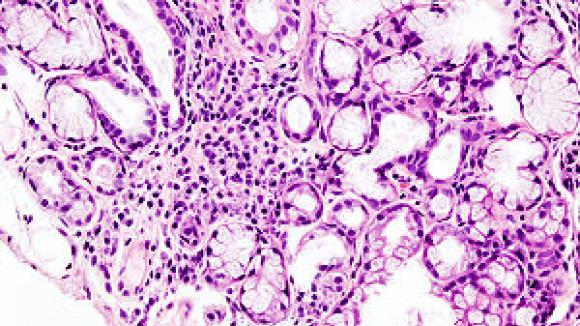
A prospective study from the Netherlands analyzed the comparative value of simultaneous labial and parotid salivary gland biopsies performed in patients with sicca complaints and suspected Sjogren's syndrome (SjD).
Dr. Jack Cush reviews the news and journal reports from this past week on RheumNow.com. Is it time to worry about burnout and those who are leaving healthcare?
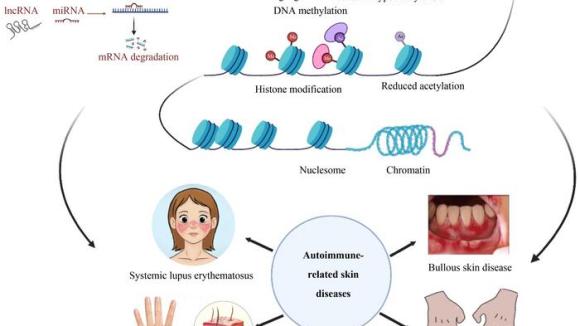
The central dogma proposed that genetic information predominantly transfers from DNA to RNA during gene expression to make a functional product protein. This absolute theory has been debunked because of the influence of the environment on how genes are transcribed.
These are excerpts and takeaway summaries from several literature reports addressing the diagnosis and outcomes of prosthetic joint infections (PJI).

A minority of immune-mediated inflammatory disease (IMID) patients treated with rituximab (RTX) are expected to develop and depressed immunoglobulin (Ig) levels. A recent cohort analysis suggests that RTX-induced Ig deficiency was not associated with an increased risk of severe infecti

Pharma budgets have undergone significant changes coming out of COVID. This year Merck & Co. has knocked Roche from previous years of leading in research and development (R&D) budgets and investments.

The medical community is challenged by myalgic encephalomyelitis/chronic fatigue syndrome, or ME/CFS - its origins, pathogenesis outcomes and treatment. JAMA has reviewed a recent Nature paper wherein an NIH led team of multidisciplinary experts performed an inpatient study of postinfe

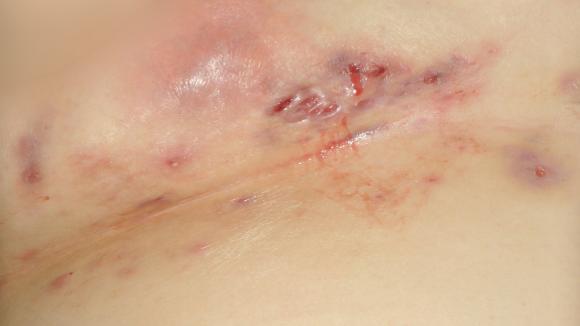
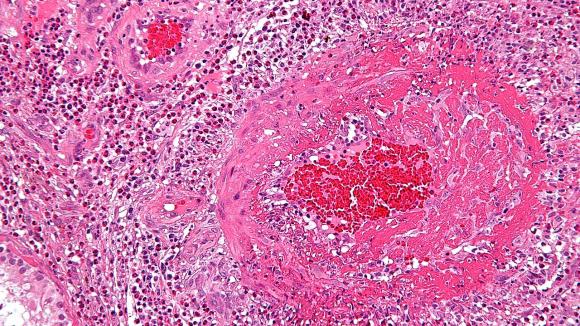
Hidradenitis suppurativa (HS) is a suppurative inflammatory skin disorder that is considered to be autoinflammatory by many. HS includes a specturm of disorders, linked by suppurative (or psoriatic) skin disease and potentially genetics.
Dr. Jack Cush reviews the news, journal reports and regulatory approvals from the past week.
The common inflammatory condition sinusitis is linked to a 40% heightened risk of a subsequent diagnosis of rheumatic disease, particularly in the 5 to 10 years preceding the start of symptoms, finds research published in the open access journal RMD Open.

A multicenter, double-blind, phase 3, randomized, active-controlled trial has shown that Benralizumab (BEN) was noninferior to mepolizumab (MEP) for the induction of remission of patients with relapsing or refractory Eosinophilic granulomatosis with polyangiitis (EGPA).
Dr. Jack Cush reviews the news and journal reports from the past 2 weeks on RheumNow.com; but begins with a discussion of what constitutes "immunosuppression" and how it applies to our patients.
The NEJM has published the results of CD19 B cell depletion (by CAR-T cell therapy) in autoimmune disease patients, demonstrating it to be feasible, safe, and efficacious.

The ARIAA trial tested the utility of IV abatacept in individuals ACPA+ arthralgia patients with subclinical inflammation and showed abatacept to decrease MRI inflammation, clinical symptoms, and risk of future rheumatoid arthritis (RA) development.

By downloading this material, I acknowledge that it may be used only for personal use and personal education and that I will accredit RheumNow.com as the source and owner of this material. Commercial use or mass reproduction of this material without permission from RheumNow (info@rheumnow.com) is prohibited.

