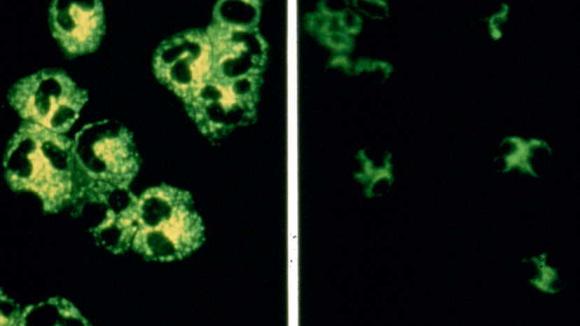
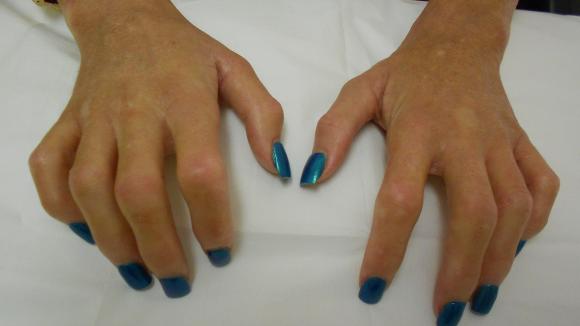
The diagnosis of idiopathic inflammatory myopathies (IIMs) can be informed by the 2017 EULAR/ACR classification criteria, but their utility in patients with clinically amyopathic dermatomyositis (CADM) and anti–melanoma differentiation–associated protein 5 (anti–MDA-5)–positive IIM
All News
Still's disease in adults (AOSD) or children (sJIA) can have dramatic symptom severity, making it easy to gauge disease activity and response to therapy, especially at the outset. However, a validated measure of disease activity has not been agreed (for clinical trial and treatment assessments). A new study compares two such activity measuresin a large cohort of Still's patients.
Research presented in the Journal of Experimental Medicine shows that ANCA-associated vasculitis (AAV) may be propagated by pathogenic mechanisms triggering cGAS/STING/IRF3-dependent IFN-I release.
Dr. Jack Cush reviews the news and journal reports from this past week on RheumNow and discusses a case of refractory juvenile dermatomyositis with calcinosis.
The DESIRES trial studied rituximab (RTX) in patients with systemic sclerosis (SSc) and showed clinically significant improvement in skin and lung outcomes after a subsequent 24-week open-label extension phase.
JUNIPERA study evaluated secukinumab (SEC) in children with enthesitis-related arthritis (ERA) and juvenile psoriatic arthritis (JPsA) and was found to be safe and effective in patients with active ERA and JPsA who previous failed to respond to conventional therapy.
We've got a lot to discuss this week: psoriasis; fatigue; sleep; sural nerve biopsies; uveitis and SpA; diet and RA; tofacitinib and the ORAL surveillance study; what not to take with mycophenolate - and more. In what order should these items be discussed? This week the run down is based on popularity, measured by rheumatologist engagements on the website and social media.
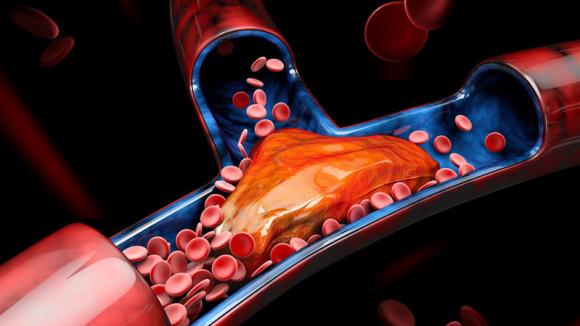
Infection may play an important role in the genesis of vasculitis and ANCA seropositivity; this report suggests that past cytomegalovirus infection may be a risk in the occurrence of venous thromboembolism (VTE) in patients with anti-neutrophil cytoplasm antibody (ANCA)-associated vasculitis.
A small retrospective study suggests that patients with difficult to treat adult-onset Still's disease (AOSD) or sytemic juvenile idiopathic arthritis (sJIA) may respond well to JAK inhibitor (JAKi) agents - presumable by blocking pro-inflammatory cytokines, notably IL-6 and IFN.
Your patient doesn't meet criteria for Still’s disease (AOSD or sJIA), now what should you do or consider?
What you do or consider next can be addressed according to the stage of current disease: A) Hospitalized Febrile Disease, or B) Outpatient “Still’s” Disease.
Fever of unknown origin (FUO) represents a diagnostic challenge to many physicians and while cancer and infectious causes need to be excluded, rheumatic disorders are amongst the most common causes of FUO.
Nintedinib’s Durable Efficacy in Systemic Sclerosis
Patients with interstitial lung disease (ILD) related to systemic sclerosis continued to see less progression when treated with nintedanib (Ofev) in the pivotal 100-week SENSCIS trial, researchers said.
Dr. Jack Cush covers the news and journal reports from the past week on RheumNow.com. This week we have Insights NAFLD, overdose deaths, septic arthritis, refractory stills, & when MTX doesn’t work.
Dr. Jack Cush reviews the new studies and drug approvals and new insights into febrile disorders from the past week on RheumNow.com
What is the classic 'triad' of Still's disease? Does it affect males and females equally? What are typical lab findings? Which drugs are effective at treating Still's, and as importantly, which ones are not? What about complications? Read on for these and other FAQs regarding Still's disease.
A large cohort study of children with febrile disorders has demonstrated the diagnostic utility of Myeloid-related protein 8/14 (MRP8/14) in diagnosing systemic JIA patients (SJIA) in clinical practice.
A cohort study suggests that rituximab (RTX) use among patients 75 years and older with antineutrophil cytoplasmic antibody (ANCA)–associated vasculitis (AAV) is efficacious but also has a high risk of serious adverse events, likely related to associated steroid use and the advanced age of the po
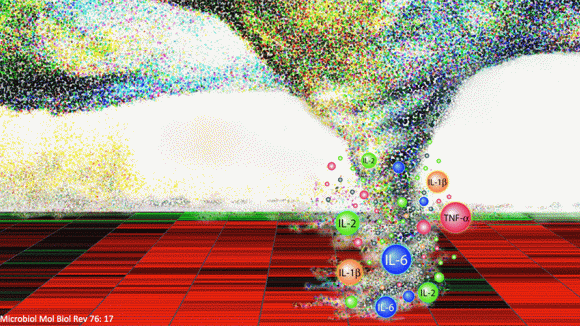
Macrophage Activation Syndrome (MAS) is a hyperinflammatory condition that has a significant mortality risk and may arise in patients with rheumatic disease.
Dr. Jack Cush reviews recent news, regulatory and guideline updates from the past week on RheumNow.com. Studies on methotrexate use, COVID vaccination, Supplements and vitamins, and arthrocentesis despite anticoagulation are discussed.