Article
Machine learning analysis of pre-treatment synovial tissue biopsy from rheumatoid arthritis (RA) patients starting either etanercept (ETN), tocilizumab (TCZ) and rituximab (RTX) revealed

Search for Terms or Answers
Machine learning analysis of pre-treatment synovial tissue biopsy from rheumatoid arthritis (RA) patients starting either etanercept (ETN), tocilizumab (TCZ) and rituximab (RTX) revealed

Current CDC numbers suggest that arthritis (any type) affects an estimated 67.1 million (27.9% ) adults in the USA. Interestingly, 1 in 5 do not know their arthritis subtype (21.6%, 14.4 million).

A large multicenter cohort study of Relapsing Polychondritis (RP) describes the clinical manifestations and treatment approaches to this rare, heterogeneous, multisystem disease.
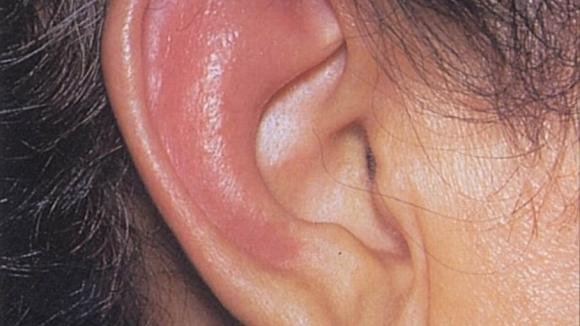
More effective treatments in patients with rheumatic diseases have resulted in less need for major surgery, yet a substantial number of RMD patients will undergo surgery often in the setting of DMARDs use. A scoping review looked at numerous clinical practice guidelines/recommendations for the perioperative management of DMARDs and found inconsistencies and low quality evidence, with great reliance on conditional (expert opinion) recommendations.

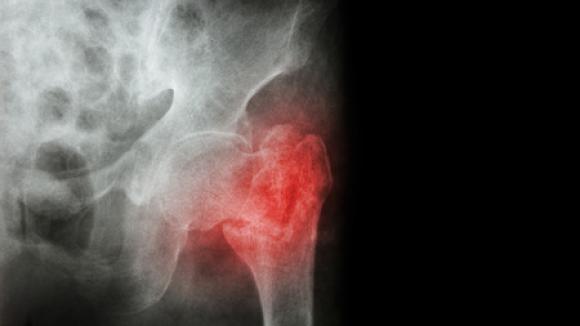
People who are older than 80 should be considered for osteoporosis treatment after a fracture to avoid further risk, according to a study being presented Saturday at ENDO 2025, the Endocrine Society’s annual meeting in San Francisco, Calif.
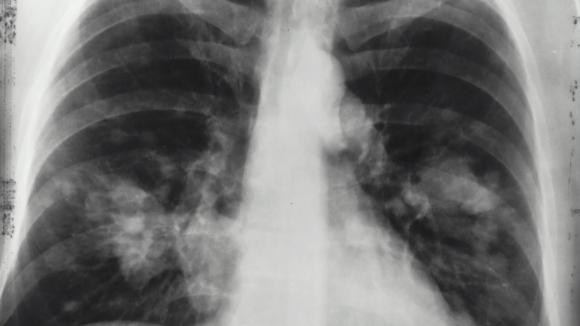
A large prospective cohort study found that interstitial lung disease (ILD) is associated with an increased risk of lung cancer.
Dr. Jack Cush reviews the news and journal reports from this past week - some obvious, other new thoughts and some - hmmm, reallly?
The Centers for Medicare & Medicaid Services (CMS) announced a new experimental model late last week to streamline some prior authorizations under the traditional Medicare program, but some politicians and experts are concerned that it could result in more delays in care.

A pooled analysis of 25 randomized clinical trials affirms the safety of ixekizumab (IXE) when used to treat patients with psoriasis (PsO), psoriatic arthritis (PsA), or axial spondyloarthritis (axSpA).

A current systematic review in Rheumatology addresses the clinical features seen in the VEXAS syndrome.

Patients with autoimmune skin diseases (ASDs) with cancer had significantly better cancer survival outcomes than those without ASD, suggesting coexistant autoimmune or inflammatory disease does not adversely affect a cancer prognosis.

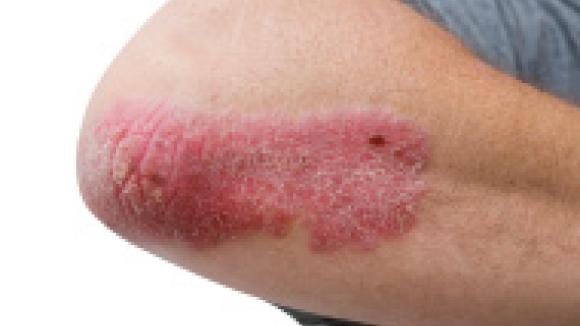
Tumor necrosis factor (TNF) inhibitor therapy was effective in reducing the likelihood that psoriasis would progress to psoriatic arthritis (PsA), a retrospective study indicated.
Autoimmune hepatitis (AIH) is a chronic, progressive inflammatory liver disease driven by autoimmune mechanisms, characterized by elevated serum aminotransferases, hypergammaglobulinemia, and interface hepatitis on histology.
BMJ has published a clinical practice guideline resulting from the work of an international, multidisciplinary panel addressing chronic spine pain (≥3 months duration) not associated with cancer or inflammatory arthropathy. This is a chronic (not acute) spine pain guideline.

A current review article suggests that the need for Pneumocystis jirovecii pneumonia (PJP) prophylaxis in patients with systemic lupus erythematosus (SLE) and lupus nephritis will need to be individualized based on therapies and risk factors.

The American College of Physicians published a best practice advisory on cannabis or cannabinoids in the Annals of Internal Medicine.

A retrospective US administrative claims cohort study of RA patients on tumor necrosis factor inhibitors (TNFis), non-TNFi biologics, or Janus kinase inhibitors (JAKis) found a statistically significantly higher risk of incident cancer in patients receiving rituximab, abatacept, or JAKis (compared with TNFis).



By downloading this material, I acknowledge that it may be used only for personal use and personal education and that I will accredit RheumNow.com as the source and owner of this material. Commercial use or mass reproduction of this material without permission from RheumNow (info@rheumnow.com) is prohibited.