Investigators with the Swiss Clinical Quality Management (SCQM) program have studied the effects of obesity on patients with axial spondyloarthritis (axSpA) and, specifically, their response to tumor necrosis factor inhibitors (TNFi).
All News
Dr. Jack Cush reviews highlights from the past week on RheumNow.com.
Dai, Felson and colleagues report in Annals of Rheumatic Disease that high dietary fiber lowers the risk of symptomatic osteoathritis (SxOA), but the radiographic benefits remain unclear. (Citation source http://buff.ly/2rHv9yd)
Two current articles in the Journal of Rheumatology address issues surrounding mortality risk among those with new and established gout.
A recent study reports that obesity is linked to late-onset psoriasis and psoriatic arthritis (PsA). By contrast being of normal weight may be associated with an earlier onset of the disease adn HLA-B27.
Patients often characterize certain foods as “inflammatory” or “anti-inflammatory” as they combat their arthritis.
Dr. Cush reviews highlights from the past week on RheumNow.com.
IL-1β, along with pancreatic insulin, helps regulate blood sugar levels, as well as chronic inflammation.
Dr. Jack Cush reviews highlights from the first week of 2017 on RheumNow.com.
Happy New Year!
The rising incidence of gout has been directly linked to the obesity epidemic. The influence of obesity on gout was further tested in a cohort study of obese patients undergoing bariatric surgery as part of the Swedish Obese Subjects (SOS) study.
People who regularly smoke large amounts of cannabis have reduced bone density and are more prone to fractures, research has found. The study also found that heavy cannabis users have a lower body weight and a reduced body mass index (BMI), which could contribute to thinning of their bones.
JAMA has reported the results of a 24-month trial showing that obese individuals on a long-term healthy diet and exercise program do not have significantly more weight loss from using a wearable device that tracks their activity.
There are numerous health hazards associated with obstructive sleep apnea (OSA), including an increased risk of cardiovascular events.
People with hyperuricemia who followed the blood-pressure-lowering DASH diet showed significant decreases in serum urate levels, post-hoc analysis of data from an influential randomized study found.
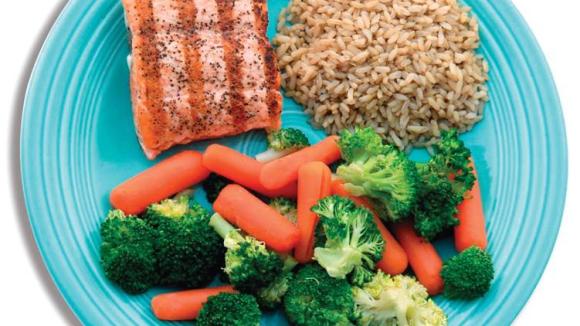
In the Dietary Approaches to Stop Hypertension (DASH) study, participants adhering to the diet, which emphasizes the consumption of vegetables, fruits, and low-fat dairy foods as well as whole grains, poultry, fish, and nuts, had a mean decrease in serum urate levels of -0.35 mg/dL (95% CI -0.65 to -0.05), according to Stephen P. Juraschek, MD, PhD, of Johns Hopkins University, and colleagues.

Dr. Jack Cush reviews highlights from this week's rheumatology news on RheumNow.com.
Obesity is epidemic in North America, affecting nearly 76 million adults. Obesity is not only a risk factor for rheumatoid arthritis and osteoarthritis, it clearly worsens pain and function in most musculoskeletal (MSK) conditions and has been shown to blunt DMARD and biologic resp
Weight change can have substantial effects on the outcomes of patients with arthritis. It has long been known that weight loss and low body mass index (BMI) are associated with poorer arthritis outcomes.
Weight loss is one of several nonpharmaceutical interventions to reduce serum urate (SUA) levels and control gout. French researchers examined the role of xanthine oxidase (XO), low-grade inflammation, and weight loss on SUA levels in obese patients.
The 2015 ACR meeting in San Francisco highlighted several studies wherein dietary patterns predicted a reduced risk of both rheumatoid arthritis (RA) and gout.
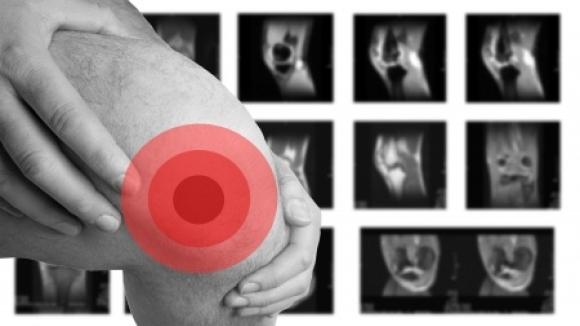
Researchers at the University of California at San Francisco have shown that >10% weight loss may impact the rate of cartilage loss as determined by MRI scanning. They presented their findings yesterday at the annual meeting of the Radiological Society of North America (RSNA).