Since the onset of the COVID-19 pandemic numerous anti-rheumatic therapies have been proposed as being potentially beneficial. The mechanistic effects of these agents, either presumed antiviral, anti-inflammatory and anti-thrombotic effects, may benefit mitigate the damage seen with COVID-19 infection.
This review will examine the potential benefits and existing evidence for treating suspected or proven COVID-19 infection with antimalarials, inhibitors of interleukin-6 (IL-6) or interleukin-1 (IL-1) Janus kinase (JAK) inhibitors, TNF inhibitors or colchicine. There are many other antirheumatic and immunosuppressive therapies that are in clinical trials that will not be reviewed here including IVIG, rituximab, calcineurin inhibitors (sirolimus, etc.), apremilast, emapalumab (anti-IFN gamma), etc.
All News

The risk COVID-19 infection and mortality in the U.S. has been closely correlated with increasing age. However, recent data suggests that young adults (aged 18–25 years) have shown an increasing risk of COVID-19 infection since the pandemic began in March 2020.

A new article in Nature Medicine delineates how our understanding of COVID-19 infection has evolved over time, such that the infection outomes may be worsened by extrapulmonary manifestations; notably thrombotic, cardiac, renal, gastrointestinal hepatic, neurologic, and other complications.
Colchicine has been advocated as a potential anti-inflammatory intervention in patients with the coronavirus 2 infection and clinical trials have been developed to assess its effect in early COVID-2 infection. JAMA has published a randomized clinical trial showing that low dose colchicine had less clinical deterioration without significant changes in biomarkers, such as high-sensitivity cardiac troponin and C-reactive protein.

A Lancet systematic review and meta-analysis provides the basis for physical distancing and the value of making as measures to prevent infection with coronavirus 2 (SARS-CoV-2) or COVID-19.
The analysis included 172 observational studies, no randomised controlled trials and 44 relevant comparative studies involving 25 697 patients.

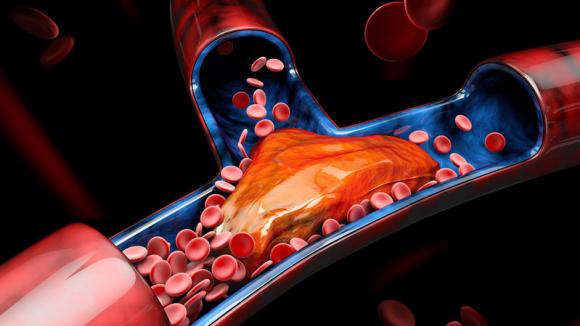
Severe and fatal outcomes with coronavirus infection are often the result of the downstream damage that follows the viral infection. Rising high on the list of complications are the hematologic and vascular complications seen in severely affected patients, so much so that many centers are routinely anticoagulating hospitalized (but not ambulatory) COVID patients.
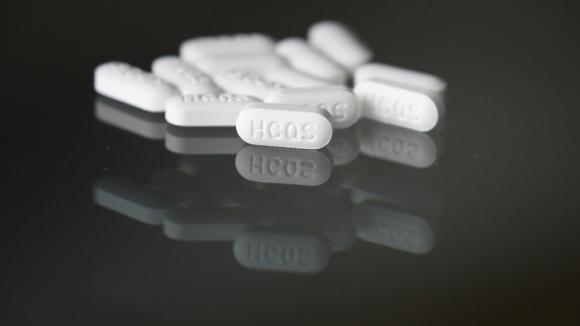
Hydroxychloroquine is one of many medications frequently used in rheumatology practice. Its remarkable versatility is attested by its routine use in lupus, in patients with an autoimmune coagulopathy, in patients with rheumatoid arthritis, as well as in those with a low-level inflammatory arthropathy.
Lancet has reported COVID outcomes from NewYork-Presbyterian hospitals in NYC during March 2020 showing high rates of hospitalization, ICU admission, mechanical ventilation and death.
A prospective observational cohort study 2 2 NYC hospitals from March 2 to April 1, 2020, looking at laboratory-confirmed COVID-19 and were critically ill with acute hypoxaemic respiratory failure, and collected clinical, biomarker, and treatment data. The primary outcome was in-hospital death.

Two recent reports further characterize the newly described, Kawasaki-like, syndrome affecting children with COVID-19 infections.
The NEJM describes the childhood syndrome as having Kawasaki’s disease, fever, toxic shock syndrome, acute abdominal conditions, and encephalopathy; hence the label Childhood Multisystem Inflammatory Syndrome. The disorder emerged in late April 2020, first in the U.K., and then similar cases were reported from many other countries. The CDC named this multisystem inflammatory syndrome in children (MIS-C).

A retrospective, observational study published in Lancet Rheumatology has shown that tocilizumab (TCZ) may reduce the risk of death or the need for mechanical ventilation in severe COVID-19 pneumonia. This observational study included adults, with severe COVID-19 pneumonia, who were hospitalized between Feb 21 and March 24, 2020. All were on the standard of care (ie, supplemental oxygen, hydroxychloroquine, azithromycin, antiretrovirals, and low molecular weight heparin), and a non-randomly selected subset of patients also received TCZ.

Dr Jack Cush reviews the news and journal articles from the past week on RheumNow.com
Colchicine has been advocated as a potential anti-inflammatory intervention in patients with the coronavirus 2 infection and clinical trials have been developed to assess its effect in early COVID-2 infection. JAMA has published a randomized clinical trial showing that low dose colchicine had less clinical deterioration without significant changes in biomarkers, such as high-sensitivity cardiac troponin and C-reactive protein.
Add this to the list of hydroxychloroquine (HCQ) letdowns in managing COVID-19 treatment or risk - prophylaxis with HCQ fails to prevent COVID-19 infection in those exposed to the SARS-CoV-2 virus.
NEJM has reported a prospective, randomized, double-blind, placebo-controlled trial from the US and Canada wherein adults with household or occupational exposure to someone with confirmed Covid-19 were treated with either placebo or HCQ within 4 days of exposure.
Several recent reports offer conflicting views on the potential benefits and adverse outcomes of IL-6 inhibition with tocilizumab (TCZ) therapy in patients with severe COVID-19 infection.
An Italian study grabbed the headlines yesterday with a press release stating TCZ did not improve respiratory symptoms, ICU admissions or mortality rates when given to 126 COVID patients with early disease. The study, supported by the Italian Medicines Agency (Aifa), stopped enrollment (about 1/3 of projections) after an interim analysis found insufficient evidence that TCZ would be effective. This report has not been published or undergone critical review.
Dr. Jack Cush reviews the news and journal reports from the past week on RheumNow.com.
Preliminary results released today shows dexamethasone (DEX), given to hospitalized, severly ill, COVID-19 patients, is capable of reducing mortality rates by one-third, with researchers calling this a “major breakthrough” in coronavirus management.
The results stem from a UK trial, called the RECOVERY trial, launched in March 2020, compared outcomes of around 2100 patients who were randomly assigned to DEX treatment compared with 4,300 patients not on DEX.
A Lancet systematic review and meta-analysis provides the basis for physical distancing and the value of making as measures to prevent infection with coronavirus 2 (SARS-CoV-2) or COVID-19.
The analysis included 172 observational studies, no randomised controlled trials and 44 relevant comparative studies involving 25 697 patients.
NEJM has reported that the use of hydroxychloroquine did not prevent symptomatic COVID-19 infection when used within 4 days after SARS-CoV-2 exposure.
Currently for persons who are COVID exposed, the standard of care is quarantine and there is no known preventative therapy.
Dr. Jack Cush reviews the news and journal articles from the past week on RheumNow.com.