
Article
New treatment options for psoriatic arthritis continue to be explored at this year’s ACR/ARHP Annual Meeting in Washington, DC. Guselkumab (GUS) is a fully human monoclonal antibody against the p19 subunit of IL-23.

Search for Terms or Answers
New treatment options for psoriatic arthritis continue to be explored at this year’s ACR/ARHP Annual Meeting in Washington, DC. Guselkumab (GUS) is a fully human monoclonal antibody against the p19 subunit of IL-23.
Ixekinumab (IXE) is an IGG4 monoclonal antibody bindings with high affinity to IL -17A. Currently marketed at Taltz and approved for use in chronic plaque psoriasis, the agent is also being developed for use in psoriatic arthritis.
ClinicalTrials.gov has listed the results of the POSTURE study, a large randomized placebo-controlled trial wherein apremilast was found to yield no benefit (compared to placebo) in treating ankylosing spondylitis (AS) (32.5% vs. 36.6% ASAS20 at week 16) patients.

Rheumatologists have been challenged to treat hepatitis C virus (HCV)-induced rheumatic disease since discovery of the virus in 1989.
A recent article published by the American Academy of Ophthalmology presented new recommendations for screening of patients being managed with hydroxychloroquine that changed the previous monitoring paradigm. More importantly, it has repositioned hydroxychloroquine from one of the safest medications that rheumatologists use to a drug that can have potentially significant ocular morbidity (if used in doses greater than 5 mg per kilogram and or for prolonged periods of time).

Management of moderate to severe plaque psoriasis has advanced significantly with FDA approved therapies capable of targeting TNF alpha, IL-17 and IL-12/23.
Ilaris was previously approved for use in systemic JIA and CAPS. The FDA has expanded this to include TRAPS, Hyper-IgD and FMF based on clinical trials.

Psoriasis and psoriatic arthritis are more prevalent, often more severe, and sometimes refractory to conventional treatments in HIV-positive patients, but clinicians are understandably concerned about moving on to immunosuppressive anti-tumor necrosis factor (TNF) agents when other treatments fai

Dr Jack Cush reviews this week's highlights from RheumNow.com.

Rheumatology News has a novel online report about combined rheumatology-dermatology clinics. In the last several years, there have been a few of these in operation (Boston, Chicago, Rhode Island).

From tofacitinib developmental trials in RA and psoriasis and adherence to T2T in early RA to a rheumatology pearl about dapsone and much more, here are the highlights of what you may have missed on RheumNow.com this week.
Valeant Pharmaceuticals International's experimental drug to treat psoriasis should be approved as long as certain measures are put in place to mitigate the risk of suicide, an advisory committee to the U.S. Food and Drug Administration concluded on Tuesday.
The Food and Drug Administration’s Arthritis Advisory Committee (AAC) yesterday recommended that the Sandoz etanercept (Enbrel) biosimilar (GP-2015) be approved for use in the United States.

At the EULAR 2016 meeting, new EULAR recommendations for the management of Behçet's disease (BD) were presented.
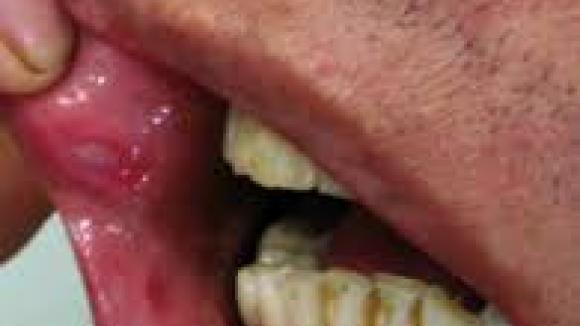
The NEJM today published the results of two phase-3 trials (UNCOVER-2 and UNCOVER-3) demonstrating the efficacy of ixekizumab (a monoclonal antibody against interleukin-17A) in the treatment of moderate-to-severe psoriasis.
In the last two years there have been increasing reports of mosquito-borne infectious arthritides. Dengue fever was best known until the introduction of viral infections due to chikungunya and Zika.

The following is a compilation of several frequently asked questions regarding tuberculosis (TB) testing or treatment in patients on a TNF inhibitor (TNFi) or other biologic agents.
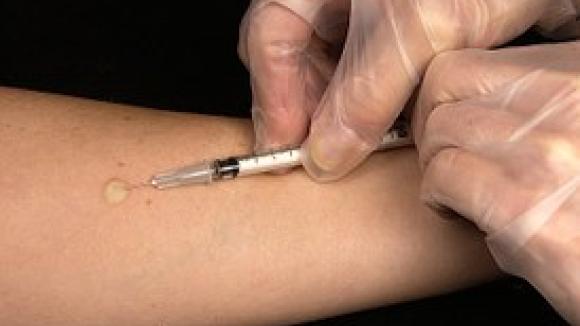
Secukinumab (Cosentyx) has recently been approved for use in ankylosing spondylitis and psoriatic arthritis; the latter largely based on the FUTURE 2 and the just reported FUTURE 1 clinical trial. FUTURE 1 demonstrates the efficacy and safety of secukinumab, with inital weekly intravenous loading, given monthly as a subcutaneous injection.
Watch Dr. Cush discuss the highlights from this week on RheumNow.com.
Idiopathic inflammatory myopathies (IIMs) may be complicated with life-threatening conditions requiring intensive care unit (ICU) admission. The outcomes of such complications may be dire, but there are few series addressing the outcomes of those admitted to the ICU.

By downloading this material, I acknowledge that it may be used only for personal use and personal education and that I will accredit RheumNow.com as the source and owner of this material. Commercial use or mass reproduction of this material without permission from RheumNow (info@rheumnow.com) is prohibited.