Years of IL-17 vs. IL-23 debate in PsA finally got tested head-to-head: bimekizumab outperformed risankizumab on joint outcomes in the BE BOLD trial, while a GLP-1 combination study suggests weight and metabolic status are active drivers of PsA — not just comorbidities. This recap also digs into early signals that biologic choice may influence whether psoriasis progresses to PsA, and why some well-controlled patients are still in pain.

All News
Dr. Jack Cush reviews the news, journal articles and Gout features from this past week on RheumNow.com.
More than half of U.S. adults use dietary supplements, yet only a quarter use supplements recommended by a healthcare professional, and current law lets supplements reach the market with no premarket safety evaluation, unlike drugs or food additives.
Guidelines to Spot Cancer in High Risk Dermatomyositis
International guidelines can help identify dermatomyositis patients with a particularly high risk for cancer, according to a retrospective single-center U.S. study.
Dr. Jack Cush reviews the news, journal articles and regulatory decisions from the past week. July is Gout: More than Flares month.
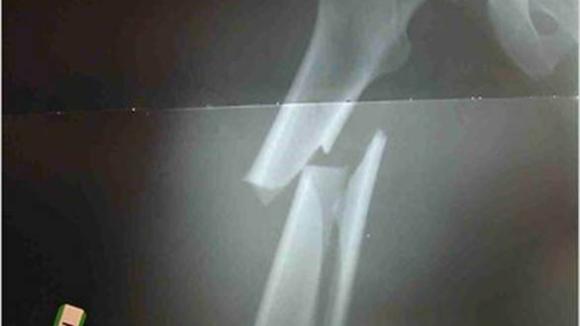
In a recent JAMA Viewpoints article, Dr. Susan Ott addresses several controversies in preventing osteoporosis (OP) related fractures.
At the end of June, Sobi was awaiting an FDA decision on its Biologics License Application (BLA) for NASP (nanoencapsulated sirolimus plus pegadricase) for the treatment of adult patients with uncontrolled gout. On June 26, 2026, SOBI received a Complete Response Letter from the U.S. FDA that will delay a decision on NASP, pending the company's answer to questions regarding the drugs manufacturing at a 3rd party facility in China.
The New England Journal of Medicine (NEJM) retracted the pivotal study supporting FDA's approval of avacopan (Tavneos) for severe forms of anti-neutrophil cytoplasmic
A network meta-analysis in the Journal of Autoimmunity reviews the pharmacologic options for rheumatoid arthritis–associated interstitial lung disease (RA-ILD). RA-ILD guidelines were recently presented by ERS/EULAR, but these were mainly conditional, low-certainty recommendations.
In 2024, the Canadian Rheumatology Association (CMA) and the Spondyloarthritis Research Consortium of Canada (SPARCC) published a comprehensive set of 56 treatment recommendations for the management of axial spondyloarthritis. This first update is focused on the reassessment of IL-17i recommendations.
EULAR recommends a combination of glucocorticoids with either rituximab or cyclophosphamide for remission induction in life-threatening or organ-threatening AAV, followed by gradual tapering of glucocorticoids.
A Lancet Rheumatology systematic review shows the prevalence of hyperuricaemia has risen markedly over the past two decades in both men and women, owing to population growth, aging, and increasing age-specific rates
EULAR26: GLP-1 Agonist Use in the RISE Registry
At EULAR 2026, McCormick and Curtis et al presented data from the American College of Rheumatology’s (ACR) Rheumatology Informatics System for Effectiveness (RISE) registry on the use of GLP-1 agents in rheumatic diseases (RMD).