
Article
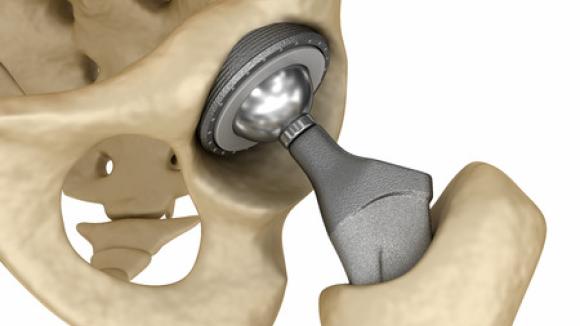
A subanalysis of the CANTOS trial suggests that inhibition of interleukin-1β (IL-1β) can reduce rates of incident hip or knee replacement (THR/TKR) surgeries.

Search for Terms or Answers
A subanalysis of the CANTOS trial suggests that inhibition of interleukin-1β (IL-1β) can reduce rates of incident hip or knee replacement (THR/TKR) surgeries.
Dr. Jack Cush reviews the news and journal articles from the past week on RheumNow.com. Regulatory approvals, update on global rheumatology alliance, smoking and psoriasis, gabapentin let down and defining difficult RA.

Lancet reports that in a randomized, blinded, controlled trial, gabapentin failed to significantly lower pain scores in women with chronic pelvic pain, and was associated with higher adverse event rates compared to placebo.

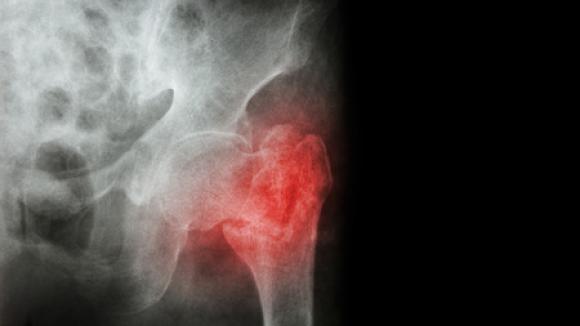
Data from the Framingham Heart Study has shown that hip fracture incidence has decreased over time, probably resulting from improved lifestyle changes (less smoking and heavy drinking).
JAMA Internal Medicine reports on a controlled clinical trial of knee osteoarthritis patients wherein meloxicam responses were not significantly or clinically superior to placebo or CBT (after placebo).
Comorbidities are highly prevalent in psoriatic disease. A recent study in Arthritis Research & Therapy suggests a high prevalence of sleep disturbances, fatigue, and anxiety/depression in psoriatic arthritis (PsA) that is unrelated to skin disease musculoskeletal (MSK) man
Dr. Jack Cush reviews the news and journal articles from the past week. Of mice and men in cartilage, the efficacy of JAK inhibitors in patients who are having skin problems, nrAxSpa has its own diagnostic code, metformin, talking about Back Talk, plus so much more.
Topical nonsteroidal anti-inflammatory drugs (NSAIDs) are recommended as first-line therapy in a new guideline for treating acute, non-low back pain from musculoskeletal injuries in outpatient settings.
Several recent publications have focused on the risk and outcomes of rheumatic disease (RDD) and autoimmune patients who become infected with SARs-CoV-2.

Dr. Jack Cush reviews why we all love our rheumatology fellows and our best advice for them stemming from these articles.

A study from 2 gout clinics implementing different treatment strategies has shown that a treatment strategy that aims to strictly achieve low uric acid (UA) results in a higher a rate of targetd serum UA lowering and less gout flares.


By downloading this material, I acknowledge that it may be used only for personal use and personal education and that I will accredit RheumNow.com as the source and owner of this material. Commercial use or mass reproduction of this material without permission from RheumNow (info@rheumnow.com) is prohibited.


