
Article
A report from the University of Michigan examined state-wide medical marijuana showing most of it is used for chronic pain.

Search for Terms or Answers
A report from the University of Michigan examined state-wide medical marijuana showing most of it is used for chronic pain.
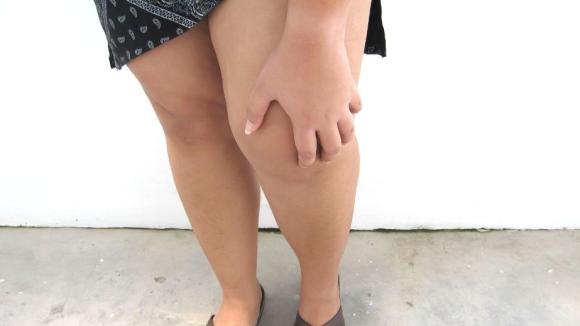
The Annals of Internal Medicine reports that the growth and use of compounded pain creams is unwarranted as they were no better than placebo in a randomized controlled trial, suggesting their higher costs are unjustifiable compared to other topical commercially available agents (lidocain

A study in Arthritis & Rheumatology shows that there is substantial statewide variation in rates of treatment with long‐term opioid therapy in osteoarthritis - not fully explained by differences in access to healthcare providers, varying case‐mix, or state‐level policies.
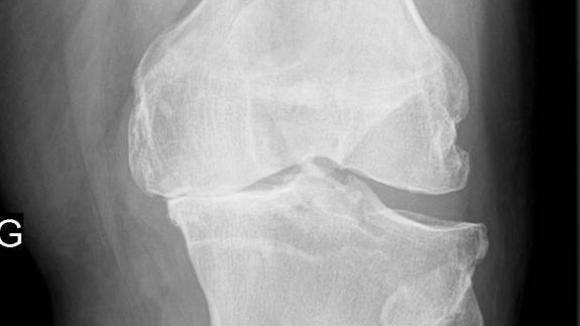
Lenore Buckley and Mary Humphrey have published a nice review of glucocorticoid-induced osteoporosis (GIOP) in the NEJM.
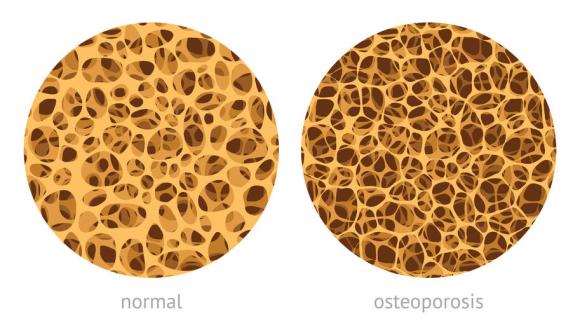
An article in the New England Journal of Medicine reports that the rates of suicide and drug overdoses has doubled in the last 17 years, and that opioids are largely to blame.

Dr. Jack Cush reviews the news and journals for the beginning of 2019. All from RheumNow.com.
Best wishes for a charmed 2019! My advice: 1. Just show up. 2. If you can, then you must do. 3. Live each day as if it twas your 1st day/last day/make or break day. 4. Teach.

This annual appraisal of hallmark moments, news and research articles from 2018 are gleaned from that published in RheumNow during the last year and filtered by other news sources and literature review. The top 10 list herein is rooted in what rheumatologists should know and what will likel
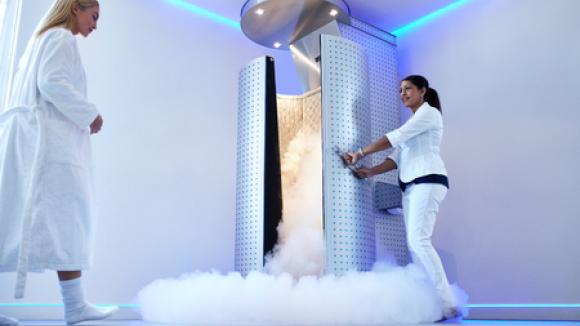
Another injury related to whole body cryotherapy (WBC) has been reported by practitioners in Philadelphia, serving as yet another warning of WBC's potential to cause serious adverse effects.
Researchers from MIT have developed a novel treatment for osteoarthritis (OA) by using dendrimer-based nanocarriers to deliver insulin-like growth factor 1 (IGF-1) to chondrocytes within joint cartilage and in animal models have shown when these nanocarriers injected into rat knees in models of O

A systematic review of 81 studies on vitamin D concludes that vitamin D supplementation does not prevent fractures or falls, or have clinically meaningful effects on bone mineral density.
A systematic review of 238 pregabalin (Lyrica) trials for nonapproved indications shows that nearly two-thirds yielded uncertain evidence of efficacy, thereby questioning the off-label use or endorsement in clinical practice guidelines.
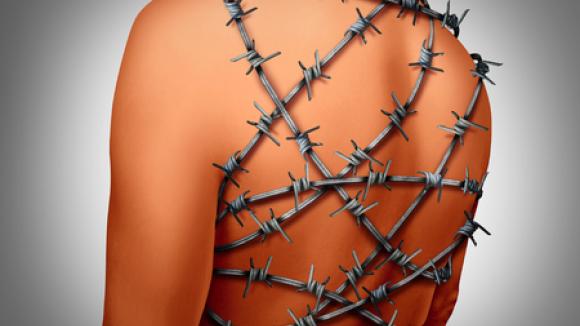
The CDC's Morbidity and Mortality Weekly Report (MMWR) reports that during 2015–2016 there was a total of 27,394 firearm homicides and 44,955 firearm suicides among US residents, with 12% and 5% of events occuring in children 10–19 years.

Dr Jack Cush reviews the News and Journal reports from the past week on RheumNow.com. Be sure to check out our upcoming meeting in March 2019 - RheumNow Live.

JAMA reports on a randomized clinical trial of 202 adults with acute low back pain showing the addition of intensive patient education failed to improve pain outcomes.
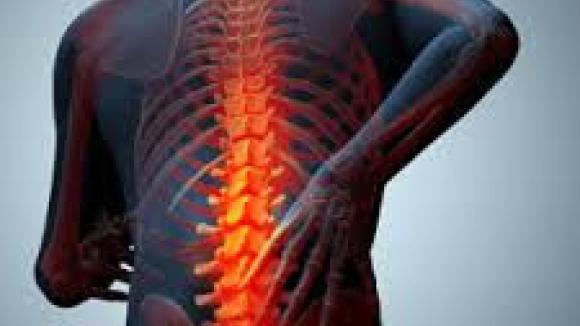
Analysis of the FDA Adverse Event Reporting System data examined the association between statins' musculoskeletal adverse events (MAEs).

New recommendations have been published in the Journal of Athletic Training on the management of patellofemoral pain (PFP).
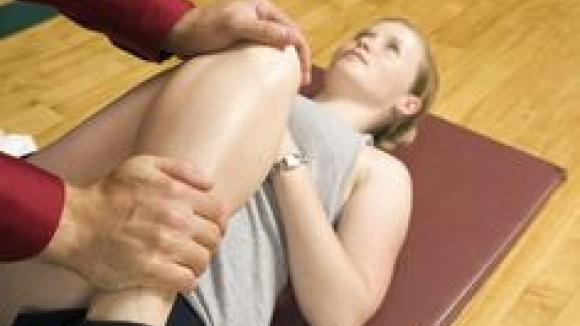
Amidst a new DEA report demonstrating a record number of opioid overdose deaths (n-72,000 or ~ 200 deaths per day), the FDA has approved a newer and far more potent opioid than those that are currently being abused at alarming rates. The new agent is named Dsuvia.

The monoclonal antibody tanezumab, which blocks nerve growth factor, showed significant benefits in pain and function among patients with osteoarthritis (OA) of the knee or hip, and rates of severe adverse joint events such as rapidly progressive OA that had plagued earlier studies were low, a re
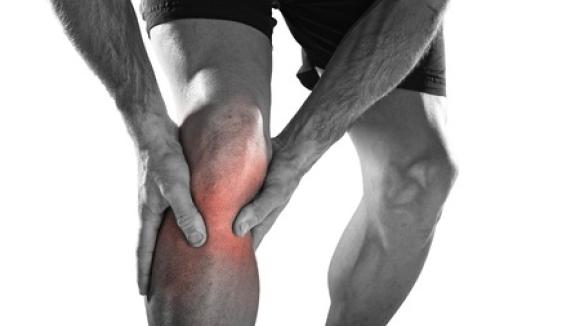
Dr. Jack Cush summarizes the news and reports from RheumNow.Com this past week and previews RheumNow activities at the upcoming ACR 2018 meeting in Chicago.
This week’s NEJM features a case discussion and debate over whether medical marijuana should be used to treat chronic pain. The debate focuses on a 31-year-old woman with long-standing complex regional pain syndrome in her leg and foot.
By downloading this material, I acknowledge that it may be used only for personal use and personal education and that I will accredit RheumNow.com as the source and owner of this material. Commercial use or mass reproduction of this material without permission from RheumNow (info@rheumnow.com) is prohibited.

