All News
Will the Robots Save Ultrasound?
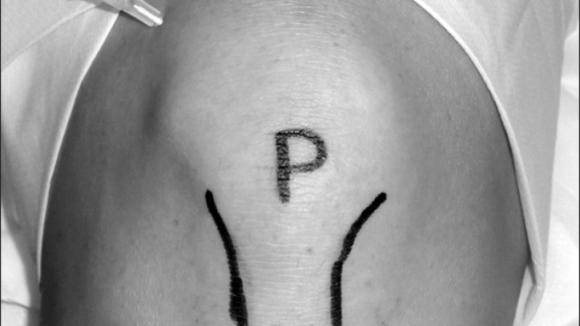
Despite all its benefits, ultrasound’s daily clinical use remains the domain of only a subset of interested rheumatologists. If the benefits are so clear, then why is it not universal? In the late-breaking oral abstracts at ACR Convergence, the final abstract presentation was from the Danish rheumatologists behind ARTHUR and DIANA: the robot which holds the MSK ultrasound probe, and the artificial intelligence brains which empowers it. Perhaps the robots will save us?
Read ArticleDiagnostic Delays in PsA
Despite the remarkable expansion of the therapeutic armamentarium for psoriatic arthritis (PsA), the MONITOR-PsA study highlights a persistent and critical issue: delays in diagnosis. The study findings are stark, with about 25% of patients having erosions at diagnosis.
Read ArticleICYMI: Taking AI Out of AutoImmunity: Predicting disease before it develops
the predictive value of a positive ANA test—especially in the absence of other clinical symptoms—remains a challenge. A positive test often leads to further testing, yet it does not necessarily indicate whether a patient truly has an underlying autoimmune disease. The development of AI and machine learning algorithms presents an opportunity to interpret autoantibody tests and predict autoimmune diseases. Here are three studies looking at this issue.
Read ArticleICYMI: How Online Searches Reveal Patient Needs
Managing health conditions is rapidly evolving as patients increasingly turn to online resources for answers—over 65% search for health-related questions online. Our study analyzed Google search trends for rheumatic disease topics, offering a fascinating glimpse into how online search behavior can reveal patient needs and experiences. This approach, known as "infodemiology," tracks real-time Google Trends data to understand symptom- and treatment-related searches for rheumatic conditions.
Read ArticleCognitive Impairment: The Hidden Burden in Lupus Care
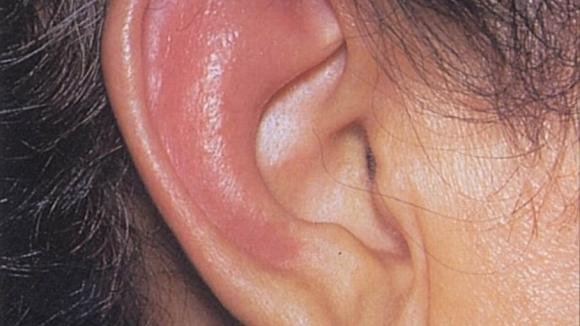
Suppose you have a patient with lupus returning for follow-up. Their joint symptoms are well controlled. The kidneys—managed with a combination of biologic DMARD and mycophenolate—show no signs of active urinary sediment or protein. Yet, during the routine visit, your patient brings up fatigue and difficulty remembering things. How do you address this? Several studies presented at ACR24 focused on cognitive impairment in lupus.
Read Article
Dr. John Cush RheumNow ( View Tweet)
Links:
Eric Dein ericdeinmd ( View Tweet)
Links:
Links:
Dr. John Cush RheumNow ( View Tweet)