Article
Dr Jack Cush overviews the RheumNow commitment, upcoming bonus coverage of ACR20 and the good news and journal reports from the past week on RheumNow.com

Search for Terms or Answers
Dr Jack Cush overviews the RheumNow commitment, upcoming bonus coverage of ACR20 and the good news and journal reports from the past week on RheumNow.com

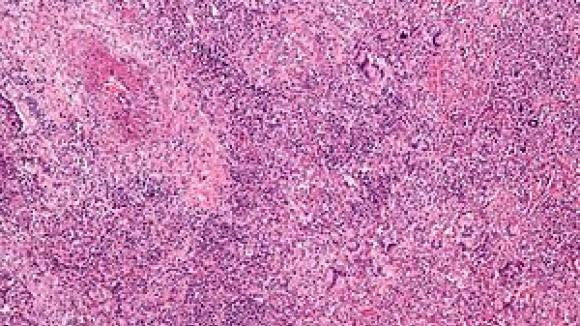
Two biologic therapies showed promise in the treatment of refractory or relapsing eosinophilic granulomatosis with polyangiitis (EGPA) in a retrospective European study.
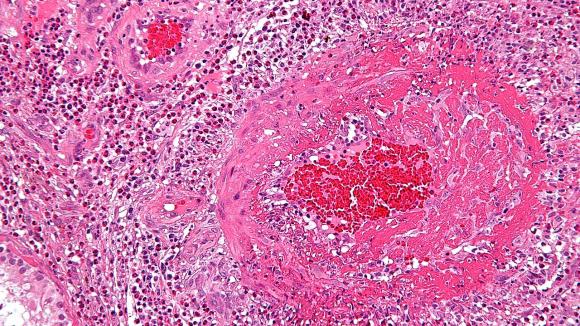
A French Vasculitis Study Group analysis of their granulomatosis with polyangiitis (GPA) reveals that after 10 years, only 7% of GPA patients achieved sustained remission off therapy (SROT) and have never relapsed.
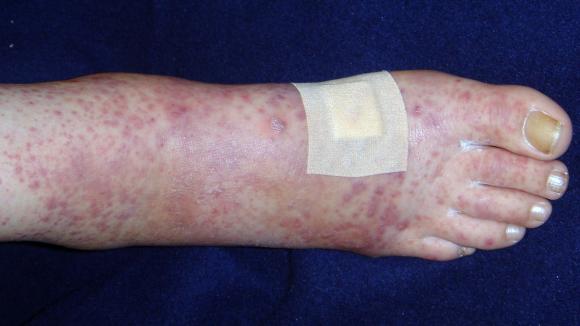
JAMA Dermatology expands the spectrum of complications seen with severe acute respiratory syndrome coronavirus 2 (SARS-CoV-2) infection describing cutaneous purpura and livedo lesions in patients with severe COVID-19.
Dr Jack Cush reviews the news, journal articles and takes a few Back Talk questions this week:
Lancet Infectious Disease has reviewed the epidemiology, causes, clinical features, and current treatment for the multisystem inflammatory syndrome in children (MIS-C) and adolescents associated with COVID-19, noting severe organ damage can occur pediatric COVID-19 patients who are severely ill.&

JAMA has published a clinical update of recent studies on GCA. While PET/CT scanning are novel means of demonstrating activity, they have not changed the diagnostic approach to GCA or PMR and although there are no new proven treatment strategies for PMR beyond glucocorticoids, the FDA has approved tocilizumab as a first-line glucocorticoid-sparing agent.
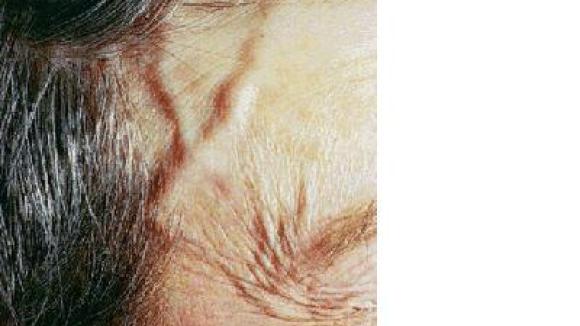
A systematic review and meta-analysis of 68 diagnostic cohort studies (14 037 patients) suggests that no one feature is more impactful that the combination of symptoms, signs, and laboratory tests to diagnose the presence giant cell arteritis (GCA).

Dr. Jack Cush updates the news and journal articles from the past week on RheumNow.com, with information on enthesitis, nr-Ax-SpA, UAB, Blockbuster Rheum Drugs and use of ACE inhibitors.
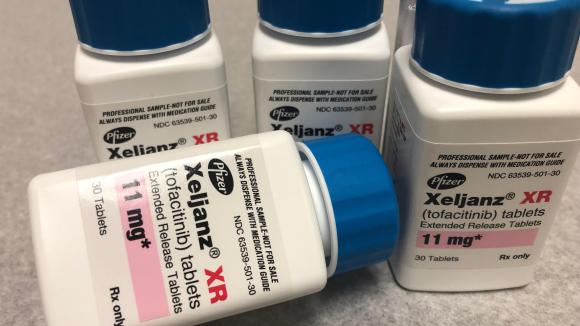
An analysis of the tofacitinib (Xeljanz) drug development program in patients with rheumatoid arthritis (RA), psoriatic arthritis (PsA) and ulcerative colitis suggests a low level risk for venous (VTE) and arterial thromboembolism (ATE).



By downloading this material, I acknowledge that it may be used only for personal use and personal education and that I will accredit RheumNow.com as the source and owner of this material. Commercial use or mass reproduction of this material without permission from RheumNow (info@rheumnow.com) is prohibited.