
Article
Beck et al has published a review of the VEXAS syndrome in The Lancet, focusing on the pathogenesis, spectrum, and treatment strategies.

Search for Terms or Answers
Beck et al has published a review of the VEXAS syndrome in The Lancet, focusing on the pathogenesis, spectrum, and treatment strategies.

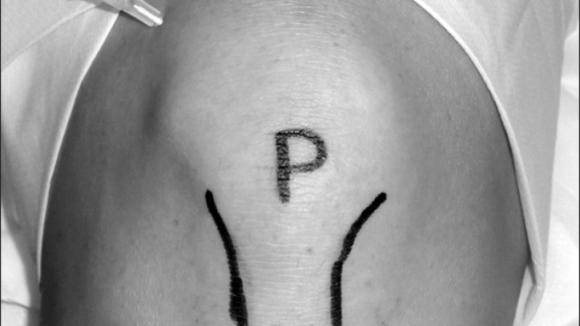
A randomized clinical trial of 60 patients found that glucocorticoid injections into the infrapatellar fat pad (IPFP) did not significantly reduce pain scores in patients with inflammatory knee osteoarthritis (compared to placebo).
Systemic autoimmune diseases are associated with increased cardiovascular morbidity and mortality – possibly through autonomic imbalance, myocardial inflammation, or fibrotic infiltration of the conduction system. A team in Colombia have been looking into the risk of
The European Alliance of Associations for Rheumatology (EULAR) has updated their rheumatoid arthritis (RA) management recommendations, notably with fewer recommendations (total of 9, down from 11 in 2022 version), by merging and removing previous recommendations.

A recent issue of Arthritis & Rheumatology reviews current understanding of the immunopathogenesis of Sjögren disease (SjD) and how that has influenced the quest for drug development for this most systemic autoimmune disorder.
Dr. Jack Cush reviews the news and journal articles from RheumNow.com. Updates on tofacitinib, CAR-T therapy and AI.
Real-world or observational data from registries, claims datasets, or electronic health records can enable us to perform large-scale analyses.

Prospects are growing that an approved, off-the-shelf drug can rescue patients with certain ultra-refractory autoimmune diseases, a pair of new reports suggest.

PLoS Medicine has published a population-based retrospective cohort study from the Southern Israeli Pregnancy Registry (siPREG) project showing that 1st trimester exposure to NSAIDs was not associated with major congenital malformatoin (MCM) risk.
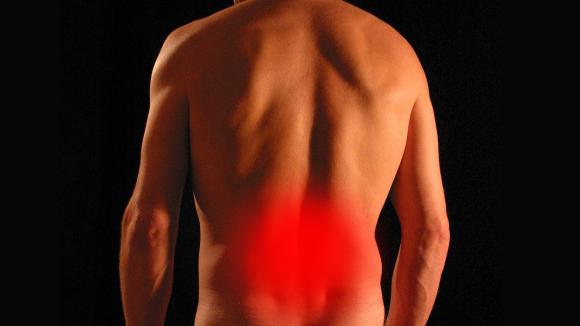
A comprehensive JAMA review synthesizes current evidence on the epidemiology, pathophysiology, clinical evaluation, and treatment of nonspecific low back pain, drawing on 108 publications identified from a PubMed search (2005–2026) and the most recent guidelines from the WHO, ACP, and NICE. While the primary audience is generalists, the review carries important implications for rheumatologists who regularly encounter patients with back pain in the context of inflammatory arthritis, axial spondyloarthritis, and other systemic diseases.
Dr. Jack Cush reviews the news, journal reports and best ways to review EULAR 2026.
In an oral abstract presentation on Wednesday 3rd June, Fredrik Albach presented results for mivocabtagene autoleucel – an autologous, fully human CD19-directed CAR-T cell therapy – from Phase 1 of the prospective, open-label COMPARE trial in six patients with anti-citrullin

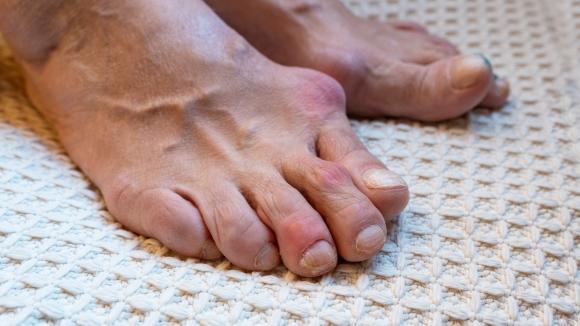
New EULAR 2026 data show continued treat-to-target ULT beats a discontinuation strategy for maintaining gout remission (79.2% vs. 62.9% flare-free), though many who stopped still stayed flare-free. A companion study links gout and rheumatoid arthritis to distinct, adverse body fat patterns tied to higher diabetes and cardiovascular risk.
Late-breaking abstracts presented at the European Alliance of Associations for Rheumatology's (EULAR) annual meeting, held here last week, addressed a wide range of clinical conc

On the final day of EULAR 2026, Mukhtyar et al (on behalf of a large international task force) presented the updated EULAR recommendations for management of polymyalgia rheumatica (PMR), giant cell arteritis (GCA), and Takayasu arteritis (TAK). There were 5 overarching principles and 12 recommendations.

The RA-BRIDGE and RA-BRANCH studies were presented as a late-breaking abstract at EULAR 2026. This was the pooled results from two large FDA post-marketing commitment safety trials — RA-BRIDGE (global) and RA-BRANCH (US-only) — comparing baricitinib at 2 mg and 4 mg daily against TNF inhibitors (etanercept or adalimumab) in RA patients specifically enriched for venous thromboembolic event risk factors.



By downloading this material, I acknowledge that it may be used only for personal use and personal education and that I will accredit RheumNow.com as the source and owner of this material. Commercial use or mass reproduction of this material without permission from RheumNow (info@rheumnow.com) is prohibited.


