Lyrica (pregabalin) was first approved in 2004 and since has been studied and approved for use in neuropathic pain (associated with diabetic neuropathy), postherpetic neuralgia, partial onset seizures, fibromyalgia and neuropathic pain with spinal cord injury.

All News
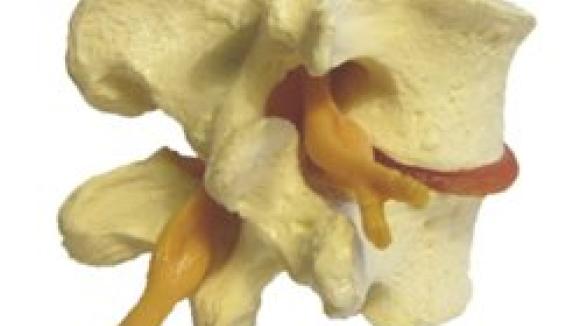
A a randomized trial published in Annals of Internal Medicine shows that intradiscal glucocorticoid injection has limited (1 month) efficacy in treating low back pain (LBP) associated with active discopathy, yet decreased over time.
The American Academy of Orthopaedic Surgeons announced five measures that inappropriately increase costs in those undergoing total knee replacement (TKR). Data was presented yesterday at the annual 2017 AAOS Annual Meeting in San Diego.
The Washington Post has reported on the variable laws, views and use of marijuana in treating pain.
Currently 1.4 million patients in 28 states use legal medical marijuana for a variety of medical conditions - chronic pain being one.
The American College of Physicians (ACP) recommends that physicians avoid prescribing drugs, especially narcotics, for patients with acute or subacute low back pain.
Poorer and less-educated older Americans are more likely to suffer from chronic pain than those with greater wealth and more education, but the disparity between the two groups is much greater than previously thought, according to new research.
The George Institute for Global Health has performed a systematic review of drugs used to treat back pain. Their findings, published in the Annals of the Rheumatic Diseases, shows that only one in six improve their pain with NSAID therapy.
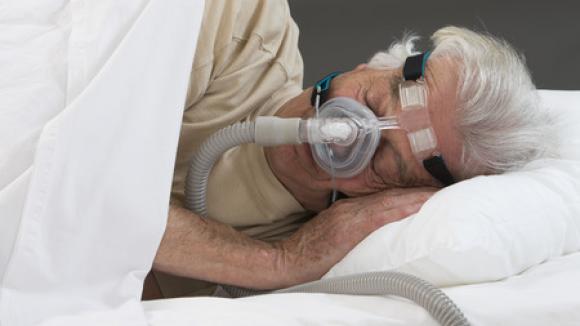
A JAMA article presents the US Public Health Task Force review of OSA testing.
RheumNow will periodically report safety issues as Drug Safety Bulletins. These will update you with safety issues, label changes and reports of new, ongoing and resolved drug shortages that affect rheumatology. If you have suggestions or information about specific drug shortages or drug safety issues, please email us at info@rheumnow.com.
Dr. Jack Cush reviews highlights from the past week on RheumNow.
The European League Against Rheumatism (EULAR) recommendations for fibromyalgia (FM) management were published in 2007 and largely had recommendations based on expert opinion’. These guidelines were updated in May of 2015 after a systematic reviews and meta-analyses of the data.
A randomized trial of 537 knee osteoarthritis (OA) patients in the Duke Healthcare system has shown that patient- and provider interventions were no better than the usual standard of care.
The current online edition of JAMA examines the evidence from 27 clinical trials and 1767 patients to assess the impact of intra-articular corticosteroids in patients with knee osteoarthritis (OA).
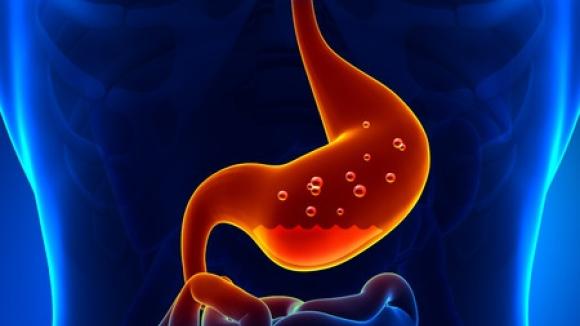
There are more than 11 million proton pump inhibitor (PPI) prescriptions written each year in the United States. While these agents have dramatically changed the management and outcome of upper gastrointestinal (GI) erosive and inflammatory disorders, their use has not been without safety concerns.
A study by the American College of Physicians (ACP) found that physicians continue to prescribe treatments that offer little benefit to patients, despite the advice of clinical guidelines.
The opioid abuse epidemic is well known and the focus of many regulators and health care personnel. The problem also affects the youngest Americans, according to a recent Washington Post article.
The Wall Street Journal has reported an alarming trend in generic drug pricing that affects many, especially the elderly and those with arthrtis.
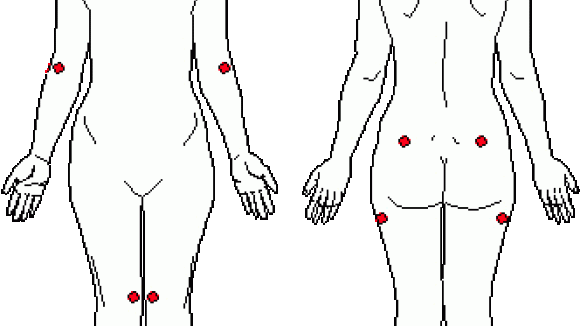
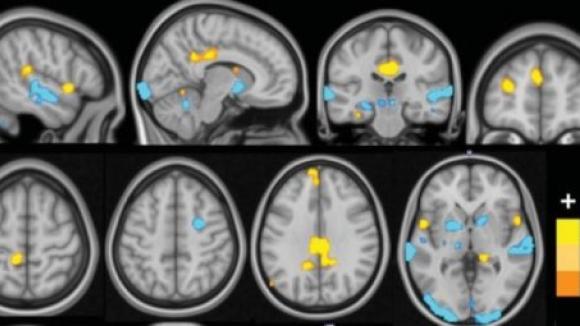
Fibromyalgia is a well characterized condition with disordered pain processing. Although the clinical constellation and diagnostic clues are well characterized, FM lacks a diagnostic biomarker and most imaging and tissue diagnostics have been unrevealing.
Low back pain (LBP) is the fifth most common reason for all physician visits in the United States and nearly 25% of all U.S. adults have had LBP in the last 3 months and nearly 6% reported at least 1 episode of severe acute low back pain in the last 1-year.
Low back pain (LBP) is a highly prevalent public health problem. Not surprisingly, imaging of LBP is also an expensive and often overused diagnostic tool.