
Article
Dr. Jack Cush reviews the news and journal reports from the past 2 weeks on RheumNow.com; but begins with a discussion of what constitutes "immunosuppression" and how it applies to our patients.

Search for Terms or Answers
Dr. Jack Cush reviews the news and journal reports from the past 2 weeks on RheumNow.com; but begins with a discussion of what constitutes "immunosuppression" and how it applies to our patients.

The NEJM has published the results of CD19 B cell depletion (by CAR-T cell therapy) in autoimmune disease patients, demonstrating it to be feasible, safe, and efficacious.

The ARIAA trial tested the utility of IV abatacept in individuals ACPA+ arthralgia patients with subclinical inflammation and showed abatacept to decrease MRI inflammation, clinical symptoms, and risk of future rheumatoid arthritis (RA) development.

Abatacept has been studied in seropositive clinically suspect arthralgia patients (at risk for rheumatoid arthritis) and shows the potential to delay or prevent the disease.

Dr. Jack Cush reviews the journal reports from the past week on RheumNow.com. Highlights are summarized by three songs: "Stairway to Heaven", "You're No Good", and "How Long (has this been going on)".
A study from a large metropolitan registry of psoriatic arthritis (PsA) patients showed several racial and/or ethnic groups are underrepresented and demonstrate differences in disease activity.
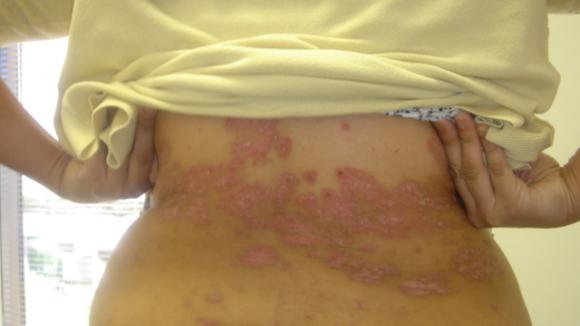
US commercial insurance claim analysis of laboratory screening and monitoring practices in chronic inflammatory skin disease (CISD) patients shows that < 60% received the recommended pretreatment testing when starting systemic immunomodulatory treatment.

A prospective study of the BioSTAR registry estimates the prevalence of cardiovascular disease in rheumatoid arthritis (RA) to be 4.6%.

The American College of Rheumatology (ACR), on behalf of over 9,100 rheumatologists and rheumatology professional team members, applauds the Centers for Medicare and Medicaid Services (CMS) for finalizing its Advancing Interoperability and Improving Prior Authorization Processes for Medicare Adva

On 1-19-2024, the Food and Drug Administration (FDA) issued a Drug Safety Communication about the risk of severe hypocalcemia in chronic kidney disease (CKD) patients taking denosumab for osteoporosis, with an accentuated risk in older women who are dialysis-dependent.
This report is an update to their November 2022 investigation, the results of a related study being recently reported in JAMA.

Dr. Jack Cush reviews the news and journal reports from this past week on RheumNow.com. How good (or not) are rheumatologists and what to do about MTX nodulosis?
SPACE study of adults referred to rheumatology with less than 2 years of chronic back pain (CBP), shows that only one-third can be reliably diagnosed with axial spondyloarthritis (axSpA).

Prior authorizations and paperwork are killing medical providers; the good news is that a new CMS rule may lessen the burden.
The Centers for Medicare & Medicaid Services (CMS) has announced that they have finalized the CMS Interoperability and Prior Authorization Final Rule, designed to improve prior authorization processes and reduce burden on patients, providers, and payers, with a resultant $15 billion of estimated savings over ten years.

British women whose capability of bearing children either started late or ended early -- naturally or otherwise -- were at increased risk for developing rheumatoid arthritis (RA), compared with women with earlier menarche or later menopause, researchers found.

EULAR has published the 2023 updated recommendations for the optimal non-pharmacological management of hip and knee osteoarthritis (OA).
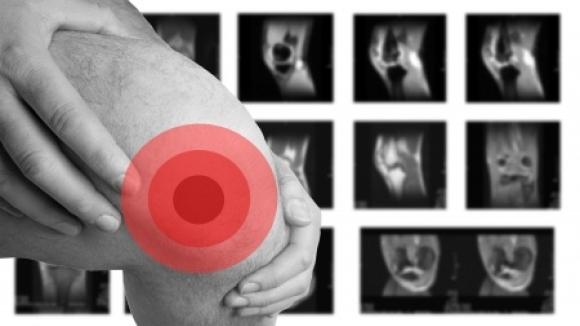
A study published in Nature suggests that therapies affecting sodium channels could be employed to treat osteoarthritis.

Dr. Jack Cush reviews highlights, advances and hot topics in rheumatology from 2023 and the RheumNow website.
2023 was a year of growth and new horizons while returning to operational and practice standards (in care and education) established before the pandemic.

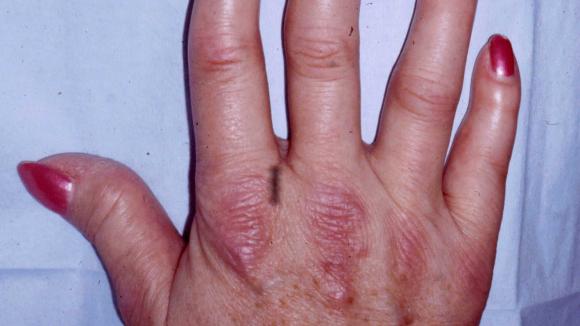
A cohort study suggest that patients with dermatomyositis (DM) are at an increased risk for multiple comorbidities, including chronic kidney and cardiovascular disease,
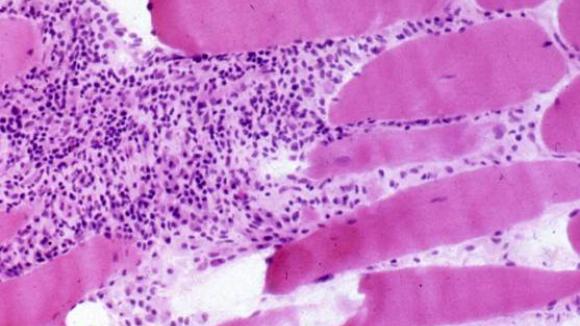
A JAMA Dermatology systematic review of drug-induced dermatomyositis (DM) found the most commonly implicated agents include hydroxyurea, immune checkpoint inhibitors, statins and lipid-lowering agents, penicillamine, and tumor necrosis factor inhibitors.
Here is my top 10 list (in no particular order) of 2023 advances, game-changers, and developments that changed, or will soon change, rheumatologic practices.

By downloading this material, I acknowledge that it may be used only for personal use and personal education and that I will accredit RheumNow.com as the source and owner of this material. Commercial use or mass reproduction of this material without permission from RheumNow (info@rheumnow.com) is prohibited.