

All News

The Shame Behind Adalimumab Biosimilars
JAMA has an article this week on the shift from biologic drugs to less expensive therapeutic biosimilar agents. The impact of biosimilars can be easily represented by the shift from adalimuamb - a biologic with nearly $19 billion in sales in 2018 - to any one of the four FDA approved biosimilars for adalimumab (see the daily download for slides on new adalimumab and other biosimilars).
Read Article
RheumNow Podcast – The Shoes Maketh the Doctor (10.25.19)
Dr. Jack Cush reviews the news and journal articles from the past week on RheumNow.com.
Read Article
Pain Persists Despite TNF Inhibitor Use
Control of pain in patients with rheumatoid arthritis (RA) often focuses on control of inflammation as a means to better control pain.
Read Article
Adalimumab and Pregnancy Outcomes
A prospective study of birth outcomes to mothers exposed to adalimumab (ADA) between 2004 and 2016 was conducted by Organization of Teratology Information Specialists (OTIS) Research Center at the University of California San Diego, and showed that ADA exposure was not associated with an increase
Read Article
Long Delays for Inflammatory Arthritis Patients
The National Rheumatoid Arthritis Society's (NRAS) annual audit has identified significant treatment delays for patients with suspected early inflammatory arthritis could result in unnecessary harm.
Read Article
Ixekizumab vs. Adalimumab in Psoriatic Arthritis
The Annals of Rheumatic Disease reports a psoriatic arthritis study where in ixekizumab was non-inferior to adalimumab for achievement of ACR50 responses but was superior to adalimumab for achievement of PASI100 by week 24.
Read Article
Parenteral Out-Performs Oral Weekly Methotrexate
A systematic review in PLOS suggests that parenteral MTX therapy is more successful than oral MTX in achieving optimal disease activity control.
Read Article
ACR Survey Shows Half of Patients Cannot Afford Treatments
Americans living with rheumatic disease face significant healthcare challenges, according to a national patient survey released this week by the American College of Rheumatology. More than 1,500 U.S. adults living with rheumatic disease responded to the survey, which asked a range of questions related to healthcare access, affordability and lifestyle. Key findings include that even though 90 percent of respondents reported having health insurance coverage, nearly 60 percent said they had difficulty affording their medications or treatments in the past year.
Read Article
RheumNow Podcast – The End of Arthritis (9.13.19)
Dr. Jack Cush reviews the news and journal articles from the past week on RheumNow.com.
Read Article
Respiratory Risks Not Increased in RA Patients with COPD
An insurance claims based study of RA patients with COPD shows that biologics do not have an increased rate of respiratory events compared to those on conventional DMARDs.
A real world cohort of RA patients with COPD was drawn from US-based MarketScan databases. Patients on biologic DMARDs and/or targeted synthetic DMARDs (tsDMARDs) were propensity matched to those on conventional synthetic DMARDs (csDMARDs).

RheumNow Podcast - I Wanna New Drug (8-30-19)
Dr. Jack Cush vents on choosing new therapies in rheumatoid arthritis.
Read Article
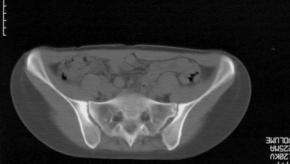
Taltz FDA Approved for Ankylosing Spondylitis (Radiographic Axial SpA)
The FDA has approved the IL-17A inhibitor Taltz (ixekizumab) for the treatment of adults with active ankylosing spondylitis (AS: also known as radiographic axial spondyloarthritis).
Read Article
ACR/SPARTAN Recommendations for the Treatment of Ankylosing Spondylitis and Nonradiographic Axial Spondyloarthritis
The American College of Rheumatology (ACR), in partnership with the Spondylitis Association of America (SAA) and the Spondyloarthritis Research and Treatment Network (SPARTAN), released the 2019 Update of the Recommendations for the Treatment of Ankylosing Spondylitis (AS) and Nonradiographic Axi
Read Article
RheumNow Podcast – Upadacitinib FDA Approved for RA (8.23.19)
Dr. Jack Cush reports on the news and journal reports from the past week on RheumNow.com, including: how your genetics may shape your microbiome; GERD as a risk factor for TMJ?; how can MDA-5+ dermatomyositis be any worse; new drug happenings; StillsNow.com; and more.
Read Article
Autoantibodies Don't Disappear With Remission in RA
Immunologic remission in rheumatoid arthritis, defined as the disappearance of anti-citrullinated protein antibodies and rheumatoid factor, was seen infrequently among patients achieving sustained clinical remission and did not correlate with the disappearance of symptoms, a long-term Dutch study found.
Read Article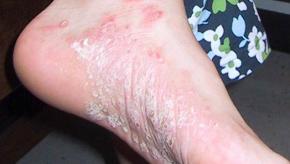
Skyrizi Outduels Humira in Psoriasis
A head-to-head trial has shown that risankizumab was significantly superior to adalimumab in providing skin clearance (PASI90) in patients with moderate-to-severe plaque psoriasis, with no difference in safety signals between the two agents.
Read Article
Trends in Inflammatory Arthritis Care in Germany
The German National Database (NDB) has reviewed their experience in the care and quality of life of inflammatory rheumatic disease patients snce 1993, showing improved use of metrics, improved outcomes and a changing profile of biologic and anti-rheumatic drug use.
Read Article
Enbrel Patent Battle Won by Amgen
The ugly, legal, financial underbelly of US biosimilar drug development showed up in court last Friday, when a U.S. judge upheld two of Amgen's patents for Enbrel, thwarting a legal challenge by Novartis/Sandoz over its etanercept-szzs biosimilar, Erelzi.
Read Article
Are Non-TNF Biologics Superior to TNF inhibitors?
Current ACR and EULAR guidelines list TNF-inhibitors (TNFi) abatacept, rituximab, and tocilizumab as being equally effective after methotrexate or as second line therapies when treating rheumatoid arthritis.
Read Article
RheumNow Podcast is up! When youre hot youre hot! Watch it on youtube>> https://t.co/GlqMzjUnhE or listen to the podcast in your car on iTues, Apple podcast or on Stitcher or SoundCloud>> https://t.co/a1zE7VXtog
Links:
Dr. John Cush RheumNow ( View Tweet)

