
Article
Dr. Jack Cush reviews highlights from the past week on RheumNow.

Search for Terms or Answers
Dr. Jack Cush reviews highlights from the past week on RheumNow.

SHARE (Single Hub and Access point for pediatric Rheumatology in Europe) was established in 2012 to optimise the diagnosis and treatment of several pediatric diseases. They have recently published their recommendations regarding the diagnosis and management of juvenile dermatomyositis (JDM).
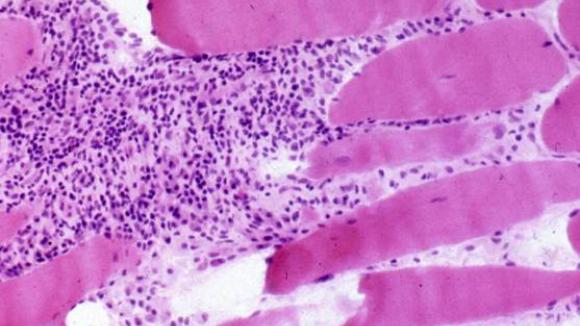
Rituximab has significantly changed the management of patiehts with ANCA-associated vasculitis (AAV). Yet the longitudinal assessment of such patients needs to be guideded by clinical and laboratory parameters.
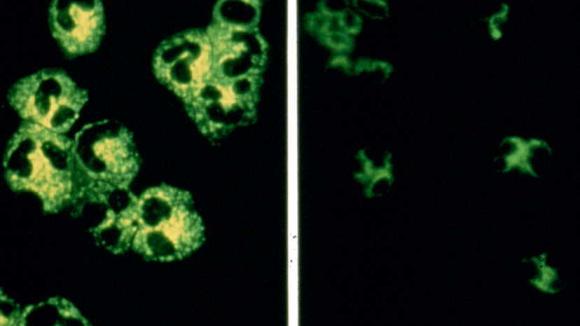
The 2017 Crafoord Prize from the Royal Swedish Academy of Sciences has been awarded to a Japanese scientists and two American scientists for their discovery and research on T regulatory cells (TRegs).

Dr. Jack Cush reviews highlights from the first week of 2017 on RheumNow.com.
Happy New Year!
A French multicenter study of primary Sjogren's syndrome (pSS) patients fulfilling the American–European Consensus Group criteria or enlarged American–European Consensus Group criteria were retrospectively studied based on having biopsy-proven renal involvement.

There are more than 11 million proton pump inhibitor (PPI) prescriptions written each year in the United States. While these agents have dramatically changed the management and outcome of upper gastrointestinal (GI) erosive and inflammatory disorders, their use has not been without safety concerns.
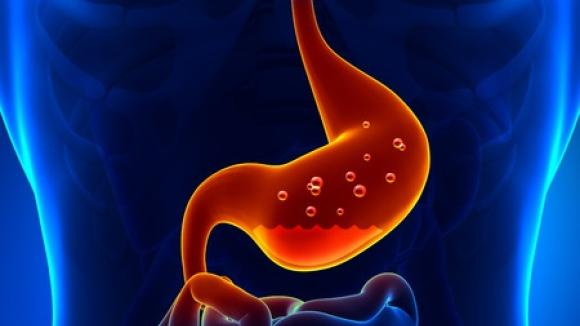
Dr. Jack Cush reviews highlights from this week on RheumNow.com
Researchers from Manchester, UK have reported the results of their BRAGGSS study showing that certolizumab (CZP) random drug levels and anti-drug antibody (ADAbs) levels can predict optimal outcomes in CZP treated rheumatoid arthritis patients.

Crescendo Bioscience has announced that it will have 4 poster presentations at the American College of Rheumatology 2016 Annual Meeting next week.

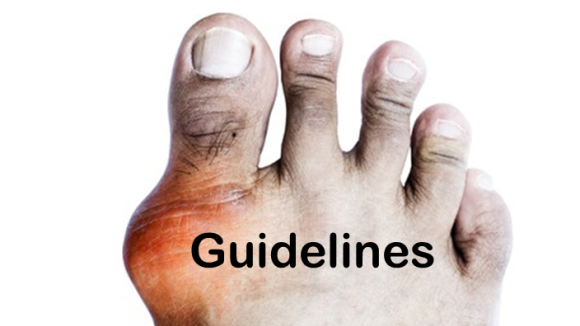
Dr. Jack Cush reviews highlights and reports from this week on RheumNow.com, including drug-induced cutaneous lupus, pediatric lupus being worse, new gout drug SEL-12, Gut microbiome and IgA plasmablasts, and the weakly-received new ACP guidelines on gout.
The rising incidence of gout has been directly linked to the obesity epidemic. The influence of obesity on gout was further tested in a cohort study of obese patients undergoing bariatric surgery as part of the Swedish Obese Subjects (SOS) study.

ACP released clinical practice guidelines for the diagnosis and management of gout. Interestingly, these are not always aligned with the 2012 ACR gout guidelines.
Rituximab (RTX) is a monoclonal antibody directed against the CD20 antigen on B cells and when administered causes a marked depletion of CD20+ B cells.

Serum antibodies precede the development of clinical rheumatoid arthritis (RAby) by many years, and yet we still have much to learn about this preclinical phase.

It has been long known that rheumatoid arthritis is associated with an increased mortality rate, especially in seropositive patients and those with extraarticular manifestations.

Dr Jack Cush reviews highlights from the news and journal articles appearing this week on RheumNow.com:
Dr. Jack Cush reviews highlights from the journals and news this week on RheumNow.com.
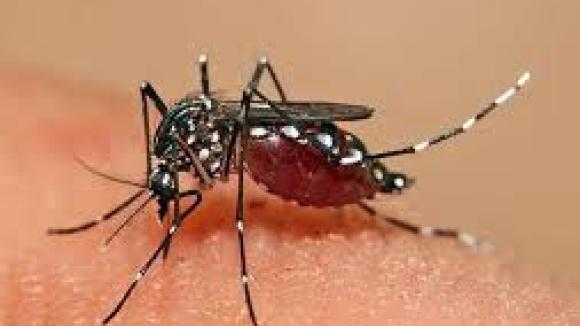
What does sex have to do with it? Although the Zika virus infection is known to be sexually transmitted, the same cannot be claimed for Dengue or Chikungunya.
Dr. Jack Cush reviews news and journal reports from the past week on RheumNow.com.
By downloading this material, I acknowledge that it may be used only for personal use and personal education and that I will accredit RheumNow.com as the source and owner of this material. Commercial use or mass reproduction of this material without permission from RheumNow (info@rheumnow.com) is prohibited.

