
Article
Tumor necrosis factor (TNF) receptor-associated periodic syndrome (TRAPS) is an autosomal-dominant autoinflammatory disease resulting from mutations of the TNF super family receptor 1A (TNFRSF1A) gene.

Search for Terms or Answers
Tumor necrosis factor (TNF) receptor-associated periodic syndrome (TRAPS) is an autosomal-dominant autoinflammatory disease resulting from mutations of the TNF super family receptor 1A (TNFRSF1A) gene.

The PROMISSE (Predictors of Pregnancy Outcome: Biomarkers in Antiphospholipid Antibody Syndrome and Systemic Lupus Erythematosus) study has revealed several important lessons in lupus care.

Dr. Jack Cush reviews highlights from the news and social media in the past week on RheumNow.com

In a variety of models, testosterone has been shown to be immunosuppressive and deficiency of testosterone has been linked with autoimmune disease and increases in C-reactive protein (CRP), tumor necrosis factor, and interleukin-6 (IL-6).

A substantial, but unclear, percentage of patients presenting with new onset inflammatory polyarthritis (IP) will spontaneously remit, while others may persist and develop rheumatoid arthritis (RA).
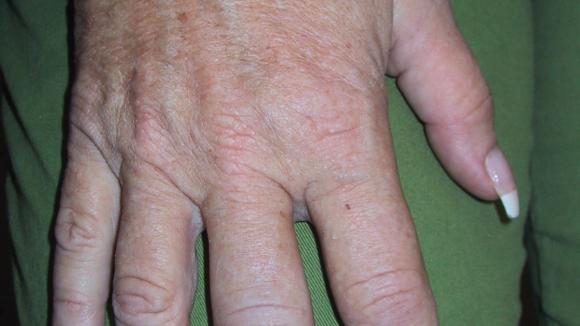
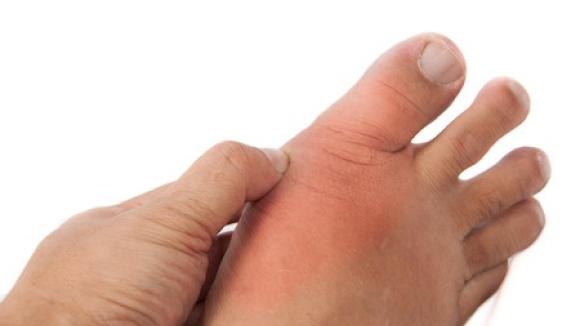
Two recent surveys show that gout patients are often uninformed, undertreated, improperly monitored and frequently stigmatized by their gout.

How would you manage rheumatoid arthritis patients with melanoma in situ, or high liver enzymes or interstitial lung disease? Curbside consults takes on these challenging therapeutic or safety issues with answers are based on experience, literature and guidelines.

Watch Dr. Cush discuss the highlights from this week on RheumNow.com.
Choi and colleagues analyzed US hospitalizations (2009–2013) to assess the frequency and racial distribution of patients hospitalized with Stevens-Johnson Syndrome (SJS) and Toxic Epidermal Necrolysis (TEN) related to the use of urate-lowering (ULT) therapy (predominantly allopurinol).

Dr. Jack Cush reviews the rheumatology highlights from the news, media, and journals from this past week:
It is estimated that 21% of laboratory tests are requested inappropriately. Researchers have explored the impact of educational programs for rheumatologists working at three rheumatology departments in secondary and tertiary care centers in The Netherlands.

Powell et al have published in Lancet a review of hemochromatosis; its genetics, pathogenesis, clinical manifestations and management.
Juvenile idiopathic arthritis (JIA) is clearly not related to rheumatoid arthritis and until recently has no identifiabile autoantigen linked to JIA.

Highlights from this week on RheumNow:

Renal impairment is a risk factor for gout and a barrier to optimal gout management. Many of the drugs used to treat gout require adjustment in those with renal disease.
CBC…it’s easy as 123! The complete blood count (aka, CBC) is the most routine, but indispensable, of all medical assessments.
Whether lupus activity is ameliorated by end-stage renal disease (ESRD) or transplantation has been debated.

14-3-3η is a new serum assay that has utility in diagnosing and treating patients with rheumatoid arthritis (RA) and early inflammatory arthritis (EIA).
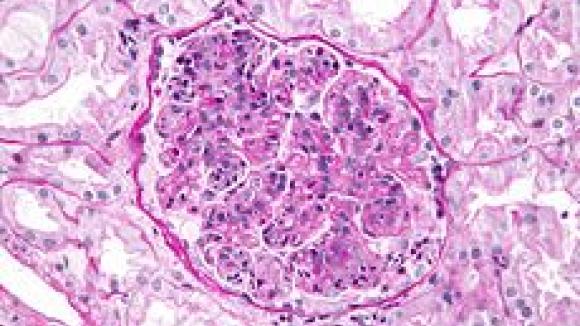
A recent report from the Mayo Clinic describes a 49 year-old patient with lupus nephritis who presented with new-onset hypertension, edema, arthritis, serositis and leukocytoclastic vasculitis, and who later developed glomerulonephritis and nephrotic syndrome.
Hanly and coworkers have reported the results of a large lupus cohort study involving 1827 patients. SLE patients were enrolled early in their disease (0.5 years) and were followed for a mean of 4.6 years.
By downloading this material, I acknowledge that it may be used only for personal use and personal education and that I will accredit RheumNow.com as the source and owner of this material. Commercial use or mass reproduction of this material without permission from RheumNow (info@rheumnow.com) is prohibited.

