All News
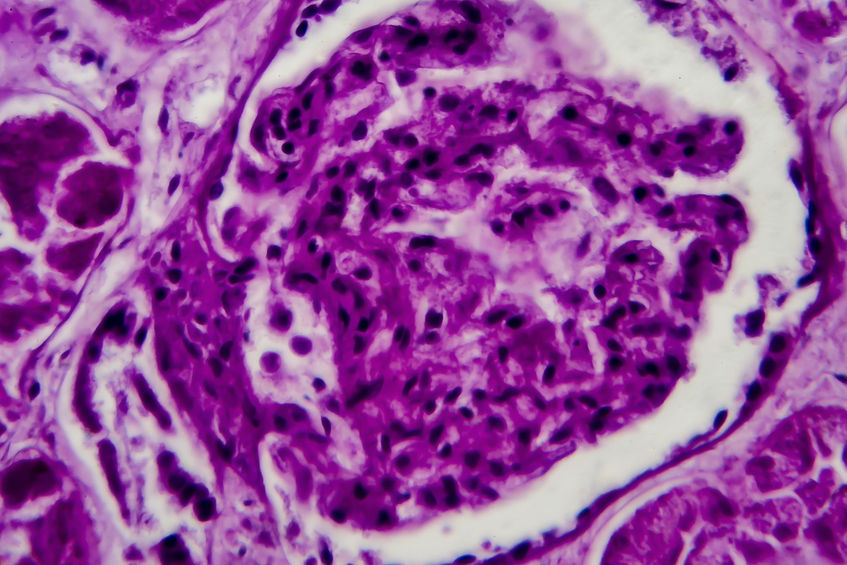
Tight control of proteinuria in newly diagnosed lupus nephritis
Since reduced proteinuria at one year is the best predictor of improved long-term renal outcomes in lupus nephritis, is there rationale to set a tighter treatment target?
Read ArticleThresholds of Hydroxychloroquine Blood Levels
Hydroxychloroquine remains the backbone of treatment for SLE, and the only drug clinically proven to decrease mortality. Optimization of usage is therefore critical in maximizing benefit and preventing harms. Hydroxychloroquine blood level testing is available in clinical practice and can help guide this management.
Read ArticleWas this a Mistake? HCQ Dose Reductions per AAOS Guidelines
In the wake of the 2016 AAOS Guidelines, rheumatologists dutifully reduced the dose HCQ take by patients with SLE to some number south of 5mg/kg per day. Though I believe the ophthalmologists correctly interpreted a 2014 paper in JAMA Ophthalmology that quoted a much-higher rate of HCQ associated retinopathy than had previously been appreciated, they and subsequent guidelines published in the field of rheumatology lacked a critical piece of information: what actually happens when you do this?
Read ArticleSLE: Variability in Racial Disparities in Pregnancy Outcomes
Significant disparities exist in pregnancy outcomes in women with systemic lupus erythematosus (SLE), with previous cohorts identifying Black women as having a higher risk of maternal mortality compared to White women with SLE.
Read ArticleACR 2022 Appraisal, Praise & Critique (11.18.2022)
It was great to be back at an ACR annual meeting, this one in Philadelphia - Philly was great. A walking town, rich in culture, history and good places to meet and mingle.
I loved the city, but not the convention center (not easy to navigate).
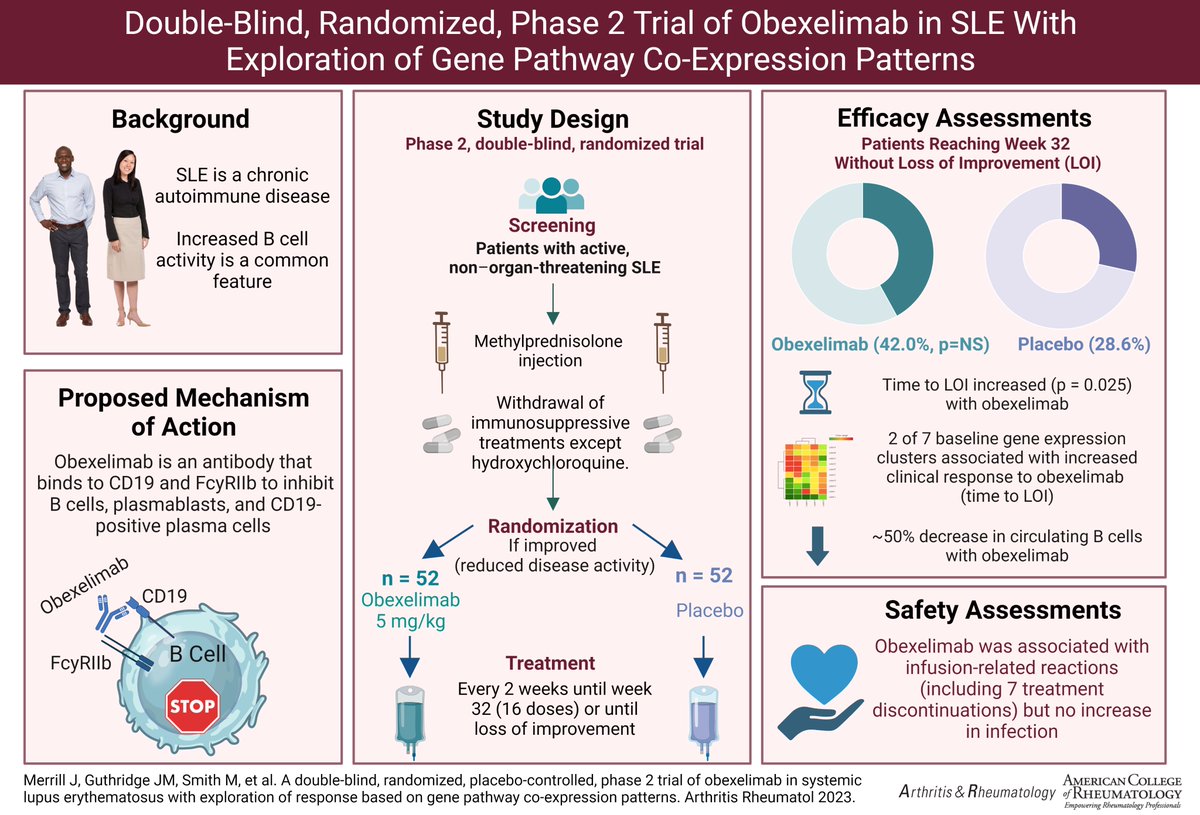
Read ArticleDual target blockade may be better than one in SLE
Inhibition of B-cell Activating Factor (BAFF) has revolutionised the treatment of patients with systemic lupus erythematosus. However, outcomes of therapies within the same class (i.e. BAFF-inhibitor) when evaluated in randomised controlled trials have been inconsistent.
Read ArticleThink Before You Order: Choose Wisely
Early in medical training, we are taught diagnoses are made 90% of the time based only on the history and physical exam of the patient; laboratory tests play a minor role. When ordered, tests are used as evidence to support the diagnosis already made by the physician.
Read Article
Links:
ACR_Journals ACR_Journals ( View Tweet)
Links:
Links:
Links:
Eric Dein ericdeinmd ( View Tweet)