
Article
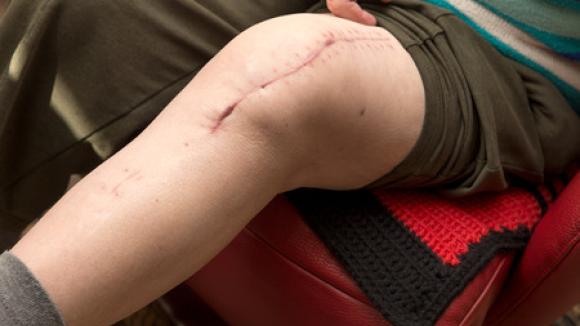
Reuters reports that patients with hip or knee replacements will now be followed for progress using their Apple watches.

Search for Terms or Answers
Reuters reports that patients with hip or knee replacements will now be followed for progress using their Apple watches.
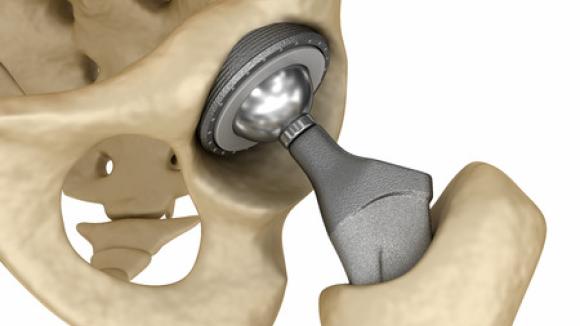
Several new trials suggest that conservative management may be as efficacious as arthroscopic surgery in patients with meniscal tears, thus contributing to the trend of fewer arthroscopic surgeries. A new trial of patients with nonobstructive meniscal tears shows no significant difference in 2 year outcomes between physical therapy and early arthroscopic partial meniscectomy.
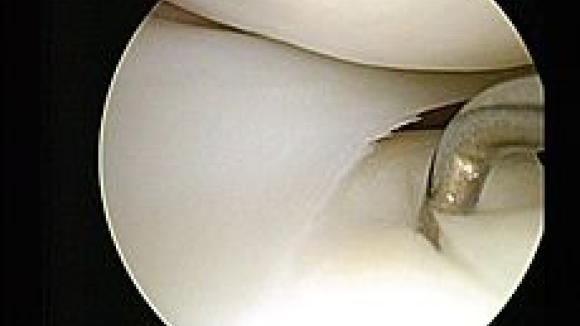
Dr. Jack Cush reviews the news from the past week on RheumNow.com, including news on inappropriate opioids, pre-clinical RA treatment, DMARDs in Gout, the decline of arthroscopy, and a pain in the mouth.

A JAMA Internal Medicine report has shown that the rate of arthroscopic surgery has significantly declined, in an era when arthroplasty and the incidence of osteoarthritis (OA) has increased.
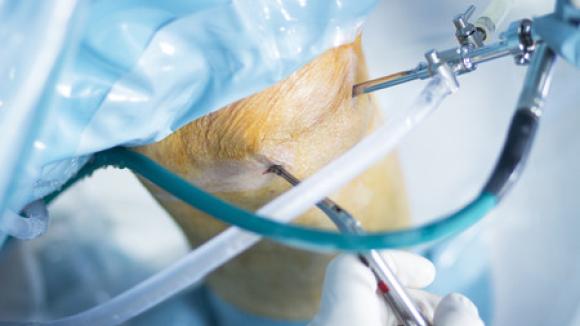
Dr. Jack Cush reviews the news and latest journal articles from the past week on RheumNow.com. Info on Surgery and Hip Fractures, Gout drugs abandoned, Allopurinol escalation, hydroxychloroquine drug levels, how to treat scleroderma in India and exactly who gets back pain.

CMAJ reports that seniors are more likely to survive a hip fracture if the surgery is done as soon as they’re admitted to the hospital - suggesting hospitals should expedite operating room access for patients whose surgery has already been delayed for nonmedical reasons.
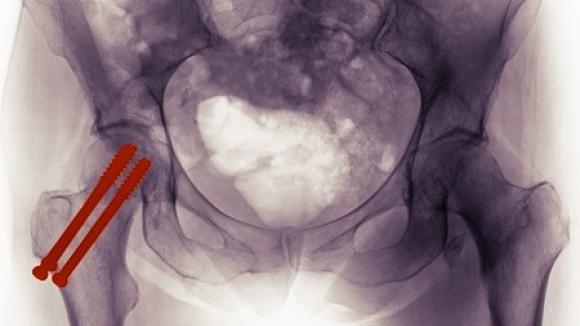
JAMA Surgery reports that arthroscopic partial meniscectomy (APM) is still one of the most common surgeries performed, despite evidence from large trials (eg, FIDELITY study) showing that APM is no more effective than exercise and physical therapy, especially in adults over age 65 years.
Dr. Jack Cush reviews the news and highlights from the past week on RheumNow.com.
Data from Swedish hip replacement registry finds that total hip arthroplasty not only improves quality of life, it is also associated with increased life expectancy that lasts for 10 years after surgery, especially in primary osteoarthritis patients.
Dr Jack Cush reviews highlights from the past week on RheumNow.com. This week’s video is in two parts; for part Ii, go to https://buff.ly/2BM9MjL

Many protocols call for anticoagulation after total hip or total knee arthroplasty to prevent venous thromboembolism (proximal deep-vein thrombosis or pulmonary embolism), and some reports have suggested a role for aspiring or direct oral anticoagulants as preventative therapy. The NEJM has reported that oral anticoagulation with rivaroxaban (Xarelto) followed by aspirin to be effective prophylaxis.
JAMA reports the results of a 5 year Finnish study comparing the results of laparoscopic sleeve gastrectomy vs Roux-en-Y gastric bypass and shows that gastric bypass yielded greater weight loss at 5 years, the difference was not statistically significant, in patients with morbid obesity.

Dr. Jack Cush reviews a dozen highlights from the past week on RheumNow.com.
The rate of small - but not large - joint surgery has dropped among patients with rheumatoid arthritis since 1995, a retrospective review of orthopedic surgeries found. By 2015, less than 1% of patients per year underwent small joint surgery, reported Ashima Makol, MD, of the Mayo Clinic in Rochester, Minnesota, and colleagues in Arthritis Care & Research.
A time-series analysis of incident rheumatoid arthritis (RA) patients seen between 1996 and 2011 in the Danish National Patient Register shows that the incidence of hip (THR) and knee replacements (TKR) began to decrease after the introdution of biologic agents for RA in 2002.
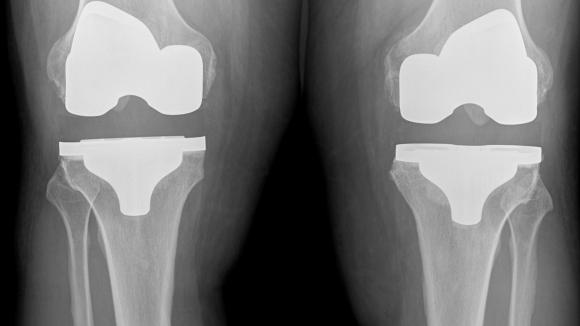
Reuters reports that patients who live in low-income communities and lack a college education may have worse pain after knee replacement surgery than their more educated neighbors, citing results from a recent study from the Hospital for Special Surgery in NY.
Staying on a TNF inhibitor (TNFi) throughout major surgery has generatlly been associated with higher rates of perioperative infection (https://buff.ly/2iBFVjp). On the other hand, discontinuation of the TNFi prior to surgery is associated with lower ra
Lancet reports that a common surgical intervention, arthroscopic sub-acromial decompression is ineffective compared to arthroscopy or no surgery at all.

During today’s plenary session Micheal D. George, et al. presented results of a study that sought to compare risk of post-op infections in RA patients undergoing arthroplasty exposed to biologic DMARDs versus methotrexate.

The American College of Rheumatology has partnered with the American Association of Hip and Knee Surgeons to develop consensus-based guidelines for perioperative management of antirheumatic therapies for patients with rheumatic diseases who plan to undergo total joint replacement.
By downloading this material, I acknowledge that it may be used only for personal use and personal education and that I will accredit RheumNow.com as the source and owner of this material. Commercial use or mass reproduction of this material without permission from RheumNow (info@rheumnow.com) is prohibited.