All News

Ozempic will change rheumatology
Many of our diseases are made worse by obesity, notably rheumatoid arthritis, psoriatic arthritis, and osteoarthritis. Much of the refractory pain and suffering from these conditions might be attributable to obesity, so active questions will be raised about how GLP-1 agonists can influence the diseases we treat.
Read Article
Off-Label Use of JAK Inhibitors in Orphan Diseases and Other Conditions?
When should you consider off-label use of JAKi?
Read Article
Standardizing Still’s Disease Research: Global Data Harmonization Needed
A recent study presented at #ACR24 convergence highlights significant gaps and inconsistencies in the research of systemic juvenile idiopathic arthritis (sJIA) and adult-onset Still’s disease (AOSD).
Read Article
Why should rheumatologists care about aging?
The global population is aging and none of our rheumatic diseases are immune to the impact of the complexities and so-called “geriatric syndromes”, including sarcopenia, frailty, falls and cognitive impairment, associated with the aging process. Whilst we are increasingly aware of these syndromes, it is sometimes overwhelming to consider just how we may incorporate the unique needs of our older patients into our already busy clinical practice – or perhaps until now we were unsure of their significance and relevance. Why should we care about aging?
Read Article
What Lies Beneath: Understanding Nailfold Capillaroscopy
Capillaroscopy is a non-invasive imaging technique used for the in vivo assessment of the microcirculation. kin capillaries at the nailfold are evaluated because the fingers are involved in pathological processes such as Raynaud’s phenomenon. Several abstracts and sessions on nailfold capillaroscopy were presented during ACR24.
Read Article
Novel and Emerging Therapies in Psoriatic Arthritis
Recent advancements in targeted therapies, including selective inhibitors of key inflammatory pathways, offer promising outcomes for patients with active psoriatic arthritis (PsA). At ACR 2024, there have been further developments in novel therapies in PsA.
Read Article
ICYMI: Taking AI Out of AutoImmunity: Predicting disease before it develops
the predictive value of a positive ANA test—especially in the absence of other clinical symptoms—remains a challenge. A positive test often leads to further testing, yet it does not necessarily indicate whether a patient truly has an underlying autoimmune disease. The development of AI and machine learning algorithms presents an opportunity to interpret autoantibody tests and predict autoimmune diseases. Here are three studies looking at this issue.
Read Article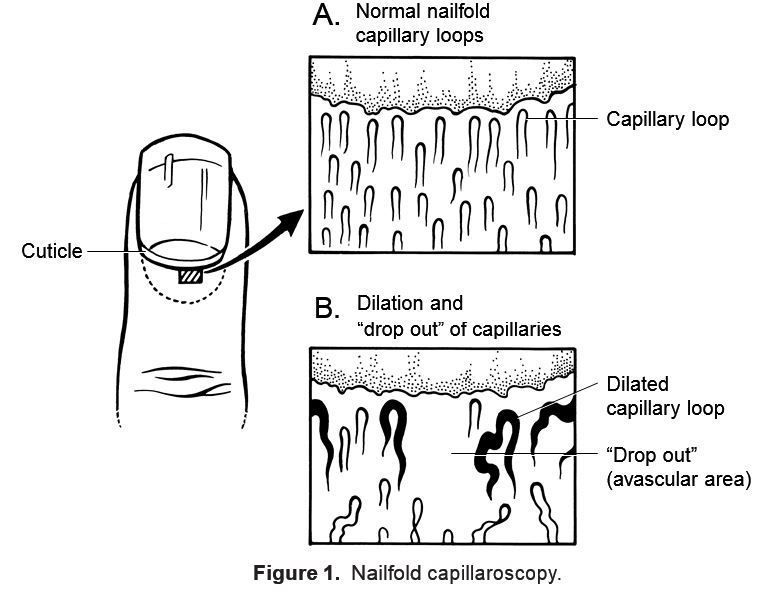



Links: