


The Efficacy of Ianalumab in Sjögren’s Disease Save

The NEPTUNUS-1 and NEPTUNUS-2 trials have showed that monthly ianalumab is superior of placebo at improving Sjögren’s disease activity at week 48, even though there was no significant ESSDAI response or in the change in SSSD or ESSPRI symptom scores.
These results were presented at the 2025 ACR Convergence meeting to much fan fare, but now we have the complete results published in the New England Journal of Medicine. Up until now, no biologics have shown efficacy in Sjögren’s in a controlled randomized study; this is partly because Sjögren’s is is a complex disorder with outcome measures that may not reflect the totality of this systemic disorder - hence there are no approved targeted therapies for Sjögren’s .
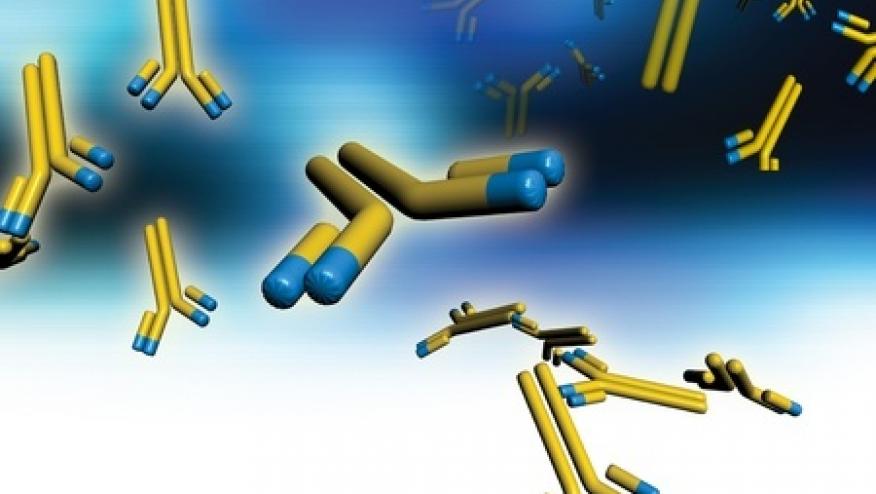
Ianalumab is an IgG1 monoclonal antibody that depletes B cells through antibody-dependent cellular cytotoxicity and also inhibiting B-cell activation and B-cell activating factor receptor (BAFF).
These two trials (NEPTUNUS-1 and NEPTUNUS-2) were run in parrallell and were 52-week, double-blind, randomized, placebo-controlled trials where active Sjögren’s disease patients were treated with either ianalumab or placebo. In the NEPTUNUS-1 trial patients received either monthly subcutaneous ianalumab (300 mg monthly) or placebo. In the NEPTUNUS-2 trial patients were randomized to receive either 300 mg of ianalumab monthly or every 3 months or placebo. The primary outcome was the week 48 change in the ESSDAI (European Alliance of Associations for Rheumatology (EULAR) Sjögren’s Syndrome Disease Activity Index).
A total of 275 patients were treated in the NEPTUNUS-1 trial and 504 in the NEPTUNUS-2 trial. For both studies monthly ianalumab showed a significantly greater decrease in the ESSDAI score at week 48 (compared to placebo; P=0.0496 in NEPTUNUS-1; P=0.04) in NEPTUNUS-2).
But there was no significant differences in ESSDAI responses (defined as a decrease of at least 5 points). In NEPTUNUS-1 trial, ESSDAI responders at week 48 was 57.4% with ianalumab monthly and 48.3% with placebo. In the NEPTUNUS-2 trial, the week 48 ESSDAI response was 59.8% with ianalumab monthly, 60.5% with ianalumab every 3 months, and 55.2% with placebo (NS). The same was seen with other measures like SSSD or ESSPRI that may have been numerically better, but not significantly so.
Serious adverse events were few and equal between ianalumab and placebo. Nonserious local injection-site and systemic injection-related reactions were more common in the ianalumab groups.
Why were these results mixed. Possibly because the main disease activity measure was the ESSDAI; a composite measure of activity that ranges from 0 to 123; and among the 779 Sjögren’s patient enrolled, the mean ESSDAI was roughly 12 (+/- 6) with only 25-37% having an ESSDAI > 13. Novartis has committed to doing another placebo-controlled phase III trial, THALASSA, in Sjögren's patients with high symptom burden.
Nonetheless the NEPTUNIS trials established the efficacy and safety of monthly ianalumab over placebo in treating active Sjögren’s disease patients.
The granted ianalumab Breakthrough Therapy Designation for active Sjögren's disease in January 2026, based on the positive results of these two Phase III trial results. A regulatory decision on ianalumab is expected by the end of 2026.
Continue Reading
Related Content


ADD THE FIRST COMMENT
Disclosures
Disclosures
The author has no conflicts of interest to disclose related to this subject






If you are a health practitioner, you may Login/Register to comment.
Due to the nature of these comment forums, only health practitioners are allowed to comment at this time.