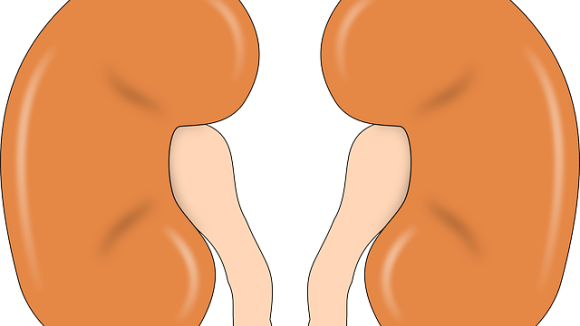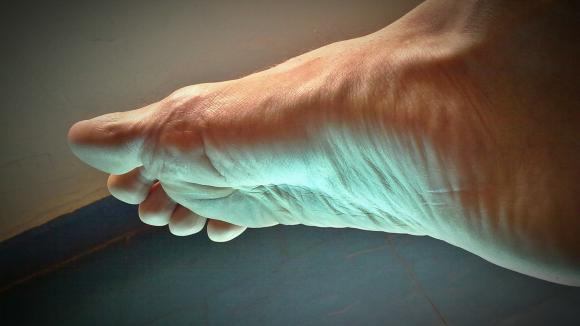
William James famously wrote in Pragmatism, “There can be no difference anywhere that doesn’t make a difference elsewhere.” Gout treatment offers a striking medical example of that idea. Drugs prescribed to calm flares or lower uric acid are designed with one primary goal in

For many people, gout is viewed as an episodic disease: a painful flare, a short course of treatment, and then life returns to normal. However, as rheumatologists, we know that recurrent attacks can lead to joint damage and tophi if left untreated. Furthermore, the true burden of gout extends
Dr. Jack Cush reviews the news, journal articles and Gout features from this past week on RheumNow.com.
While the link between uric acid and gout was first described by Alfred Baring Garrod in the 1800s, the proof that uric acid might actually be the cause had to await the self-experimentation of two rheumatologists from the University of Pennsylvania. Given some comments that the presence of
Gout is the most common inflammatory arthritis, but its burden is not shared equally across populations. Recent research has revealed substantial racial and ethnic disparities in both who develops gout and the care patients receive. These differences reflect not only genetic susceptibility but
The striking propensity for gout flares to initiate at night has been recognised for centuries. In 1683, Thomas Sydenham famously observed that the typical patient "goes to bed and sleeps in good health" only to be awakened around 2:00 AM by excruciating pain. More recent
Gout is all about the crystals and the consequences of the disease are due to the inflammation they cause. Getting rid of urate crystals is the ultimate goal in gout, as we now know that it leads to the risk zero of flares and it normalizes the cardiovascular risk level of patients