

What’s your next best approach to the rheumatoid arthritis (RA) patient who has failed several DMARDs and biologics? In such cases you have to either reconsider the diagnosis (especially if seronegative) or reach into your bag of tricks.
Dr. Jack Cush is joined by Dr. Michael Weinblatt as they discuss this weeks news and journal reports, including difficult RA, HLA typing and abatacept responses and new regulatory decisions.
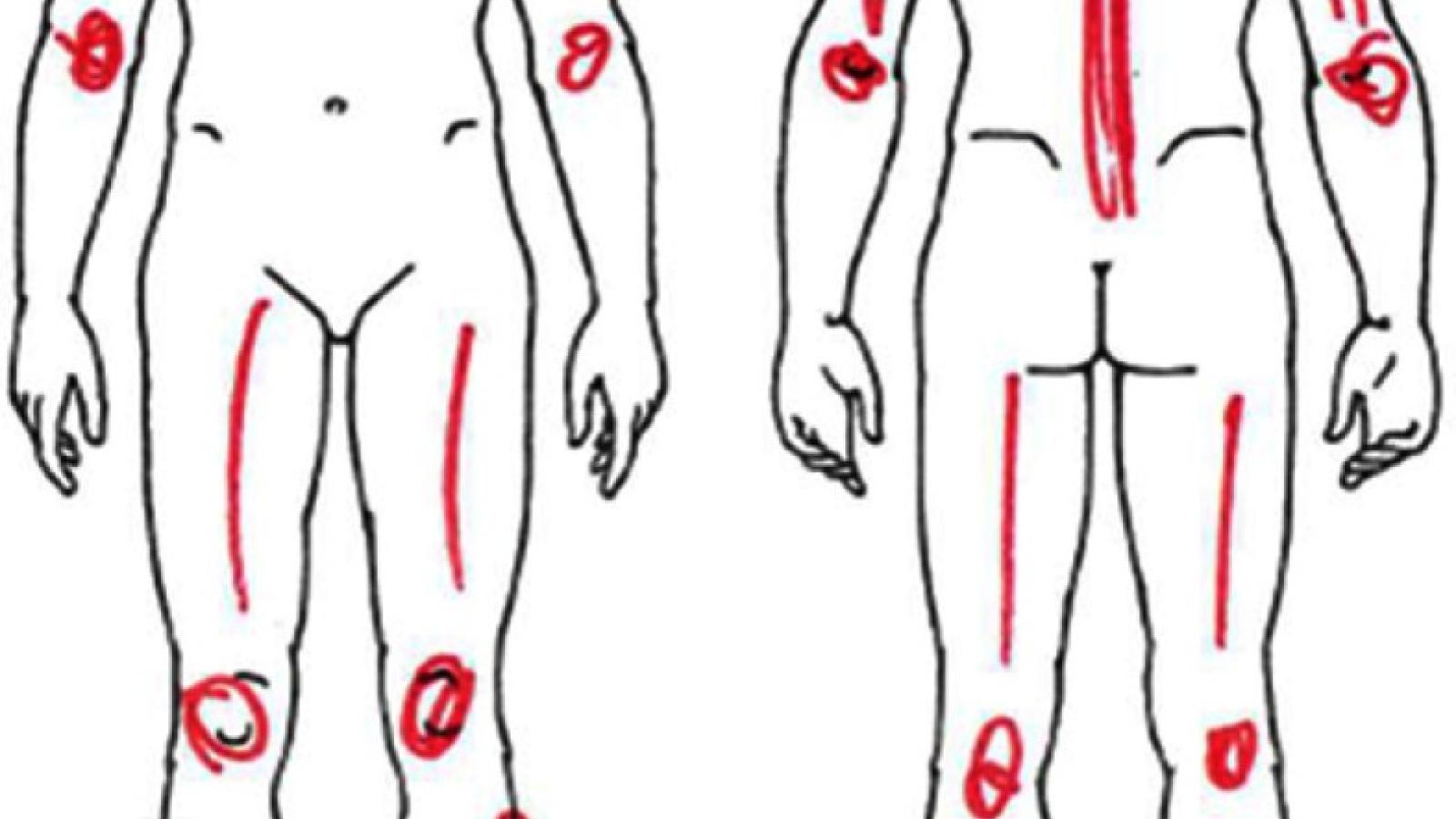
In a recent randomized clinical trial of patients with fibromyalgia, cognitive-behavioral therapy (CBT)—which uses structured techniques to alter distorted thoughts and negative moods—was superior to a matched education treatment in reducing the interfering effects of pain and other aspects of fibromyalgia on daily living.
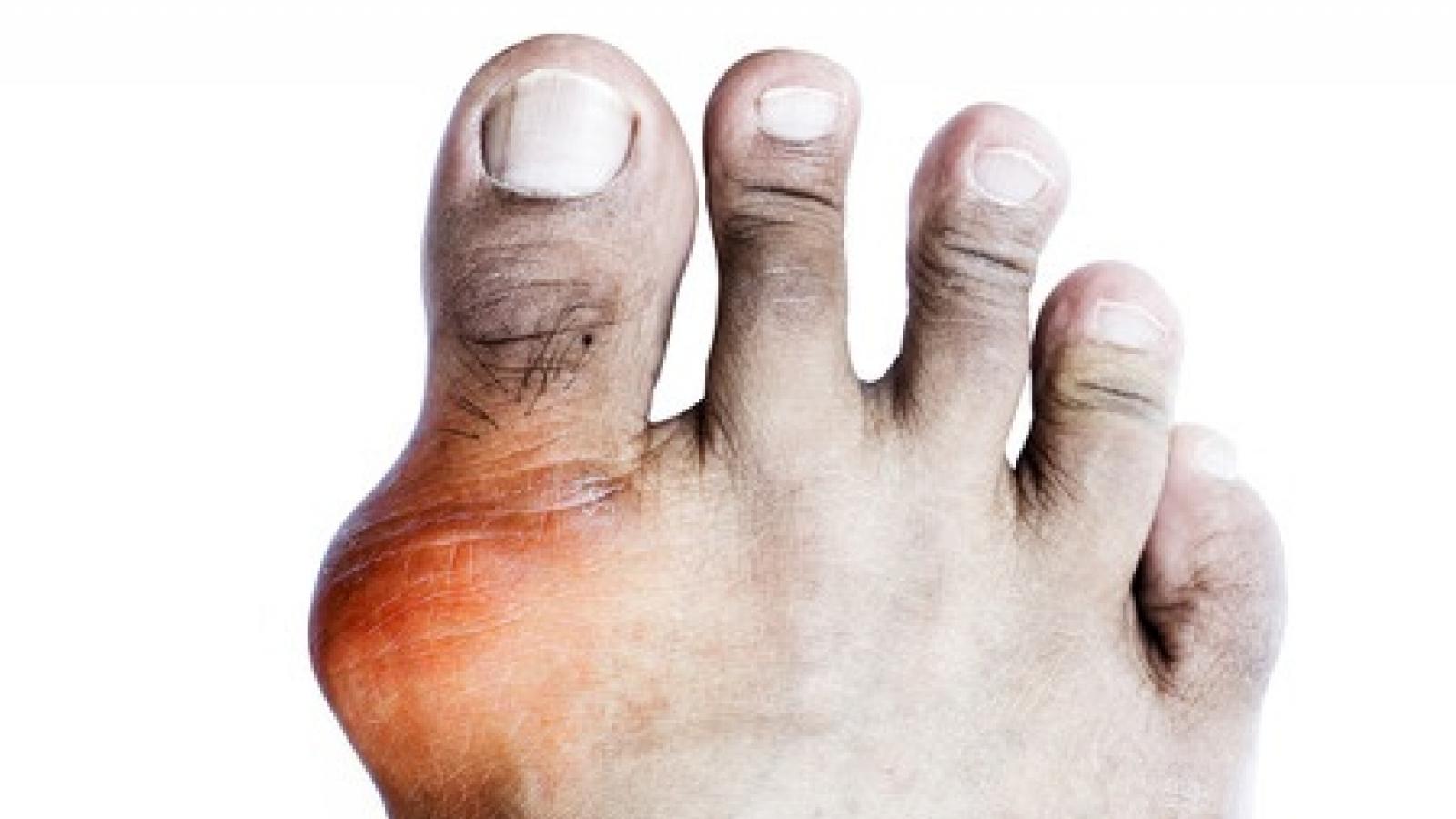
The FDA quietly approved the interleukin (IL)-1 inhibitor canakinumab (Ilaris) for gout 10 days ago, with no announcement from either the agency or the drug's manufacturer, Novartis -- leaving outsiders to guess at what changed in the dozen years since the company's first attempt to gain approval fell short.
We use biologic agents on a daily basis in the treatment of rheumatoid arthritis. Despite having an expanding array of options, our profession is keen on gaining a deeper understanding of why certain drugs fail and being able to predict the most appropriate next steps in treatment.

This Tuesday Night Rheumatology panel discussion on "Methotrexate Decisions" features Drs. Michael Weinblatt, Grace Wright, Richard Conway and Joel Kremer. The Panel discussed folate & MTX dosing, side effect management, MTX & lung disease and optimal monitoring, with many audience questions.

With the increasing development and use of new biologics and oral targeted therapies to treat RA and other immune mediated inflammatory diseases, an awareness of infection risk and prevention has become of increasing interest as well. While our patients may be susceptible to many different types of infections depending on immunosuppressive regimen, age and co-morbidities, I’ll highlight a few of the “usual suspects”.

A large cohort analysis of insured rheumatoid arthritis (RA) patients reveals that RA patients have a 1.69 to 2.08 fold higher risk of developing cancer, especially lymphoma or lung cancer, within 1 year of RA diagnosis.

Cancer is the most difficult DMARD risk to discuss with patients. Few warnings could scare people away from a drug faster than the words “may increase risk of cancer,” yet the risks (even when substantiated) have all been low and may be counterbalanced by the benefits of disease control.

A machine learning approach was applied to two different population cohorts and was shown to be effective at the early identification of undiagnosed psoriatic arthritis (PsA).

In 2016, EULAR posted recommendations for the management of cardiovascular risks in patients with rheumatoid arthritis and other inflammatory joint diseases. Three overarching principles emerged, but one caught my attention: “the rheumatologist is responsible for CV disease risk management.” It leaves no room for interpretation.
This week, Dr. Jack Cush reviews the news with special guest, Dr. Peter Nash. They discuss COVID Autoantibodies, SpA life expectancy, HCQ, extraarticular RA and our approach to Early RA referrals and pre-clinical RA.
I'm here to talk about de-escalation of DMARDs in patients who are in remission. Should you do it? Here's what I think.

Over four years after adalimumab biosimilars were first launched in the European Union and elsewhere, adalimumab biosimilars have finally become available in the United States.

Lung complications in RA remain a major issue, termed the “respiratory burden of RA.” Respiratory mortality is one of the leading causes of death for people with RA, particularly those with seropositive RA.

