

Dr. Jack Cush reviews the news and journal reports from this past week on RheumNow, and introduces our September campaign - "Hard Decisions in RA".

The American College of Rheumatology (ACR) has published evidence that rheumatologic care can save more than $2700 per patient per year.

The US Food and Drug Administration (FDA) has approved canakinumab (Ilaris) for the treatment of gout flares in adults who cannot be treated with NSAIDs, colchicine, or repeated courses of corticosteroids. The drug is also indicated for people who could not tolerate or had an inadequate response to NSAIDs or colchicine.

Patients with gout and type 2 diabetes treated with SGLT2 inhibitors not only had reduced numbers of gout flares, but also lived longer compared with other such patients receiving other medications, researchers said.
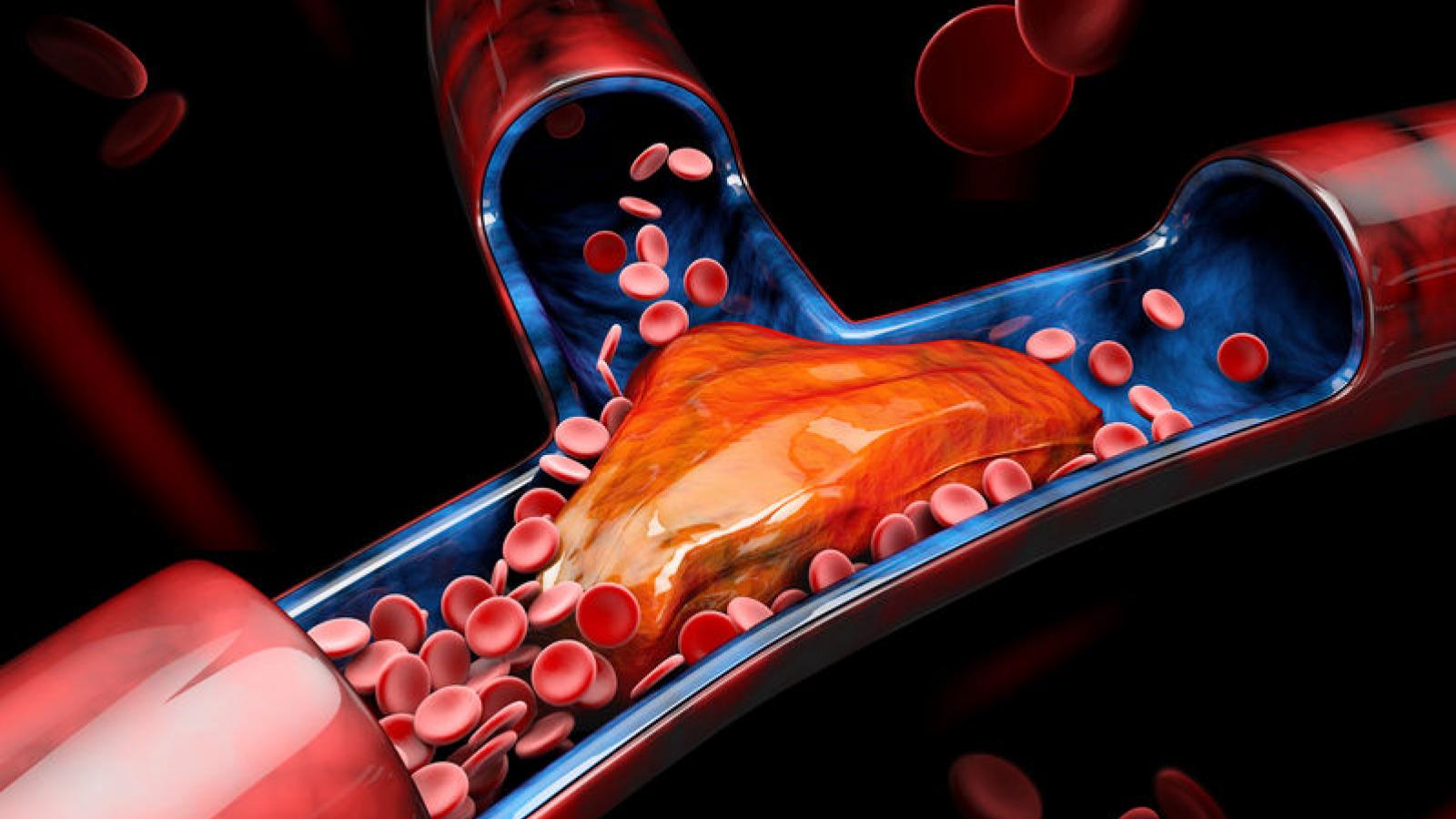
The American College of Rheumatology (ACR) and EULAR have combined efforts to establish an international multidisciplinary Steering Committee to develop classification criteria for the new antiphospholipid syndrome (APS) to be applied in observational studies and clinical trials.

Medical schools are rife with mentors. In my rheumatology fellowship I had tow great mentors, Peter Lipsky and Morris Ziff. They introduced me, and other young rheumatologists, to other rheumatology giants and mentors, including Dr. Naomi Rothfield - who they often spoke of as a leader worth following. She was engaging and inclusive. And she stood out as one of the few strong rheumatology department chairs in the 1980s.
Naomi F. Rothfield

Researchers have shown that gut microbiome differences may be associated with later development of juvenile idiopathic arthritis (JIA), and that such differences are present years before the disease is diagnosed.
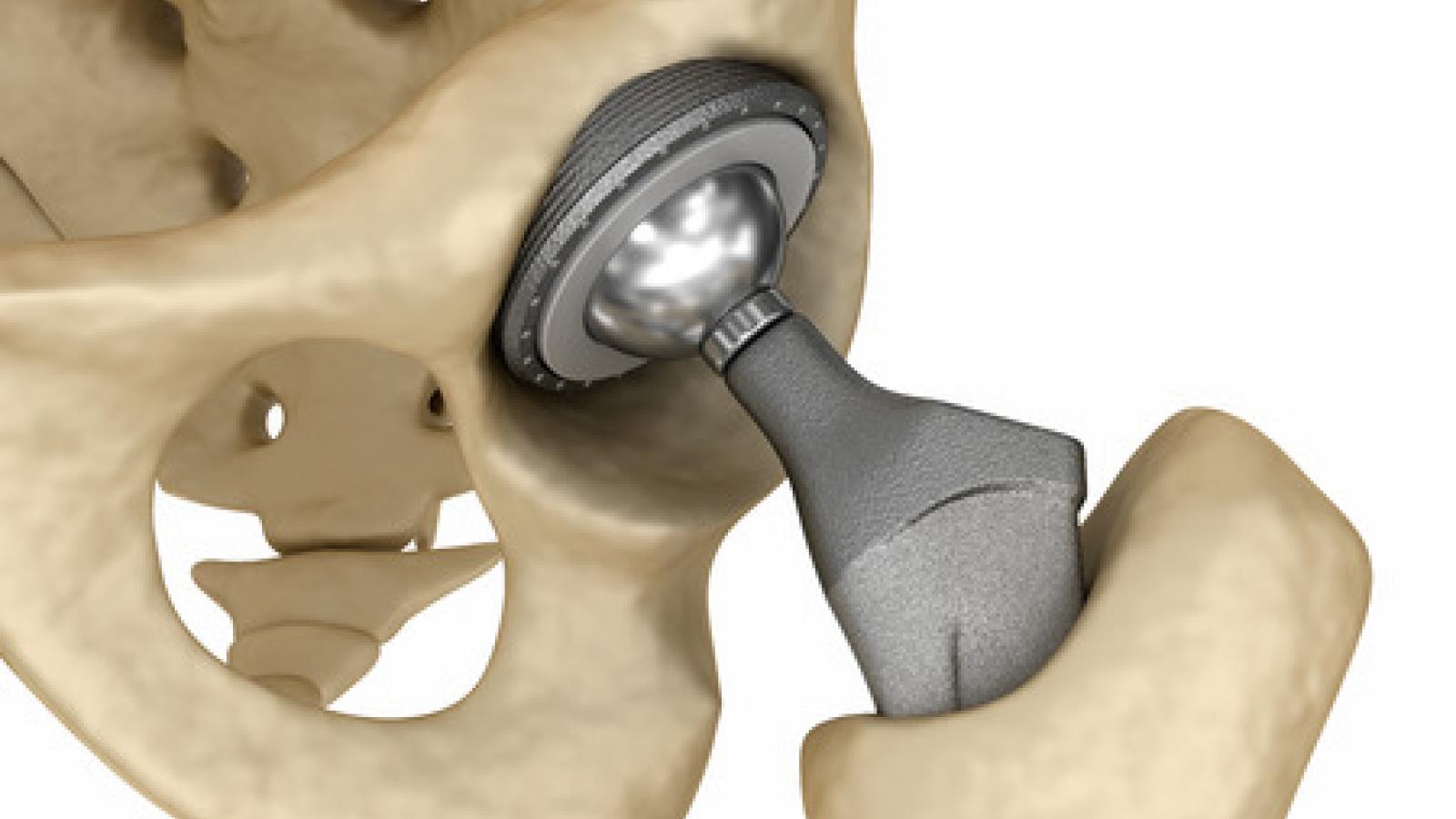
Potentially modifiable comorbid conditions and complications have a major impact on the risks of total hip arthroplasty (THA) for people in their nineties, reports a study in The Journal of Bone & Joint Surgery.
Dr. Jack Cush comments on the news and journal articles from the past week on RheumNow.com: VEXAS scoring, scleroderma sine scleroderma and head scratchers from southeast Asia.

A real-world rheumatoid arthritis (RA) cohort study from Israel shows significant variability of drug survival using biologic disease-modifying anti-rheumatics drugs (bDMARDs) and targeted synthetic DMARDs (tsDMARDs).
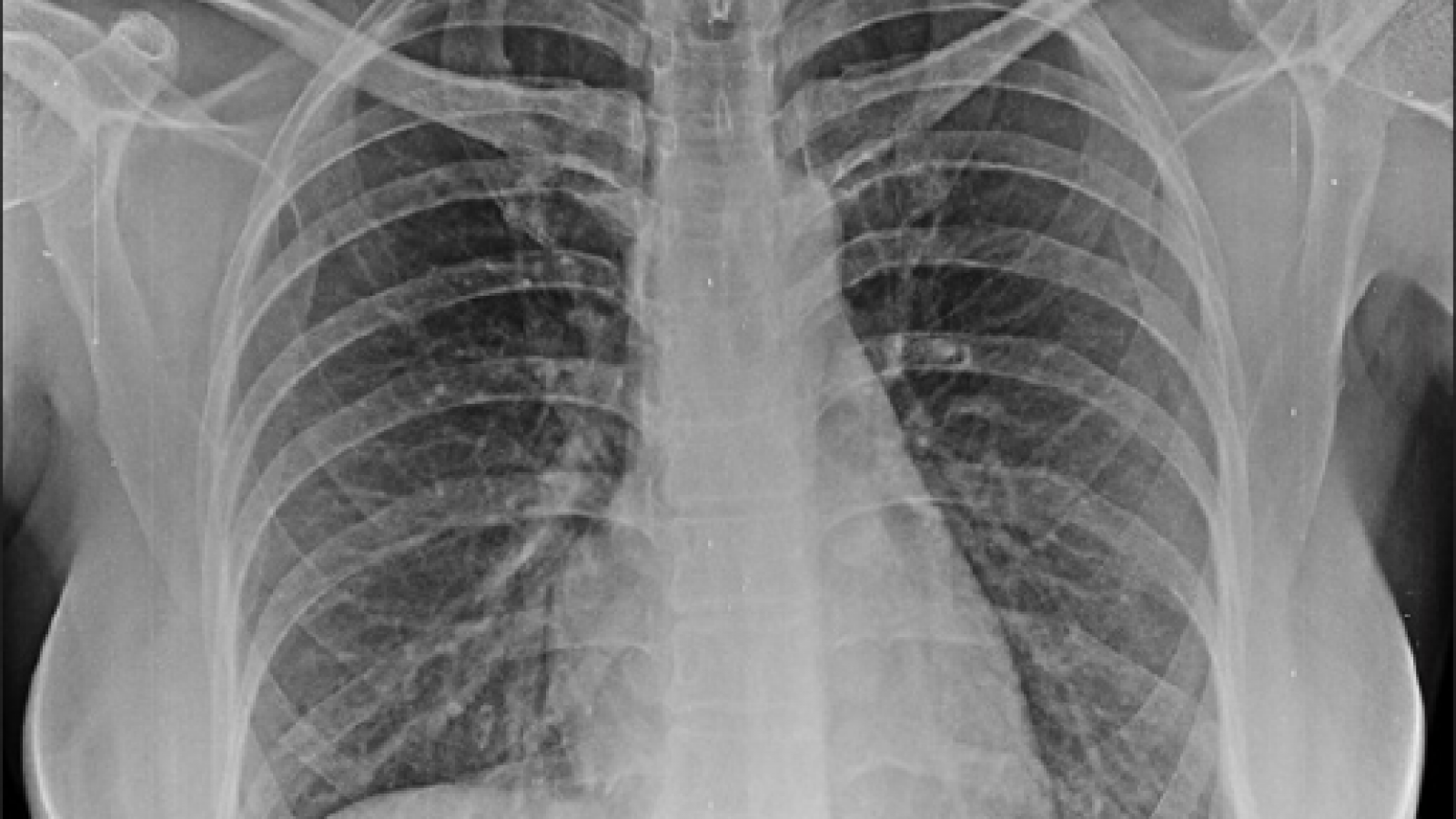
The American College of Rheumatology released summaries of two new guidelines for the Screening and Monitoring of Interstitial Lung Disease in People with Systemic Autoimmune Rheumatic Disease and for the Treatment of Interstitial Lung Disease in People with Systemic Autoimmune Rheumatic Diseases.

A recent Wall St. Journal essay (by AB Jena and C Worsham) suggests that a physician’s effectiveness has less to do with age than with how many patients they see and how well they stay up to date on research.
If admitted to the hospital would you rather your physician be in their 50s, or in their 30s, just out of residency or fellowship?
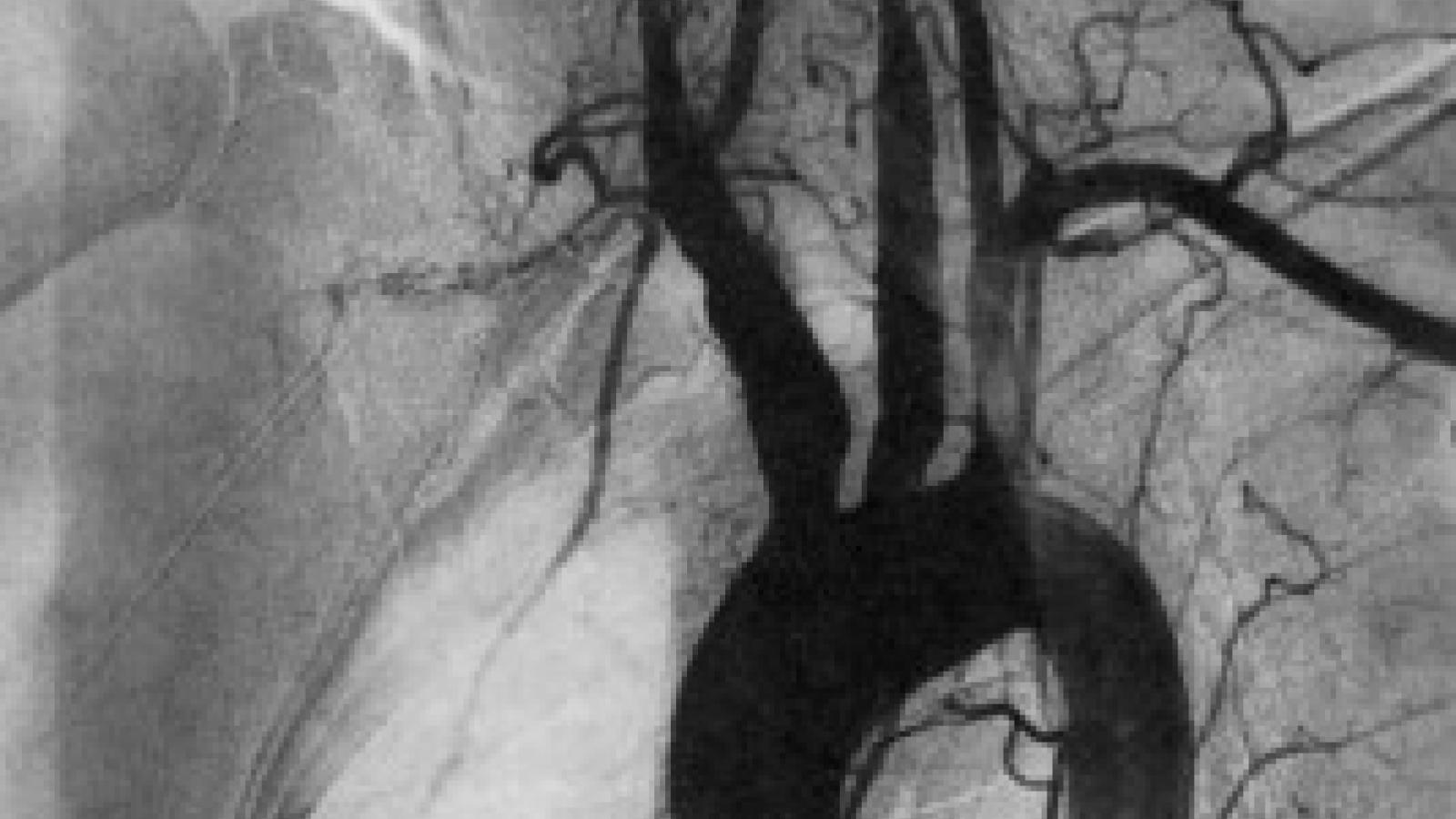
EULAR has published its expert consensus regarding the recommendations for imaging in the most common types of large vessel vasculitis (LVV) -- giant cell arteritis (GCA) and Takayasu arteritis (TAK). Imaging facilitates diagnosis and rapid management to prevent vascular damage and ischemic consequences (eg, blindness, aneurysm).

Medicare beneficiaries with ankylosing spondylitis (AS) incur frequent bone fractures, a new study indicated, with the risk boosted by some unsurprising factors but also including one that was not expected.
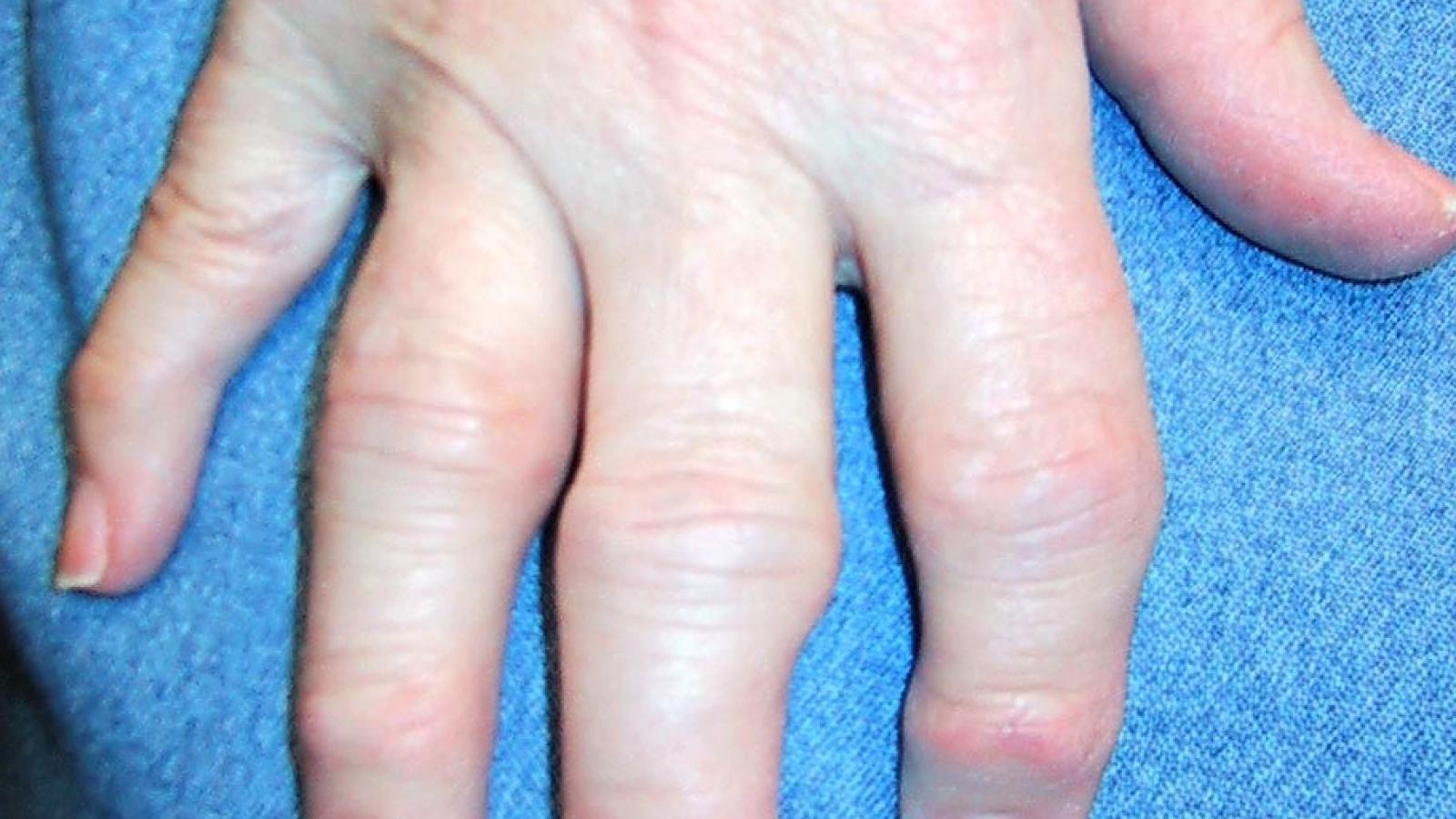
The Lancet reports a new study revealing that the most common form of arthritis, osteoarthritis, affects 15% of the global population over the age of 30.

