
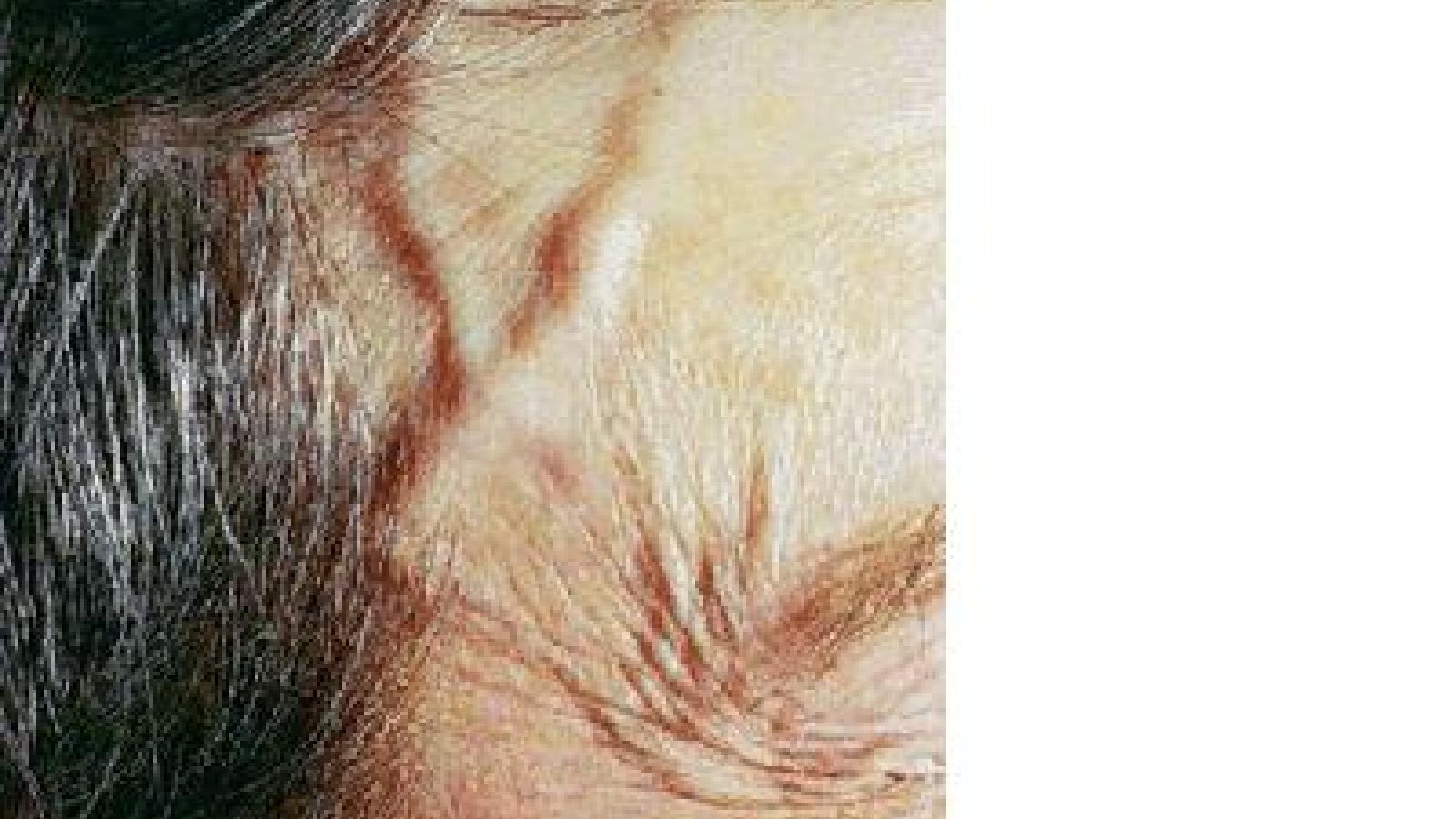
A phase 2 trial has demonstrated the efficacy of secukinumab, an anti-interleukin-17A monoclonal antibody, in patients with active giant cell arteritis (GCA).
Dr. Jack Cush reviews the news and reports from the past week on RheumNow.com. This week a new colchicine FDA approval, rising rate of IgG4 related disease and what's the safest biologic?

About 60% of adults aged 18 and over reported taking at least one prescription medication in 2021, with 36% reporting taking three or more. Out-of-pocket costs on retail drugs rose 4.8% to $63 billion in 2021. High costs may limit individuals’ access to medications and lead to people not taking medication as prescribed; this may result in more serious illness and require additional treatment.

The FDA has approved colchicine (Lodoco) for cardiovascular prevention in adults with established atherosclerotic disease or multiple risk factors, making it the first anti-inflammatory medicine with such an indication.

I may be a snarky, opinionated curmudgeon, but I'm an optimist when and where it counts. And I think you should join me.

An analysis of a large rheumatoid arthritis cohort sheds light on biologic disease-modifying anti-rheumatic drugs (bDMARDs) clustering that may be used in management, as certain clusters of b/tsDMARD correlated with disease activity over time.

Treatment advances with new biologic disease-modifying antirheumatic drugs (bDMARDs), targeted synthetic DMARDs (tsDMARDs) and biosimilar DMARDs (bsDMARDs) have proven efficacy and safety; but does their increased cost yield commensurate benefits in patients with rheumatoid arthritis (RA) and high disease activity?

While it is known that rheumatoid arthritis (RA) patients may be at risk for certain cancers, the question is which cancers and is this modified by therapy. This large, US claims analysis shows RA patients were nearly 2 times more likely (than those without RA) to develop lymphoma or lung cancer and that commonly used RA treatments were also unlikely to increase cancer risk.

A multinational registry analysis of rheumatoid arthritis (RA) receiving abatacept (ABA) has shown that the safety profile of ABA remains unchanged with no new or increased risks of infection or malignancy.
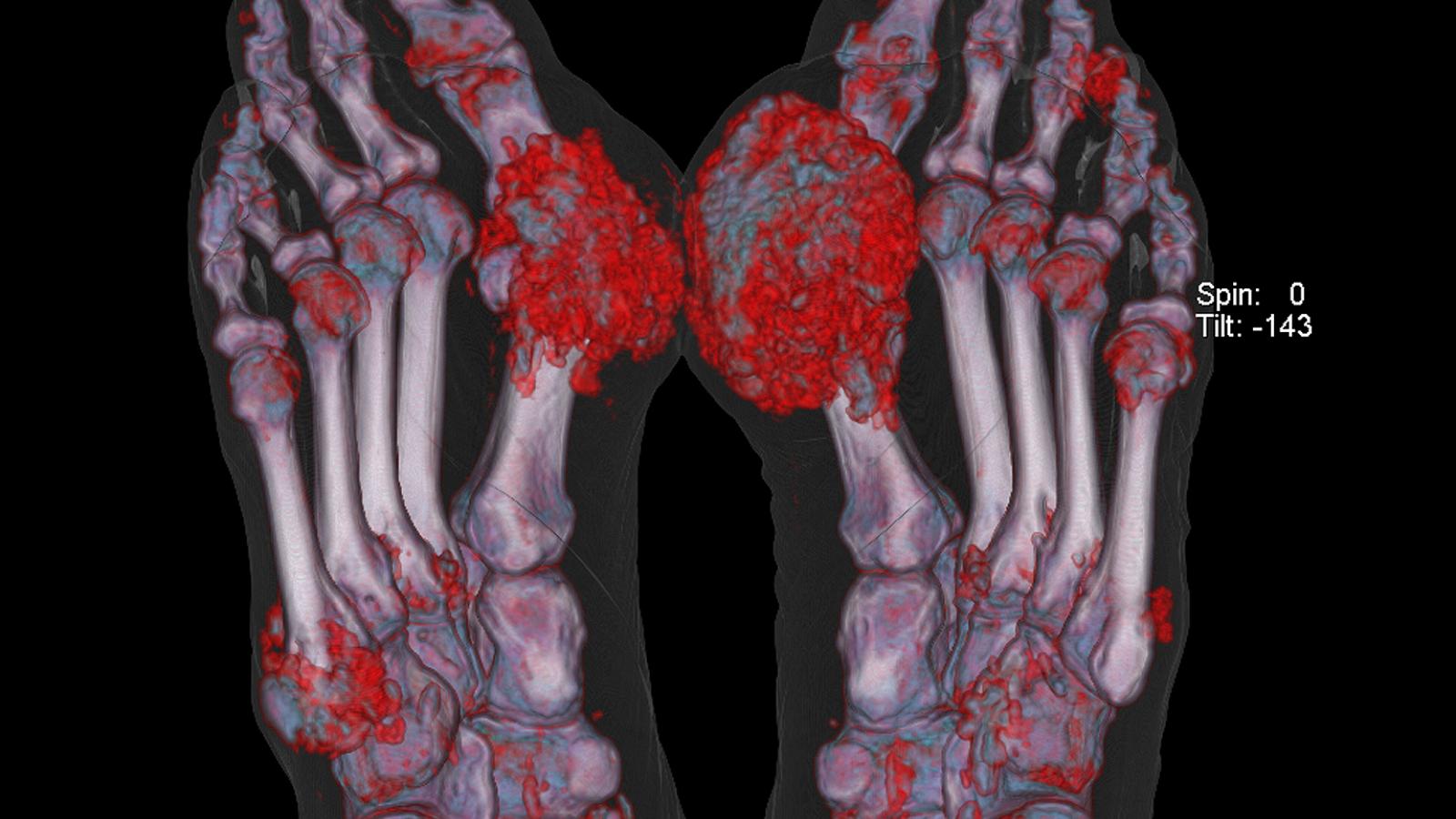
New recommendations on imaging for crystal-induced (gout, CPPD) arthritis (CiA) were presented at EULAR 2023 in Milan. These included 5 overarching principles & 10 recommendations on the role of imaging in making a diagnosis, monitoring, predicting, guiding therapy, and patient education in CiA.
Dr. Jack Cush reviews the news and journal reports from this past week on RheumNow.com, including new drug approval, a new SpA variant and new rules for methotrexate (MTX) monitoring and depression screening.

The American College of Rheumatology (ACR) today expressed disappointment that the Medicare Payment Advisory Commission (MedPAC) has recommended yet another cut to physician reimbursement for infusing life-altering treatments as part of its June 2023 Report to the Congress: Medicare and the Health Care Delivery System.
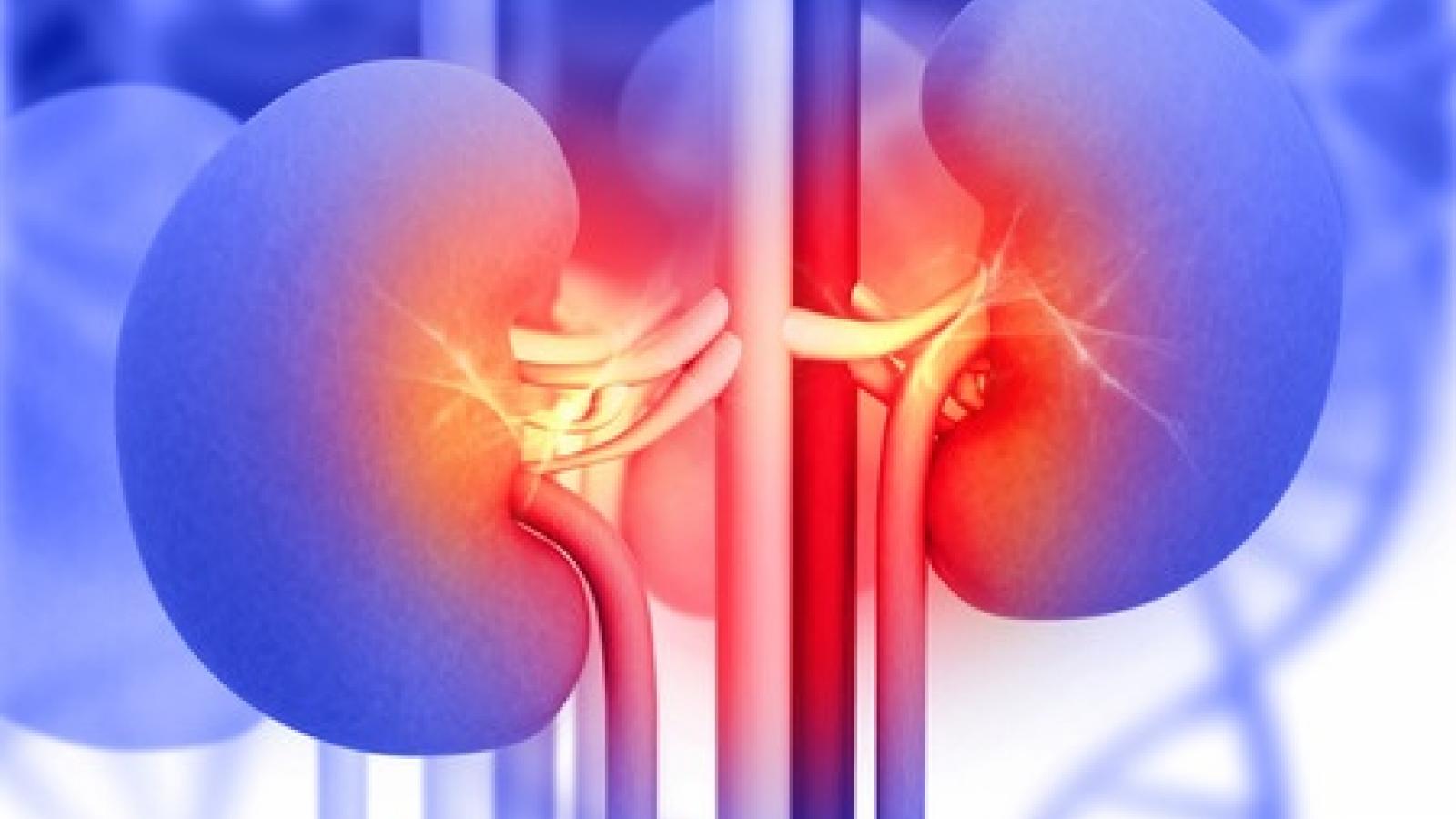
A Korean study of a large systemic lupus erythematosus (SLE) cohort shows by genomic analysis, that higher weighted genetic risk scores (wGRS) is associated with earlier SLE onset, higher anti–Sm antibody positivity, lupus nephritis and more diverse lupus manifestations.

Depression is more widespread than ever in the United States, according to a new study from Gallup, showing that 18% of adults are depressed (or receiving depression treatment for depression) – an increase in 7 percentage points since 2015.
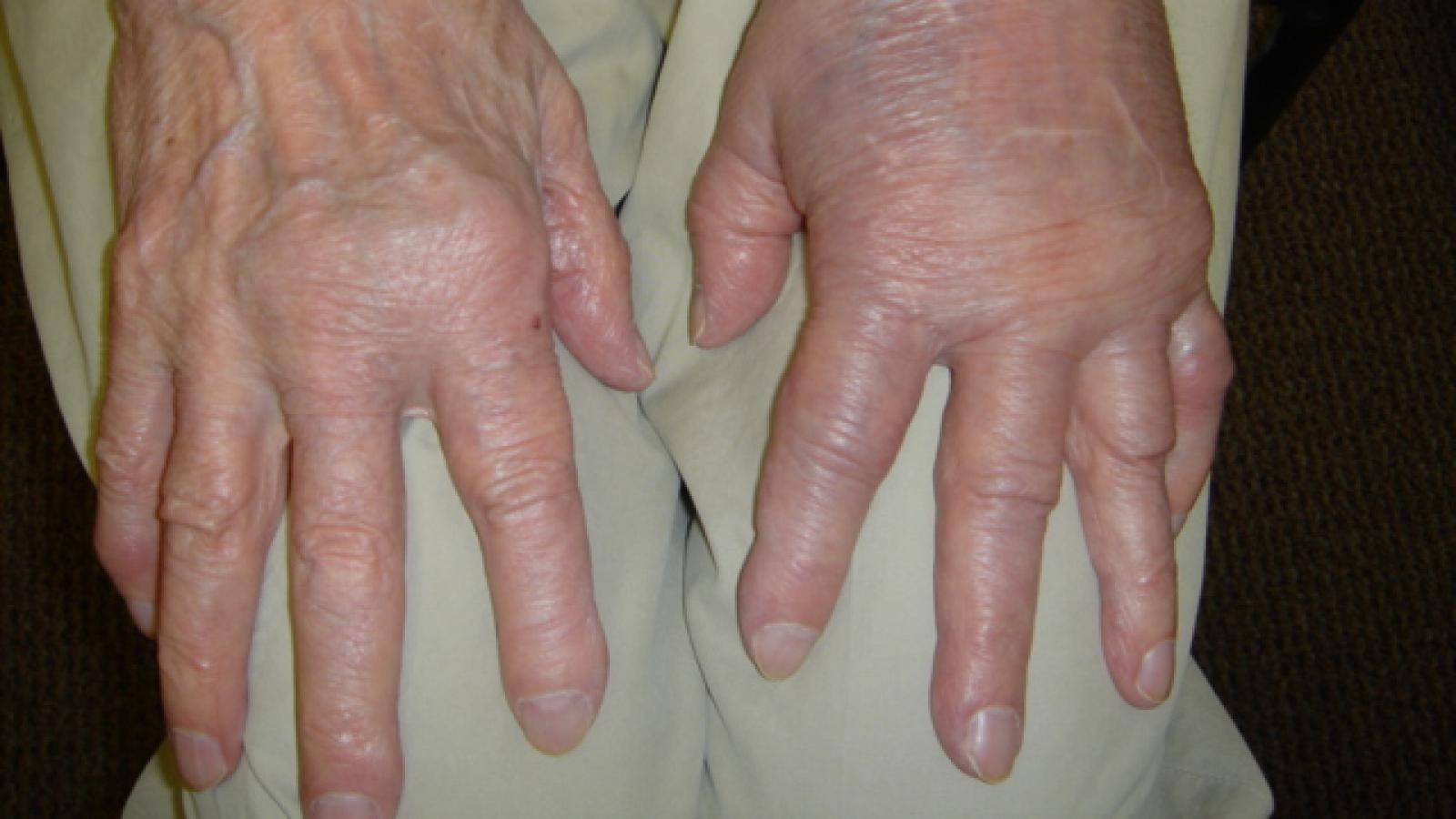
A Danish cohort study has shown a deadly association between depression and rheumatoid arthritis (RA).
Using data from the national Danish rheumatologic database, DANBIO, they identified incident RA patients (between 2008 to 2018) and five random non-RA comparators. Drug use (antidepressants), socioeconomic status, mortality, and cause of death were identified from other registers.

