

The COVID-19 pandemic has had a significant impact worldwide particularly among those who are immunocompromised. Numerous studies have highlighted the increased risk of acute SARS-CoV-2 infection among patients with rheumatic diseases (RD). Public health measures including masking, social distancing, and vaccination have helped to lower the risk of acute SARS-CoV-2 infection in this population.
The patient advocacy organization CreakyJoints will present 13 scientific posters at this year's ACR Convergence 2022 and 8 posters as part of the patient perspectives track. Below is a sampling of these scientific posters.
Priority Research Topics for Vaccine Uptake Among Adults with Autoimmune Conditions (Oral Presentation, Abstract 2247, Monday, November 14, 2022, 4:30-6:00pm ET)

After decades of having little else proven apart from glucocorticosteroids with which to treat polymyalgia rheumatica (PMR), evidence for steroid-sparing options has grown in recent years, and this crescendo is set to continue at ACR Convergence 2022 in Philadelphia, PA.

When it comes to Spondyloarthritis we have numerous disease activity measures and much debate regarding best practices. When it comes to determining which to use in clinic, discrepancies occur. Do our activity measures truly represent disease? Are there some measures best suited to different populations? Does BASDAI work for women?

The pharmaceutical companies have will showcase their featured clinical trials and abstracts at ACR 2022. These are their best studies for you to review and evaluate as part of your to-do list. In the least, you should be familiar with the names and objectives of some of these studies as they will be discussed and mentioned throughout the meeting.
Abbvie
Dr Jack Cush reviews the news and journal reports from the past week on RheumNow.com and looks forward to highlight sessions in the next few days at ACR Convergence 2022.

Rheumatoid arthritis treatment has come leaps and bounds in recent decades. Gone are the days of gold injections, chemical synovectomies, and physician-mandated bedrest (heaven forbid). Though the marketplace for RA treatments is becoming ever more crowded, there are still unmet needs.
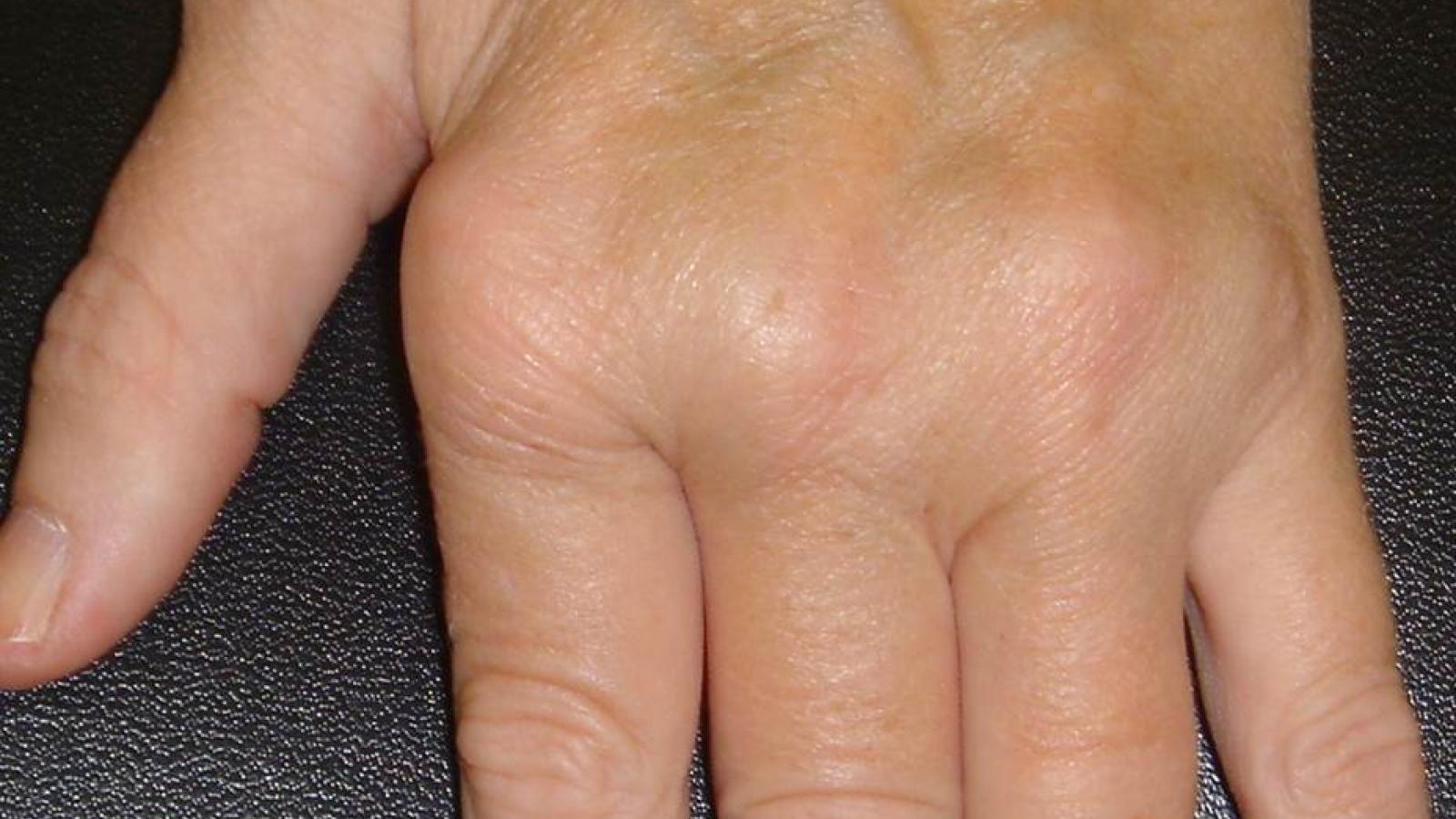
The updated 2022 EULAR recommendations for the management of rheumatoid arthritis (RA) were initially presented by Dr. Josef Smolen at EULAR 2022, and are now in press delineating the most recent developments and perspectives in RA treatment.

As we approach ACR22, there are many things to be excited about, especially with the reintroduction of in-person attendance. My attention this year is in research being presented in these three areas: ankylosing spondylitis; lupus management and treatment; and, subclinical RA.

New research being presented this week at ACR Convergence 2022, demonstrated that polyarticular juvenile idiopathic arthritis patients were more likely to achieve clinical remission with a combination of conventional and biologic DMARDs compared with other consensus treatment plans by the Childhood Arthritis and Rheumatology Research Alliance (CARRA).

Axial spondyloarthritis (axSpA) is a chronic inflammatory rheumatic musculoskeletal disease which can be managed with both pharmacological and non-pharmacological options. The joint ASAS-EULAR recommendations for axSpA were first developed in 2006, and last updated in 2016. The current update reflects newly available evidence since the last version.

On Sunday Nov. 13, 2022, at ACR Convergence 2022 meeting, the ACR will present a new guideline for Exercise, Rehabilitation, Diet and Additional Integrative Interventions for Rheumatoid Arthritis.

Americans’ willingness to use video telehealth has increased since the beginning of the COVID-19 pandemic, rising most sharply among Black Americans and people with less education, according to a new RAND Corporation study.
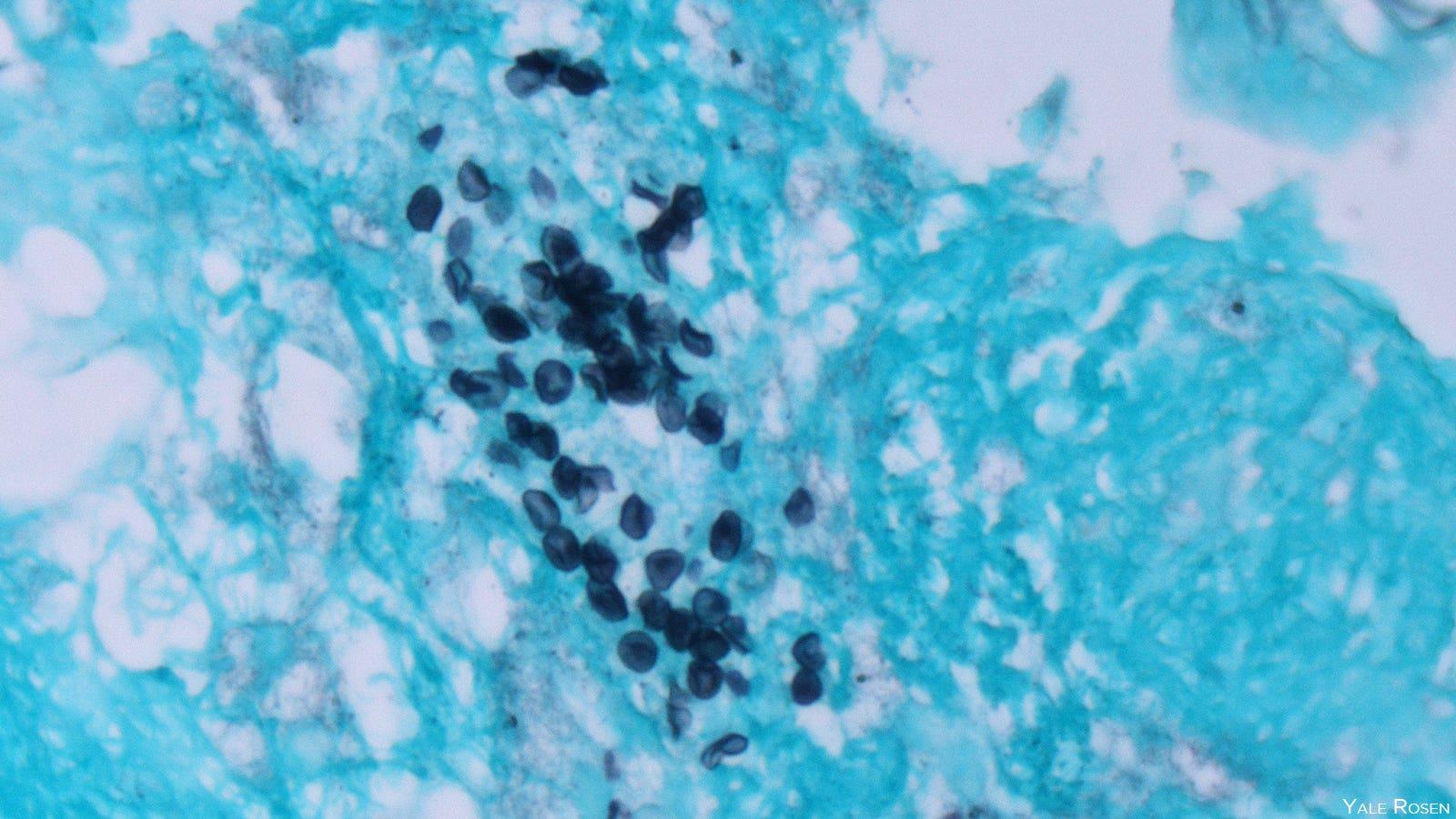
Winthrop and colleagues have reviewd the occurrence of opportunistic infections (OIs) associated with the use of Janus kinase (JAK) inhibitors in patients with rheumatoid arthritis (RA), showing that Herpez zoster (HZ) was the most common OI reported with JAK inhibitors in clinical trials, although tuberculosis (TB) and other OIs were also reported.

A EULAR Task force has developed recommendations for screening and prophylaxis of chronic and opportunistic infections in patients with autoimmune inflammatory rheumatic diseases (AIIRD).

