

Patient TS was a 30 year old woman who had been living with psoriatic arthritis for about 18 months. Her symptoms had started about 6 months after the birth of her first child with mild psoriasis in her scalp but increasing joint pain in her hands, wrists, elbows, knees, and ankles. She had dactylitis in several fingers that caused her extreme pain.

Patients with axial spondyloarthritis (SpA) got more bang for their exercise buck in a randomized trial when they had good opinions about their workout program, with better persistence with exercise at 1 year relative to a control group, researchers said.
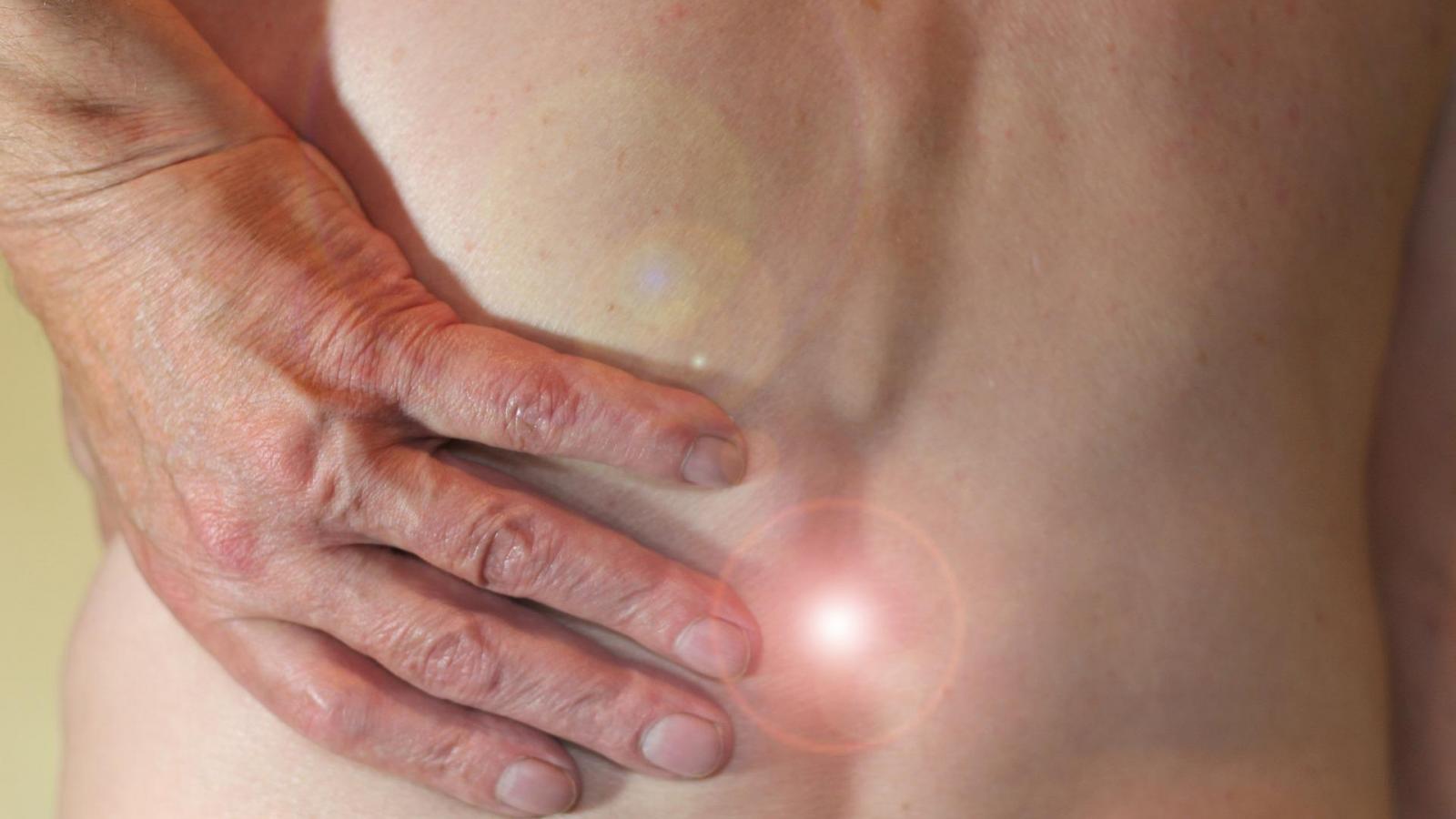
Inflammatory involvement of the axial skeleton and sacroiliac joints occurs, on average, in 40-50% of patients with psoriatic arthritis (PsA).
When present, axial involvement is a “biomarker” of more severe PsA disease: more severe peripheral joint disease, enthesitis, skin disease, pain, impaired function and quality of life, and work productivity. Thus, it is important to recognize and include in a comprehensive PsA treatment approach.

The results of the DIETA trial showed that dietary changes may control psoriatic arthritis (PsA) disease activity, independent of weight loss.
The study set out to investigate whether dietary changes or antioxidant supplementation or 5-10% weight loss could improve disease activity (skin and joint) in patients with PsA.
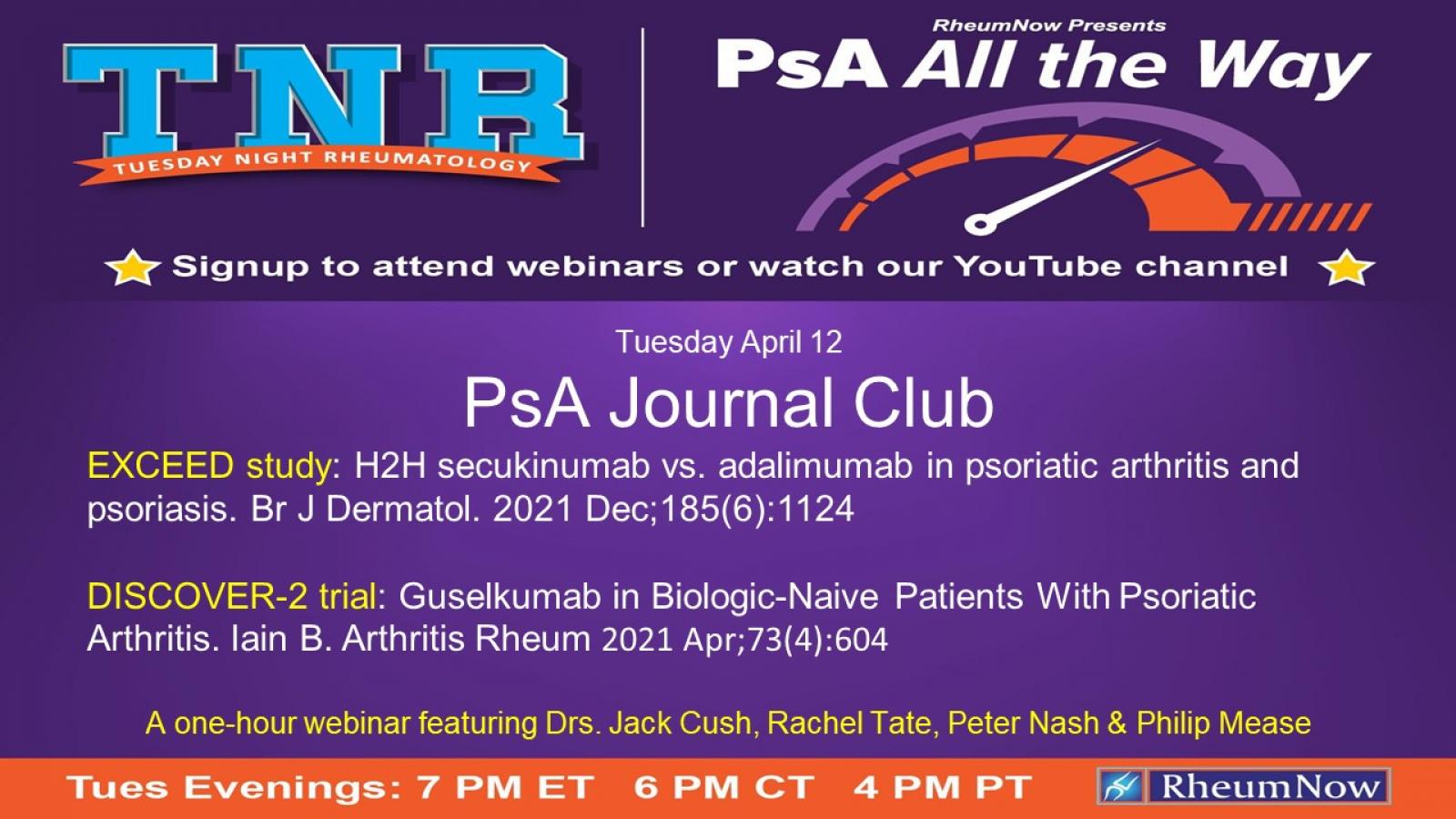
A recording of this week’s Tuesday Night Rheumatology is now available. This outstanding webinar featured a robust discussion of the EXCEED study and Discover-2 trial, with Drs. Philip Mease, Peter Nash, Jack Cush and Rachel Tate.

Dr. Jack Cush reviews the news and journal Reports from the past week on RheumNow.com - including fellowship COVID-19 concerns, the limits of T2T in gout and the real odds of RA remission with your first biologic.
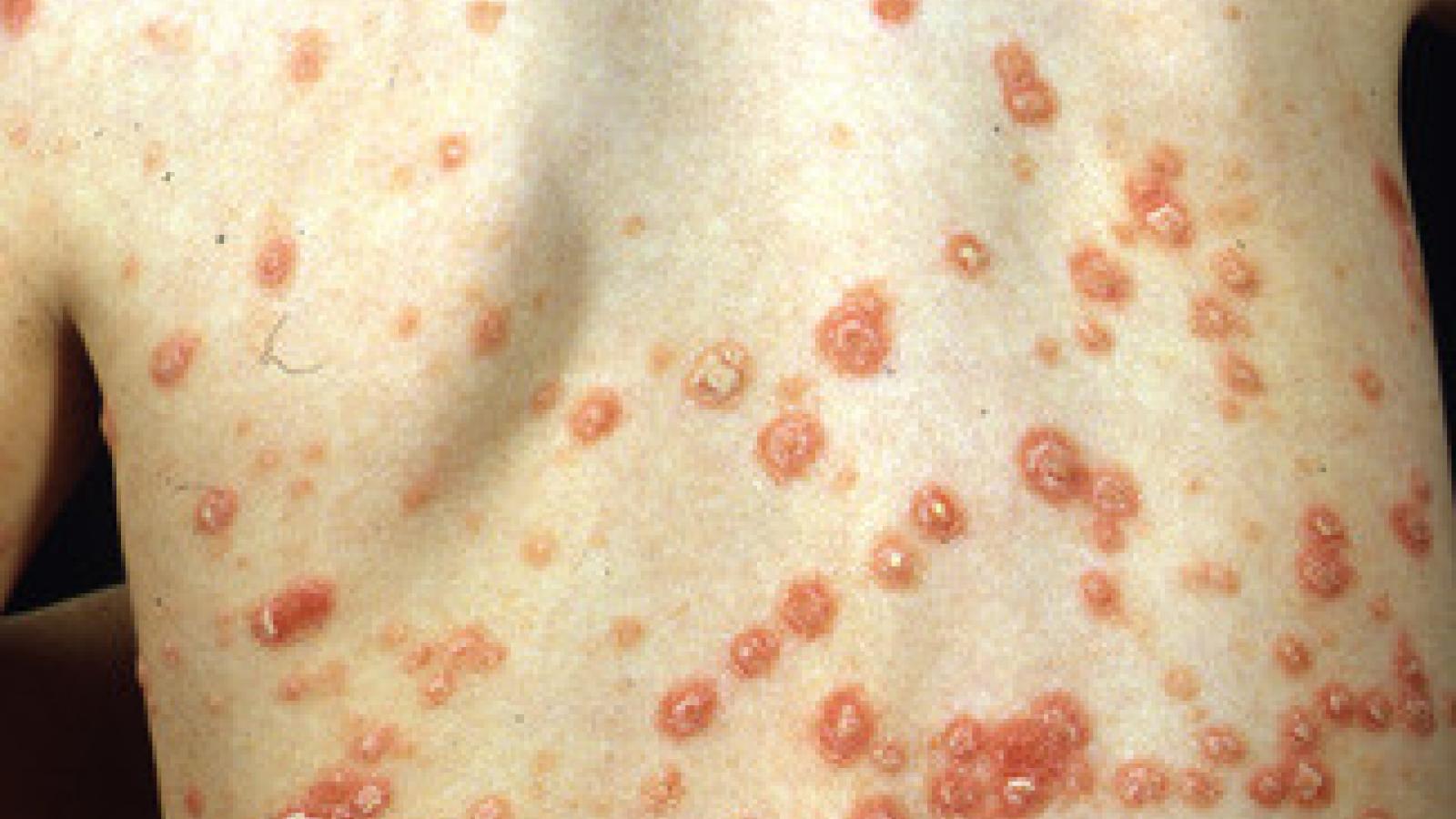
Pediatric patients with moderate-to-severe plaque psoriasis obtained significant improvement in disease status for as long as 2 years with the interleukin (IL)-17A inhibitor ixekizumab (Taltz), long-term follow-up from a randomized trial showed.
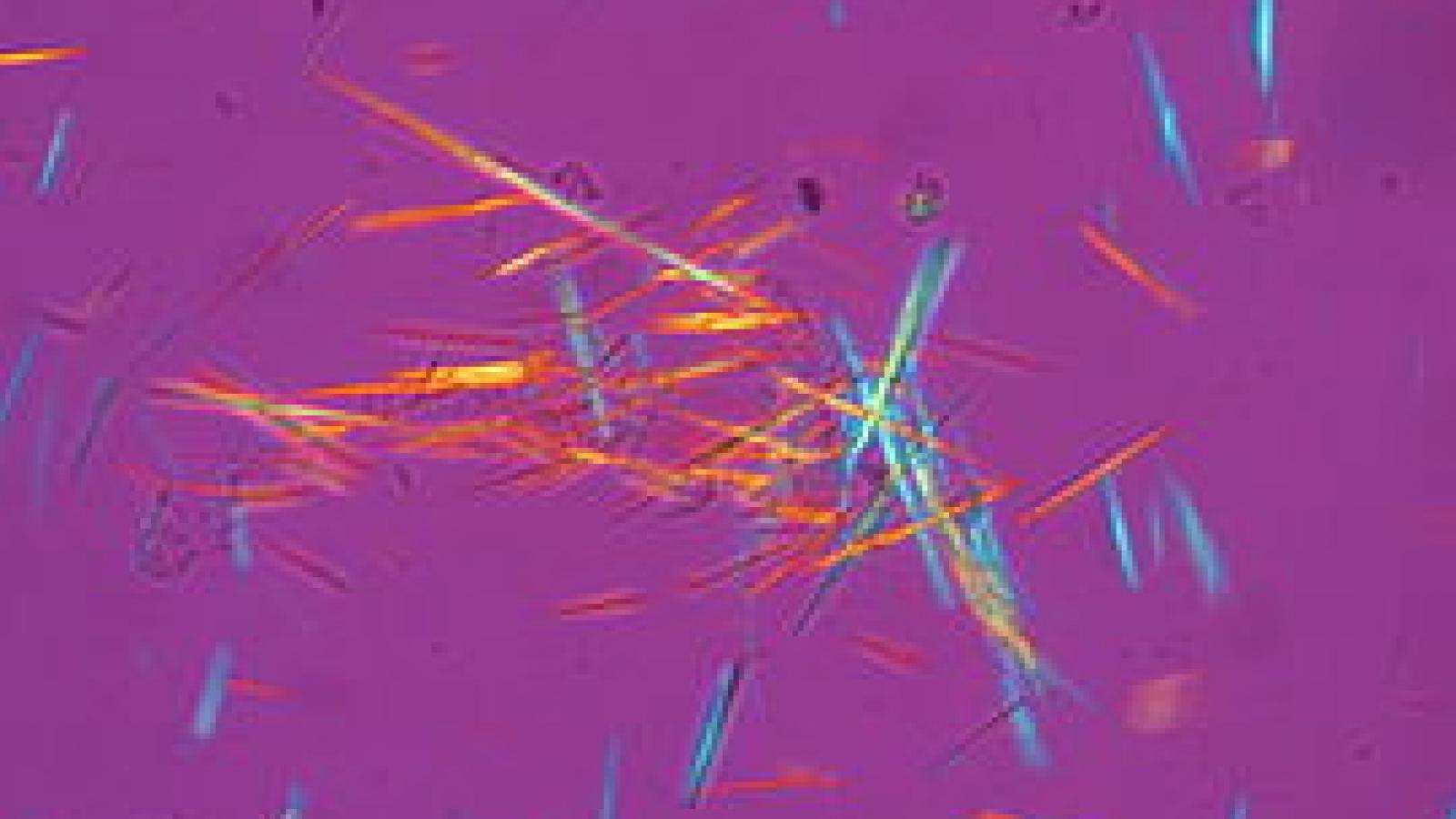
While treat-to-target (T2T) is commonly advocated in gout management, it is unknown if T2T (or more intensive T2T) may result in less bony erosions in gout. Dalbeth et al has studied this is a prospective trial noted that more intensive serum urate lowering is difficult to achieve (orally), carries a high medication burden and does not improve bone erosion scores those with erosive gout.
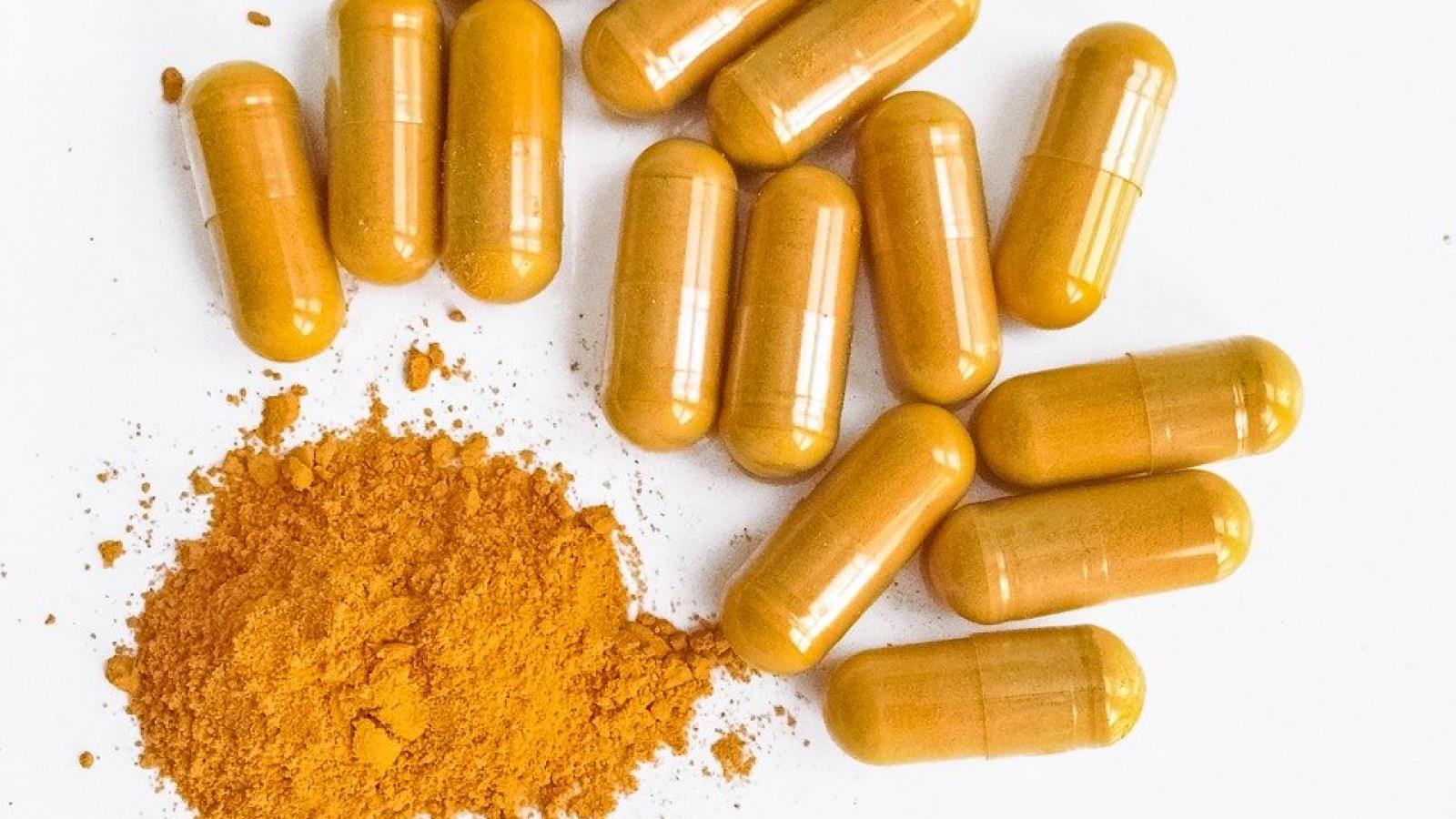
It’s been reported that approximately one-third to one-half of patients with psoriatic arthritis will try supplements and other complementary and alternative medicinal (CAM) practices without discussing with their rheumatologists. Of those, nearly 90% of PsA patients using CAM report benefits!
Here is your updated review on common supplement data in psoriasis and PsA.

The Canadian Rheumatology Association’s (CRA) Telehealth Working Group (TWG) has developed a series of best practice statements for the virtual care in adult and pediatric rheumatology patients.
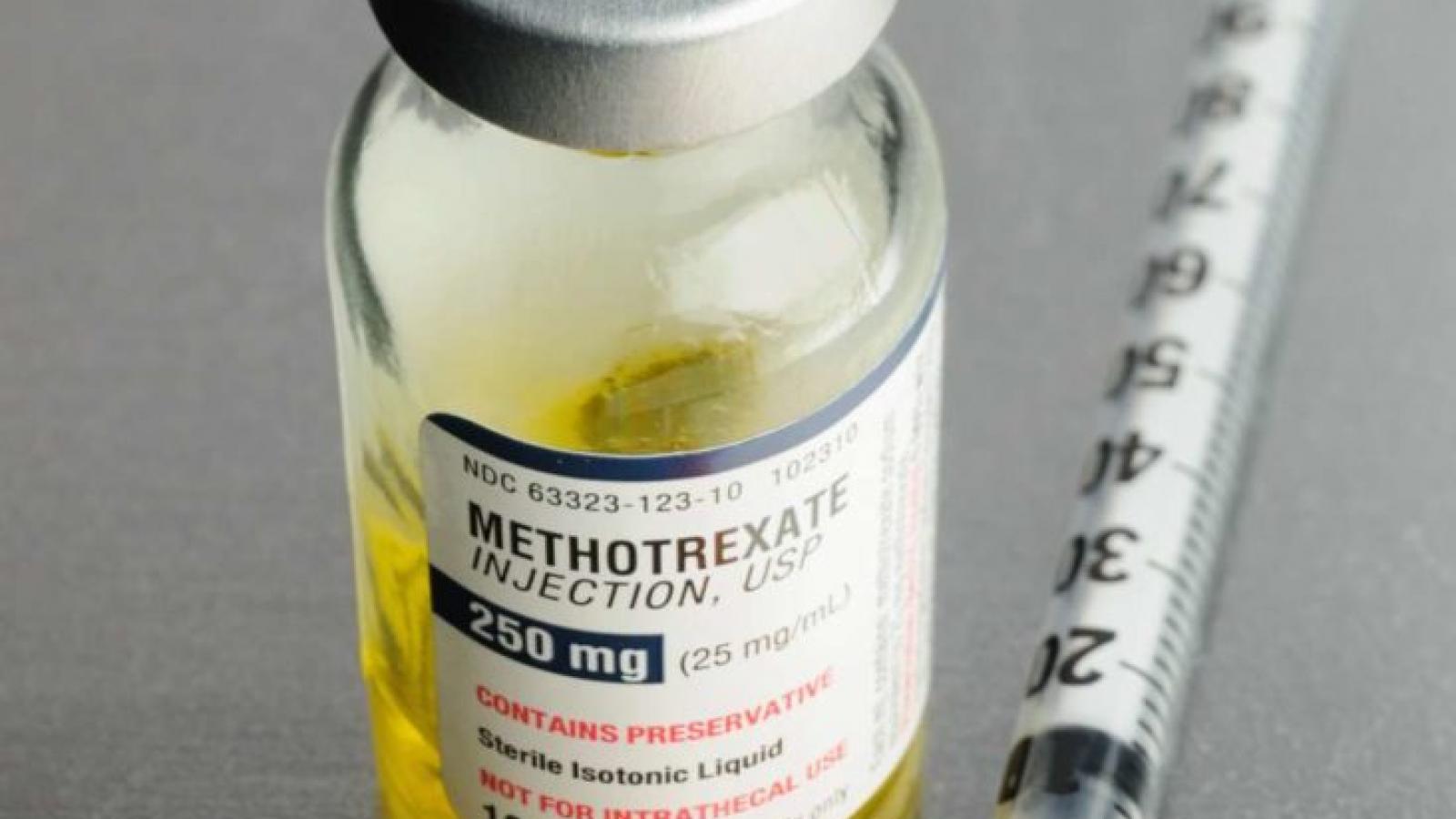
Until the publication of the SEAM trial, evidence in the medical literature for the efficacy of the most commonly used drug for psoriatic arthritis worldwide, methotrexate, has been lukewarm at best. Yet we all employ it commonly, either as monotherapy or in combination with biologic or targeted synthetic DMARD treatment. It is inexpensive and widely available, and only modestly toxic.

Recognizing the importance of addressing all aspects of disease, we started our joint rheum-derm psoriatic disease clinic at Northwestern shortly after I arrived at the institution, and it has been a tremendous success.

Arthritis & Rheumatology has publish an ACR Subcommittee report on how the COVID-19 pandemic affected fellows and their training.

Tumor necrosis factor (TNF) inhibitors for rheumatoid arthritis were linked with a lower risk of Alzheimer's disease and related dementia, but only in people with cardiovascular disease, data from the DREAM (Drug Repurposing for Effective Alzheimer's Medicines) study showed.
Dr. Jack Cush reviews the news and journal articles from the past week and discusses the use of fibroscan in RA, steroid hip injections in OA and famous quotes from a famous cardiologist.

