
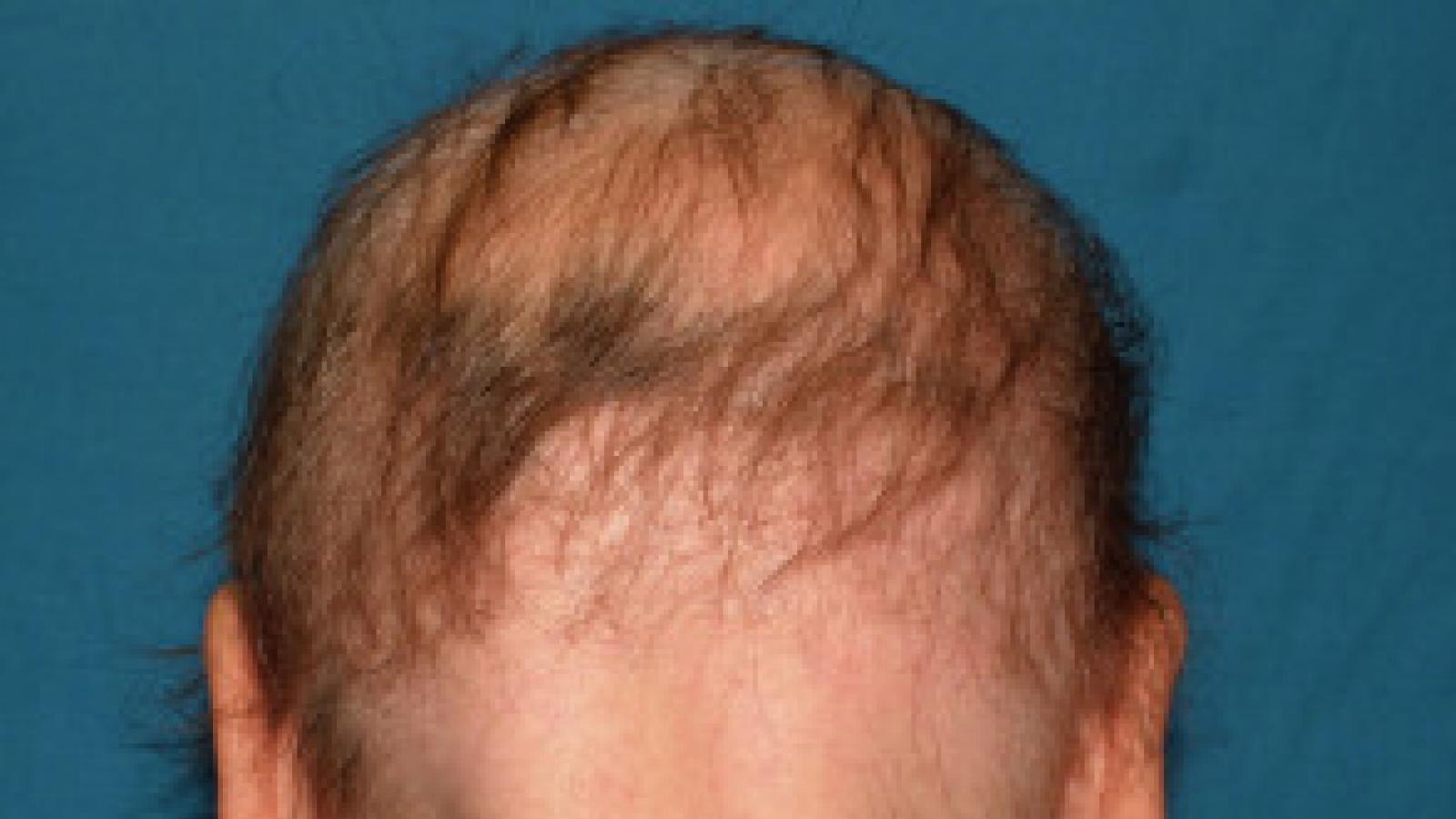
The NEJM has published the results of the BRAVE-AA1 and BRAVE-AA2 trials, demonstrating that baricitinib is effective at regrowing hair in alopecia areata (AA) patients, thus paving the way for future regulatory approval for this difficult to treat disorder.
Alopecia areata is an difficult to manage autoimmune condition and in the US has a lifetime prevalence of roughly 2%.
Dr. Jack Cush Reviews the news and journal reports from the past week in RheumNow.com.

A study of men with gout from the US Veteran’s Health Administration (VHA) shows that excess mortality in gout could be attributed to comorbidities.
A matched cohort study done between 1999 - 2015, compared gout and non-gout patients, looking at clinical variables and mortality rates.

A Nordic multinational collaborative study examined the risk of acute coronary syndrome (ACS) in rheumatoid arthritis and found a less than 2 fold increased risk of ACS patients initiating biologic disease-modifying antirheumatic drugs (bDMARDs) with little risk variation with short-term, intermediate-term and longer-term bDMARDs use.

ACR Open Rheumatology reports that systemic lupus erythematosus (SLE) patients have a higher risk of postoperative major adverse cardiac events (MACE) that can be identified by common cardiac risk measures.
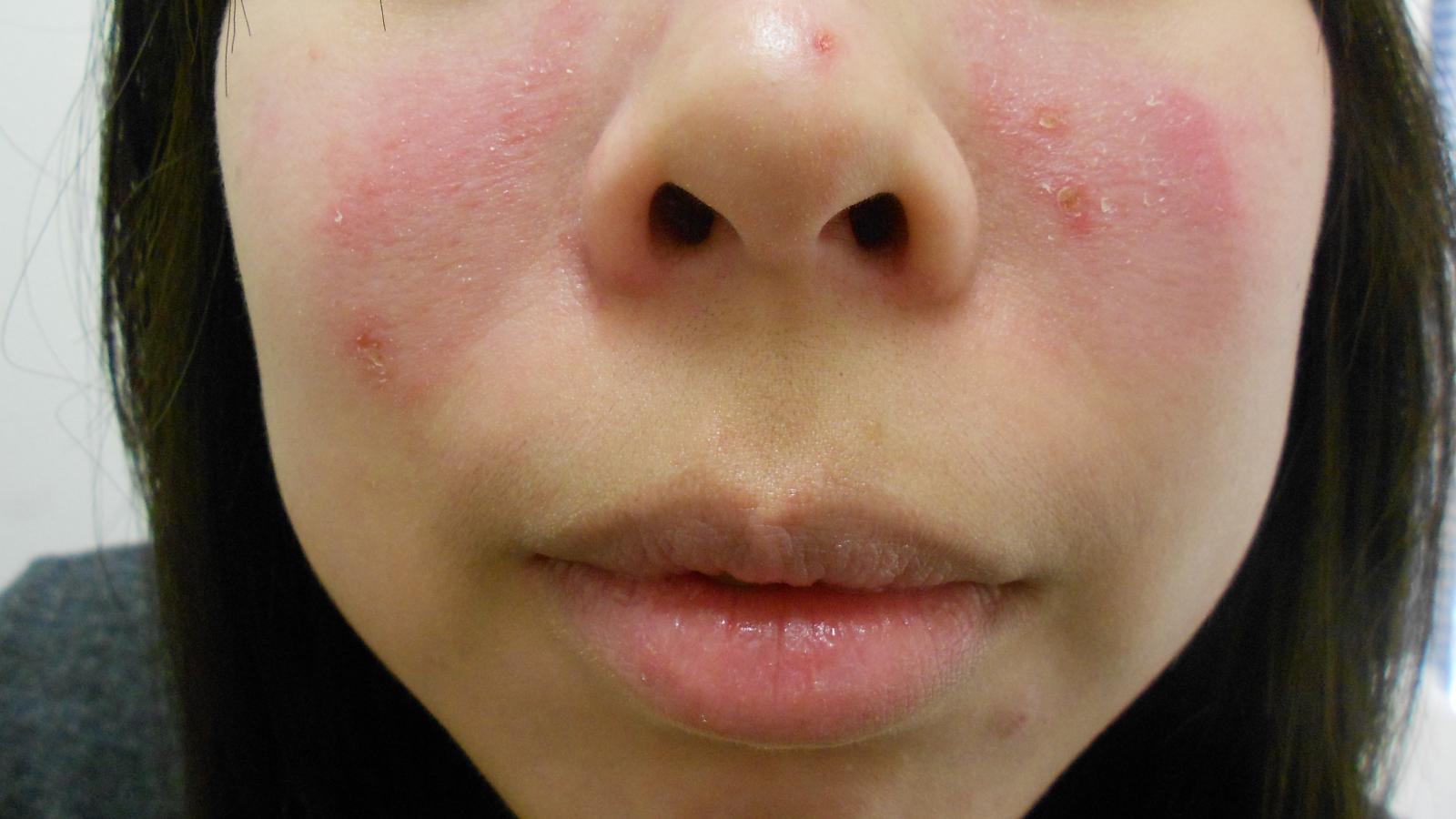
A prospective, longitudinal systemic lupus erythematosus (SLE) cohort study examined outcomes and showed that failure to control SLE was common and associated with poorer outcomes including organ damage, glucocorticoid exposure, poor quality of life, and increased mortality.
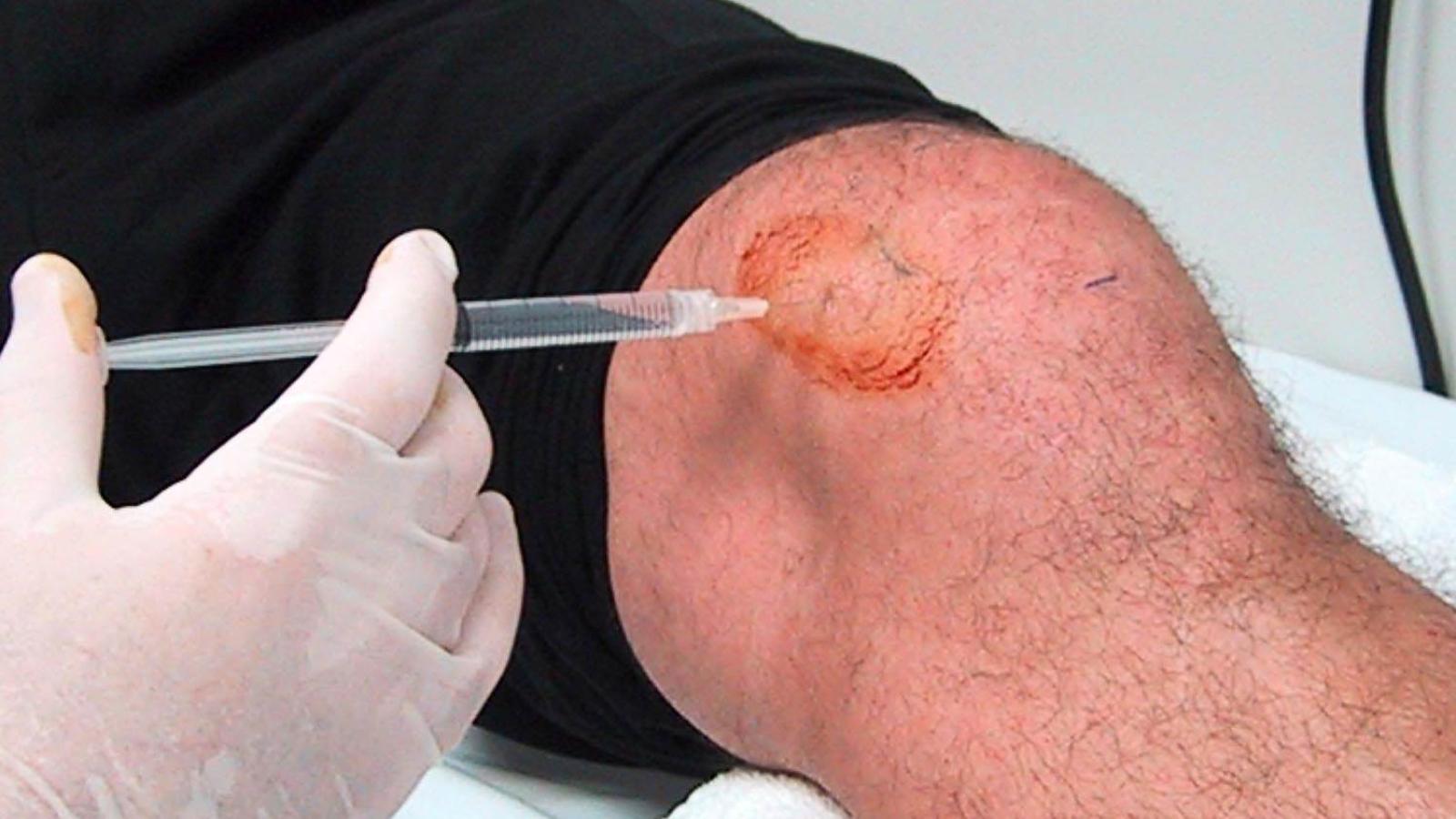
In patients with osteoarthritis (OA) of the knee, intra-articular injections of steroids did not increase rates of either disease progression or subsequent knee replacement surgery, researchers said.

A retrospective cohort study from Kaiser Permanente Southern California intramuscular vaccination given between 2016 and 2017 shows a small but significant increase in shoulder conditions, reported as an adverse event (AE) following intramuscular vaccination in the deltoid muscle.
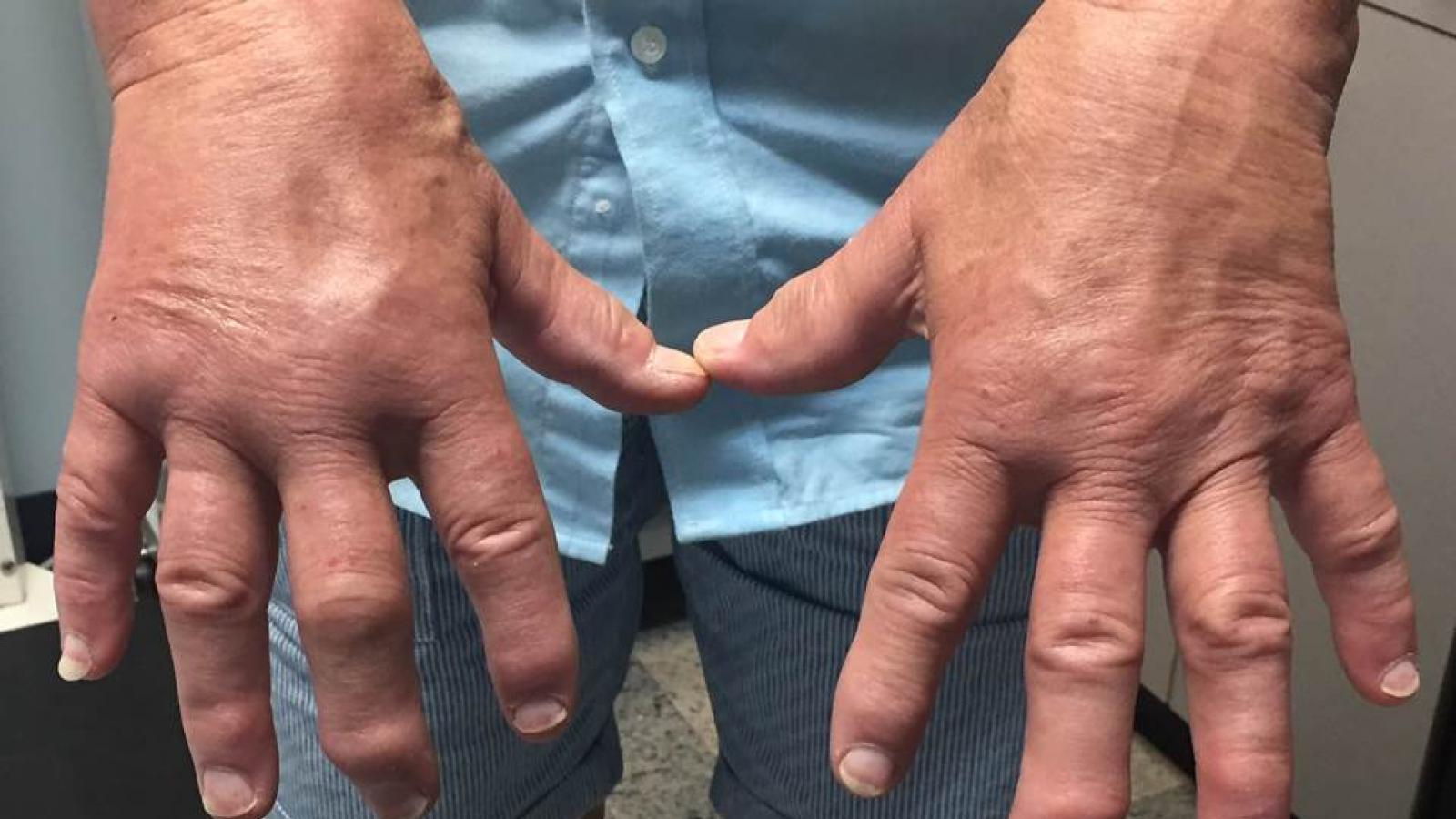
An interesting study in Lancet Rheumatology shows that psoriatic arthritis patients not responding to methotrexate alone can respond after adding or escalating adalimumab (ADA) on top of methotrexate (MTX) to reach minimal disease activity (MDA) response.
This week we're going to talk about the downside of TNF inhibitors, a few interesting observations in gout, and yes, kids do get COVID. We're also going to preview what's coming in April (hint: it's about PsA). This and more as Dr. Jack Cush reviews the news and journal articles from the past week on RheumNow.com.
The NEJM reports that systemic lupus erythematosus (SLE) patients treated with iberdomide, a cereblon modulator, was effective at yielding a significant SRI-4 clinical response after 24 weeks.
Iberdomide works by promoting degradation of the transcription factors Ikaros and Aiolos, which affect leukocyte development and autoimmunity.

Rheumatoid arthritis associated bronchiectasis (RA-BR) is uncommon, and is unrelated to interstitial lung disease (ILD), but like ILD, can substantially impact RA outcomes.
A case-control study from the Mass General Brigham Biobank compared RA-BR (57 cases) and RA controls without RA-related lung disease (n-360) by clinical parameters and CT chest imaging results.
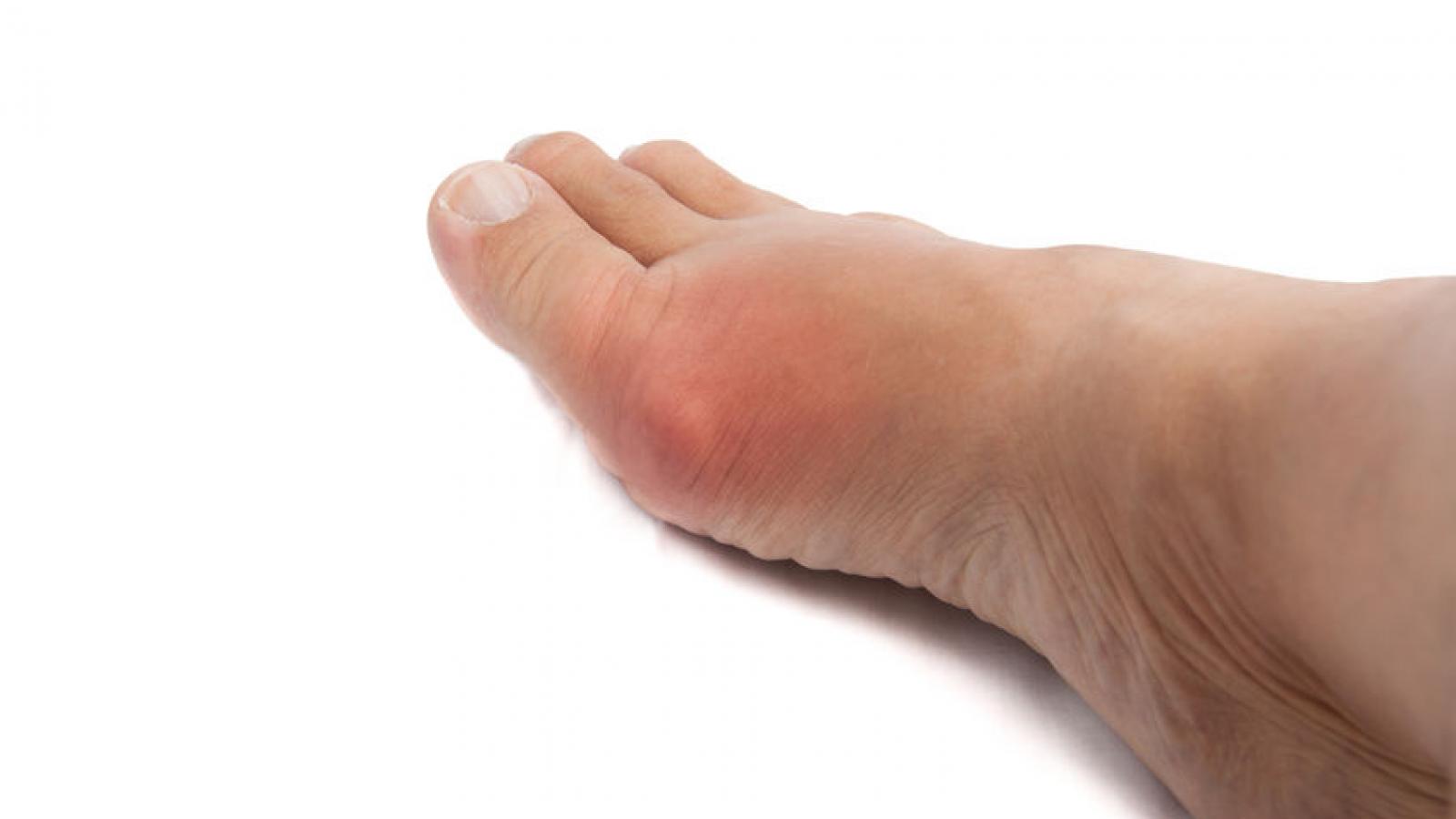
Analysis of emergency department visits from two UK hospitals shows a high rate of hospitalization, and low use of urate-lowering therapies (ULT) and treat-to-target (T2T) management.
Between 2017 and 2020 there were 1,220 emergency attendances for gout flares - 23.5% required hospitalization (median length of stay: 3.6 days). Moreover, 10% of patients had recurrent ER visits attendances for gout flares.

An Italian environmental study shows that air pollution increases the risk of autoimmune diseases, in particular rheumatoid arthritis, connective tissue diseases (CTDs) and inflammatory bowel diseases (IBD).
Previously environmental pollutants have been linked to an increased risk of RA onset and also, flares of RA or lupus.
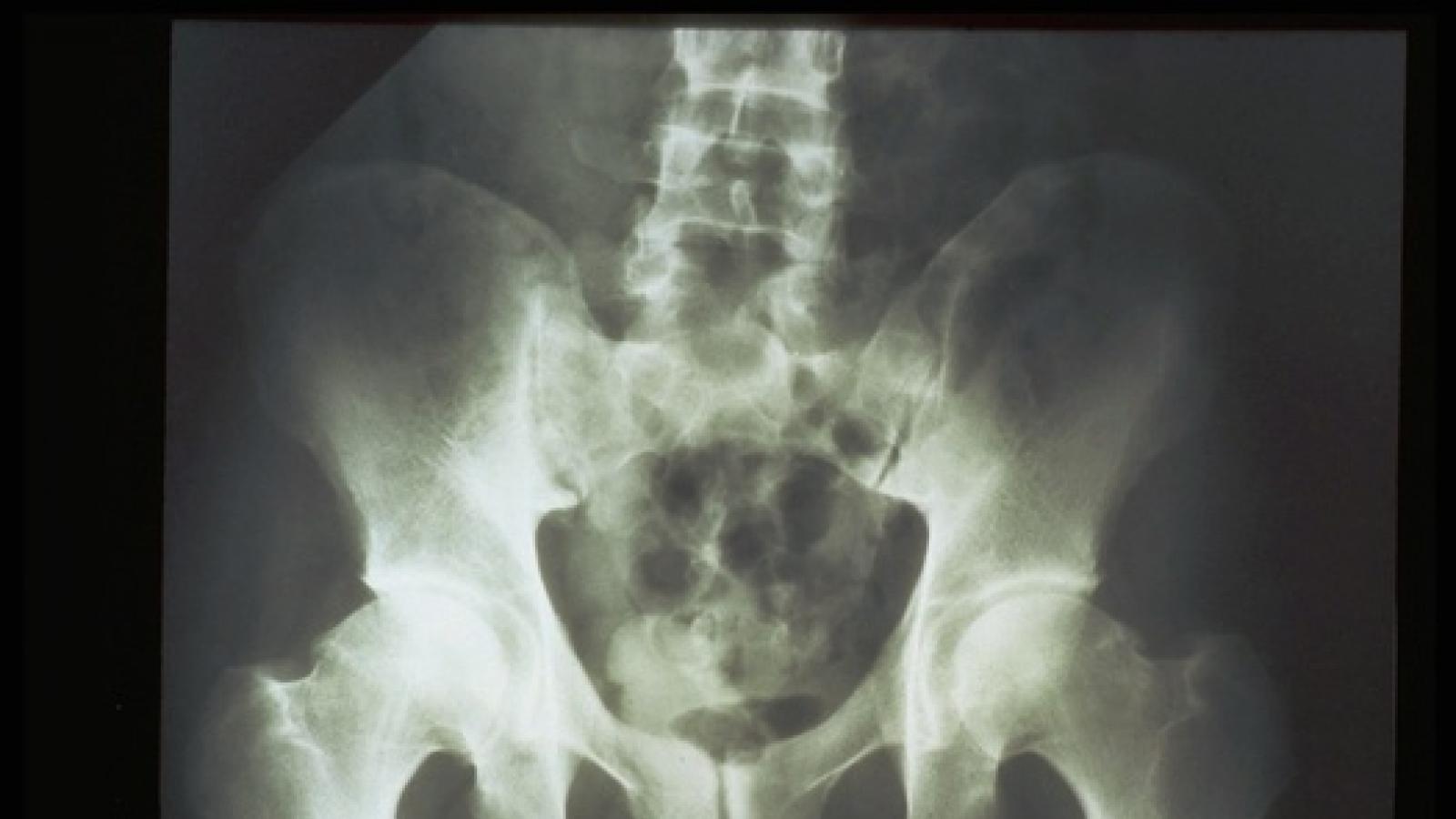
Whether patients with ankylosing spondylitis (AS) would improve substantially with tumor necrosis factor (TNF) inhibitor therapy was predicted with moderate to high accuracy based only on a standard lab test and two measures of disease activity, researchers reported from a modeling study.

