
Dr. Jack Cush reviews the news and journal articles from the past week on RheumNow.com. This week we discuss amputations, a $57 billion RA market, an FDA approved drug for Cat arthritis and drug that works in Sjogren's.
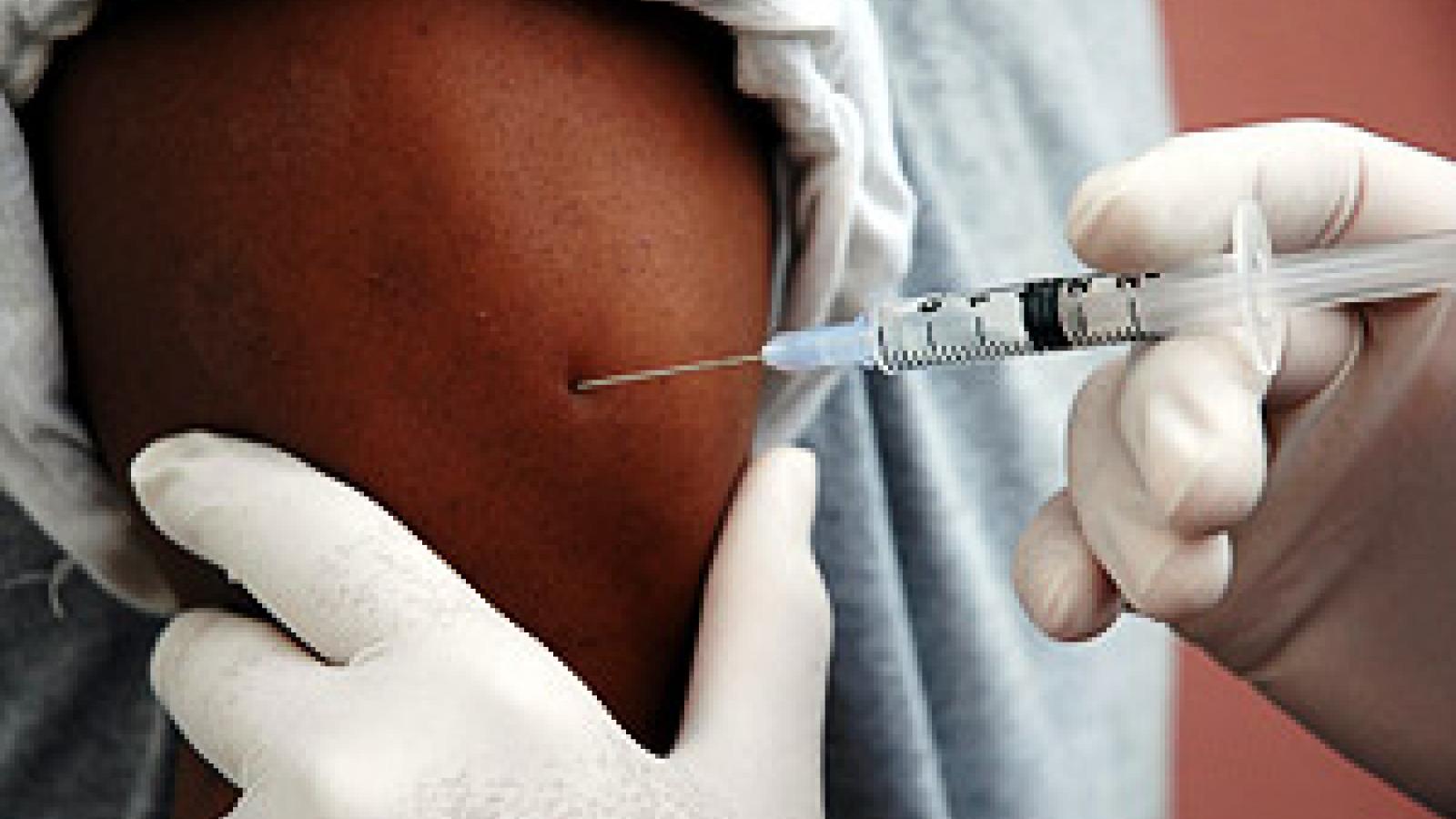
While the American College of Rheumatology recommends holding mycophenolate (MMF) in rheumatic and musculoskeletal diseases patients (RMD) receiving COVID-19 vaccines, there is limited data on such an approach. A recent cohort study of RMD patients showed that holding MMF yielded higher antibody responses than continuing MMF.
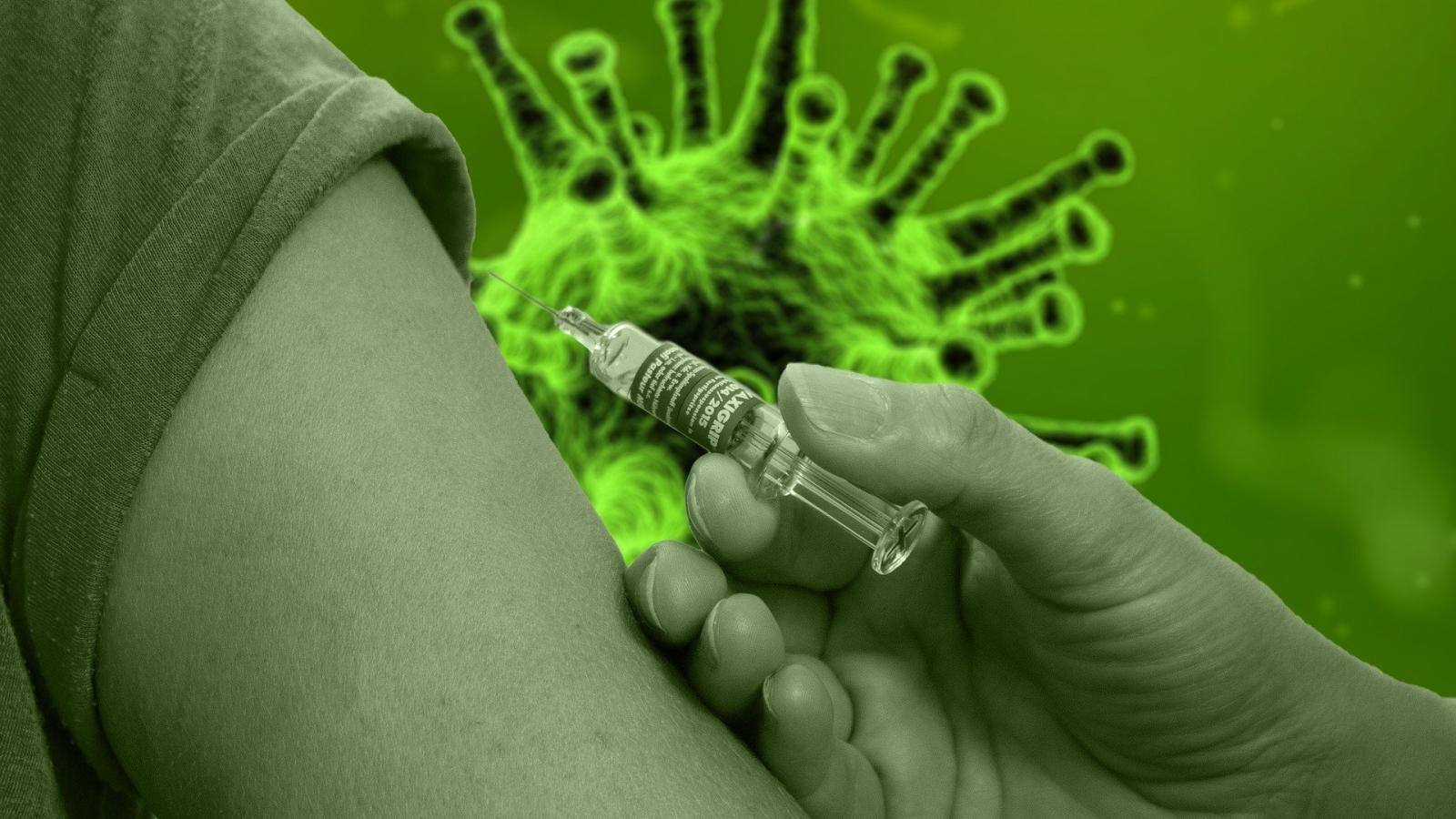
The EULAR Coronavirus Vaccine (COVAX) physician-reported registry has shown that the use of COVID-19 vaccines in people with inflammatory/autoimmune rheumatic and musculoskeletal disease (I-RMD) is effective, safe, and well tolerated.
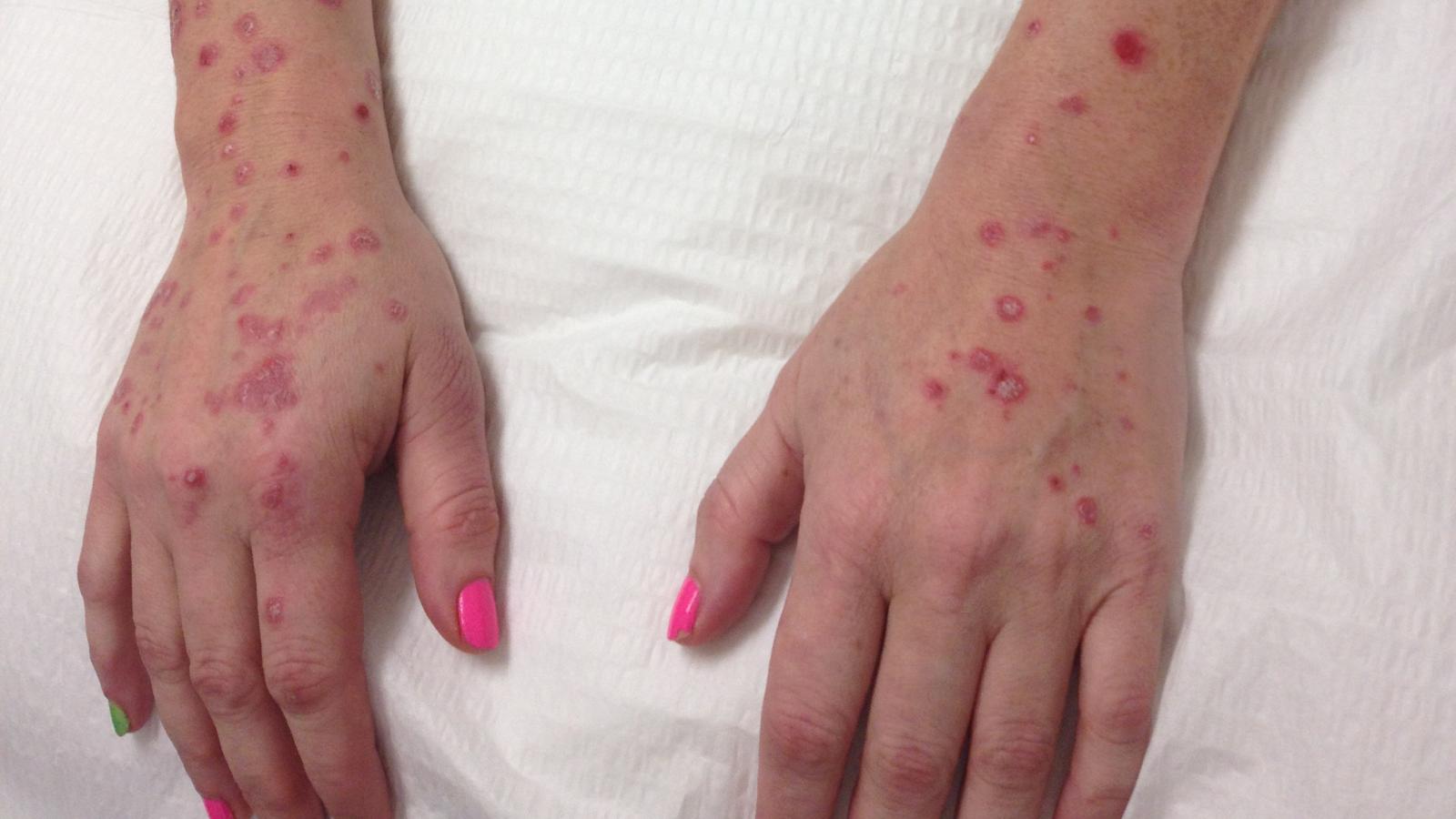
The results of the KEEPSaKE-1 study in psoriatic arthritis (PsA) has been published and shows that risankizumab (RIZ), an IL-23 inhibitor, showed significant clinical improvements when given to active PsA patients who failed or were intolerant to ≥1 csDMARD.
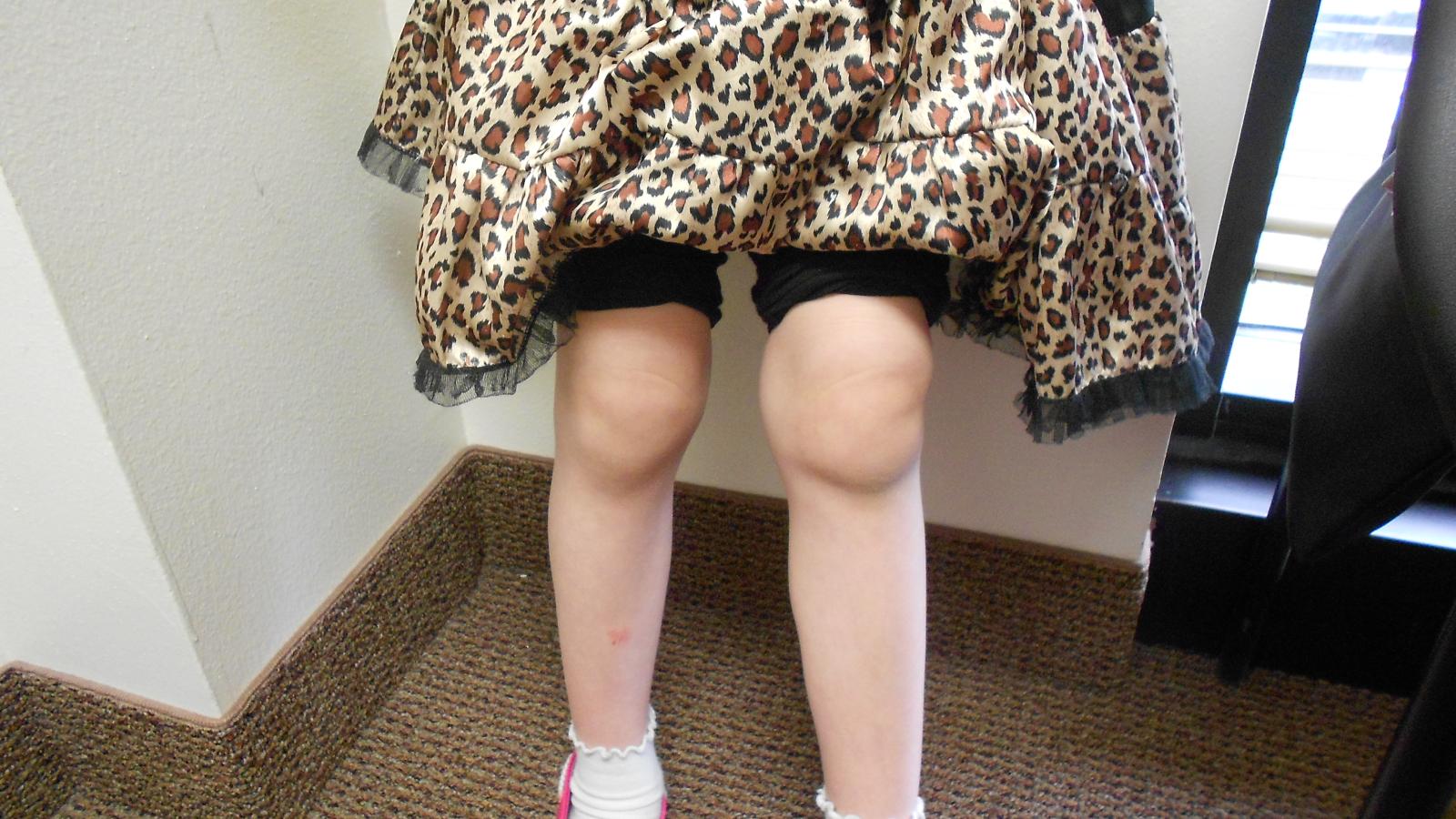
Follow-up in a Scandinavian cohort of juvenile idiopathic arthritis (JIA) patients that began in 1997-2000 revealed a number of surprises, a new study indicated.
More than two-thirds of patients were using no drug therapies at year 18, even though only about half were in remission and that latter figure hadn't changed in the previous 10 years, reported Mia Glerup, MD, PhD, of Aarhus University Hospital in Denmark, and colleagues.
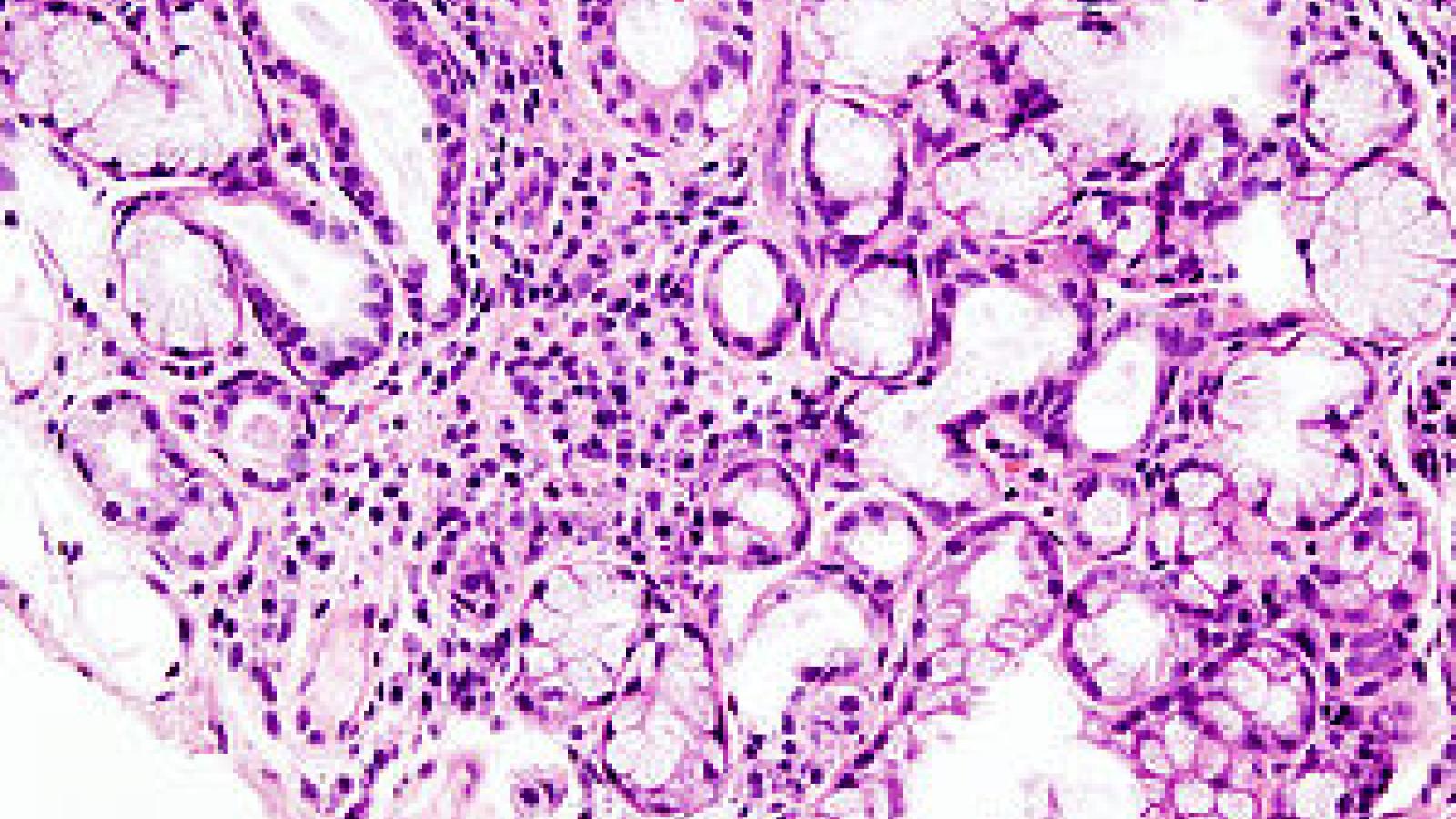
Clinical trials generally fail in Sjögren's syndrome; but now a study shows that a biologic B cell inhibitor, ianalumab, met its primary endpoint with a dose-related decrease in disease activity (measured by ESSDAI) at week 24.
A recent trial published in Annals of Internal Medicine analyzed the effects of B-cell depletion (rituximab) followed by B-cell suppression (belimumab) and showed effective lowering of anti-dsDNA titers and and fewer severe flare in patients with systemic lupus erythematosus (SLE).
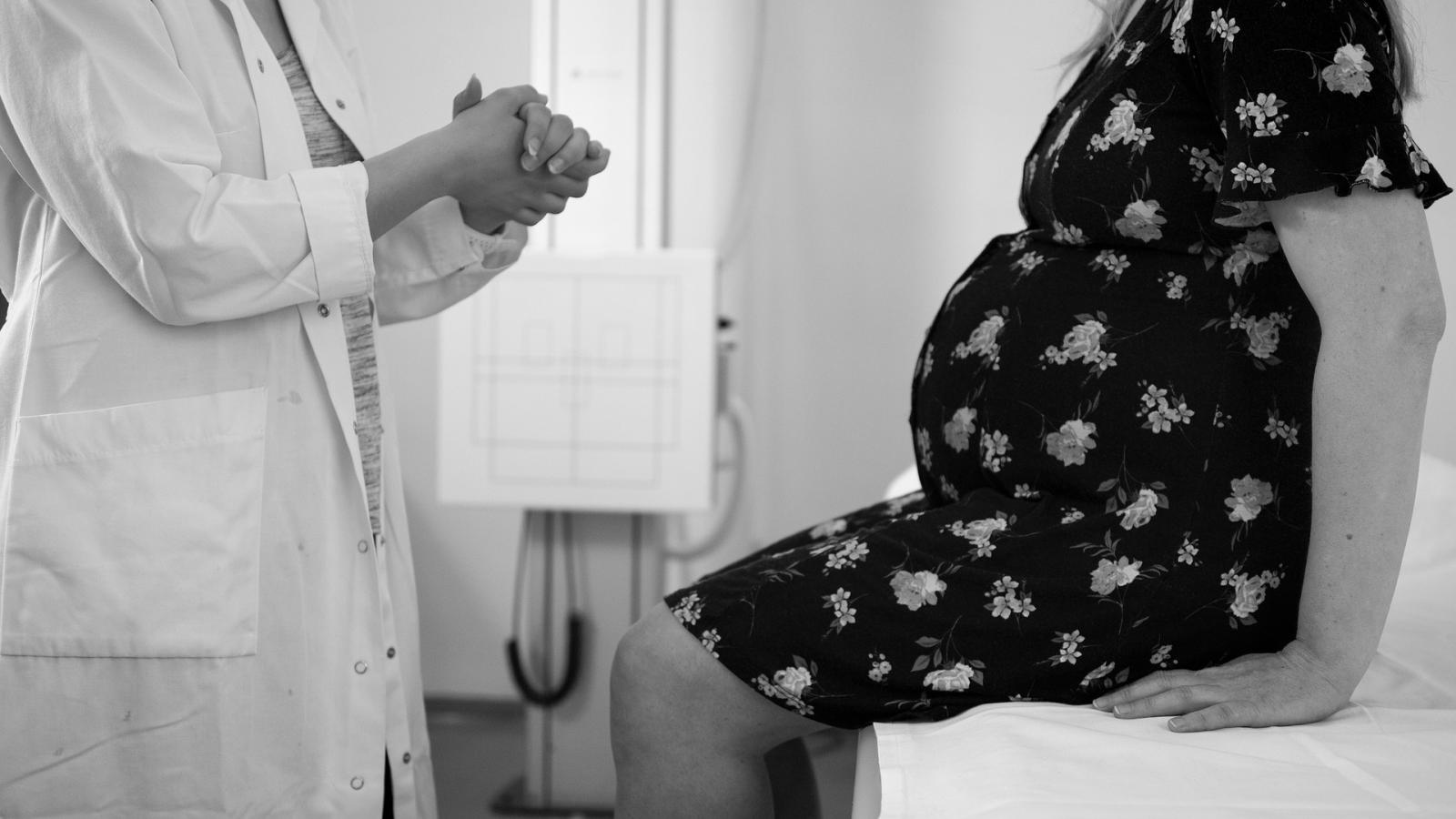
The Global Rheumatology Alliance (GRA) has studied the outcomes of women with rheumatic disease who were pregnant at the time of infection with coronavirus disease 2019 (COVID-19).
The GRA database of rheumatic patients also includes information about pregnancy; further obstetric details and outcomes were gathered from referring physicians.
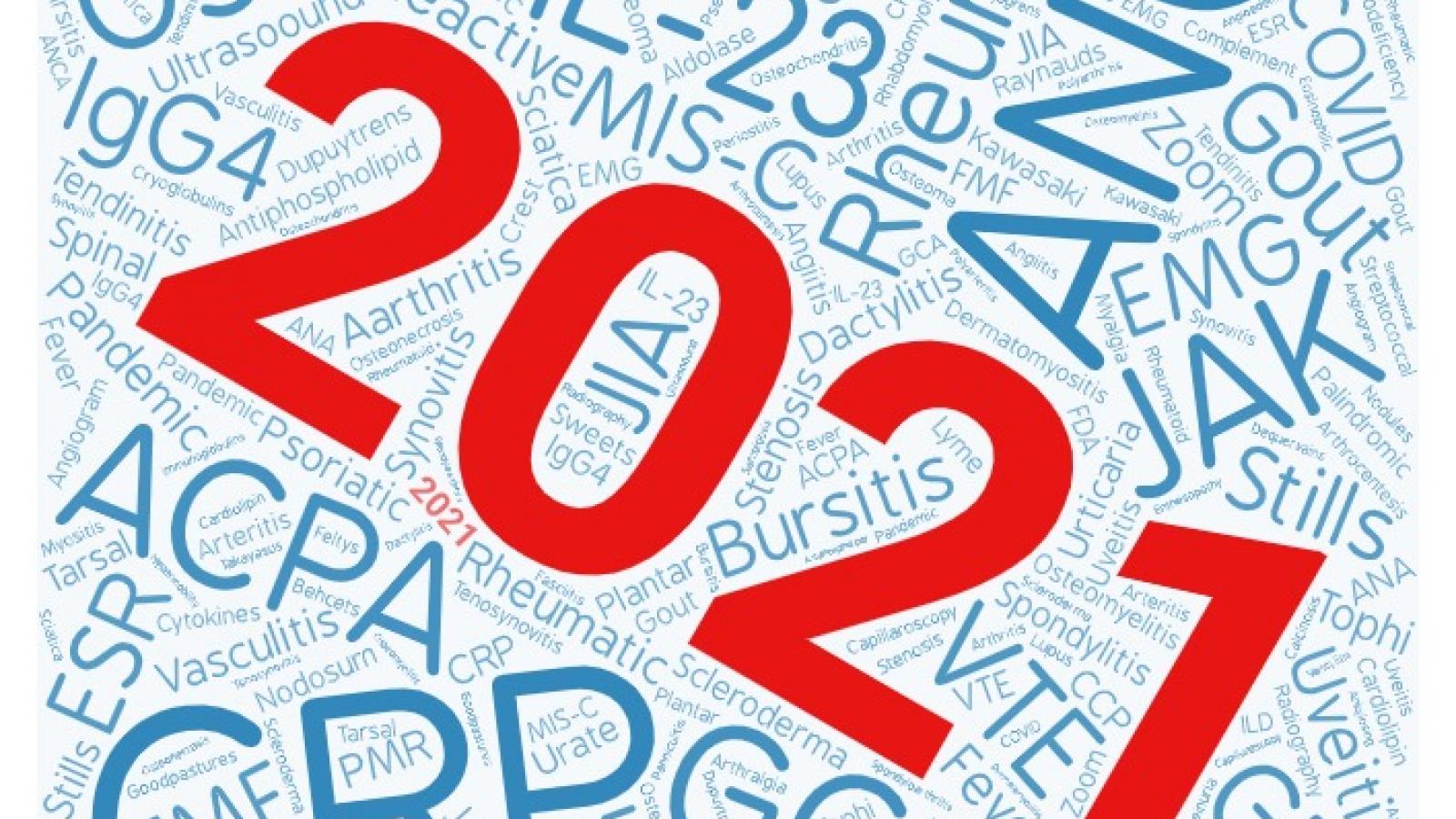
Our top 10 list of advances, game-changers, worries and those better medical practices that evolved during 2021.
The current edition of the MMWR from the CDC shows that among those vaccinated against COVID-19, there is a low risk of severe outcomes (hospitalization and death); the highest risk is seen in those with multiple comorbidities.
Among immunocompromised individuals vaccinated against COVID-19, solid organ transplant recipients as well as those with HIV and rheumatoid arthritis (RA) were significantly more likely to experience breakthrough infections versus people without immune dysfunction, a retrospective study found.
The journal Cells has published a review of new rheumatic disorders following COVID-19 infection. Rheumatologists have infrequently noted such events and wondered what is the true incidence or range of possible manifestations.

Multisystem inflammatory syndrome in children (MIS-C) is new and serious complication of COVID-19 that preferentially affects adolescents. A review of proposed management guidelines is compiled in this report, suggesting a unified approach to therapeutic management of MIS-C.

Analysis of two large cohorts of systemic sclerosis (SSc) patients shows a signfiicant minority of patients to have autoantibodies typical of rheumatoid erosive arthrits, but their presence in SSc patients was associated with unique manifestations of SSc.
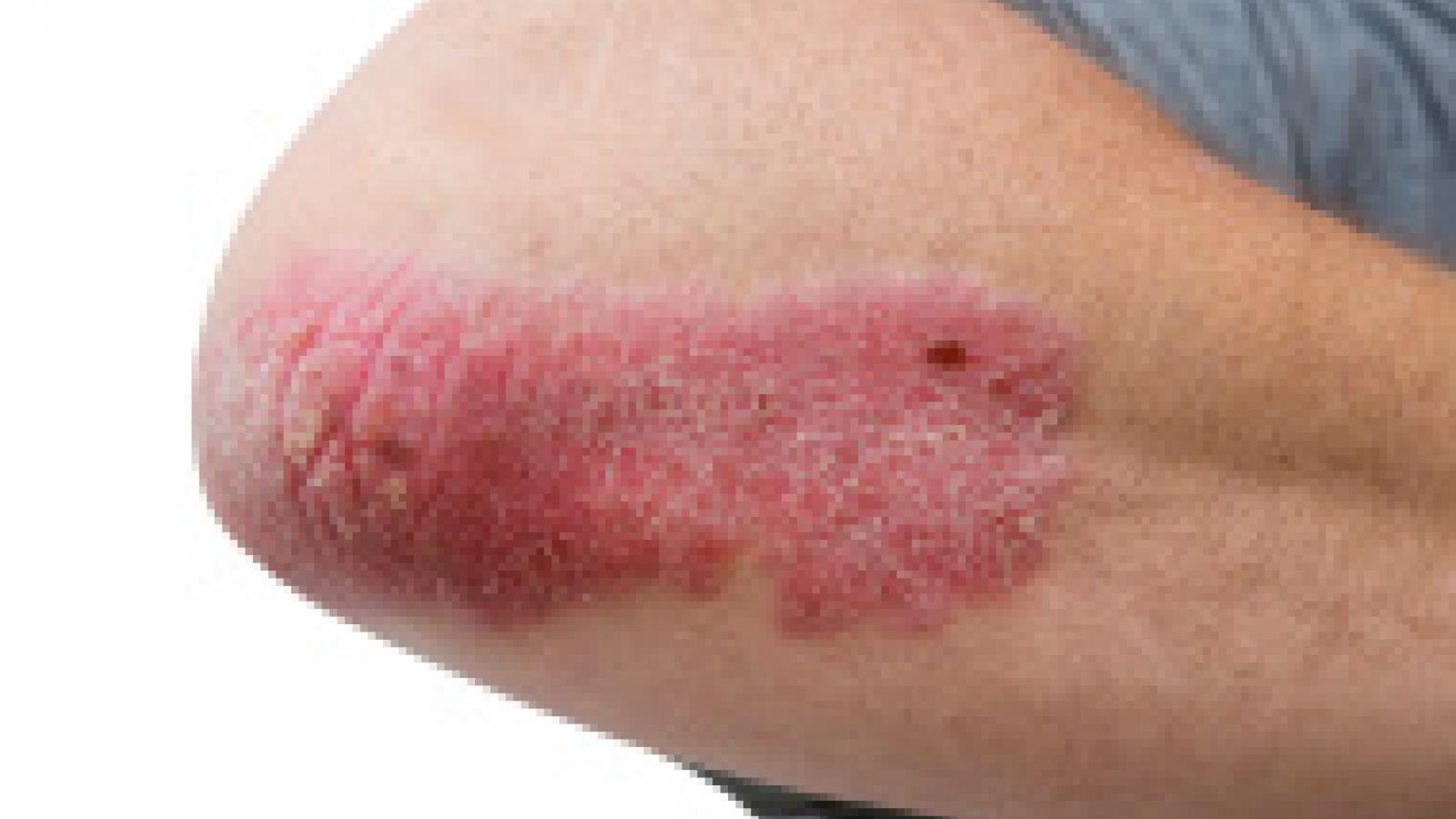
The NEJM has published the results of a phase 2 randomized trial showing that the use of an interleukin-36 receptor inhibitor, spesolimab, resulted in rapid improvement of generalized pustular psoriasis (at 1 week), but that adverse events and infections were of concern with 12 weeks of followup.

