

A remaining challenge for clinicians is the ability to delay, if not completely stop, structural progression in patients with axSpA, whether they are diagnosed with radiographic (r-axSpa) or non-radiographic (nr-axSpA) disease.
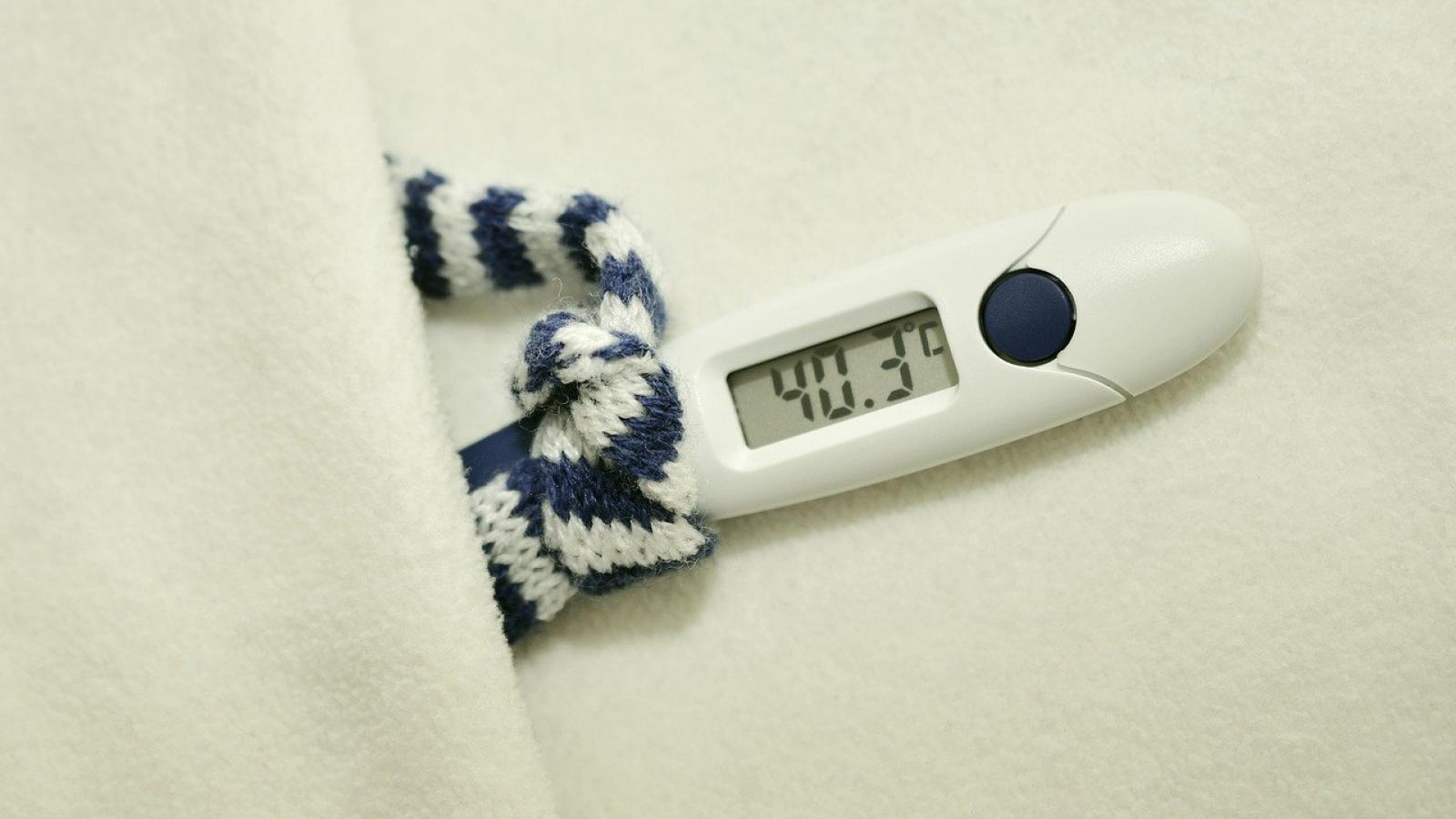
Still's disease is an autoinflammatory disease characterized by spiking fever, rash, polyarthralgia, sore throat and even life-threatening complications, such as macrophage activation syndrome. It was first described by George Still in the late 1800s.

Delay in the diagnosis of axial spondyloarthritis (axSpA) has been a huge challenge and is associated with poor outcomes.

Who wouldn't like to predict the future?

D1 and D2 trials compared guselkumab vs placebo in patients with active PsA, with the major difference between the two being that only biologic-naïve patients were enrolled in the D2 trial. Today, we discuss three abstracts presented at ACR 2021 that expand on that work with an additional year of data.

The RheumNow faculty have been glued to their monitors all day, watching video, and running down abstract presentations to find the best – several of these stood out as #ACRBests. Here is a listing of “Best” they saw on Day 1.

Patients with axial spondyloarthritis (axSpA) often have increased absence from work as well as reduced productivity at work, which can have profound impacts for not only the affected individual and their families, but also lead to wider economic and social burden.

The ACR meeting is the premier educational event in rheumatology every year; it’s big for clinicians, academics, North American and international rheumatologists and those who will be presenting their research for the first time.
Your objectives in attending the annual meeting are:

In rheumatoid arthritis we have a wide range of options available to us when we progress to a biologic treatment option. We have little to differentiate between these agents based on the clinical trials. We often make our choices based on minor hints from clinical features, comorbidities, or cost considerations.

Despite the increasing scientific knowledge on axSpAs, a substantial gap still remains. Delay in diagnosis continues to pose a threat in the early identification of patients and those already on treatment may deal with additional issues such as work productivity or quality of life.
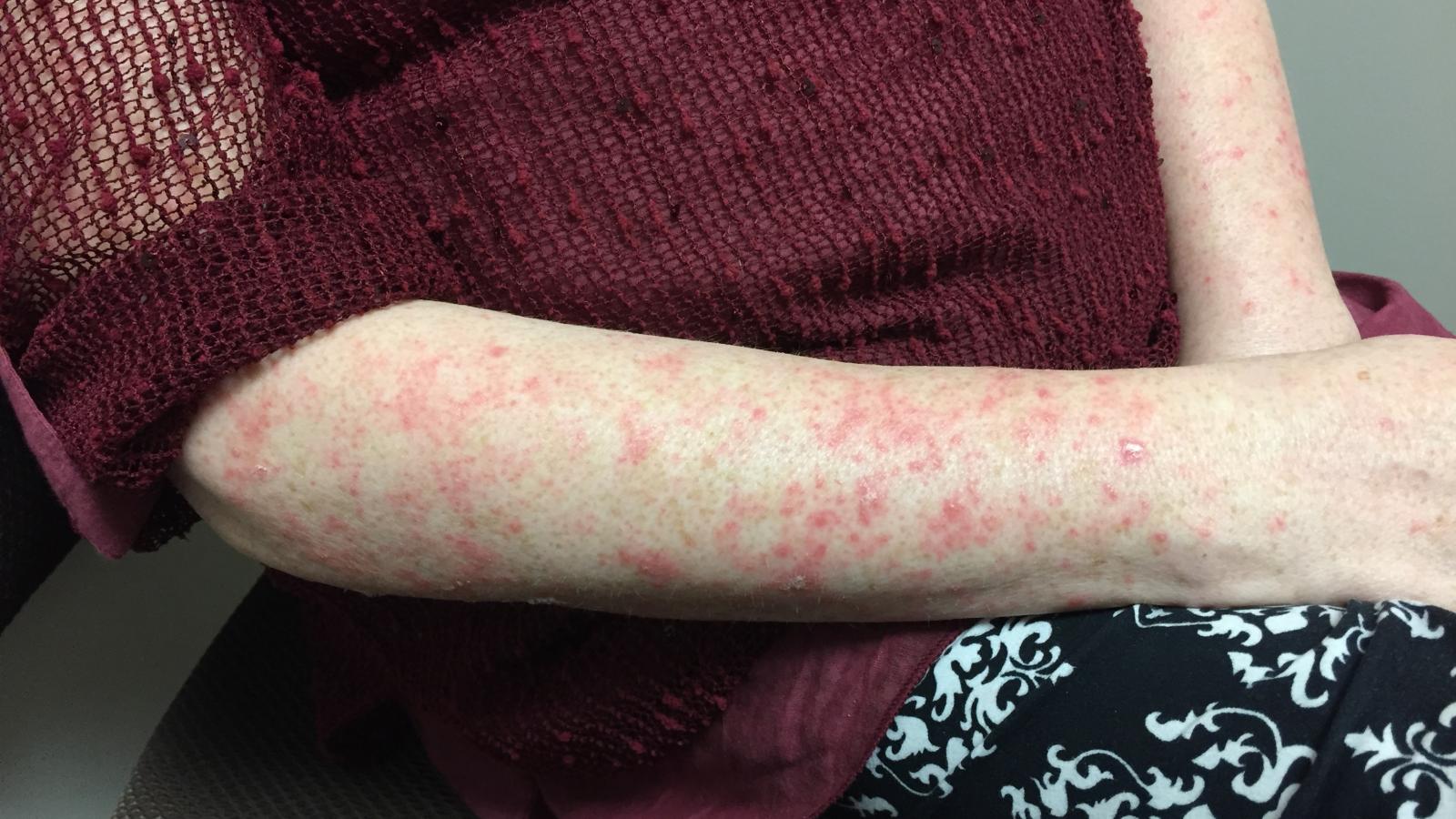
The arsenal of therapeutics for psoriatic arthritis continues to increase. Risankizumab is an IL-23 inhibitor to the p19 subunit, currently being investigated for treatment of psoriatic arthritis.

The opening of ACR2 Convergence was a hit for all who signed up and viewed in. The day included the presidential address by outgoing president Dr. David Karp (UT Southwestern) and a keynote talk and interview with Dr. Seema Yasmin (Stanford).
The Year in Review featured a clinical vs basic science Brigham and Women’s Hospital faceoff between its two faculty, Dr. Karen Costenbader and Dr. Michael Brenner.
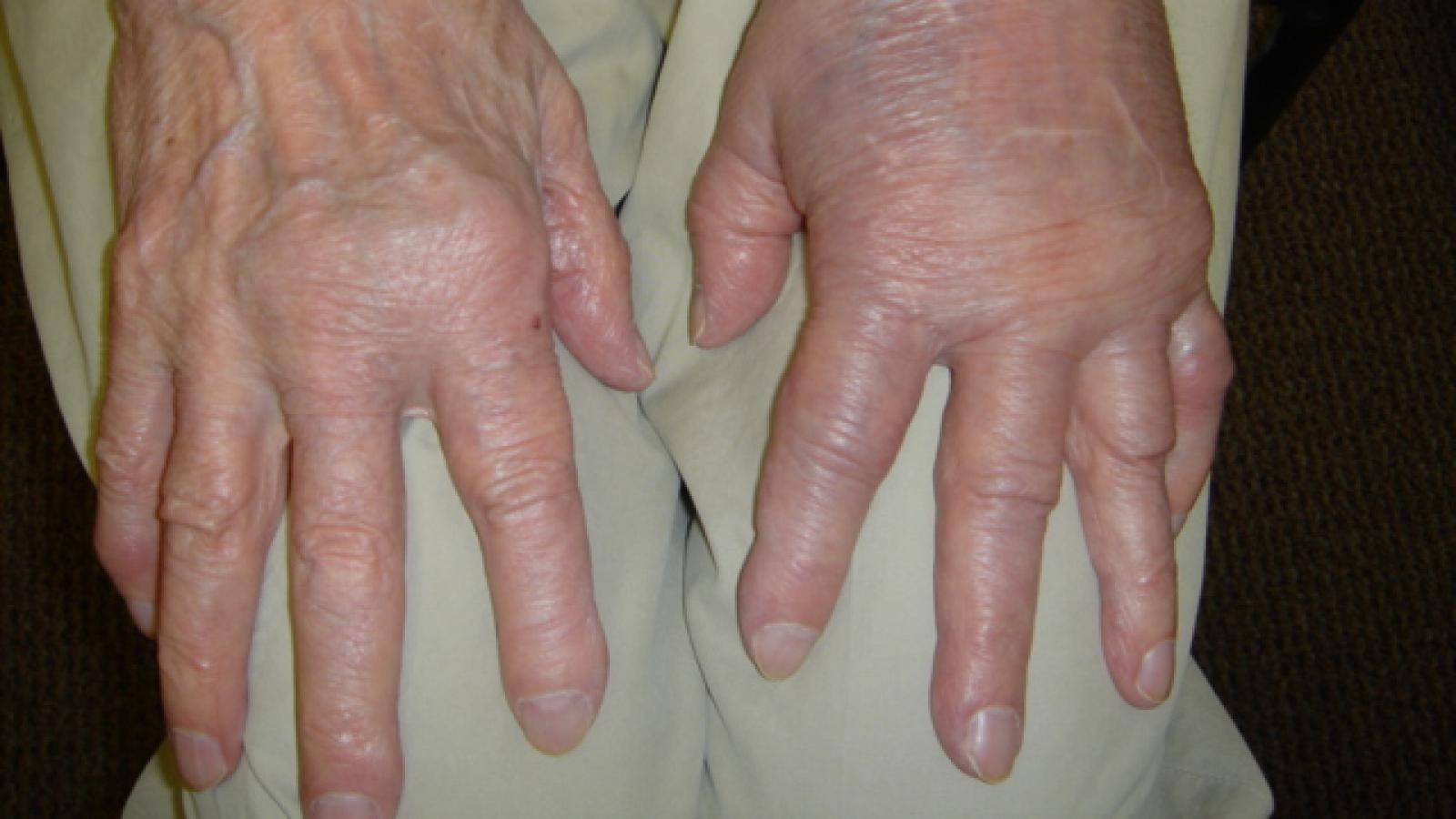
Appropriate assessment and management of comorbidities and multimorbidity in patients with RA is vital for overall health and well-being of the patient, as well as to encourage treatment adherence, and address social, psychological and quality of life factors.

Growing awareness of spondyloarthropathies over the last two decades has led to a better understanding of the pathophysiology of spondyloarthritis, and subsequently increased interest in more distinct, disease state specific treatment options.
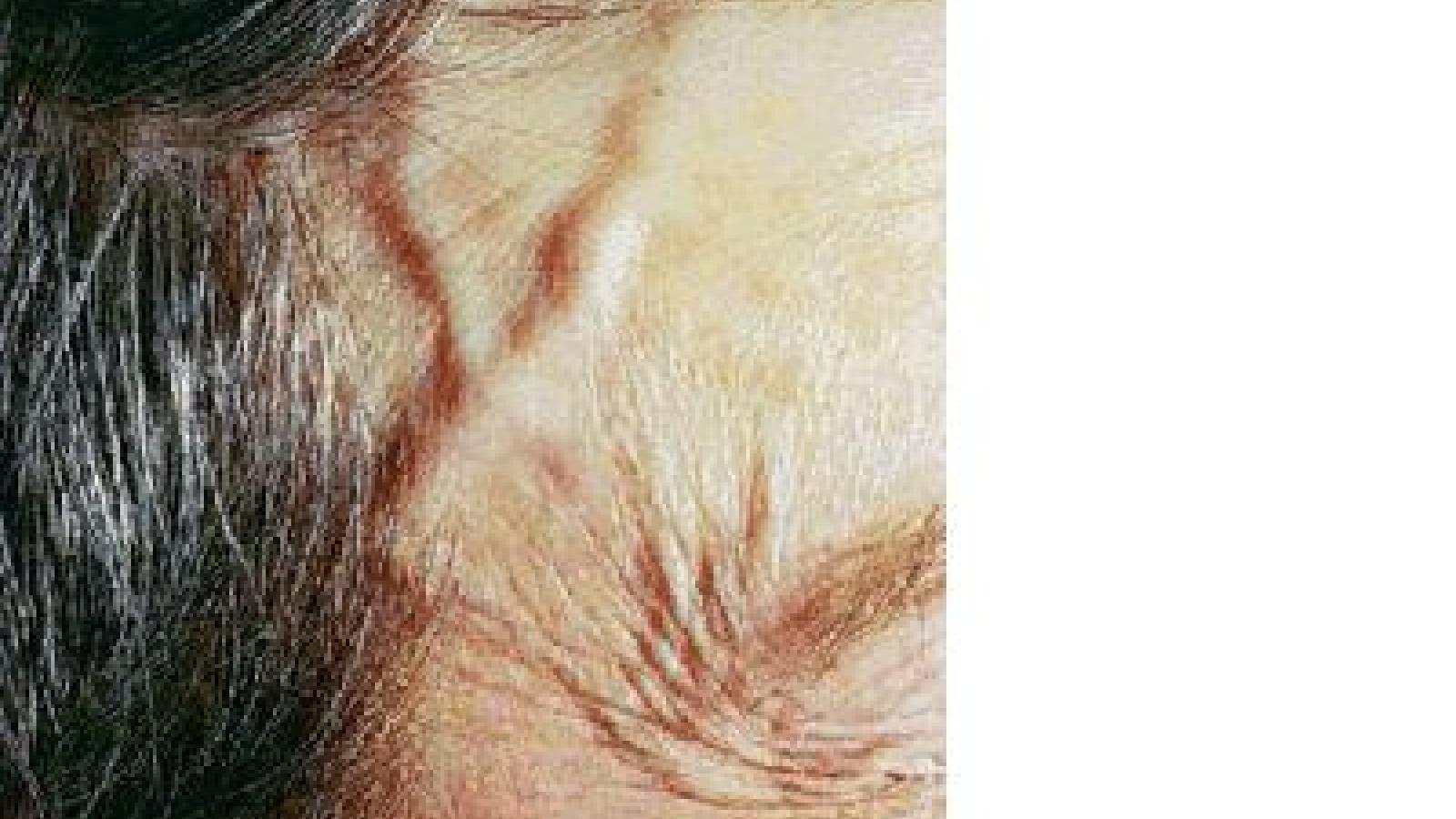
Giant cell arteritis is associated with significant treatment related morbidity due to the dependence on glucocorticoids as a treatment option. After sixty years of therapeutic stagnation, these are exciting times in the management of GCA. At this year's ACR Convergence meeting, encouraging data will be presented on options for GCA.

