

New research presented this week at ACR Convergence, the American College of Rheumatology’s annual meeting, shows that in one study, the majority of rheumatoid arthritis patients on an ultra-low dose of the drug rituximab maintained low disease activity for up to four years, and rarely needed to switch to other biologic drugs or glucocorticoids to control their disease (Abstract #1443).

The American Society of Clinical Oncology, Inc (ASCO) has updated its guidelines and recommendations for the management of immune-related adverse events (irAEs) in patients treated with immune checkpoint inhibitor (ICPi) therapy. Below are select statements from this guideline.

Lupus management is guided by assessment of both clinical and serologic features; but what happens with the patient with systemic lupus erythematosus (SLE) serologically active, but clinically quiescent (SACQ)? A large cohort study shows that nearly one-third of such patients may flare and may require therapy.

New research to be presented this week at ACR Convergence, the American College of Rheumatology’s annual meeting, shows a relationship between genotype, bone marrow failure and survival in patients with the rare autoinflammatory disease VEXAS syndrome, which was only identified in 2020.

Cell has published the results of a multinational, GWAS meta-analyses of 826,690 individuals that included 177,517 osteoarthritis patients, finding 52 previously unknown osteoarthritis (OA) genetic risk variants and linking OA genetic risks with joint distribution and pain-related phenotypes.
Bad things happen when our patients go into the ICU and it's not always due to the disease. Good things happen when we rise from sitting. And guess what? Rheumatologists are setting cardiology straight about hydroxychloroquine and chloroquine. This, and a special recognition of parent-child rheumatologists, along with the news and articles from this week on RheumNow.

National Health Data from France examined biologic use in patients with moderate to severe psoriasis, and found the risk of serious infections (SIE) to be increased with some biologics (infliximab and adalimumab), but not others (etanercept, ustekinumab IL-17 and IL-23 inhibitors or apremilast).

The Annals of Internal Medicine reports that targeting B-cells in refractory systemic lupus erythematosus (SLE) with sequential belimumab after rituximab may significantly reduce dsDNA antibody titers and lessen the number of future severe flares.
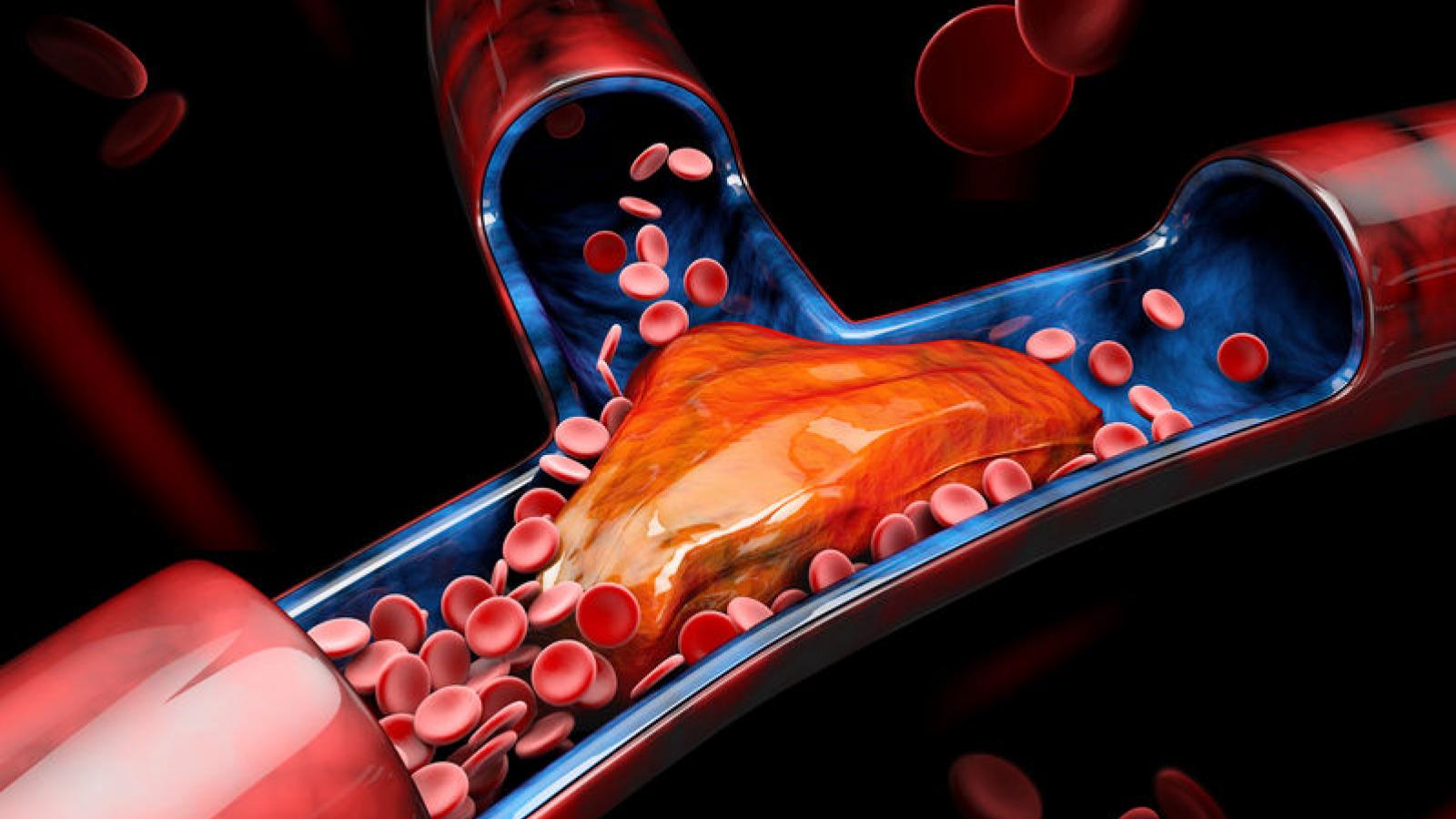
RA patients have an increased risk of venous thromboembolism (VTE) related to disease activity and inflammation, yet a large real-world study of older RA patients shows methotrexate to be associated with a 2-fold increased VTE risk (compared to hydroxychloroquine).
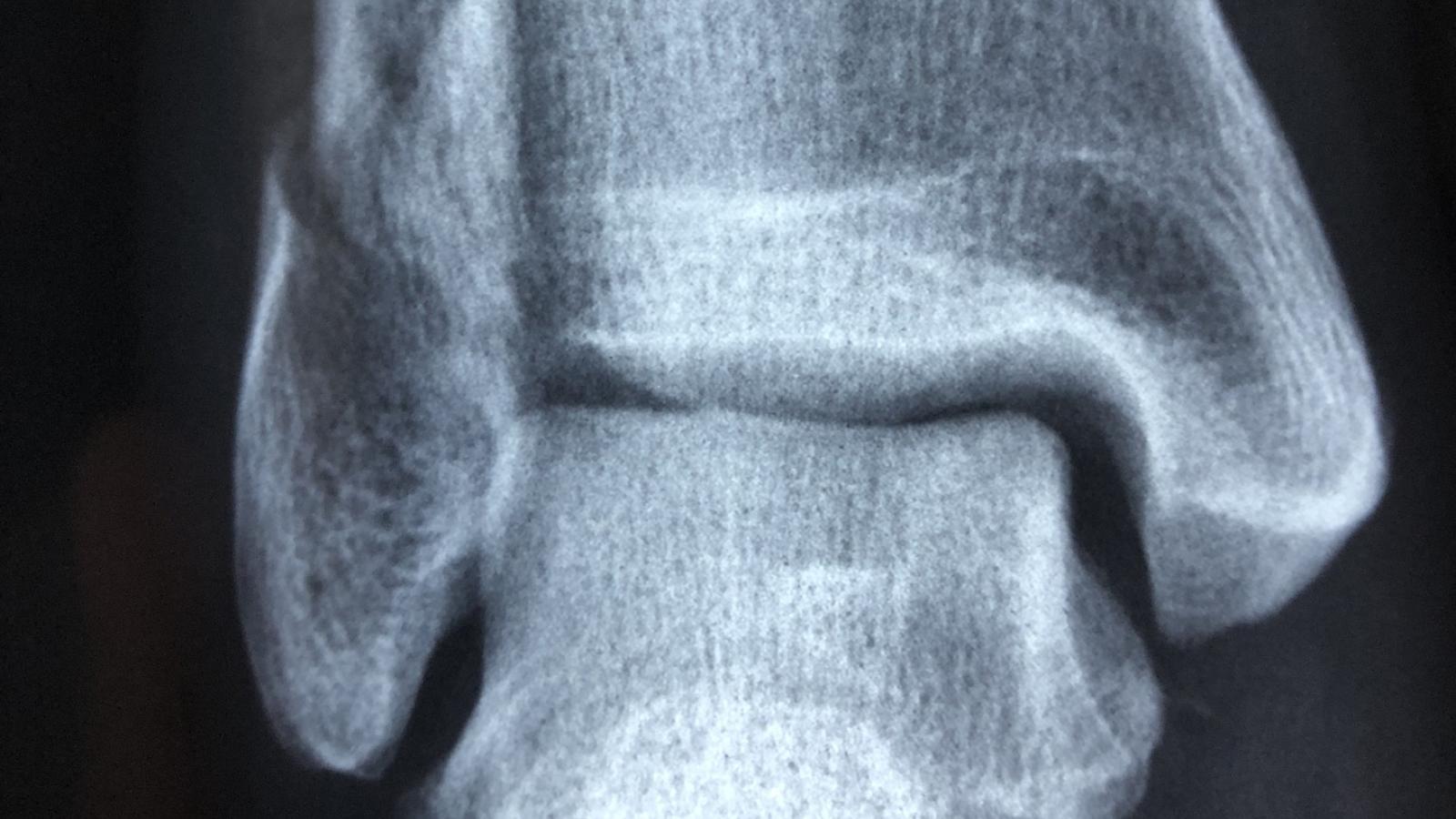
A controlled trial of intra-articular platelet-rich plasma (PRP) injections into the ankle of osteoarthritis (OA) patients failed to improve ankle symptoms and function when compared to placebo injections - yet another trial showing that intraarticular injections are seldom beneficial.

Today, Lilly and Pfizer announced their global clinical development of the NGF inhibitor, tanezumab, has been discontinued due to recent negative opinions from the EMA and FDA advisory committee.
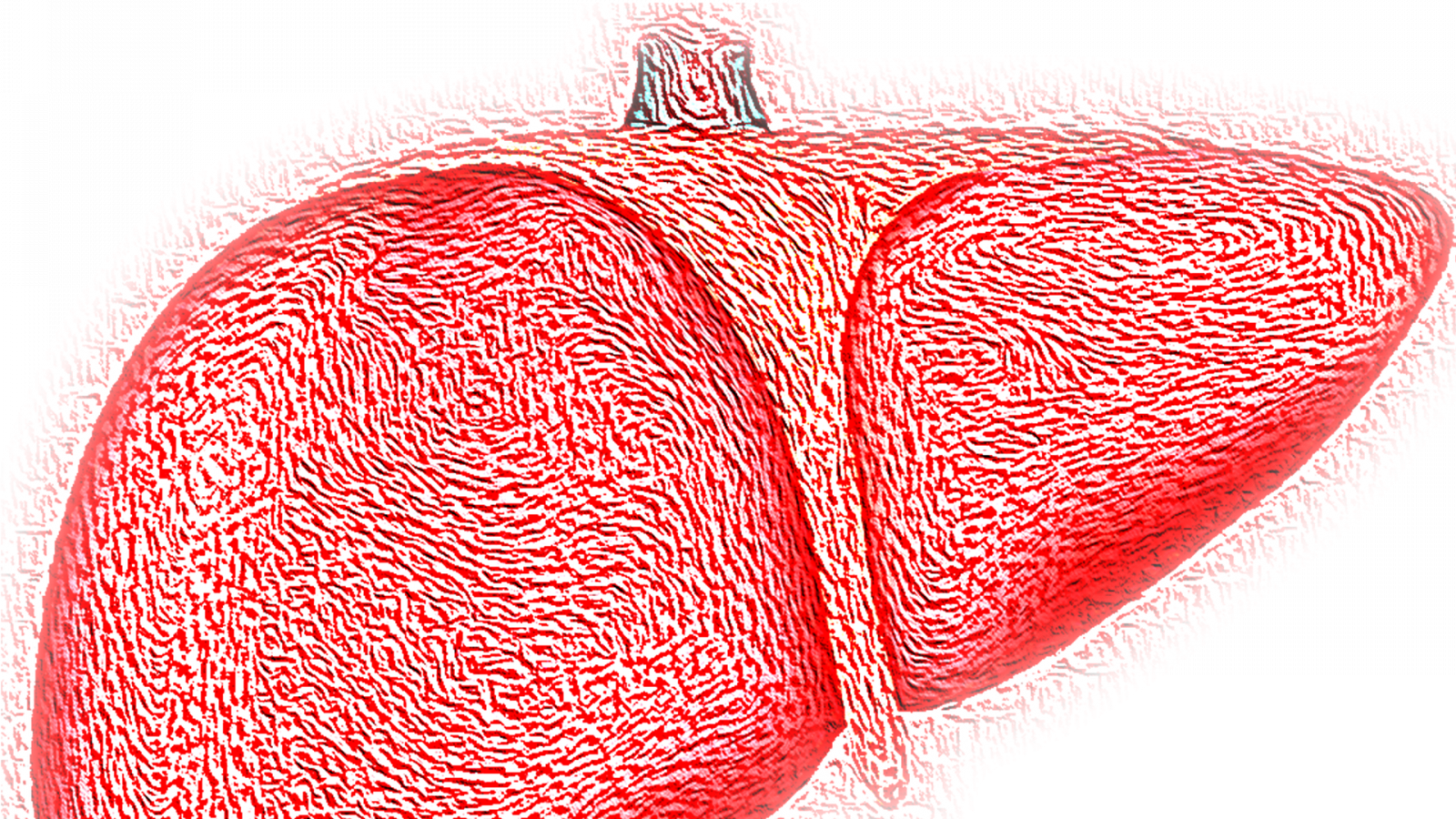
The current issue of the NEJM has two articles on nonalcoholic fatty liver disease (NAFLD also called NASH - nonalcoholic steatohepatitis), one dealing with the prognoses, outcomes and mortality of NAFLD and another prospective and promising interventional trial in NASH patients.

Healthcare is a personal and individualized relationship between a provider and patient. Each patient is treated according to their particular symptoms and personal health characteristics. For this reason, the wide variability in patient responses to the same medical treatments must be acknowledged and accounted for in making public health decisions.

Pregnancy outcomes may be affected by psoriatic arthritis or antirheumatic treatment; registry cohort study shows that preterm birth and cesarean delivery were mostly increased by antirheumatic treatment, especially biologics.
Today I have a few questions: Is tramadol really a weak narcotic? Should we really still be doing placebo-controlled trials? What are we going to do about our patients who are smokers? This and more, in this week's review of the news and journal articles.

