
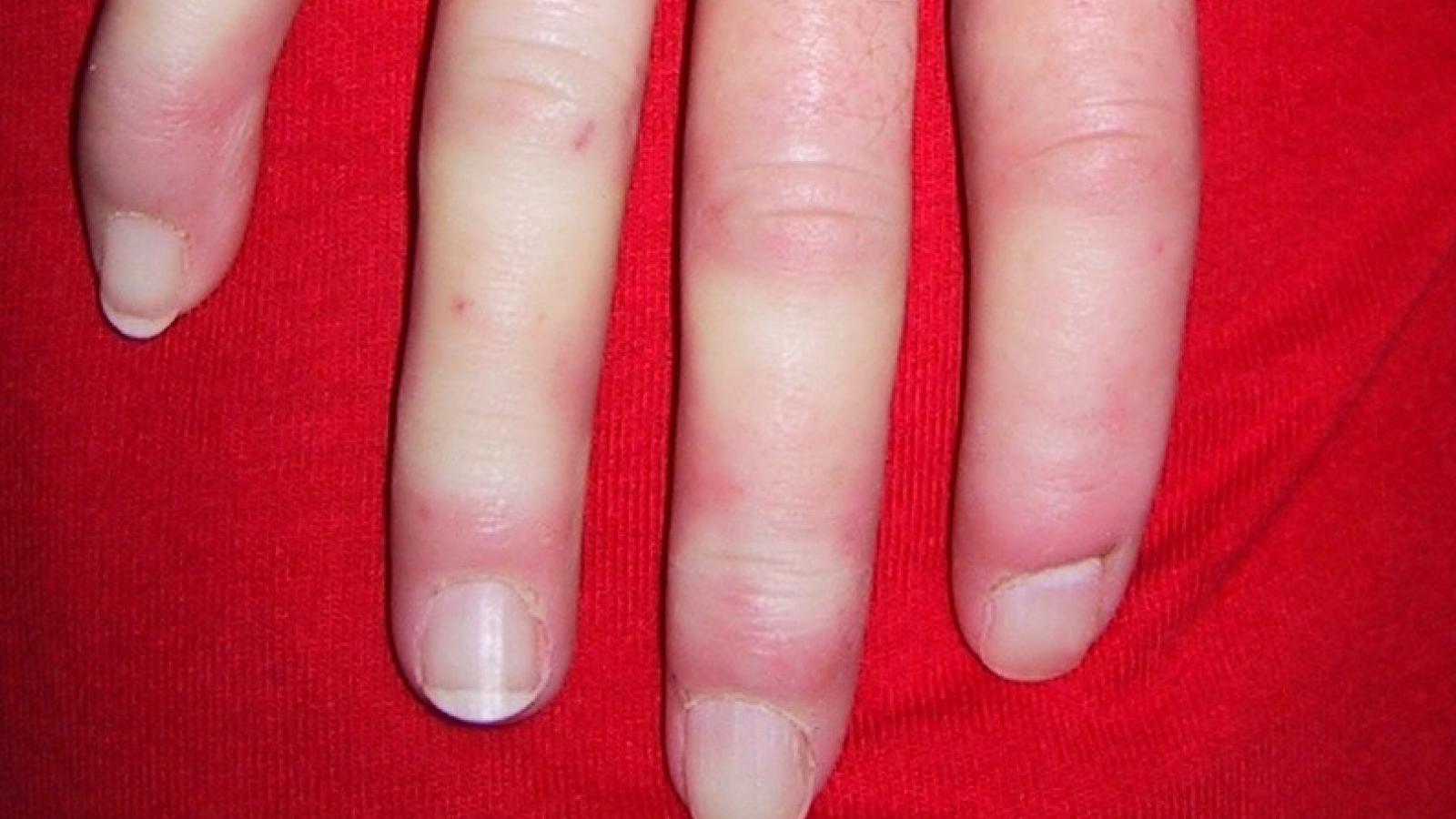
A phase II study of patients with early diffuse systemic sclerosis (SSc) has demonstrated improvement in SSc skin outcomes by targeting T cells and fibrosis with the bispecific monoclonal antibody romilkimab (RMK).
Romilkimab is an engineered, humanised, bispecific immunoglobulin-G4 antibody that binds and neutralises IL-4/IL-13 making it ideal for exploration in fibrosis.

JAMA Dermatology reports a claims-based, case-time-controlled French study of 9290 psoriasis patients suggesting that ustekinumab initiation may be associated with an increased risk of acute coronary syndrome or stroke in high risk cardiovascular patients.

CDC reports that since June 2020 individuals infected with COVID-19 have largely been young adults in the 20-29 year age bracket. Moreover, younger adults appeared to be driving community transmission of COVID-19.
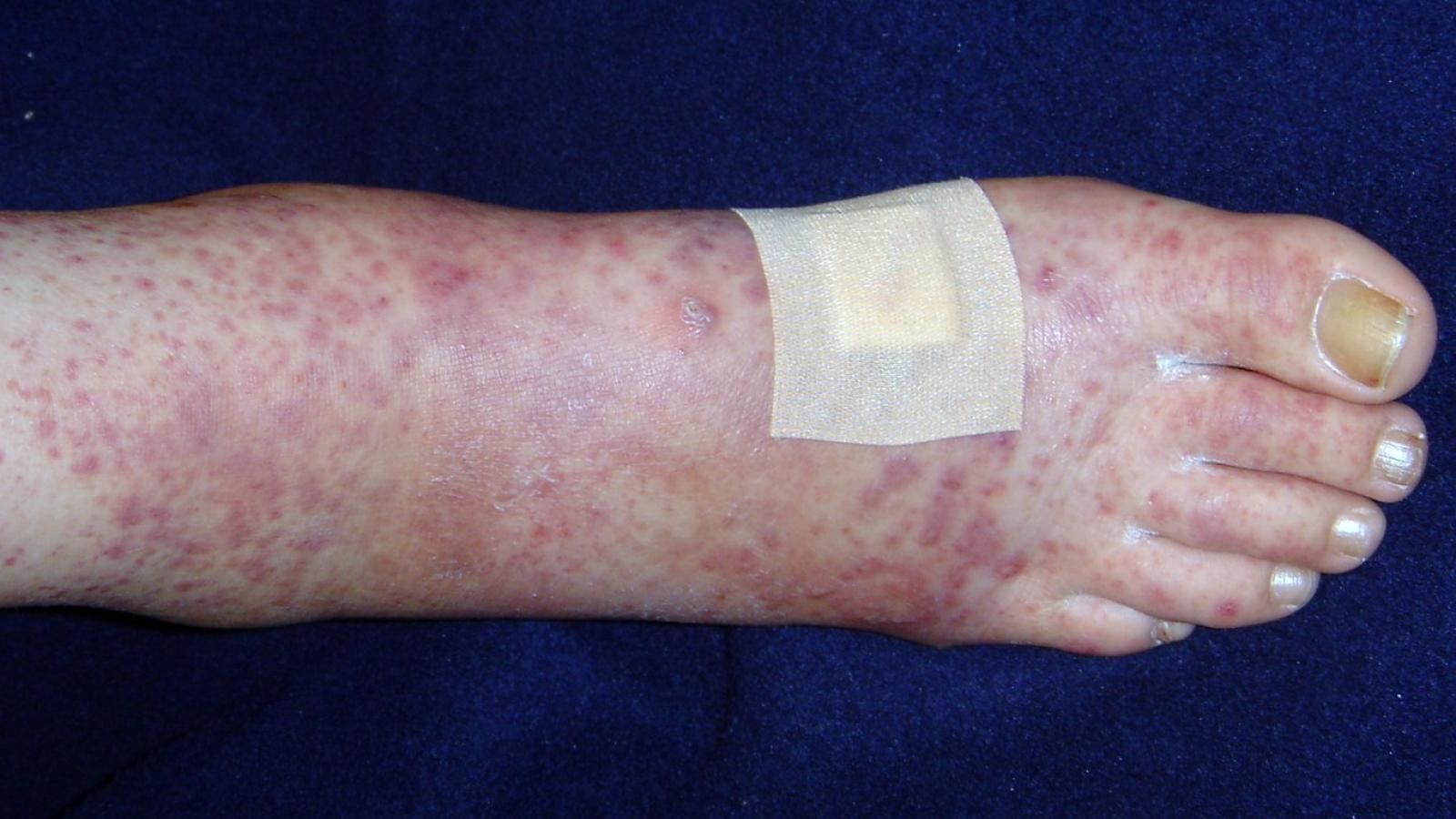
JAMA Dermatology expands the spectrum of complications seen with severe acute respiratory syndrome coronavirus 2 (SARS-CoV-2) infection describing cutaneous purpura and livedo lesions in patients with severe COVID-19.
A flurry of recent reports have described livedoid and necrotic eruptions in confirmed COVID-19 cases many of whom had severe disease.

Asymptomatic people who have been exposed to COVID-19 should be tested, the CDC said on Friday, in a reversal of controversial guidance the agency introduced in late August.
It is now unequivocal, with the agency stating that for individuals without symptoms who have been in close contact with an infected person for at least 15 minutes: "You need a test."

Research from Oxford University suggests a potential pathogenic role for the chemokine CXCR3 and clonally restricted CD8+ T cells in the pathogenesis of psoriatic arthritis (PsA) based studies of PsA synovial fluid samples obtained by arthrocentesis from 11 patients with large-joint oligo PsA.

Patients with RA have up to a three-fold increased risk of mortality versus the general population, largely due to an increased incidence of premature CVD, such as atherosclerosis and heart failure. This excess risk is as high as that of patients with major CVD risk factors such as type 2 diabetes and is considered independent of traditional cardiovascular risk factors.

Dr Jack Cush reviews the news and journal reports from the past week on RheumNow.com:

There has been little science or evidence regarding the effects of COVID-19 infection on pregnancy and vice versa; and now the recent MMWR addresses the subject with two new reports
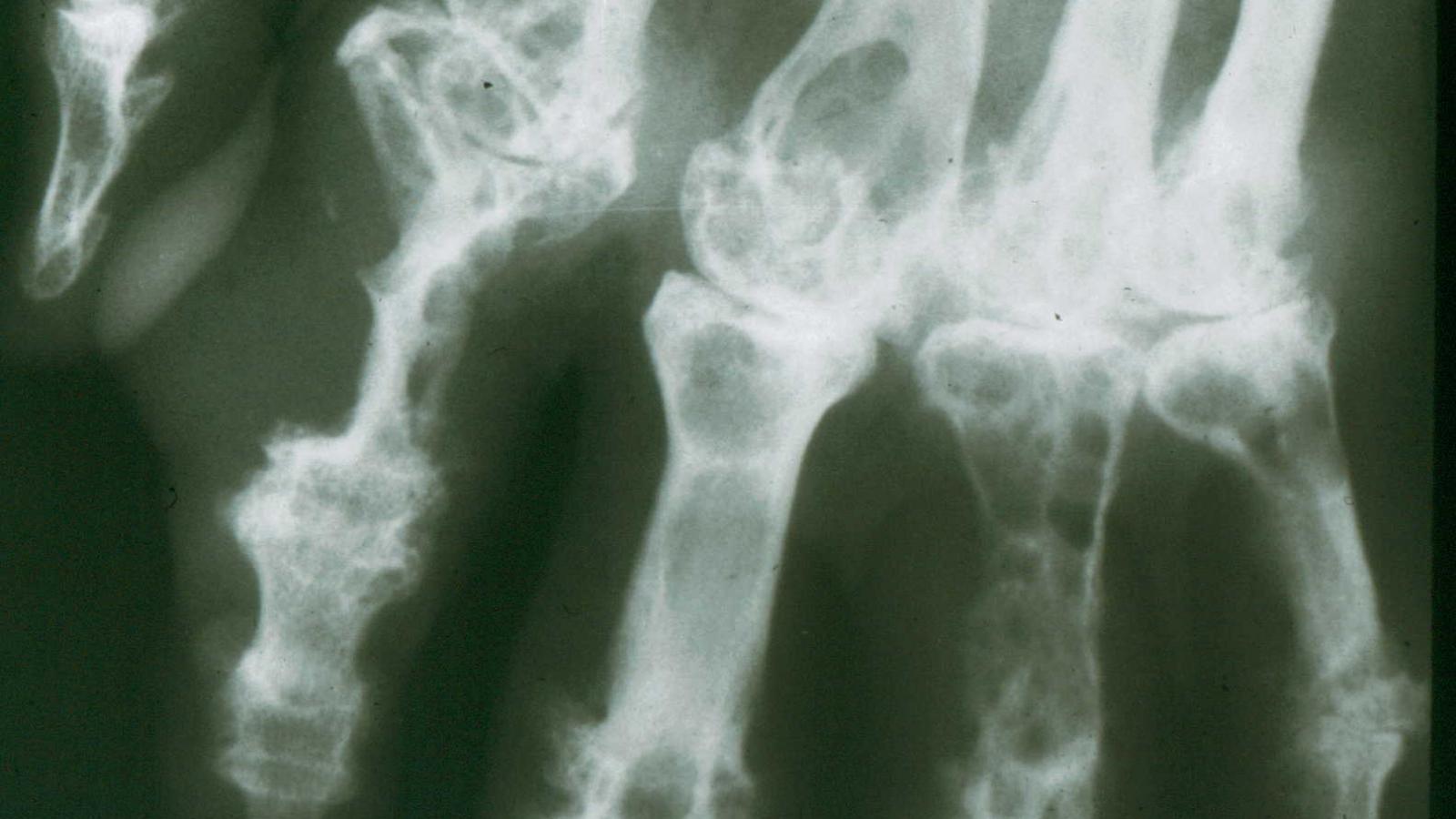
The MIRROR study, an open-label pilot trial in refractory, uncontrolled gout patients, showed that pegloticase given in combination with methotrexate was safe and effective and maintained responses for 6 months after initiation.
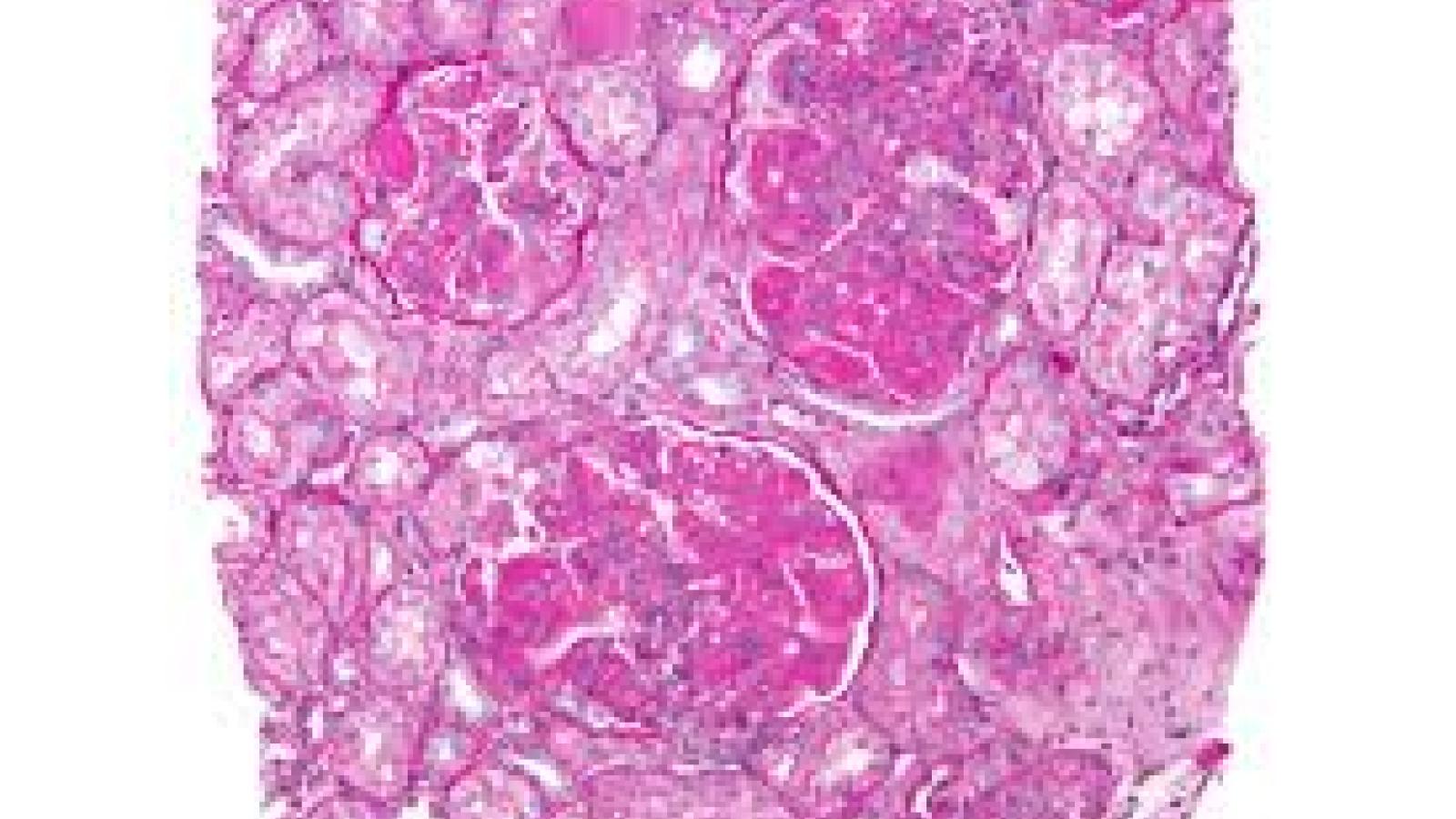
Dr. Rich Furie has lead a group of investIgators in reporting the significant efficacy of intravenous belimumab when added to standard of care induction therapy in patients with active lupus nephritis. This phase 3, 2-year study included 448 systemic lupus erythematosus patients with biopsy proven lupus nephritis (class III or IV +/- V) patients who required induction therapy and have a UPCR ≥1 g/g.
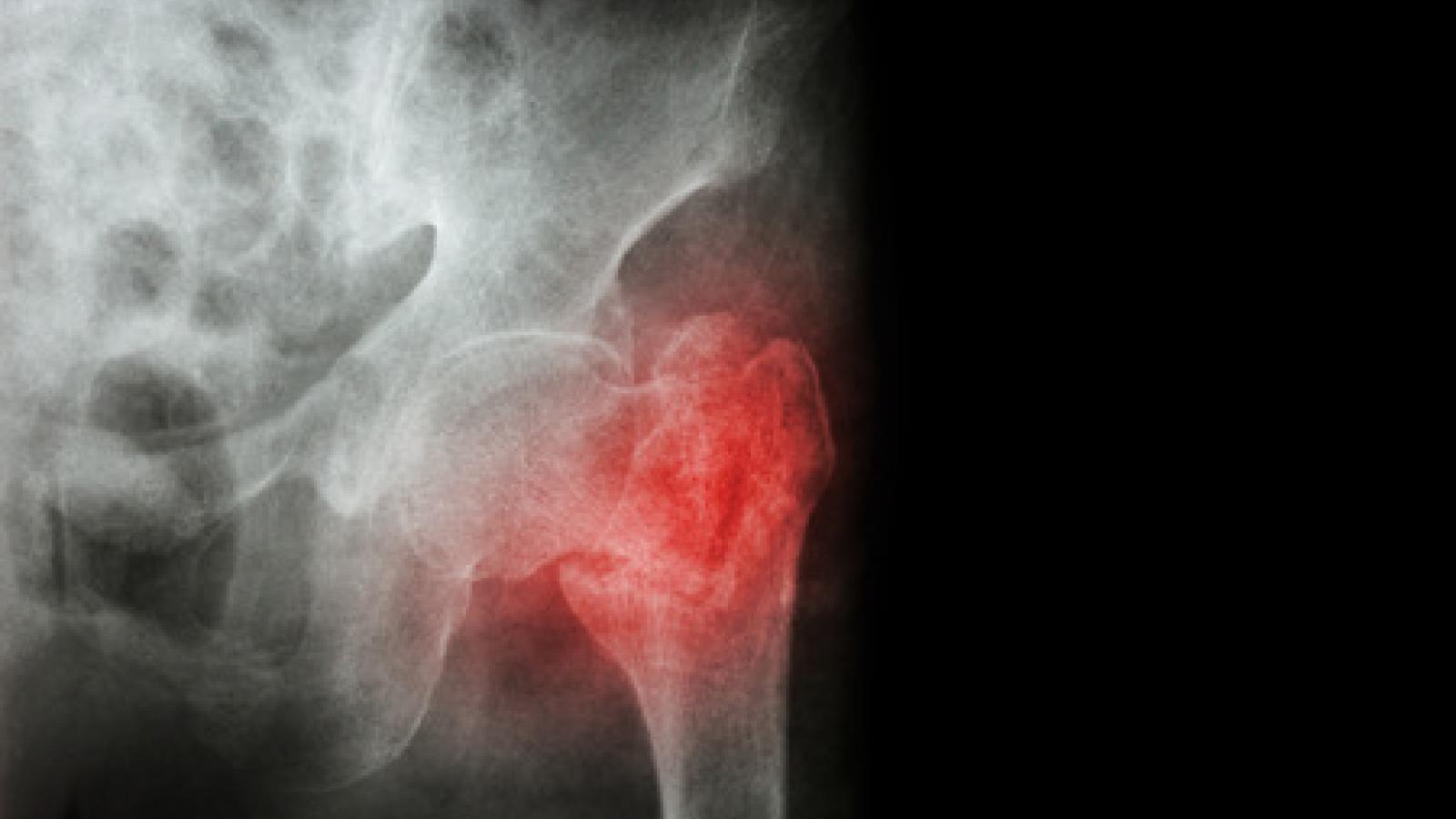
Data from the Framingham Heart Study has shown that hip fracture incidence has decreased over time, probably resulting from improved lifestyle changes (less smoking and heavy drinking).
The incidence of hip fracture has been shown to be decreasing in the US, presumeably attributeable to better osteoporosis treatment and care. This study examined the hip fracture incidence over the past 40 years in the US.

JAMA Internal Medicine reports on a controlled clinical trial of knee osteoarthritis patients wherein meloxicam responses were not significantly or clinically superior to placebo or CBT (after placebo).
Because of the uncertain benefits and safety of long-term NSAIDs, investigators sought to evaluate the comparative efficacy and safety of cognitive behavioral therapy (CBT) in knee osteoarthritis.
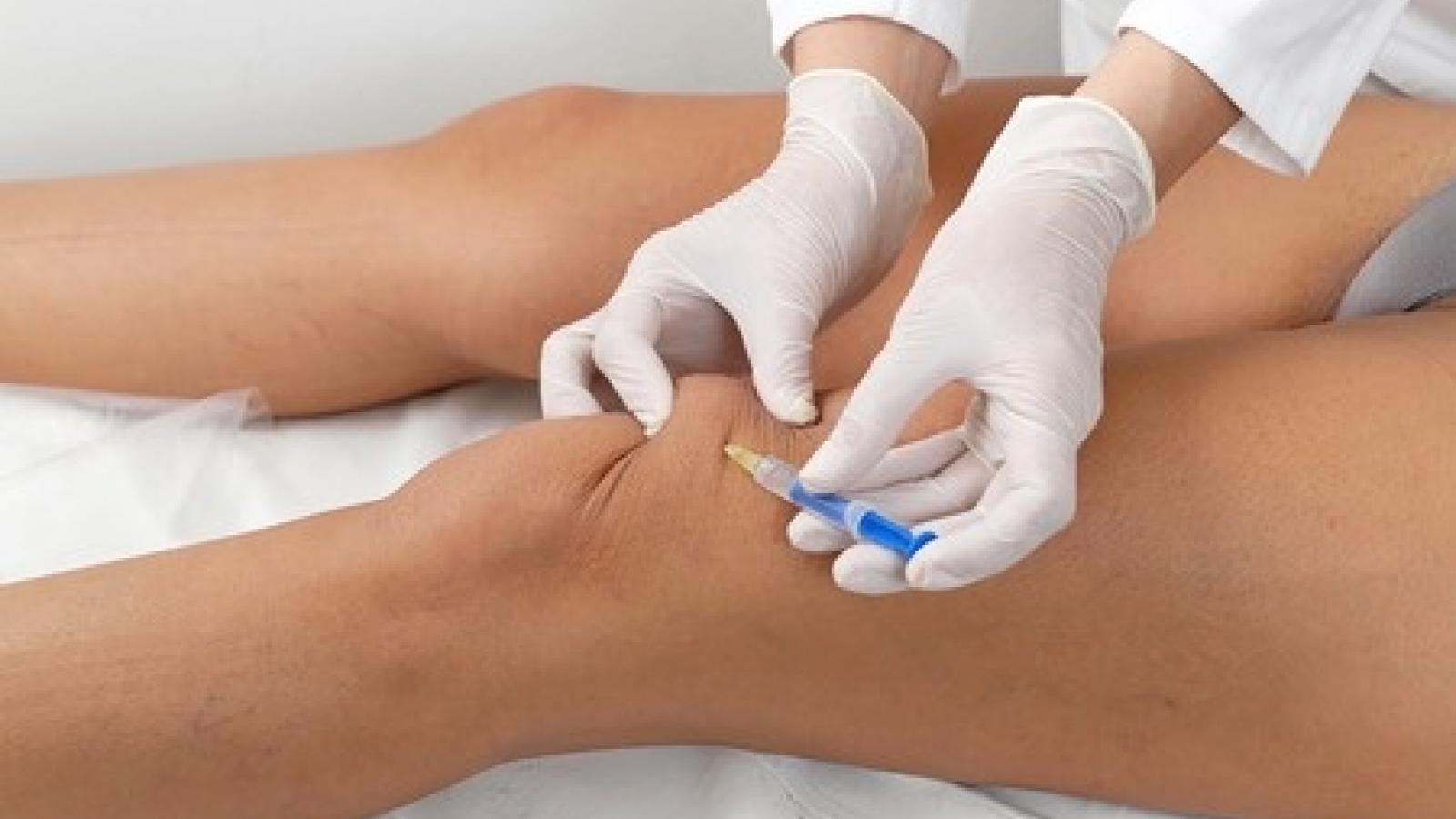
Highly purified synthetic trans-capsaicin (CNTX‐4975) injected directly into the joint reduced pain in chronic knee osteoarthritis (OA), data from the open-label phase III VICTORY-3 trial showed.

Arthritis and Rheumatology reports that a Mediterranean diet (MD) is capable of reducing the high risk of RA among women who have smoked tobacco. The results stem from the E3N Study, a French prospective cohort study that collects dietary data on 98,995 women since 1990. An MD score was derived from standardized questionnaires.

