
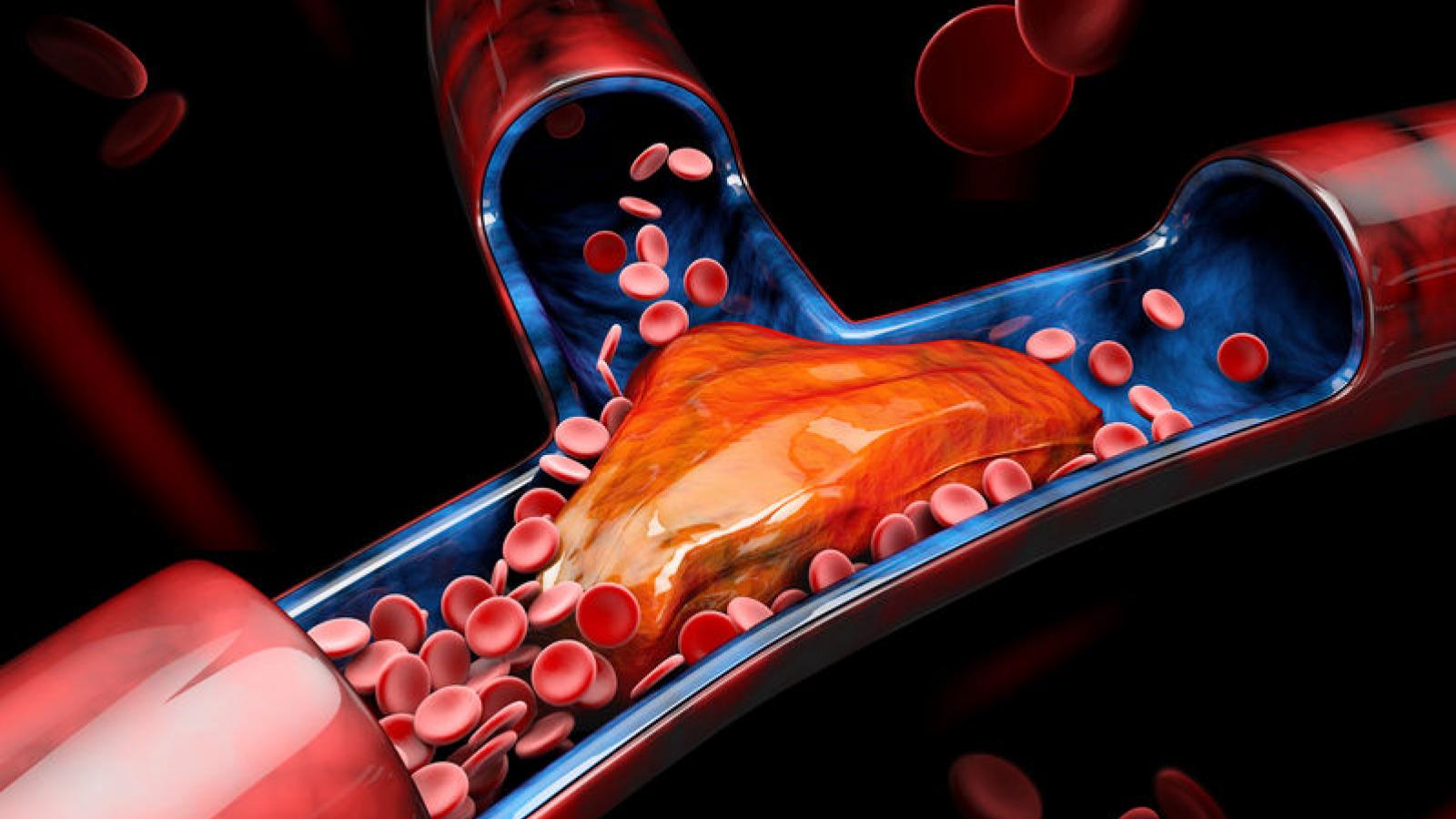
Severe and fatal outcomes with coronavirus infection are often the result of the downstream damage that follows the viral infection. Rising high on the list of complications are the hematologic and vascular complications seen in severely affected patients, so much so that many centers are routinely anticoagulating hospitalized (but not ambulatory) COVID patients.
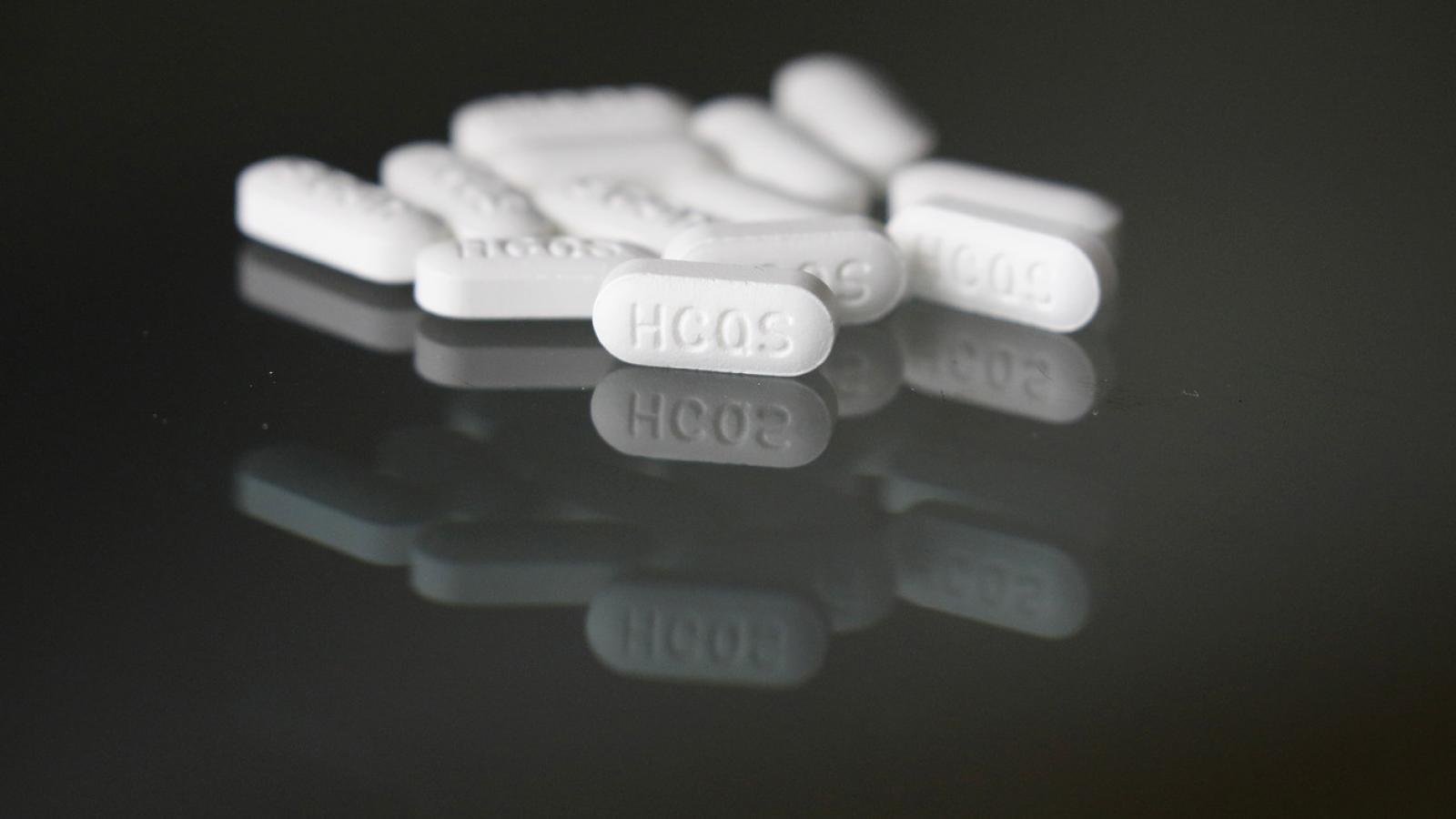
Hydroxychloroquine is one of many medications frequently used in rheumatology practice. Its remarkable versatility is attested by its routine use in lupus, in patients with an autoimmune coagulopathy, in patients with rheumatoid arthritis, as well as in those with a low-level inflammatory arthropathy.

COVID-19 is not going to suddenly end on June 1st. This is a long haul change and you need to be prepared for the aftershocks and fallout. It’s time to be be a Marine and ”Improvise, Adapt, and Overcome”.

At my COVID home command center, I feel pretty prepared for everything. From here, I can run my practice, manage and home-school 3 children and keep the family afloat.
I have 2 computers: one for telemedicine/business meetings and one for e-learning lessons/school updates that teachers and school administrators email me throughout the day for my children. As a no-nonsense, organized mom and doctor, I felt ready to handle any

Lancet has reported COVID outcomes from NewYork-Presbyterian hospitals in NYC during March 2020 showing high rates of hospitalization, ICU admission, mechanical ventilation and death.
A prospective observational cohort study 2 2 NYC hospitals from March 2 to April 1, 2020, looking at laboratory-confirmed COVID-19 and were critically ill with acute hypoxaemic respiratory failure, and collected clinical, biomarker, and treatment data.
Dr Jack Cush reviews the journal reports and news from RheumNow this past week. Highlights include:
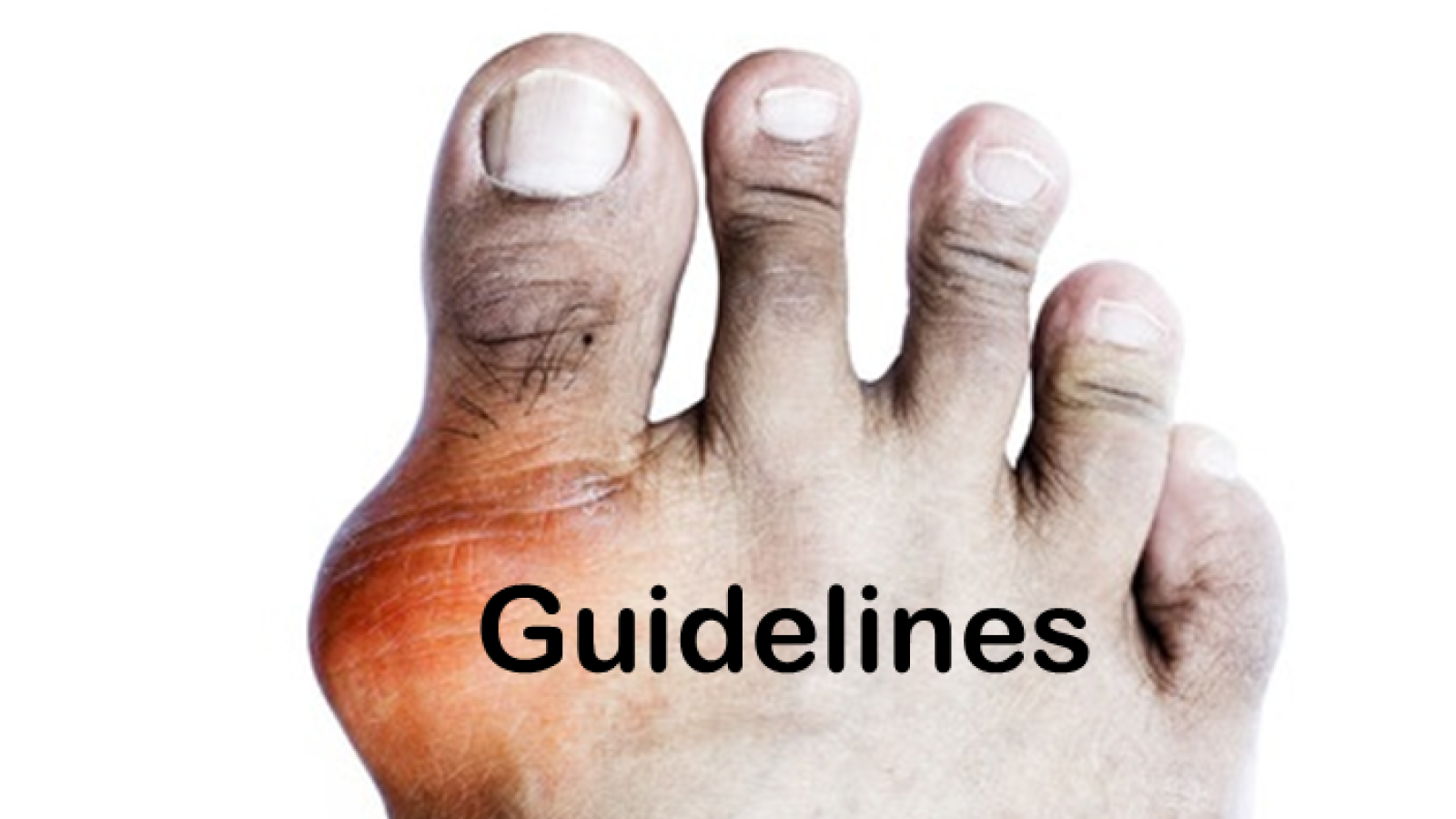
In May, the American College of Rheumatology (ACR) released the"2020 Guideline for the Management of Gout"reflecting new clinical evidence since the last guideline published in 2012.
The guideline puts forth 42 recommendations, including 16 strong recommendations, based in 52 PICO questions and a systematic review of the literature by a guidelines committee following GRADE methodology.
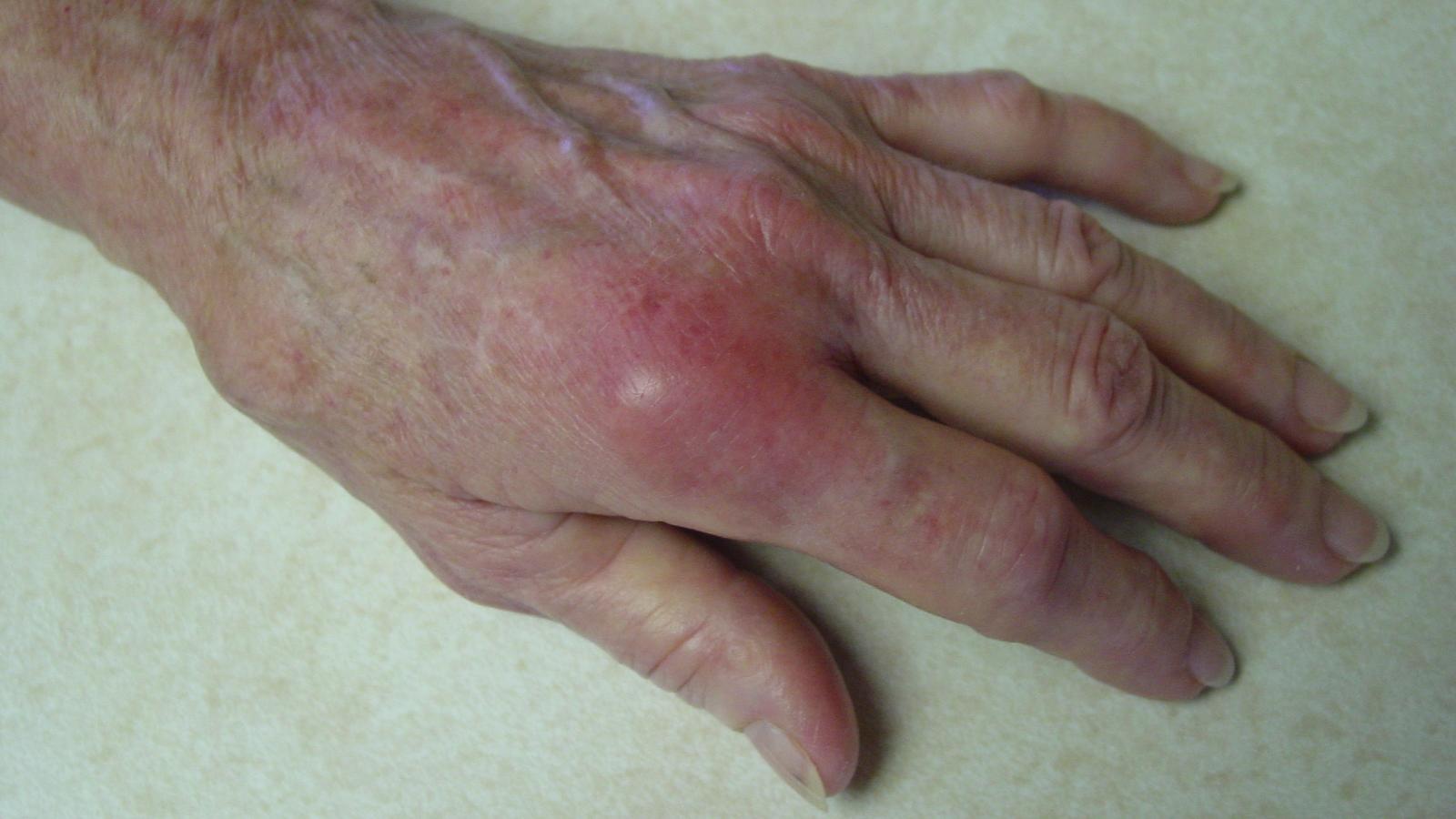
While it is often said there is a negative association between gout and rheumatoid arthritis (RA), cases of coexistent disorders are uncommonly seen. A recent VA study describes 121 patients whith both RA and gout.

Patients with the idiopathic inflammatory myopathies (IIMs) dermatomyositis and polymyositis are at increased risk for cardiovascular events, with risks similar to what has been documented for rheumatoid arthritis (RA), during the first 5 years after diagnosis, U.K. researchers reported.
A new report in the Journal of Rheumatology shows that liver abnormalities are common in psoriatic arthritis (PsA) and may be associated with obesity, more severe disease and select therapies.
An analysis of a prospective PsA cohort study included 1061 patients. Of these, over one-third (n 343) had liver abnormalities.

The VITAL study is a VA registry that has shown that both systemic lupus erythematosus (SLE) and rheumatoid arthritis (RA) patients carry higher odds of both premature and extremely premature atherosclerotic cardiovascular disease and its consequences.
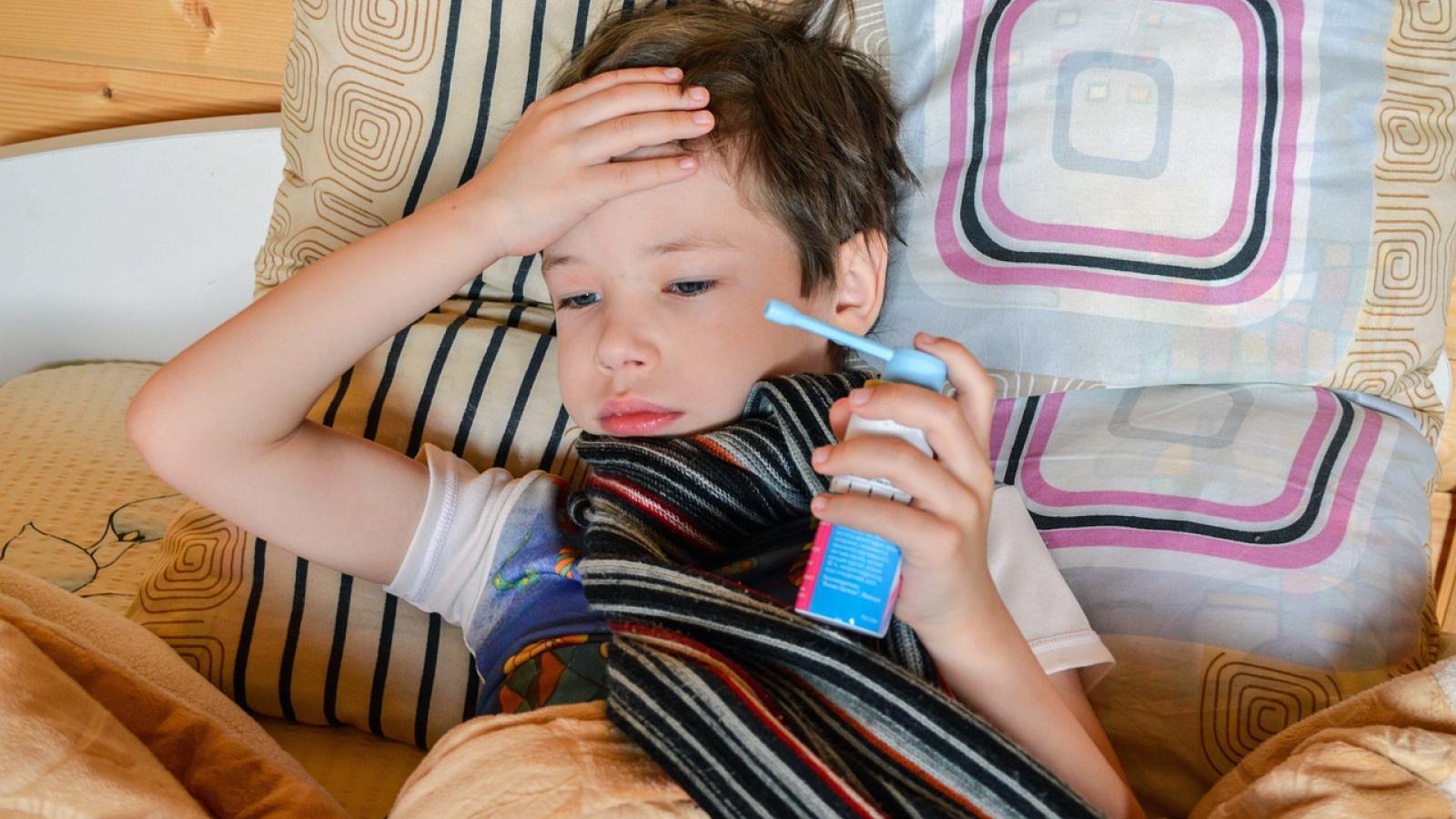
Two recent reports further characterize the newly described, Kawasaki-like, syndrome affecting children with COVID-19 infections.
The NEJM describes the childhood syndrome as having Kawasaki’s disease, fever, toxic shock syndrome, acute abdominal conditions, and encephalopathy; hence the label Childhood Multisystem Inflammatory Syndrome. The disorder emerged in late April 2020, first in the U.K., and then similar cases

The American College of Rheumatology (ACR) has released an official position statement supporting the role of telemedicine as a tool with the potential to increase access and improve care for patients with rheumatic diseases. It also highlights the significant barriers and opportunities presented to patients and rheumatology professionals.
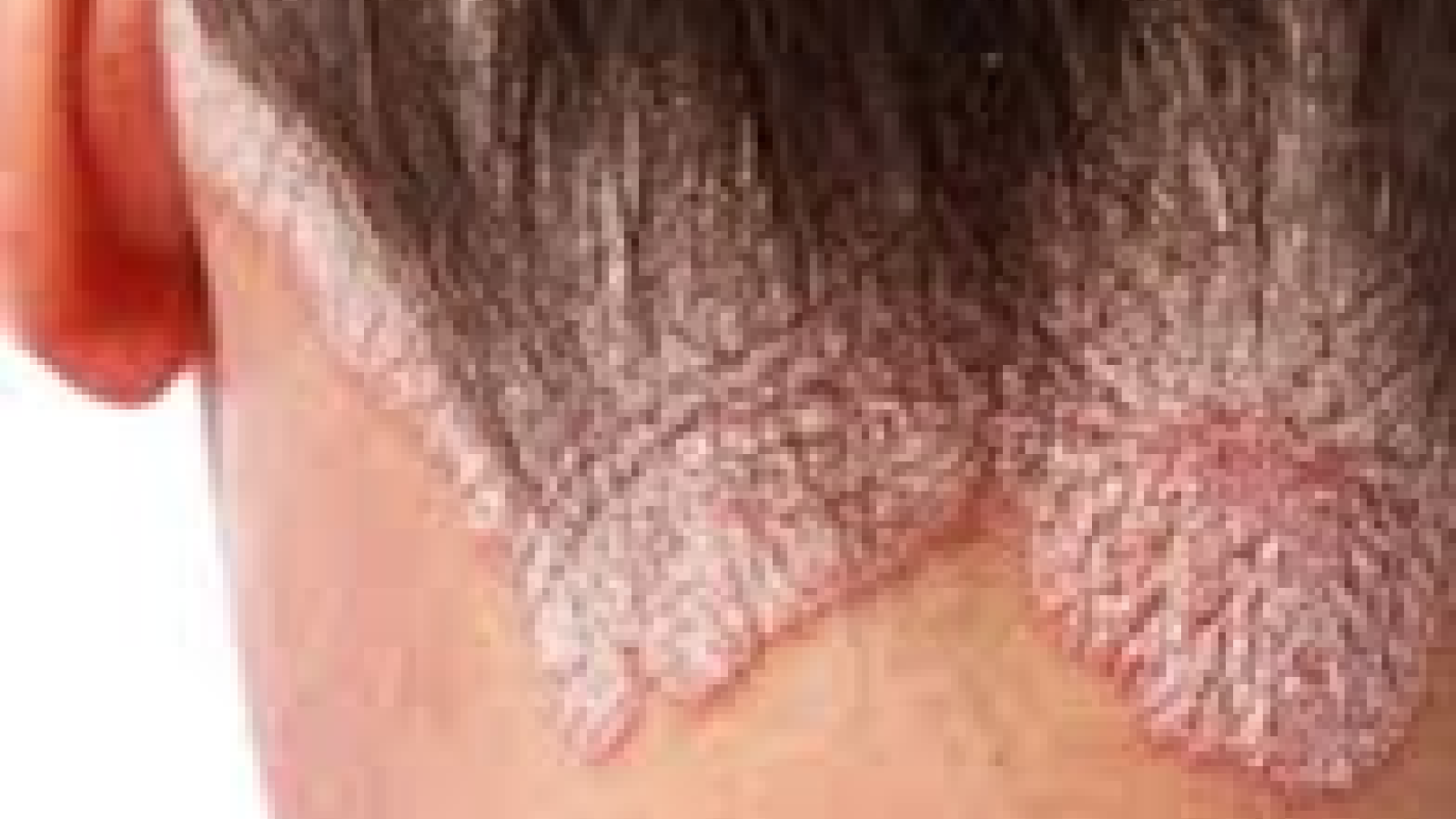
Data presented at the recent American Academy of Dermatology meeting suggests that interleukin (IL)-23 inhibition with risankizumab was more effective than the IL-17 inhibition (secukinumab) based on a 52 week randomized head-to-head trial in moderate to severe psoriasis patients.
A retrospective, observational study published in Lancet Rheumatology has shown that tocilizumab (TCZ) may reduce the risk of death or the need for mechanical ventilation in severe COVID-19 pneumonia. This observational study included adults, with severe COVID-19 pneumonia, who were hospitalized between Feb 21 and March 24, 2020. All were on the standard of care (ie, supplemental oxygen, hydroxychloroquine, azithromycin, antiretrovirals,

