

Patients in the U.S. with myositis who are positive for the anti-MDA5 autoantibody are at high risk for developing interstitial lung disease (ILD), a retrospective study found.
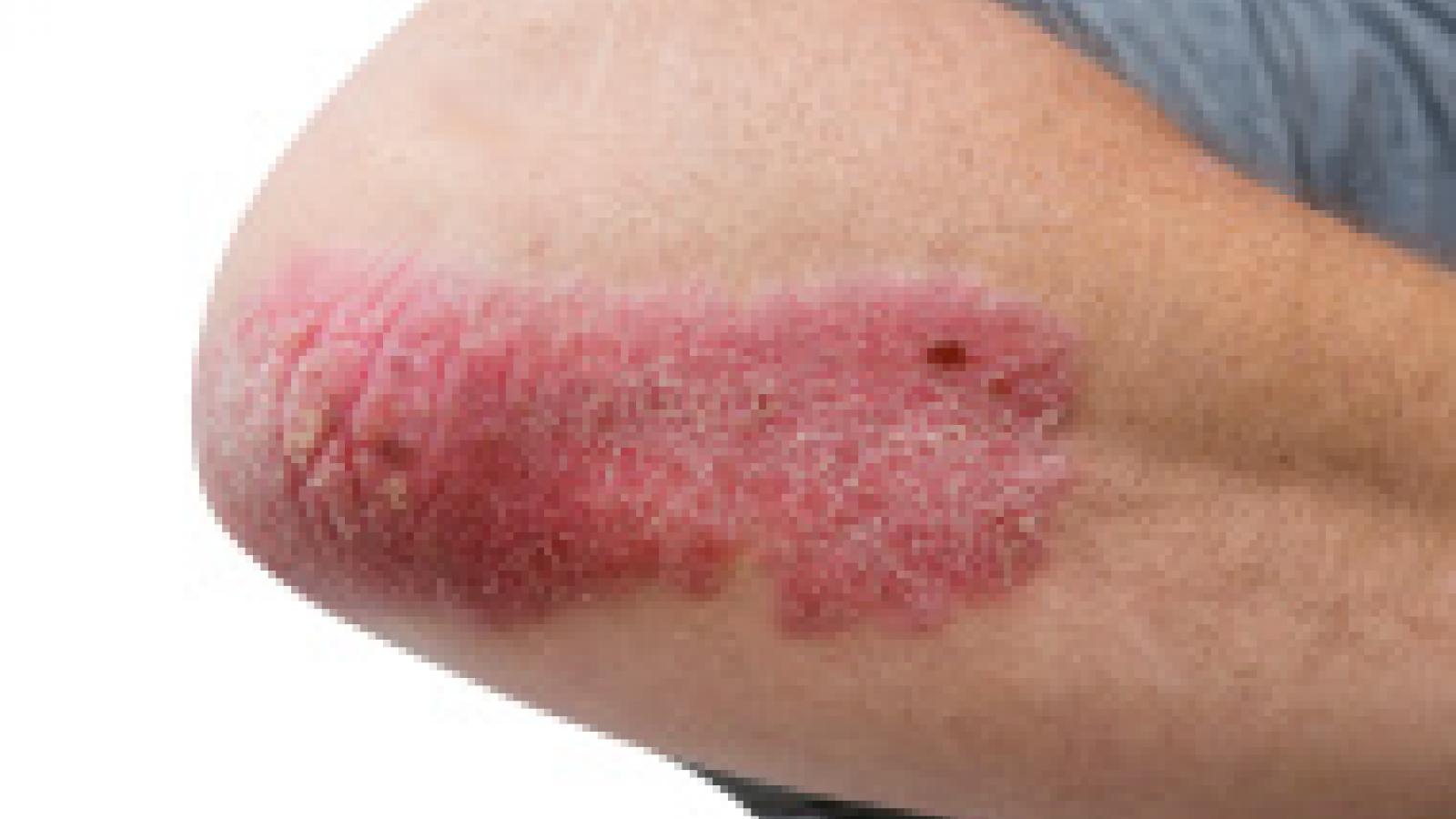
The FDA has denied Pfizer's application seeking an indication for Xeljanz in patients with moderate to severe chronic plaque psoriasis. Instead the FDA has issued a “Complete Response” letter, designed to spell out the specific concerns that the sponsor will need to address should they wish to pursue this indication for Xeljanz in the future.

The CDC has reported in the NEJM that dietary supplements may be associated with higher than expected rates of adverse events requiring medical evaluation in the emergency department (ED).

The American College of Physicians issued a position statement about medical clinics popping up inside of retail establishments and pharmacies. For years now I’ve schemed of starting a national chain of “Jiffy Joints”. Is it time?

The Journal of Clinical Investigation reports a potential decline in the number of medical researchers in the future.
In a commentary from The University of Texas Health Science Center at Houston, Dr. Milewicz notes the current workforce is aging and physician-scientists are working longer, yet the number of incoming researchers has declined. (Citation source http://buff.ly/1VSCBKS)

Hydroxychloroquine (HCQ or Plaquenil) retinopathy is rare, but still a major concern among patients and prescribers.
In those affected the damage may be subclinical and there are examples when the retinopathy occurs on low-dose HCQ, and others with no evidence of retinopathy despite years of high dose HCQ.

This month's DSB addresses labeling changes as well as safety reports from literature, including steps to prevent major birth defects, timing and intervals between PCV13 and PPSV23 vaccines, PPIs and subacute cutaneous lupus, and FDA warnings on tramadol in children.
Safety Reports from the Literature

Nearly 2 weeks have passed since the painful launch of ICD-10 in US medical practices.
More articles on this subject have been published, attempting to allay fears, ease transition and explain the chaos that has accompanied the introduction of ICD-10. Here are some of the takeaway highlights, justifications and well-honed governent speak:

A new JAMA study shows new onset back pain treated with physical therapy yields modest short-term (3 months) improvement.

From 2003 to 2013, the percentage of nonmedical use of prescription opioids decreased among adults in the U.S., while the prevalence of prescription opioid use disorders, frequency of use, and related deaths increased, according to a study in the October 13 issue of JAMA.
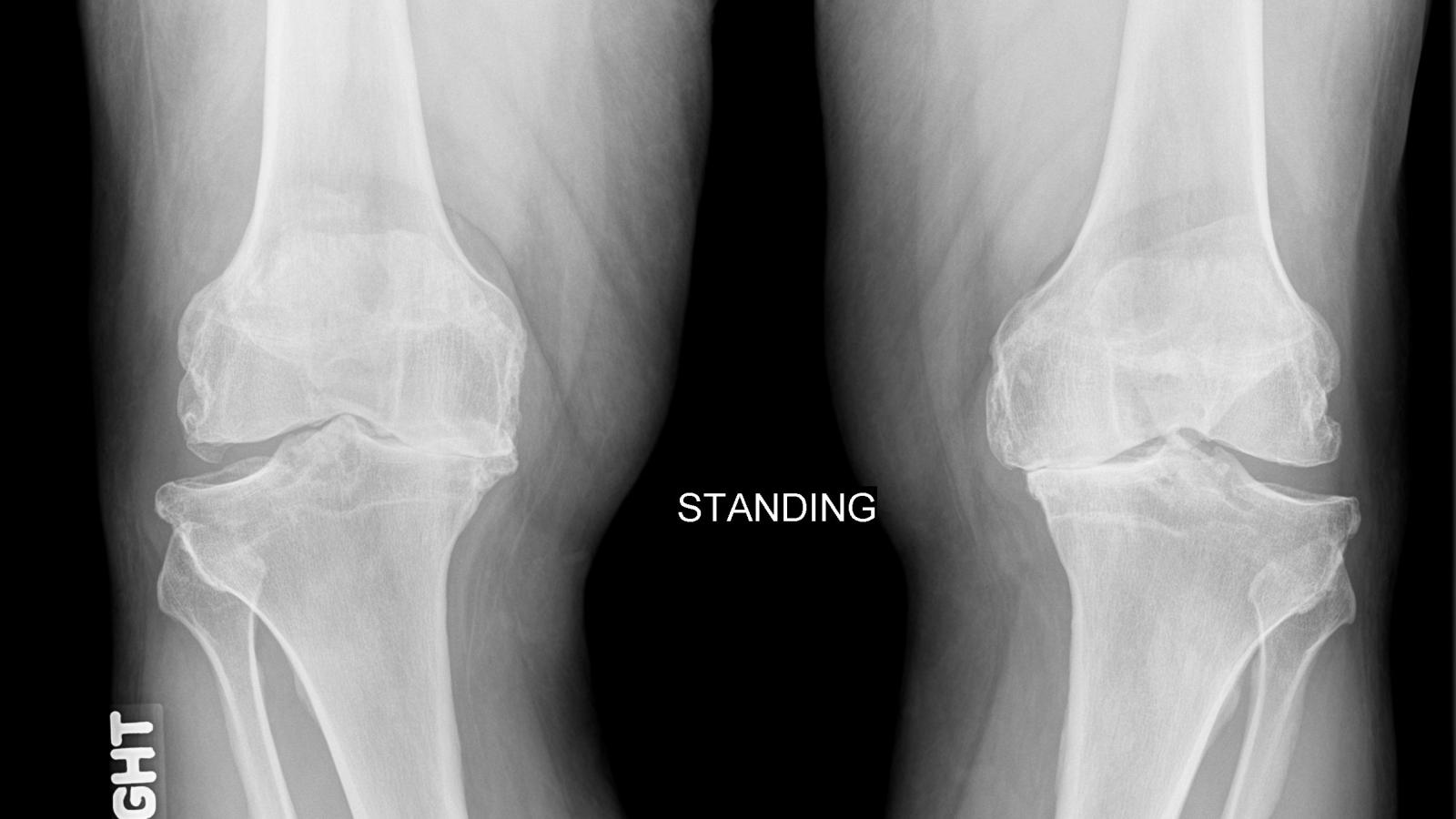
Primary prevention of osteoarthritis is an ideal goal for which there has been little success in clinical trials.

Women with rheumatoid arthritis are said to have a normal number of pregnancies. However, most of these are conceived prior to the onset of RA. Once diagnosed, the RA patient who wishes to become pregnant may be faced with difficult medication choices if she is planning to become pregnant.

Researchers at CHOP have published their investigations into the heritability of pediatric autoimmune diseases that affects roughly one in 12 persons.
Investigators quantified by SNP analsyses the heritability of several pediatric autoimmune disorders including JIA, SLE, Celiac disease, type I diabetes (T1D), UC, CD, PS, SPA and CVID. (Citation Source http://buff.ly/1L3KRoD)

Both visceral and liver fat accumulation significantly increased the risk of hyperuricemia in men, a cross-sectional Japanese study found.
Compared with the lowest quintile of intra-abdominal fat, the highest quintile was associated with an almost five-fold increased risk of high uric acid (OR 4.72, 95% CI 2.19-10.18,P0.001), according to Tomoshige Hayashi, MD, PhD, of Osaka City University, and colleagues.

Discussions on drug safety can be as treacherous as quicksand for the patient and physician. What the physician knows and what the patient perceives may not be in sync.

