

A study from the Taiwan National Health Insurance examined 2023 patients with new diagnoses of dermatomyositis or polymyositis and population controls and examined the frequency of Herpes zoster.

Osteoporosis is associated with significant morbidity, and hip fractures as sequelae confer a 1-year mortality risk of 8.4–36%. While anti-resorptive therapy remains a mainstream of osteoporosis management, bisphosphonates are not well tolerated by many patients and carry the risk of atypical femur fractures after prolonged use.

Interstitial lung disease (ILD) is a common extra-articular manifestation of rheumatoid arthritis (RA). Its presence may portend grave outcomes for those affected. The prevalence of ILD in RA ranges from 7.7% to 44% depending on the assessment tools used. Clinically significant ILD probably affects fewer than 10% of patients.

Treat-to-target is a common management strategy for rheumatoid arthritis that aims to employ the strategy most effective in terms of achievement of optimal therapeutic outcomes in RA.

Deloitte published its 2015 Healthcare Consumer Survey to examine online resource and technology use by patients. This is important, as the health care industry has expanded the development of online information resources, mobile applications, and personal health devices.

An analysis of 741,589 patients over age 45 years from southern Swedish registry examined patients who were followed (between 1998 and 2012) until a hip fracture, death or exit from the region occurred. Rheumatoid arthritis (8,467 patients) were compared with osteoarthritis hip (29,706 patients) and OA knee (55,753) patients for risk of hip fracture.

Healio reported the newly announced grant recipients from the Lupus Foundation of America.
Today marks the one year anniversary of hydrocodone becoming a schedule II drug with more restrictive access. Has life been better under these new rules?

Diffuse alveolar hemorrhage (DAH) is a rare but catastrophic complication of systemic lupus erythematosus. Presentations are usually acute and the potential for significant morbidity and mortality risk mandates early diagnosis and aggressive interventions.
I had a wonderful time in Rome, due in small part to the wonderful wines I drank with family and friends. When I got home, enjoying those same wines again made me wonder about the placebo effect.

The PROMISSE (Predictors of Pregnancy Outcome: Biomarkers in Antiphospholipid Antibody Syndrome and Systemic Lupus Erythematosus) study has revealed several important lessons in lupus care.

Members of two professional medical societies griped about what they view as the Obama administration's inept attempts to regulate electronic health records (EHRs) and shared their visions for the ideal online platform at a second "town hall" meeting here Tuesday.

The range of categories and diagnostic possibilities is astronomical with the new ICD-10 and its 68,000 codes.
HealthcareDIVE.com has published a humorous piece on 16 absurd uses of ICD-10. Rheumatologists probably won't use any of these codes, but isn't it nice to know they're among the 68,000 code set should you need them? These include:

Rheums do not live by wits and cytokine blockers alone. We need tools, equipment and material goods to be the diagnostician, communicator, and technical wizards that triple-threat rheumatologists propound to be. Not long ago I ranked my top and bottom 5 joints. Now we tackle the most and least important tools of the trade in rheumatology.
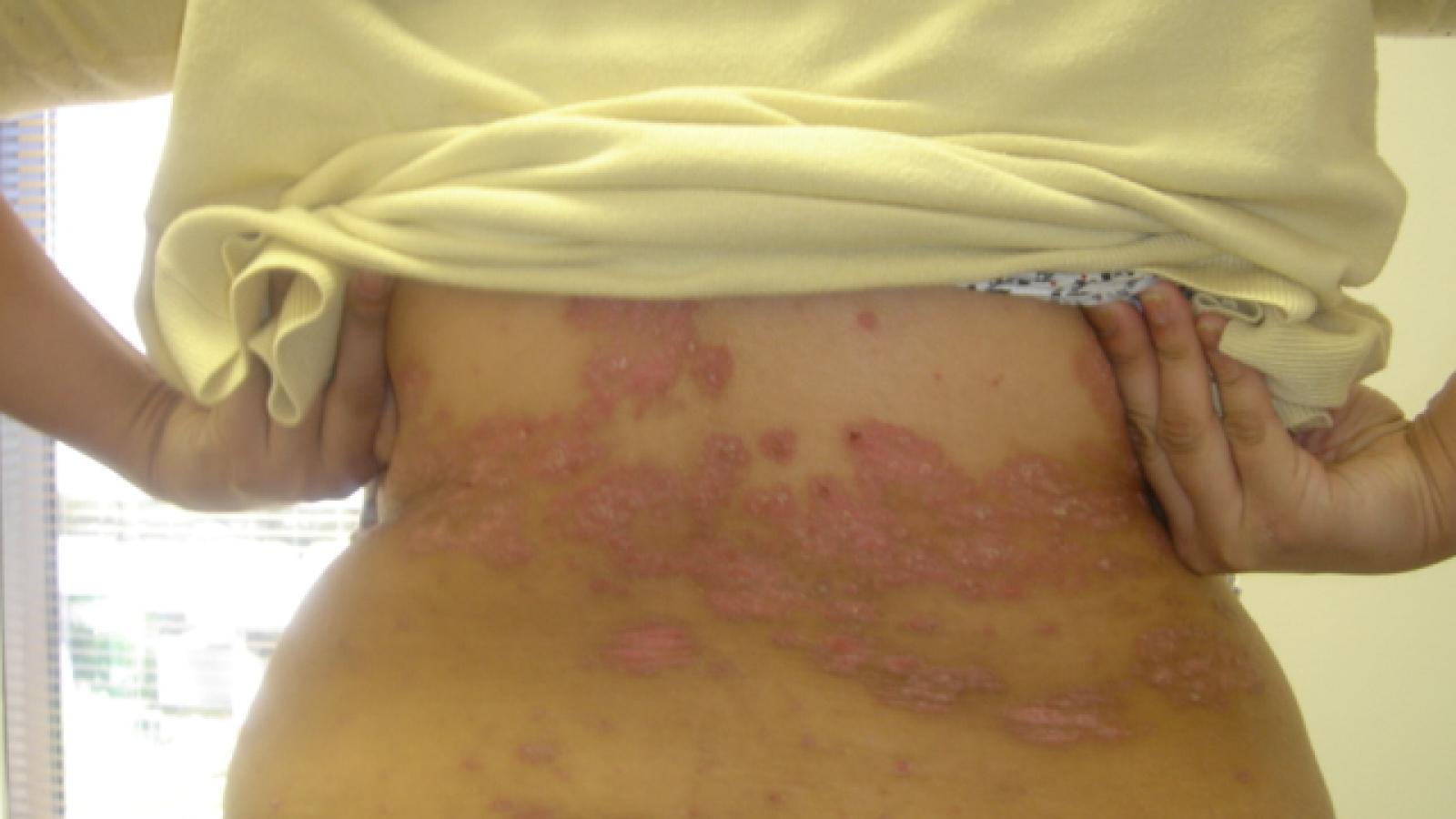
AMAGINE-2 and AMAGINE-3 are in two phase 3 studies that compare multiple doses of brodalumab (anti-IL-17) and ustekinumab (anti-12/23) in adults with moderate-to-severe psoriasis. For 12 weeks, patients were blindly assigned to either 210 mg or 140 mg brodalumab (every 2 weeks), ustekinumab (45 mg or 90 mg every 12 weeks), or placebo.

