

Obesity is a risk factor for the onset of rheumatoid arthritis (RA) and may also an impediment to optimal DMARD and biologic responses. A new study has shown that after 1 year, obese RA patients undergoing bariatric surgery with weight loss had significantly lower disease activity.

Today, the American College of Rheumatology (ACR) published the 2020 Guideline for the Management of Reproductive Health in Rheumatic and Musculoskeletal Diseases. This is the first, evidence-based, clinical practice guideline related to the management of reproductive health issues for all patients with rheumatic diseases.

Rheumatology has a comprehensive overview of methotrexate (MTX) and the risk of lung injury, MTX-related pneumonitis and interstitial lung disease (RA-ILD) with rheumatoid arthritis (RA). Past reports suggest the frequence of MTX-pneumonitis to be between 0.3 and 11.6%; recent studies suggest it may be much lower.
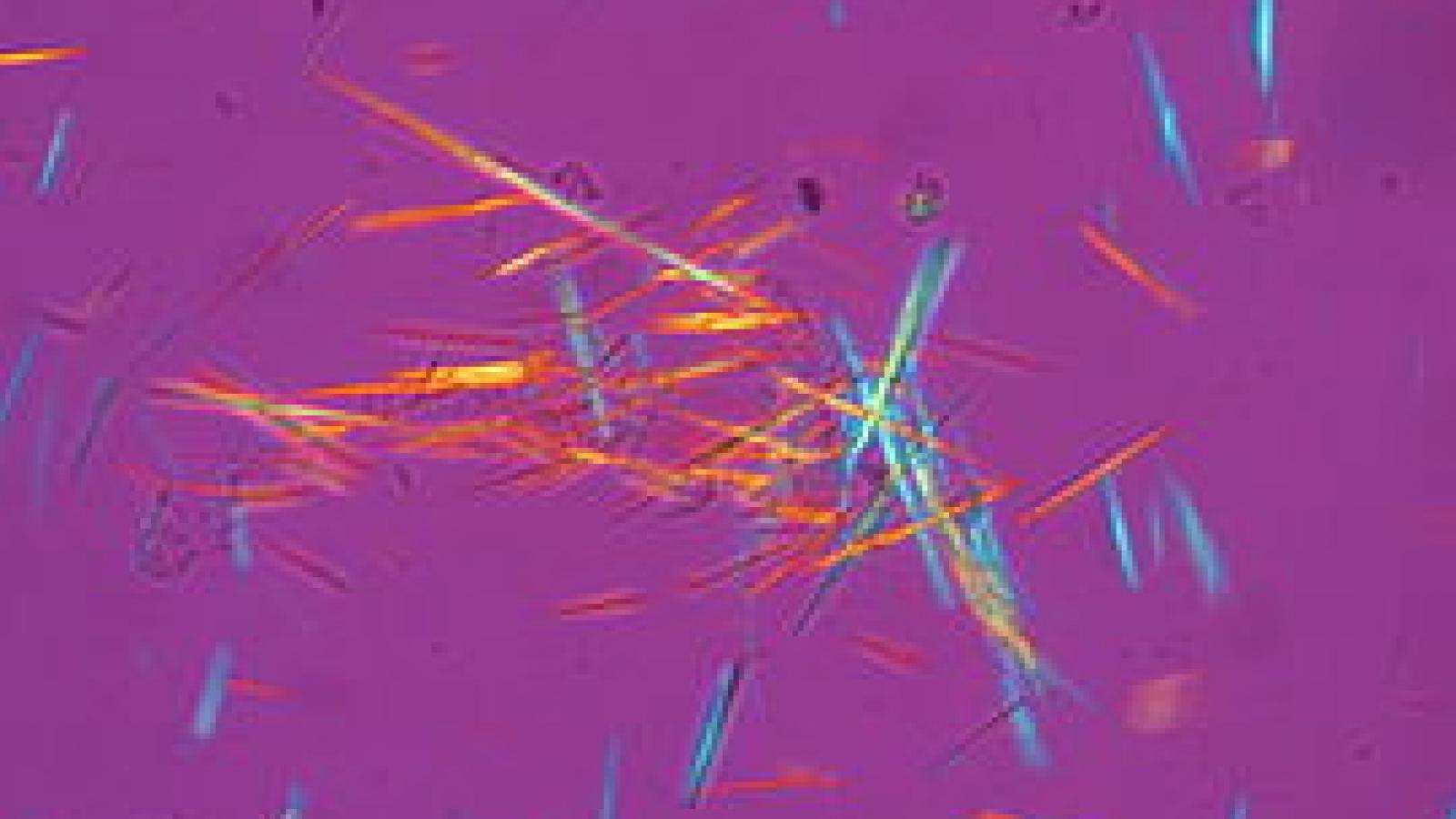
There are numerous associations between hyperuricemia and cardiovascular disease (CVD). An analysis of the Swedish SCAPIS Pilot study shows that higher levels of serum urate (SU) are associated with an increase in coronary artery calcification score in men but not in women. SU is not associated with common carotid intima-media thickness and carotid plaque scores in either men or women.

Pregnancy for patients with lupus has long been considered high risk and associated with both medical and obstetric complications, but outcomes have improved over the last 2 decades and continue to improve. The large decline in in-hospital maternal mortality was greater for lupus pregnancies than for non-lupus pregnancies. Findings from a retrospective cohort study are published in Annals of Internal Medicine.

JAMA Dermatology reports that psoriasis is associated with a slightly increased risk of cancer, particularly keratinocyte cancer and lymphomas.
A systematic review and meta-analysis of 112 studies including more than 2 million patients, also shows no increase in when psoriasis is treated with biologic agents, nor was psoriatic arthritis associated with an increased risk of cancer.

Dr Jack Cush reviews the news and journal articles from the past week on RheumNow.com

Fourteen cases reported from mainland China suggest that tofacitinib (TOFA) may be effective in patients with refractory adult-onset Still’s disease (AOSD), further adding to a growing list of potential use of JAK inhibition in managing inflammatory, and now autoinflammatory, disease.

Although the overall incidence rates of rheumatoid arthritis (RA) have remained stable over recent decades, there has been a significant increase in seronegative cases, a retrospective study showed.
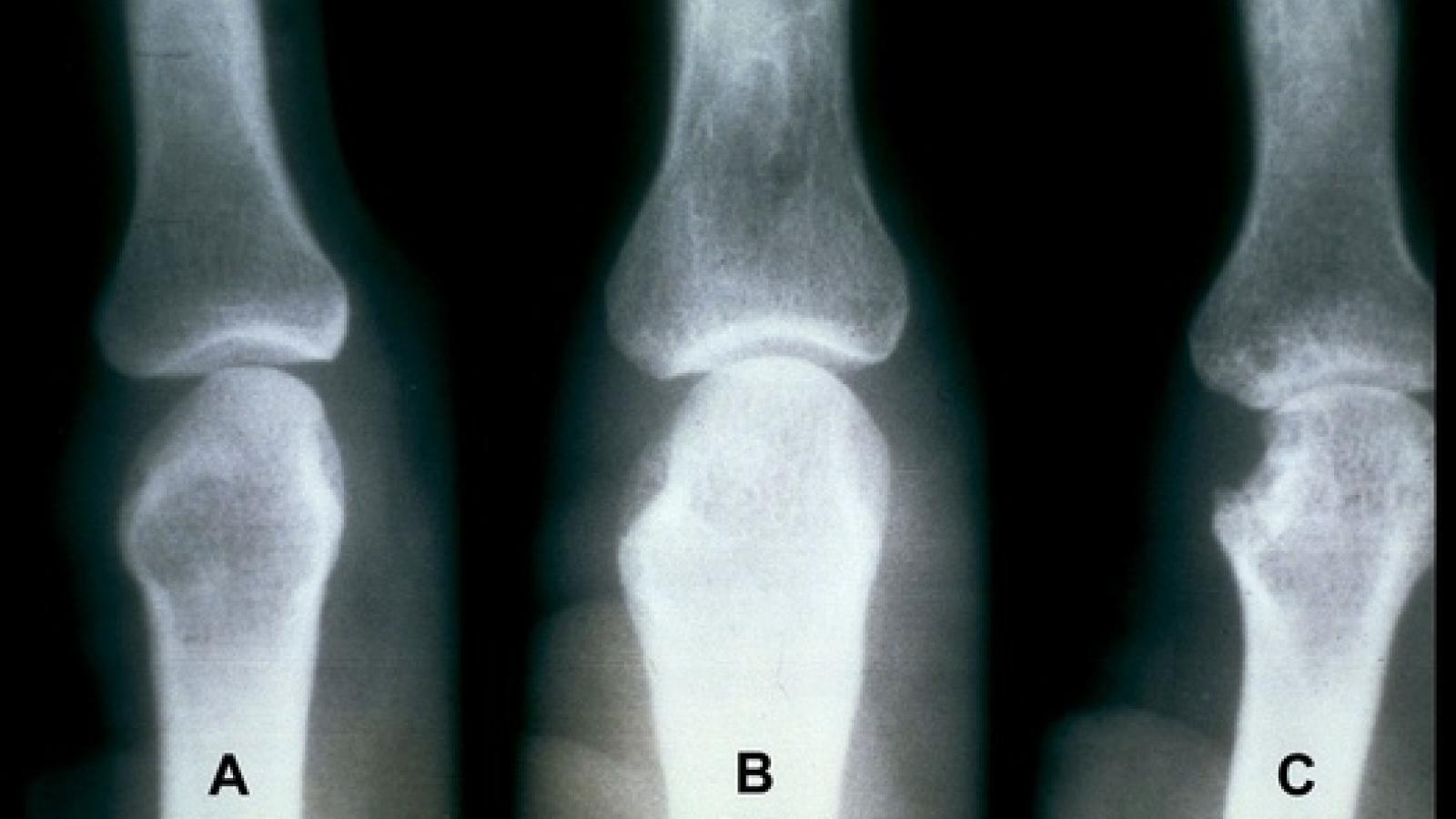
Science Translational Medicine has a report on how the use of Janus kinase (JAK) inhibitors may boost osteoblasts to battle bone erosions in conditions like rheumatoid arthritis (RA).JAK inhibitors have been shown in clinical trials to retard the development of bone erosions while controlling RA inflammation and other clinical features.
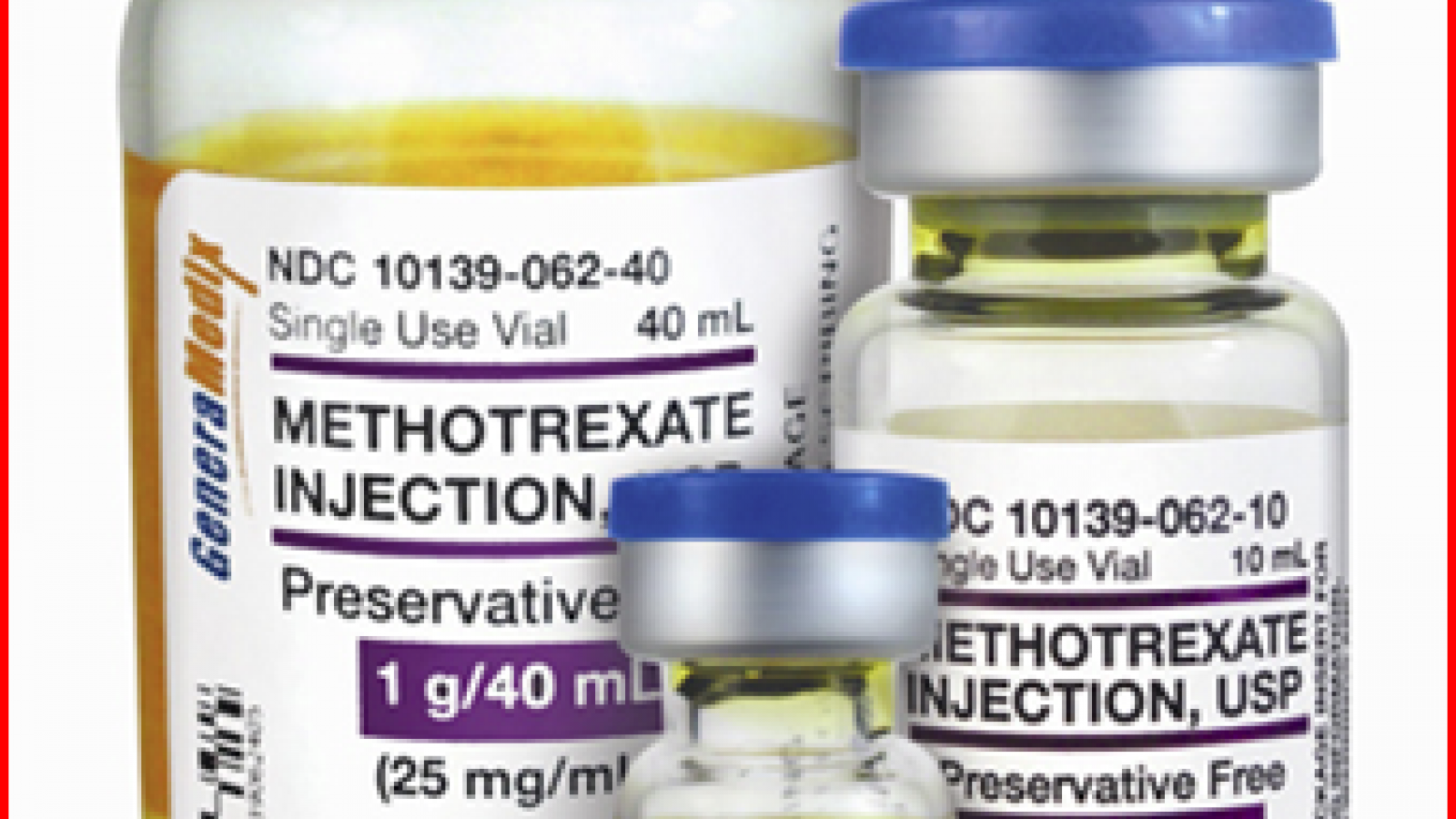
Low-dose methotrexate (LD-MTX) was studied in high risk cardiac patients in the cardiac intervention trial (CIRT), but was prematurely ended for not showing a change in cardiovascular event rates. Nonetheless this trial studied the safety and adverse event rates of LD-MTX and those results are reported in the current issue of Annals of Internal Medicine.
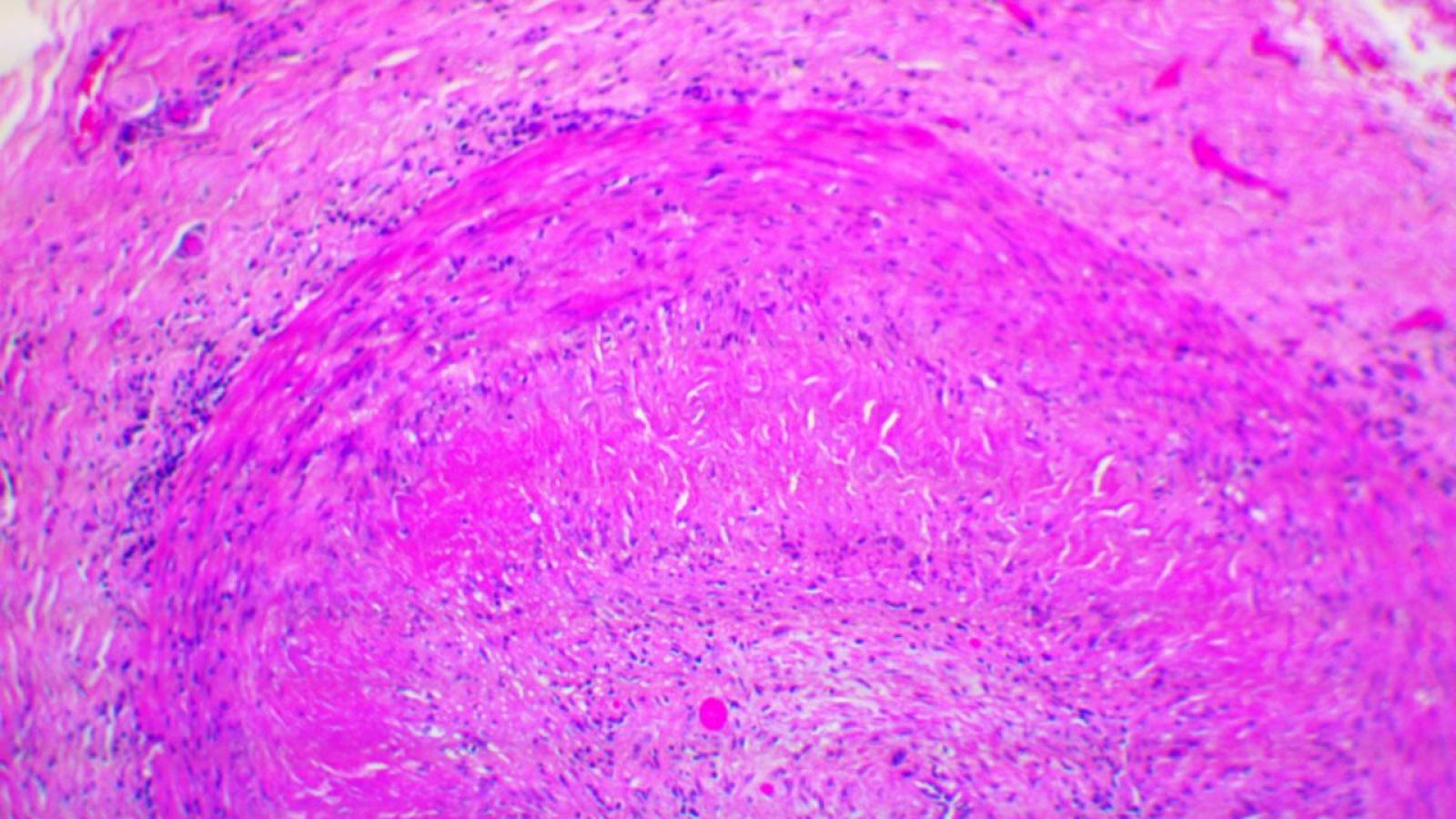
NICE has commissioned an update to the 2010 British Society for Rheumatology guideline for the management of giant cell arteritis, and proposed a total of 19 recommendations for the diagnosis and treatment of GCA.

A national claims-based analysis has shown a consistent decline, by commercially insured adults (18-64 yrs), in primary care physician visits from 2008 to 2016; with nearly one half having no PCP visits in a given year by 2016.
Efforts to contain costs and improve clinical outcomes often center around coordinated medical care through PCPs.
Dr. Jack Cush reviews the highlights from the 2020 RWCS meeting in Maui, Hawaii.
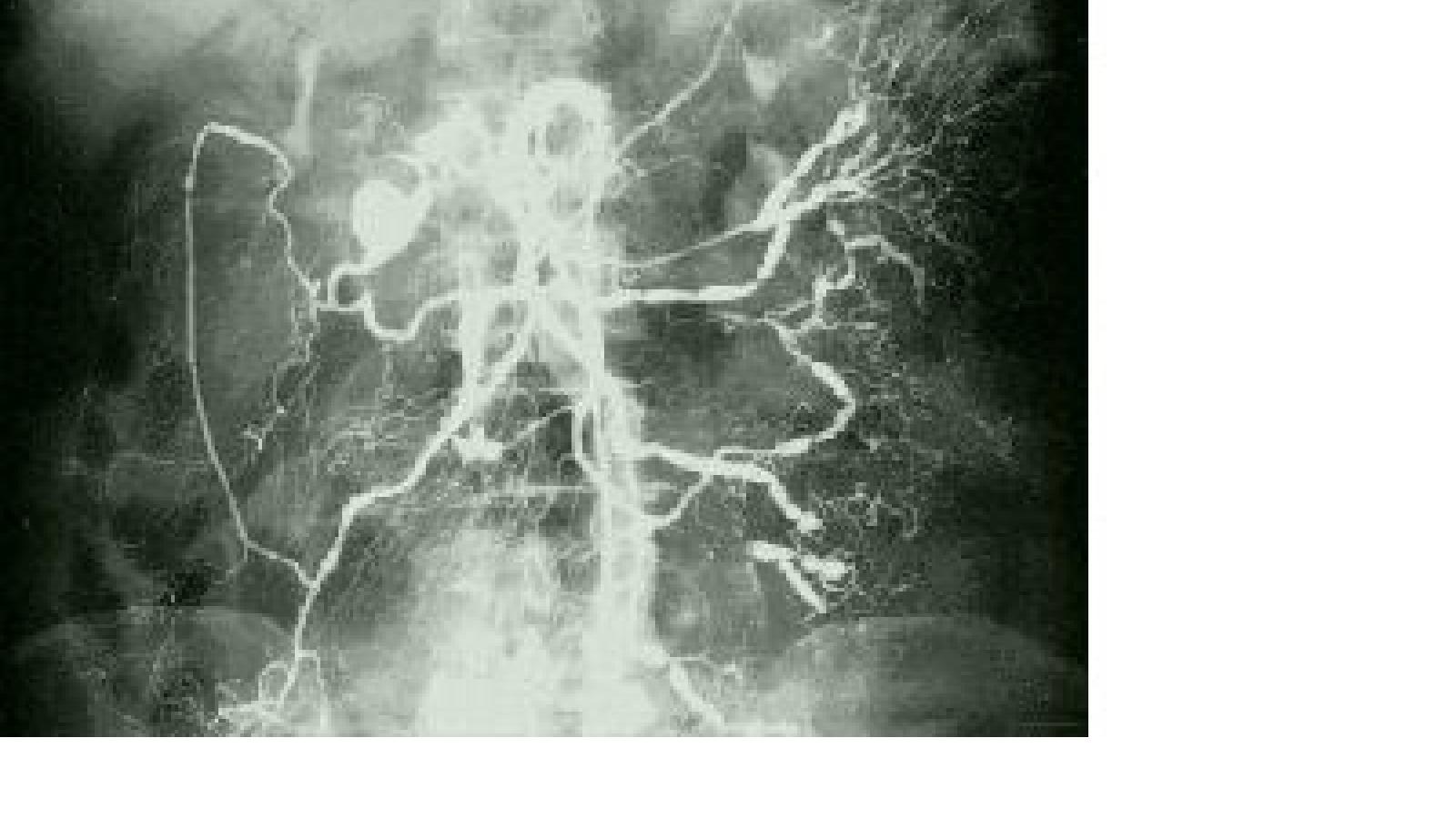
The PEXIVAS study showed that plasma exchange did not reduce the incidence of death or ESKD in patients with severe ANCA–associated vasculitis.

