
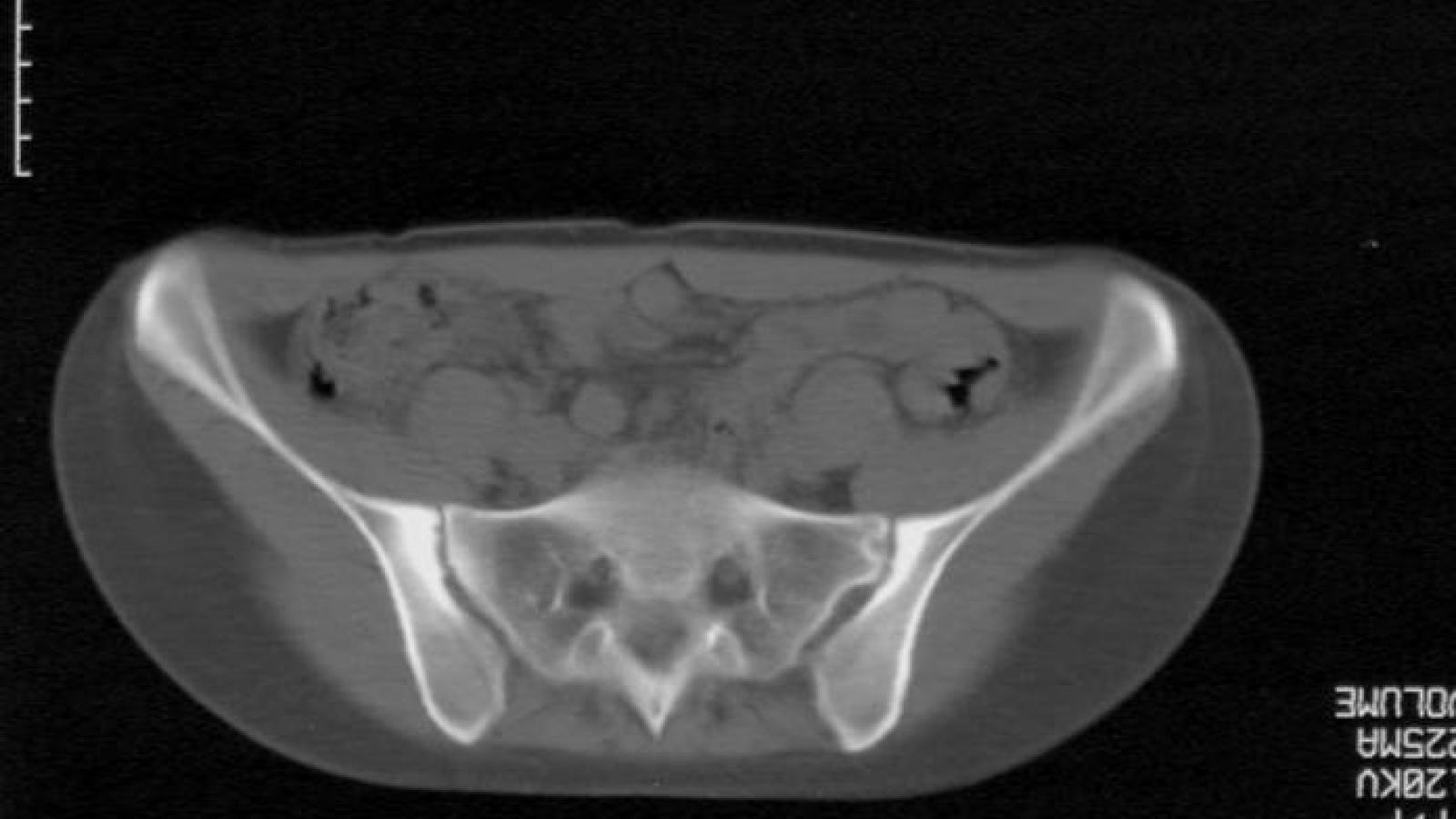
The FDA has approved the IL-17A inhibitor Taltz (ixekizumab) for the treatment of adults with active ankylosing spondylitis (AS: also known as radiographic axial spondyloarthritis). The recommended dose is 160 mg SC (two 80 mg injections) at Week 0, followed by 80 mg every 4 weeks. The updated package insert can be found here.

The American College of Rheumatology (ACR), in partnership with the Spondylitis Association of America (SAA) and the Spondyloarthritis Research and Treatment Network (SPARTAN), released the 2019 Update of the Recommendations for the Treatment of Ankylosing Spondylitis (AS) and Nonradiographic Axial Spondyloarthritis (nr-axSpA).

Dr. Jack Cush reports on the news and journal reports from the past week on RheumNow.com, including: how your genetics may shape your microbiome; GERD as a risk factor for TMJ?; how can MDA-5+ dermatomyositis be any worse; new drug happenings; StillsNow.com; and more.
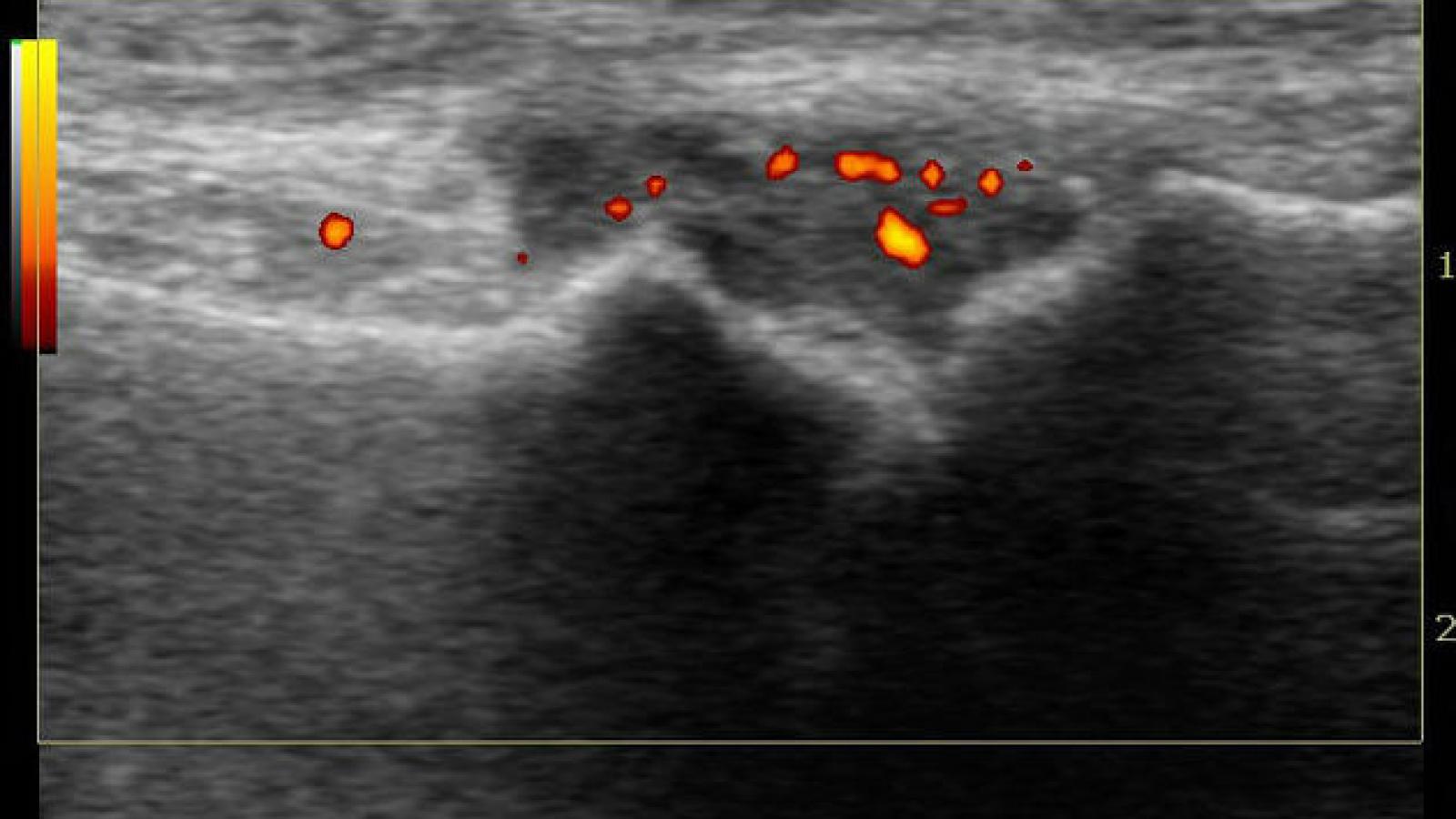
A study from Leeds suggests 'multi-dimensional remission' (MDR) can be seen in one-third of RA patients achieving DAS28-remission; such patients have better patient-reported outcome measures, making it an optimal goal, especially from a patient's perspective.
Osteoporosis treatments were not linked with reduced overall mortality, according to a meta-analysis of placebo-controlled trial data.
Looking at data from 38 clinical trials, there was no significant association found between all drug-based osteoporosis treatments and overall mortality rate (risk ratio 0.98, 95% CI 0.91-1.05), reported Steven Cummings, MD, of the San Francisco Coordinating Center, and colleagues.
A study of pregnancy outcomes in 98 women with juvenile idiopathic arthritis (JIA) who were exposed to DMARDs shows no increased risk of major adverse pregnancy outcomes.A total of 152 pregnancies in 98 women with JIA and 39 pregnancies involving 21 male patients as partners were reviewed. The majority had a polyarticular JIA (61%). The average age at first pregnancy was 24.1 years, and their mean disease duration was 13.8 years.

Immunologic remission in rheumatoid arthritis, defined as the disappearance of anti-citrullinated protein antibodies and rheumatoid factor, was seen infrequently among patients achieving sustained clinical remission and did not correlate with the disappearance of symptoms, a long-term Dutch study found.
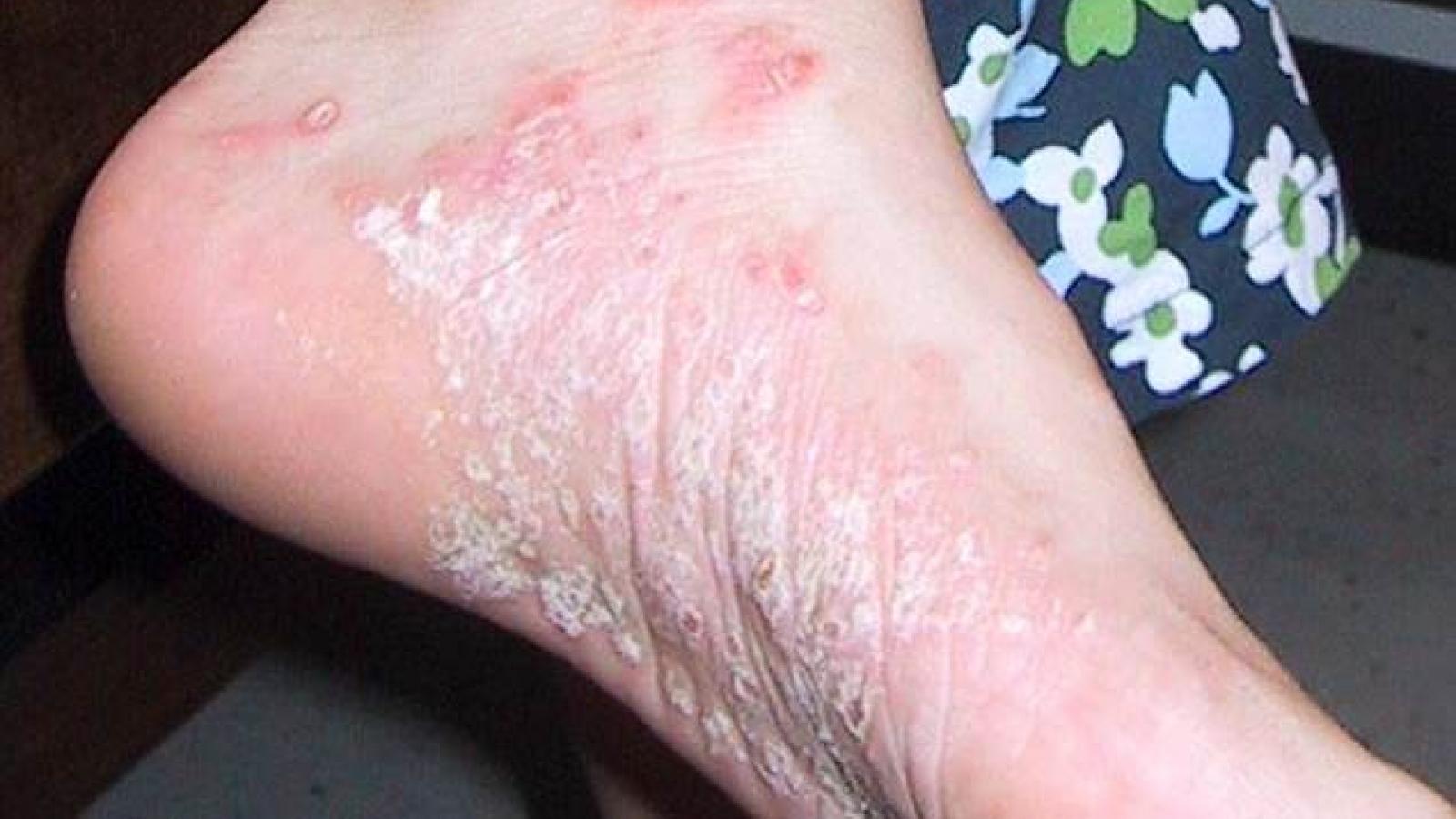
A head-to-head trial has shown that risankizumab was significantly superior to adalimumab in providing skin clearance (PASI90) in patients with moderate-to-severe plaque psoriasis, with no difference in safety signals between the two agents.

The US Food and Drug Administration (FDA) on Friday, August 16, approved AbbVie JAK1 inhibitor, Rinvoq (upadacitinib) for adults with rheumatoid arthritis with moderately to severely active disease either not responding to, or intolerant of, methotrexate (MTX).
Dr. Jack Cush reports the news and important journal articles from the past week on RheumNow.com.

Serologic testing is the principal means of laboratory diagnosis of Lyme disease. Current recommendations include using a sensitive enzyme immunoassay (EIA) or immunofluorescence assay, followed by a western immunoblot assay for specimens yielding positive or equivocal results.
On July 29, 2019, the Food and Drug Administration cleared several Lyme disease serologic assays with new indications for use, allowing for an EIA rather than western
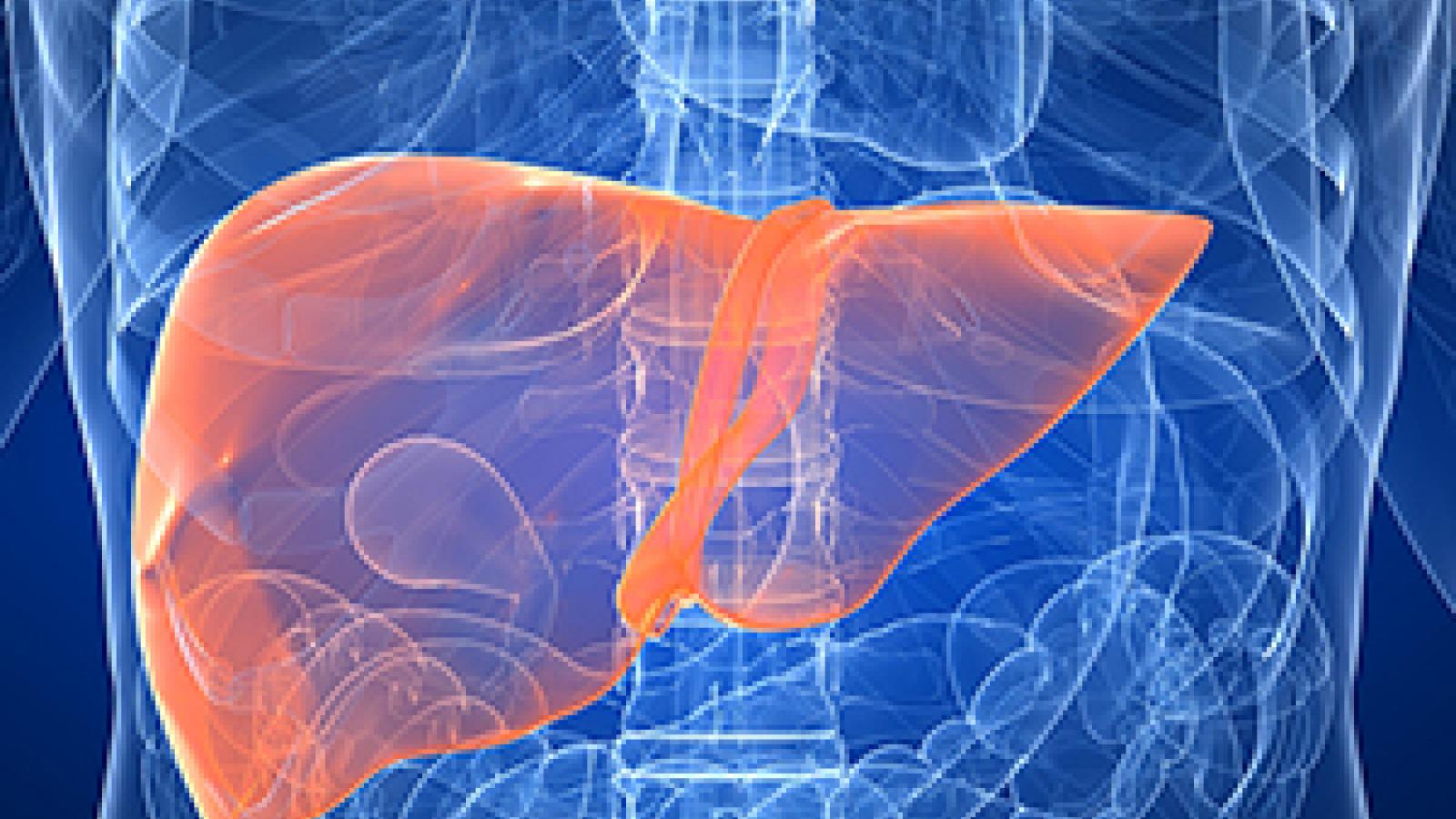
Gut has published population results from NHANES population study showing that the prevalence of fatty liver disease is rising in the US and is driven by obesity and diabetes.

The German National Database (NDB) has reviewed their experience in the care and quality of life of inflammatory rheumatic disease patients snce 1993, showing improved use of metrics, improved outcomes and a changing profile of biologic and anti-rheumatic drug use.

Among patients with pre-existing autoimmune diseases who developed cancer and were treated with immune checkpoint inhibitors (ICI), flares of the underlying disease and other immune-related adverse events were common, a retrospective study conducted in France showed.
The Journal of Bone and Mineral Research (JBMR) has published a report showing that a reduction in the rate of bone loss by nitrogen bisphosphonates was associated with a 40% lower mortality risk.
Accelerated bone loss has been shown to be an independent predictor of mortality risk, but the relationship between bisphosphonates, bone loss, and mortality is unknown.

