

Only inhibitors of IL-1 (canakinumab) and IL-6 (tocilizumab) are FDA approved for use in children with systemic onset juvenile idiopathic arthritis (sJIA). Now, long-term data from the extension studies from two phase III studies shows that canakinumab yields long-term improvements with reduced glucocorticoid dosing with no new safety findings with long-term use.

Researchers from the British Society for Rheumatology Biologics (BSRBR) set out to define under what circumstances will rheumatoid arthritis (RA) patients manifest biologic disease-modifying antirheumatic drugs (bDMARDs) refractory disease.
Using the patients from the BSRBR Register (2001 to 2014) they defined patients as bDMARD refractory when they initiated their third class of bDMARD.

Fernandez and colleagues have shed further light on a significant subset of patients with knee pain - specifically, those with neuropathic like knee pain (NKP) that includes those with knee pain modified by central and peripheral neurologic dysfunction.

Dr. Jack Cush reviews the news from the past week on RheumNow.com, including news on inappropriate opioids, pre-clinical RA treatment, DMARDs in Gout, the decline of arthroscopy, and a pain in the mouth.
Venous thromboembolism (VTE) is a common adverse event throughout medicine and includes both pulmonary embolism (PE) and deep vein thrombosis (DVT). The cost of diagnosing a thromboembolic event is approximately $4000 - $5550, while the annual cost of treating one case of VTE is between $17,000 and $19,000. The impact of VTE is substantial.

The CDC reports that in 2017, influenza killed and hospitalized more people in the United States than any other year in the last few decades. (Citation Source http://bit.ly/2DBr0TE)
There is a paucity of guidance on how to best manage patients who may be at risk for rheumatoid arthritis (e.g., first degree rela
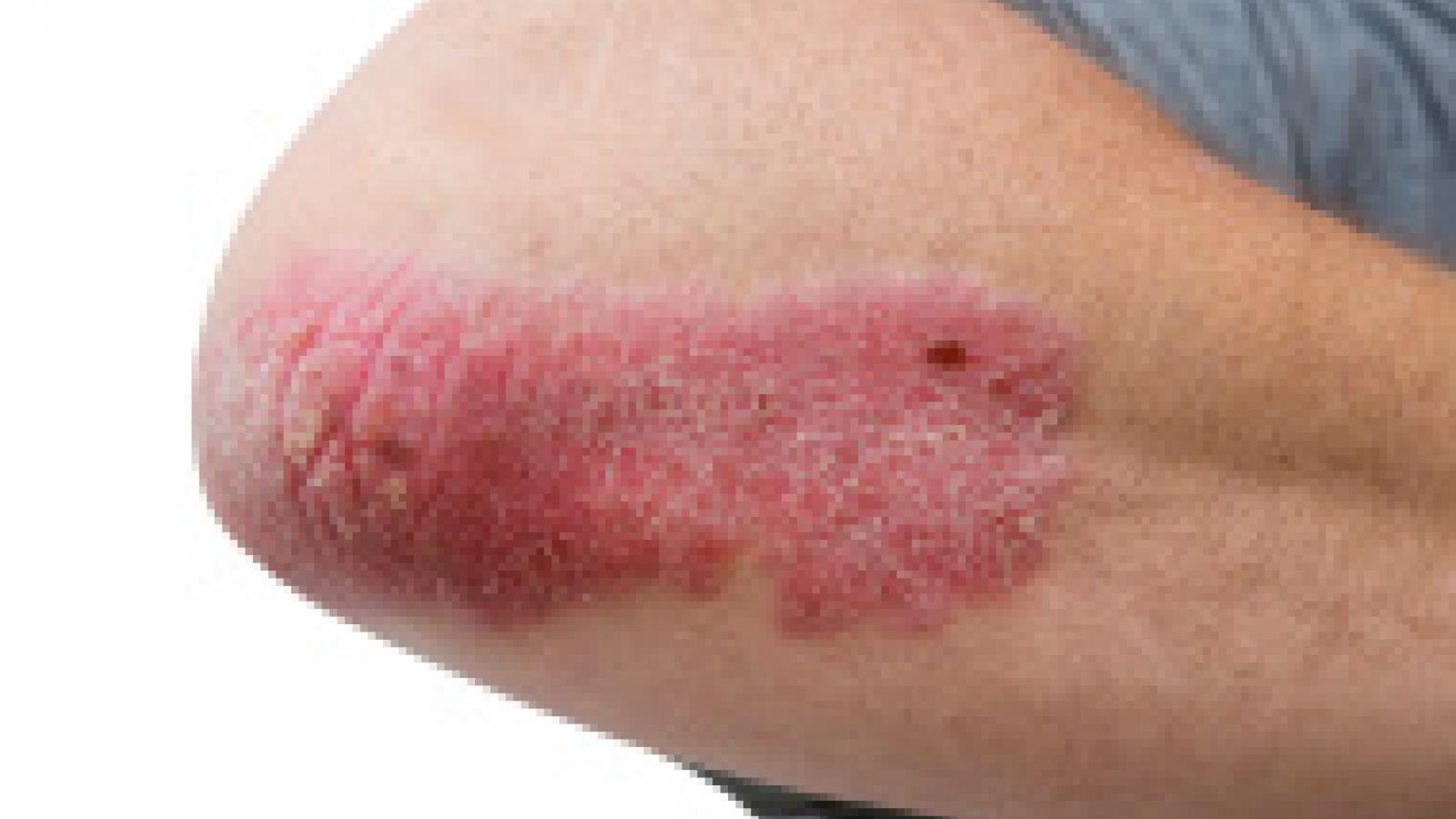
A systematic review in Archives of Dermatology suggests that among complementary and alternative medicine (CAM) therapies, the most effective are indigo naturalis, curcumin, dietary modification, meditation, and acupuncture.
It is estimated that nearly half of patients with psoriasis report they use CAM, although their benefits are unclear in psoriasis.
The past two decades have seen a significant decline in mortality among patients with lupus nephritis, U.S. registry data indicated.
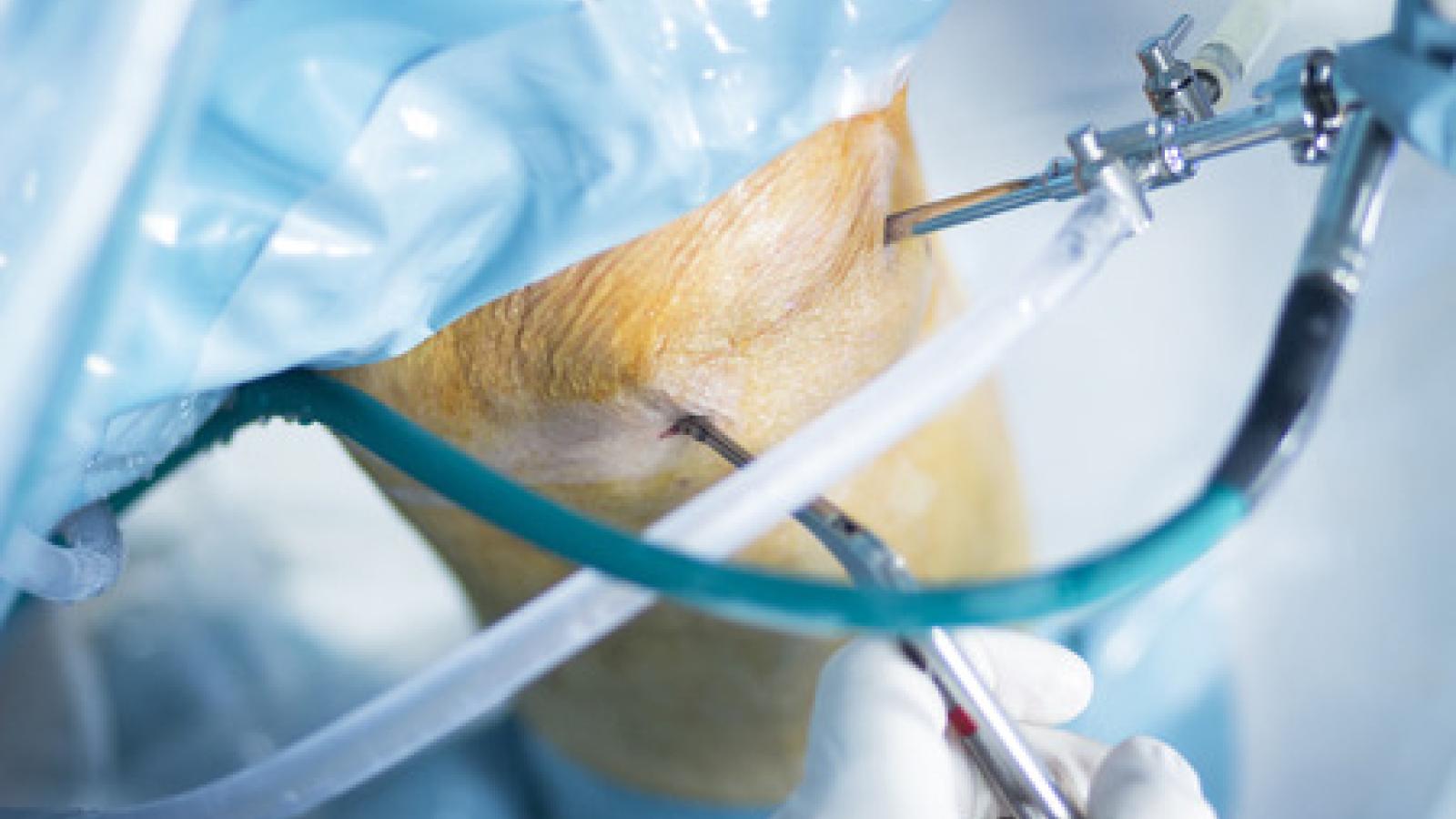
A JAMA Internal Medicine report has shown that the rate of arthroscopic surgery has significantly declined, in an era when arthroplasty and the incidence of osteoarthritis (OA) has increased. (Citation source http://bit.ly/2DtpeUp)

Researchers at the University of California - Davis have shown that elderly women who had an upper body fracture or multiple fractures had more loss of hip density compared to those who who did not fracture. Systemic bone loss may increase the risk of future fractures.

Ronald F van Vollenhoven and colleagues have reported in Lancet that ustekinumab (UST), an interleukin-12 and -23 inhibitor, when added to usual therapy in systemic lupus erythematosus (SLE) patients, was shown to be superior to placebo at improving clinical efficacy and laboratory parameters after 6 months of therapy.

Dr. Jack Cush reviews the news and updates from the past week on RheumNow.
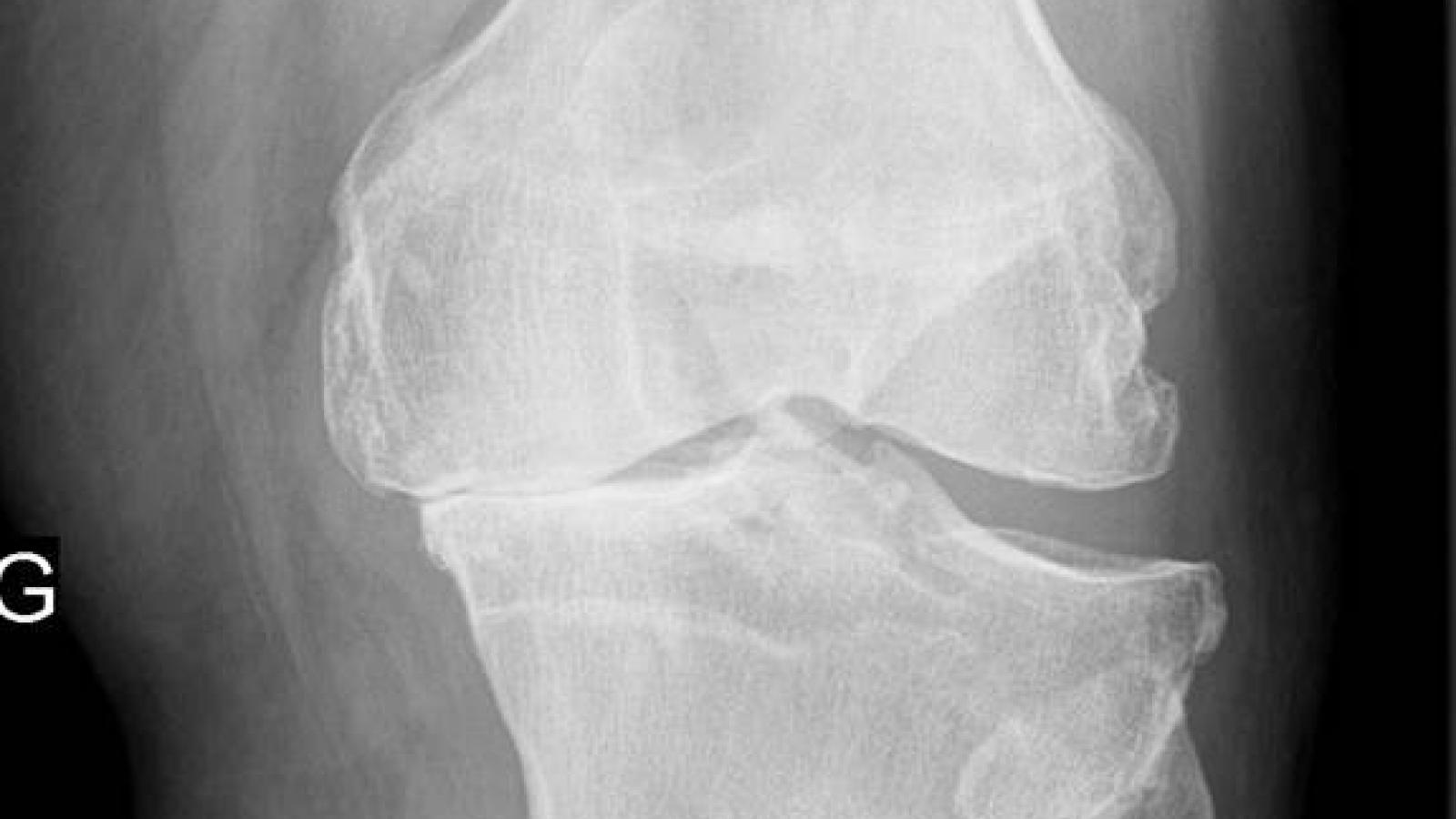
The Maastricht study explored the potential association between dairy consumption and knee osteoarthritis (OA), and found that higher intake of full-fat dairy and Dutch cheese - but not milk - was significantly associated with the lower risk of knee OA.

The ACR/ARHP 2018 national meeting in Chicago presented us with opportunities to learn more about inflammatory myositis. A particularly interesting lecture was HOT topics in myositis. There were a few abstracts on MDA-5 related disease and a few on new or repurposed medications for dermatomyositis which will be covered here.

