

A nationwide survey study analyzed healthcare provider (HCP) employment type (self-employed, employed by private sector, or employed by government) and annual labor earnings (2001 to 2015) and found that the health care landscape is changing with few self-employed practitioners and more being larger organizations.

Dr. Jack Cush reviews the news and journal articles from the past week on RheumNow.com. Fateful outcomes in Rheumatology, what happens to Seronegatives, IL-23 fails, MRI progression, Not all inflammatory back pain becomes SpA:
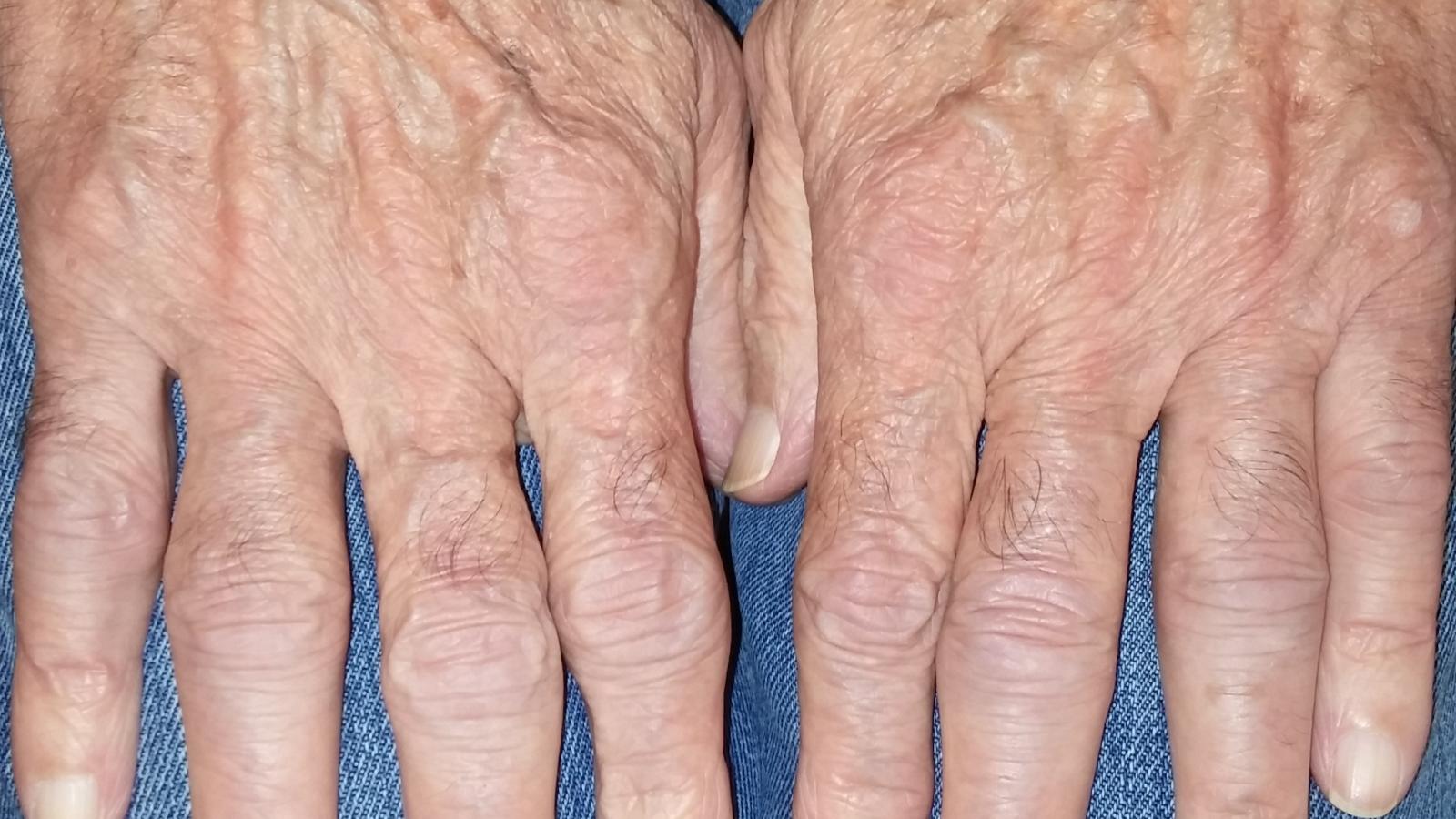
A Finnish Rheumatology Center followed 435 early, seronegative rheumatoid arthritis (RA) patients for 10-years and found that only 3% became erosive or seropositive RA. They also found that 32% could not be further reclassified, and that the remaining 65% evolve into another diagnosis, led by polymyalgia rheumatica (16%), psoriatic arthritis (11%), spondyloarthritis (9%), and osteoarthritis (10%).
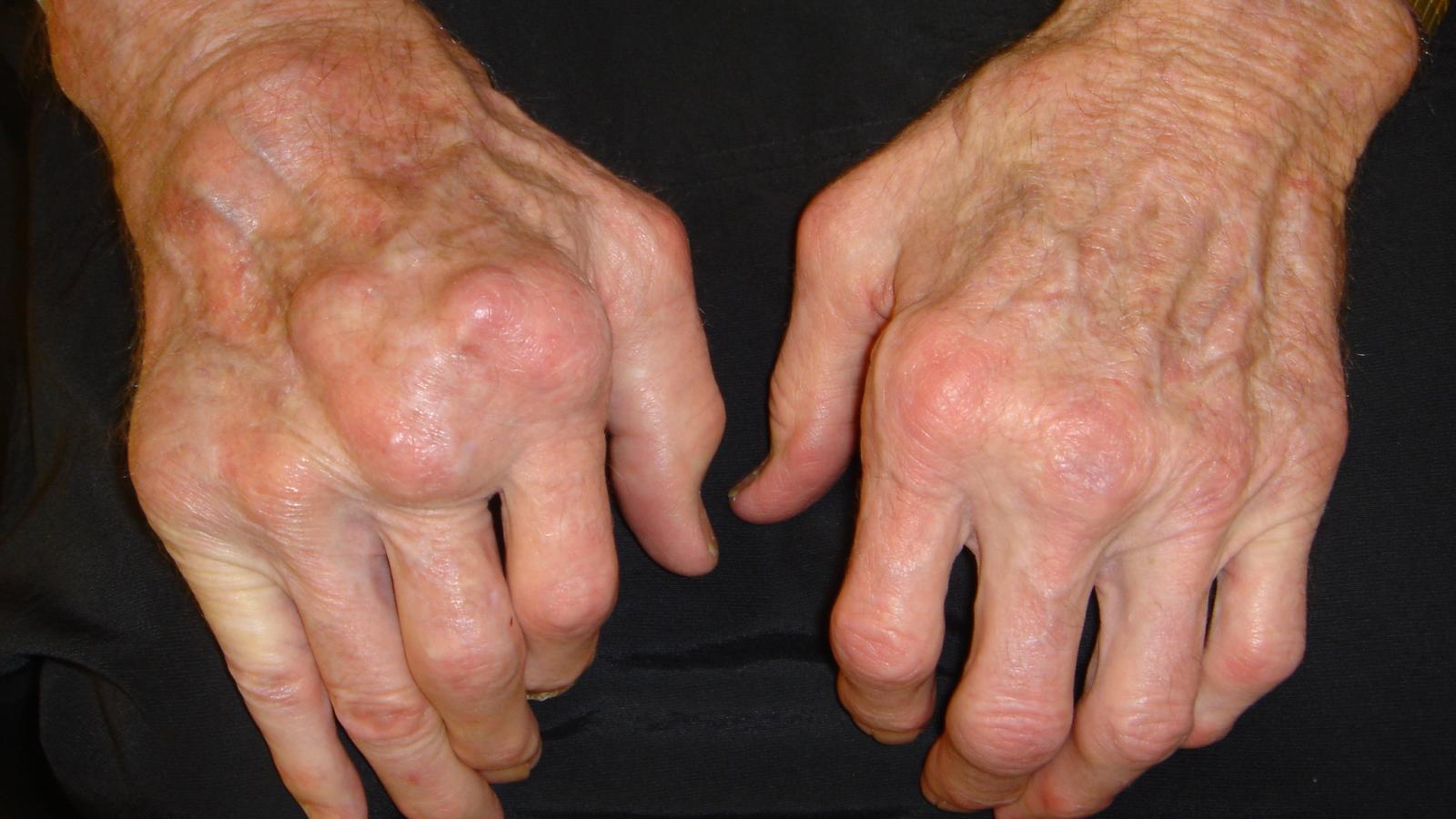
A study from the British Society for Rheumatology Biologics Register (BSRBR) has shown that biologic refractory disease is seen in at least 6% of patients who have ever received a biologic DMARD (bDMARDs).
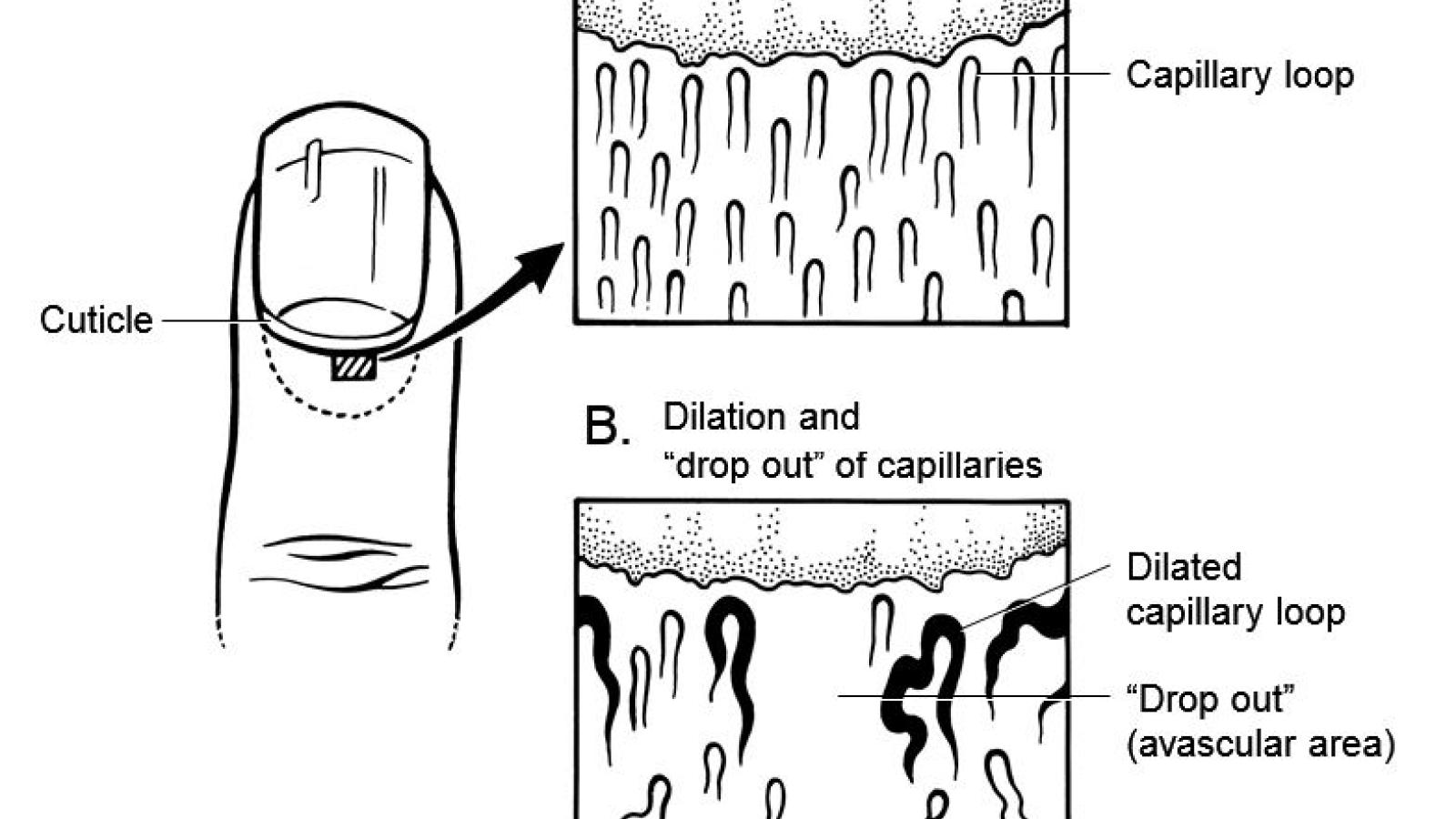
In patients with juvenile dermatomyositis (DM), an association was seen between low nailfold capillary density and pulmonary involvement, European researchers reported.
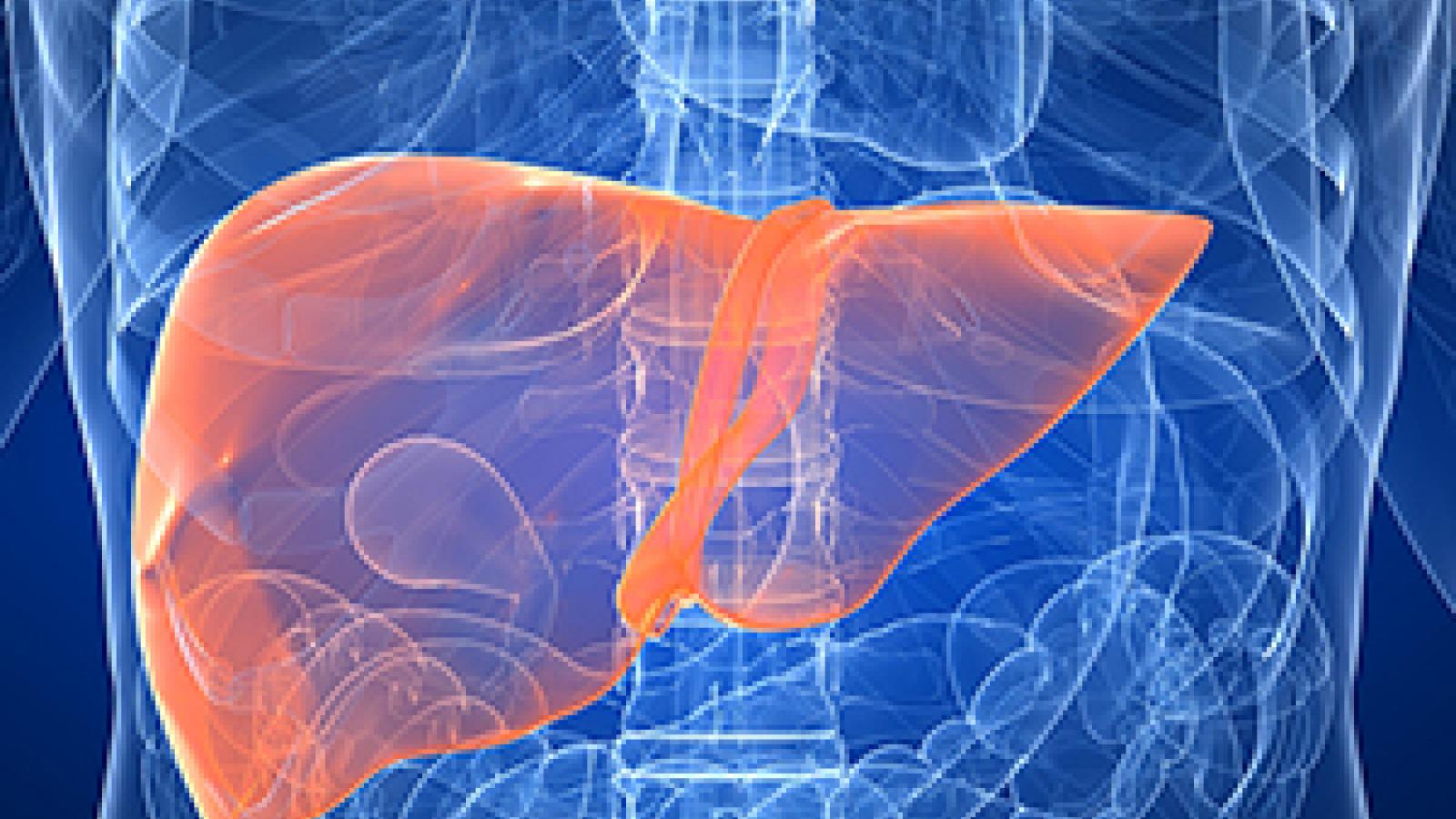
An observational case-control study has shown that psoriasis is associated with an increased prevalence of nonalcoholic fatty liver disease (NAFLD).
A single center, outpatient dermatology clinic studied 151 patients with psoriasis and 51 control subjects with ultrasonography to diagnose NAFLD.
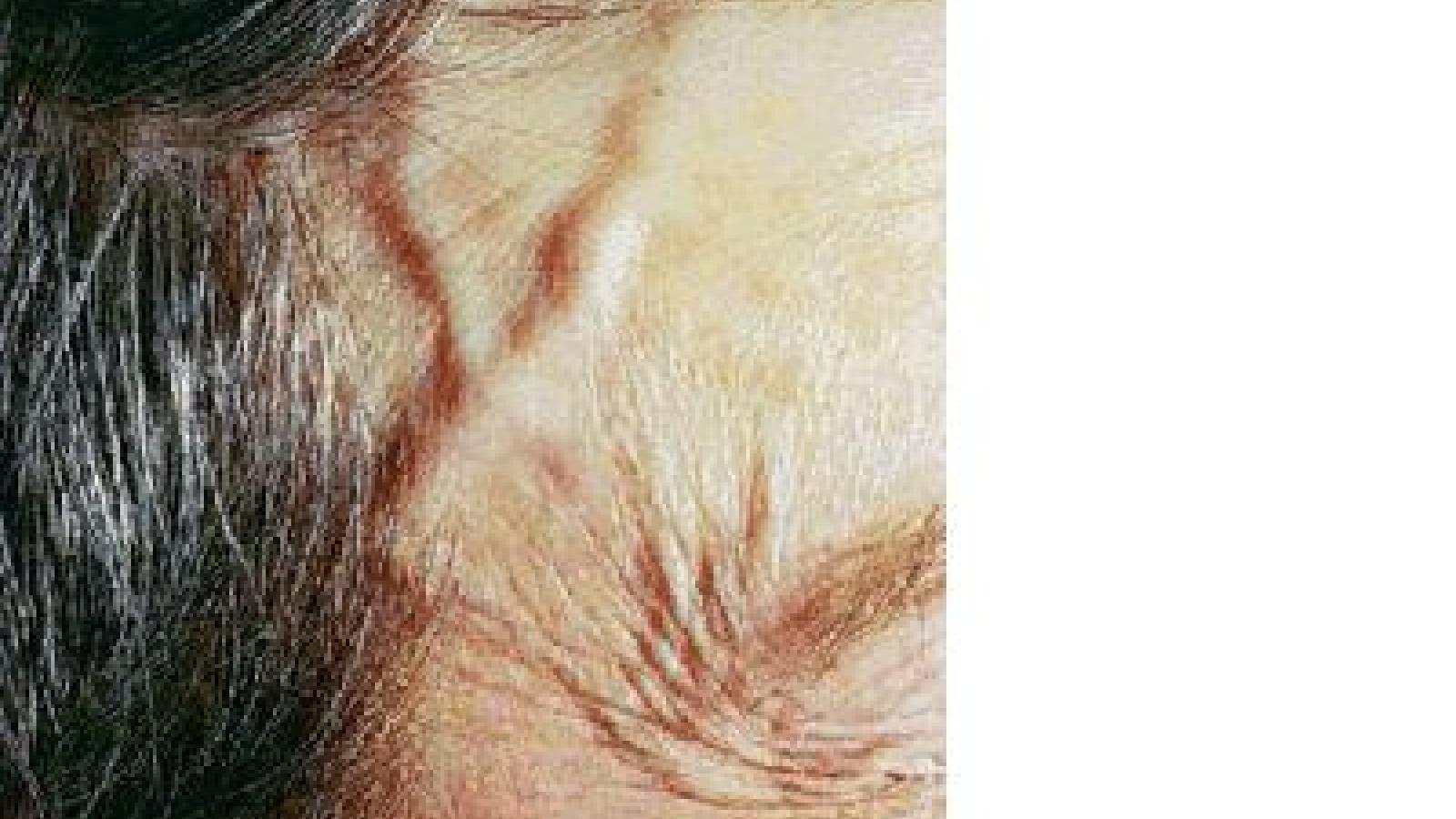
A study of the IL-23 risankizumab in active ankylosing spondylitis (AS) patients failed to show efficacy and did not meet primary efficacy endpoints in a 6-month trial.
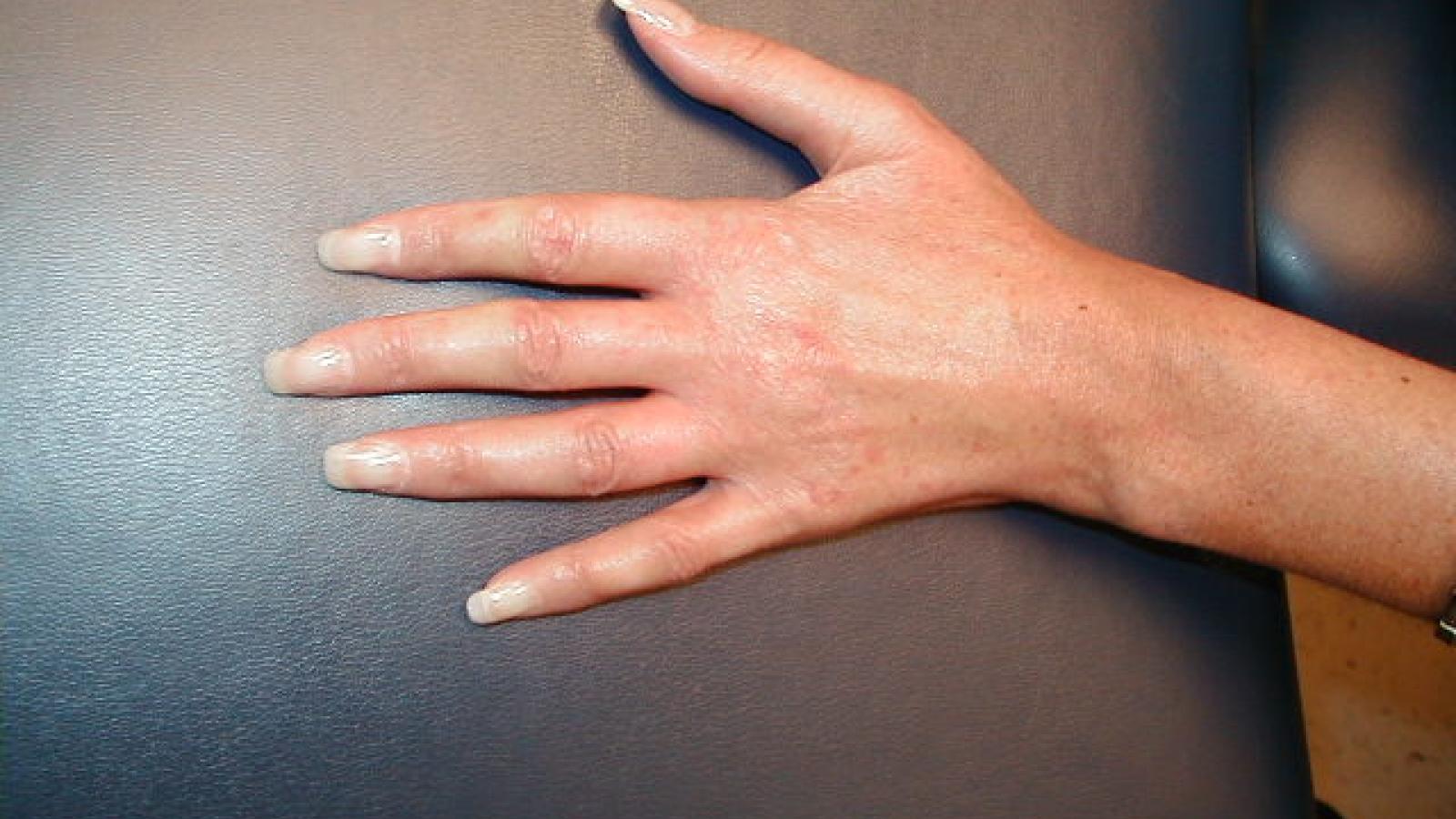
Systemic sclerosis is more common in the United Kingdom than previously reported, a nationwide population-based study determined.
The word “access” is thrown around a lot these days, particularly regarding health care and specifically, prescription medications. Access to medications essentially revolves around two things: availability and affordability. Immediately, pharmaceutical manufacturers come to mind, as they are responsible for production and setting the list price. However, ultimate availability and affordability of medications is shared with another entity.
The

A recent metanalysis suggests that obesity, hypertension and diuretic use are associated with a two-fold increased risk of incident gout.
From a potential of 9923 articles, researchers analyzed 11 studies with data suitable for the meta-analysis.
Gout was 2.24 times more likely to occur in individuals with body mass index ≥ 30 kg/m2 (adjusted relative risk 2.24 (95% confidence interval) 1.76–2.86).

Hydroxychloroquine retinopathy prevention guidelines have revised from ideal body weight-based dosing to actual body weight-based dosing; the question remains whether these have been adopted in clinical practice.
A database of nearly 21,000 new HCQ users from a UK general population database studied HCQ dosing and use between 2007 and 2016. Specifically they examined whether users were subjected to excess HCQ dosing per ophthalmology guidelines

The antiphospholipid syndrome (APS) is a common disorder affecting patients with and without autoimmune disease. Despite wider recognition of APS among physicians as well as the expanding research collaborations, many clinical questions are still encountered in clinical practice, which require further evidence-based studies. In this “Across the Table” edition, Drs. Cush and Erkan discuss some of these APS-related questions. Our guest expert, Dr

A French population based study of ankylosing spondylitis (AS) was report in the Journal of Rheumatology.
They analyzed the death certificates and cause of death in 2940 AS patients over 3 different decades (1969-78; 1979-99; 2000-2009).
The mortality rate of AS remained stable over time.


The Annals of Internal Medicine reports that despite improving trends in mortality, death rates from systematic lupus erythematosus (lupus) remain high compared to those in the general population, and disparities persist between subpopulations and geographic regions. Underreporting of lupus on death certificates may have resulted in underestimates of mortality rates.

