

While the risk of neoplasia with tumour necrosis factor inhibitor (TNFi) use has been largely nullified in most inflammatory disorders, this risk in children is less certain. However a recent study shows no risk of increased cancer in children treated with TNFi for juvenile idiopathic arthritis (JIA), pediatric inflammatory bowel disease (pIBD) and pediatric plaque psoriasis (pPsO).
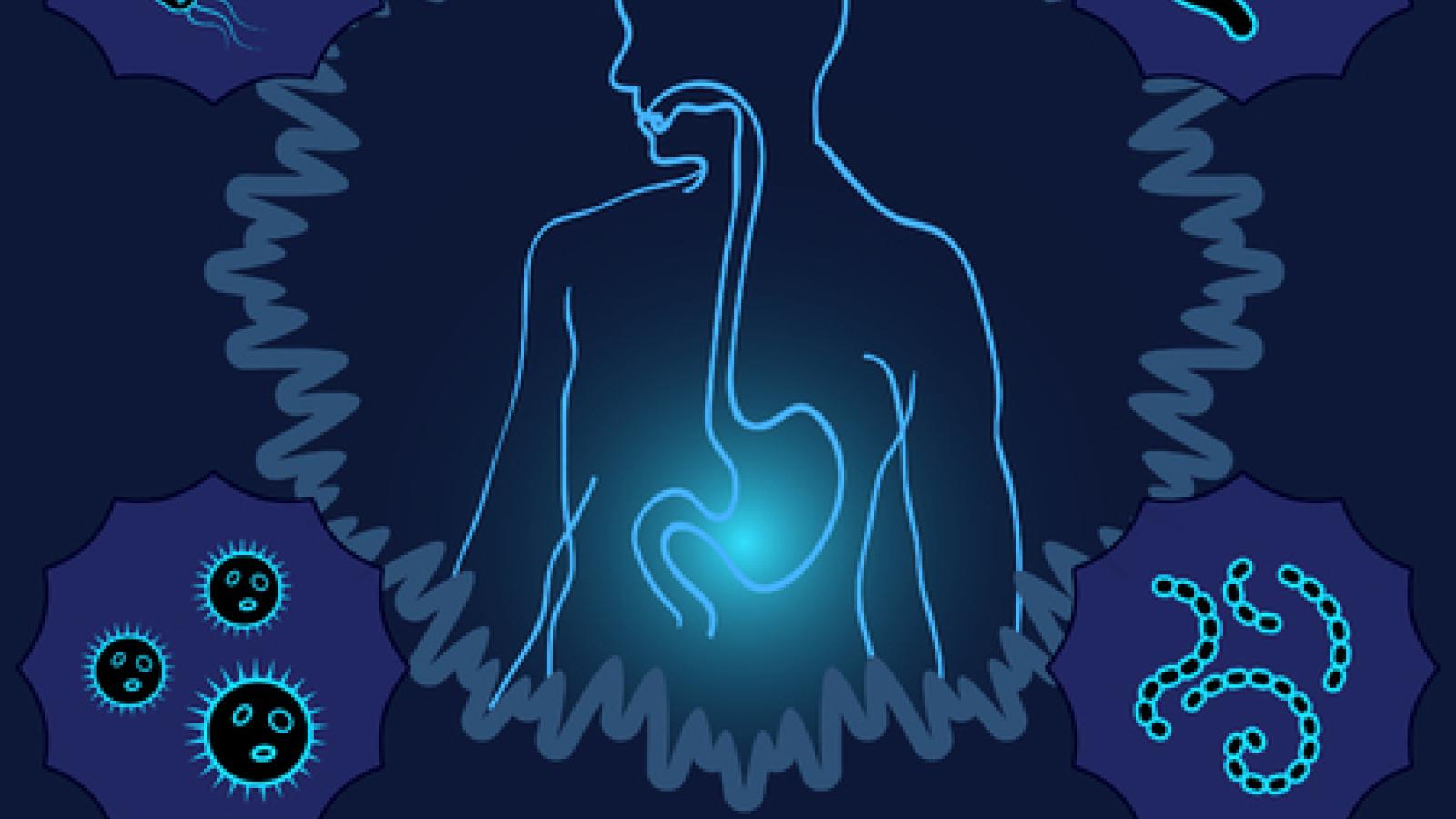
In the current issue of the New England Journal of Medicine, Drs. James Rosenbaum and Gregg Silverstein review the pathogenesis of systemic lupus erythematosus (SLE) from the viewpoint of a dysbiolsis.
The complexity of the trillions of organisms that constitute our microbiome underscores its multiplicity of functions, including nutrient, metabolic and immune shaping functions.
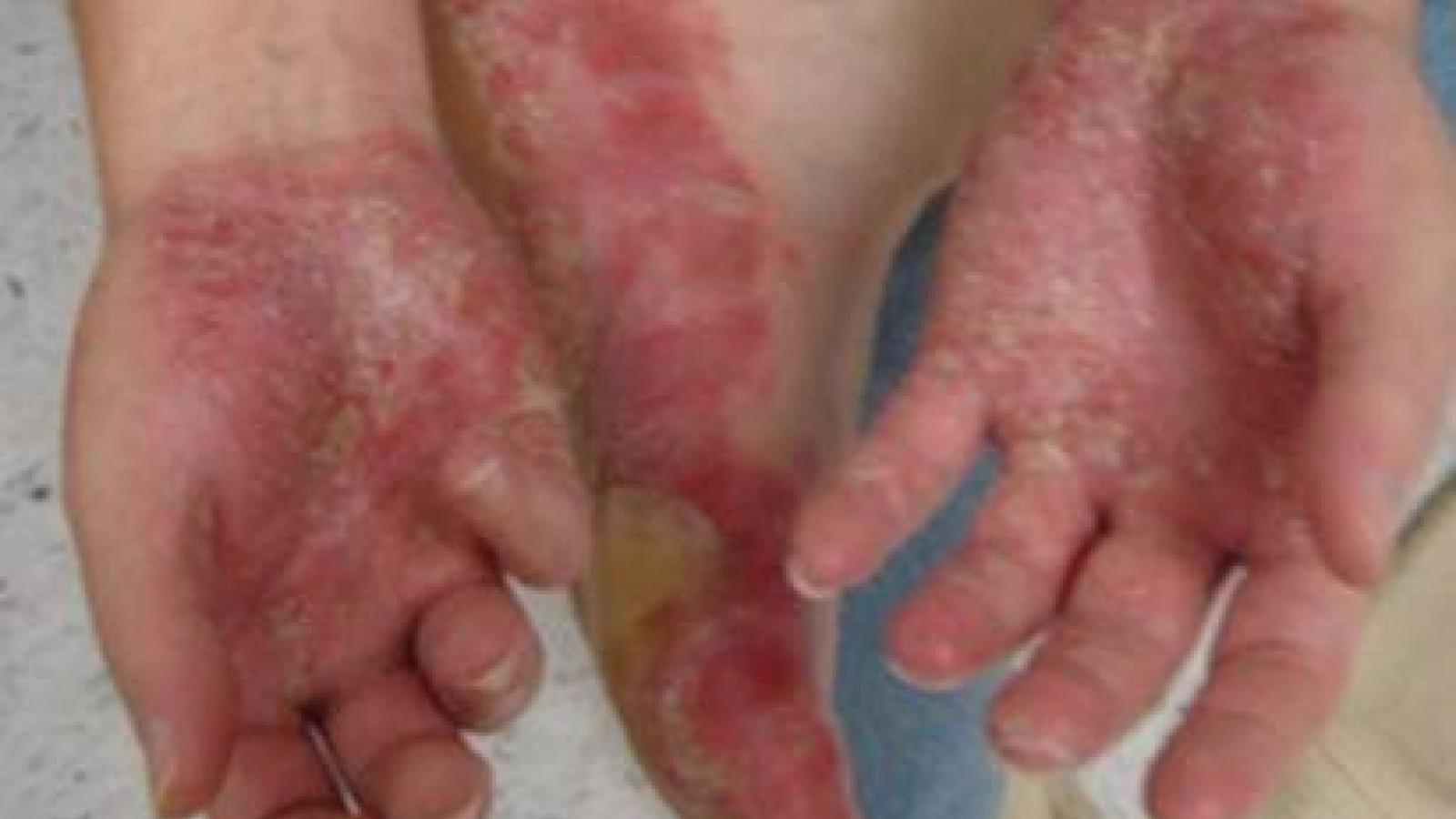
A population-based study of claims data from Korea shows that among inflammatory bowel disease (IBD) patients receiving tumour necrosis factor inhibitors (TNFi) there is a 3.7 per 100 patient-year risk of paradoxically developing psoriasis - a rate that is roughly 3-fold higher than risk in TNFi-naive IBD patients.

Reuters reports that Canada’s Senate on Thursday voted to legalize recreational marijuana, clearing a major hurdle that puts the country on track to become the first Group of Seven nation to permit national use of the drug.
Now the law and amendments go to the House of Commons who will need to decide on before the law can be passed.

Dr. Jack Cush discusses the past week's news and journal articles featured on RheumNow.com - including reports on advance practice clinicians, baricitinib, gout, disease activity, hypomagnesemia and upadacitinib.

An analysis of SK&A outpatient provider files, covering 90% of physician practices in the United States, shows that between 2008 to 2016, there was a 22% increase in the employment of advanced practice clinicians (APCs) by specialty practices. By 2016, 28% of all specialty practices employed APCs.

The development and progression of interstitial lung disease in systemic sclerosis can be an ominous finding. A new analysis of two independent clinical trial cohorts shows that oxygen saturation (SpO2) < 94% after 6 minute walk time (6MWT) and the presence of arthritis predicted the development of ILD in SSc.

Racial discrimination was a key feature at a 2-day summit on pain management and the opioid crisis, hosted by the National Institutes of Health on Thursday and Friday.
Asheley Cockrell Skinner, PhD, of the Duke Clinical Research Institute in Durham, North Carolina, provided a broad overview of racial bias in opioid prescribing.

A systematic review of prescription drug monitoring programs (PDMPs), advocated in the president's Prescription Drug Abuse Prevention Plan, fails to show evidence of efficacy in preventing nonfatal and fatal overdoses.

Patients with systemic lupus erythematosus (SLE) who were assessed as being in a low disease activity state during more than half of clinical visits had a decrease in organ damage events of approximately 50%, a retrospective study found.

The genetics and heritability of gout has suggested a higher risk in certain families. A UK cohort study examined the prevalence of gout and monosodium urate (MSU) crystal deposition among those at risk (sons of gout patients) for gout and found a high incidence of hyperuricemia and MSU crystal deposition.

Researchers from the Toronto Lupus Clinic have described an atypical “monophasic” course in a small number (7.5%) of systemic lupus erythematosus (SLE) patients who achieved and sustained clinical remission, with most off of all medications for an average of 18 years.
Their inception SLE cohort includes patients enrolled within 18 mos of diagnosis.

The US Food and Drug Administration has approved baricitinib (Olumiant) for use in adults in moderate-to-severe active rheumatoid arthritis (RA) who have had an inadequate response to TNF inhibitors (TNFi). It is not approved for use, nor has it been studied, in children.

Today the U.S. Food and Drug Administration approved baricitinib (Oluminant) at the lower dose of 2 mg per day for use in adults with with moderate-to-severe active rheumatoid arthritis (RA) who have had an inadequate response to commonly-used treatments known as TNF inhibitors.

Dr. Jack Cush reviews this weeks reports from RheumNow.com, including the risk of autoimmunity with vaccination, early RA outcomes, new FDA approvals for certolizumab and tofacitinib and the risk of death from infection with biologics.

