

I spent this past week seeing hepatitis C patients with our hepatologists, and being a rheumatologist, I was looking forward to seeing extra-hepatic manifestations of HCV that we read about in text-books - cryoglobulinemic vasculitis, sicca syndrome, porphyria cutanea tarda and many others. I suppose I should not be surprised that the week passed without seeing a single one of these.

Dr. Jack Cush reviews the highlights from the news, journals and major meetings. New announcements and approval from the FDA; novel associations between ANCA vasculitis and thyroid disease; flare rates after arthroplasty; and pregnancy outcomes for men and women.

The mind-body practice of tai chi was as effective or better than currently recommended aerobic exercise for fibromyalgia, a randomized controlled trial demonstrated.

Seminars in Arthritis and Rheumatism features a review of the effects of paternal use of antirheumatic drugs on pregnancy, specifically addressing the effects of NSAIDs, steroids, DMARDs and biologics on spermatogenesis and the effect on pregnancy outcomes and offspring.
Lancet reports that 12 months of sirolimus treatment is associated with improvement in lupus disease activity presumeably by correction of pro-inflammatory T-cell activity.
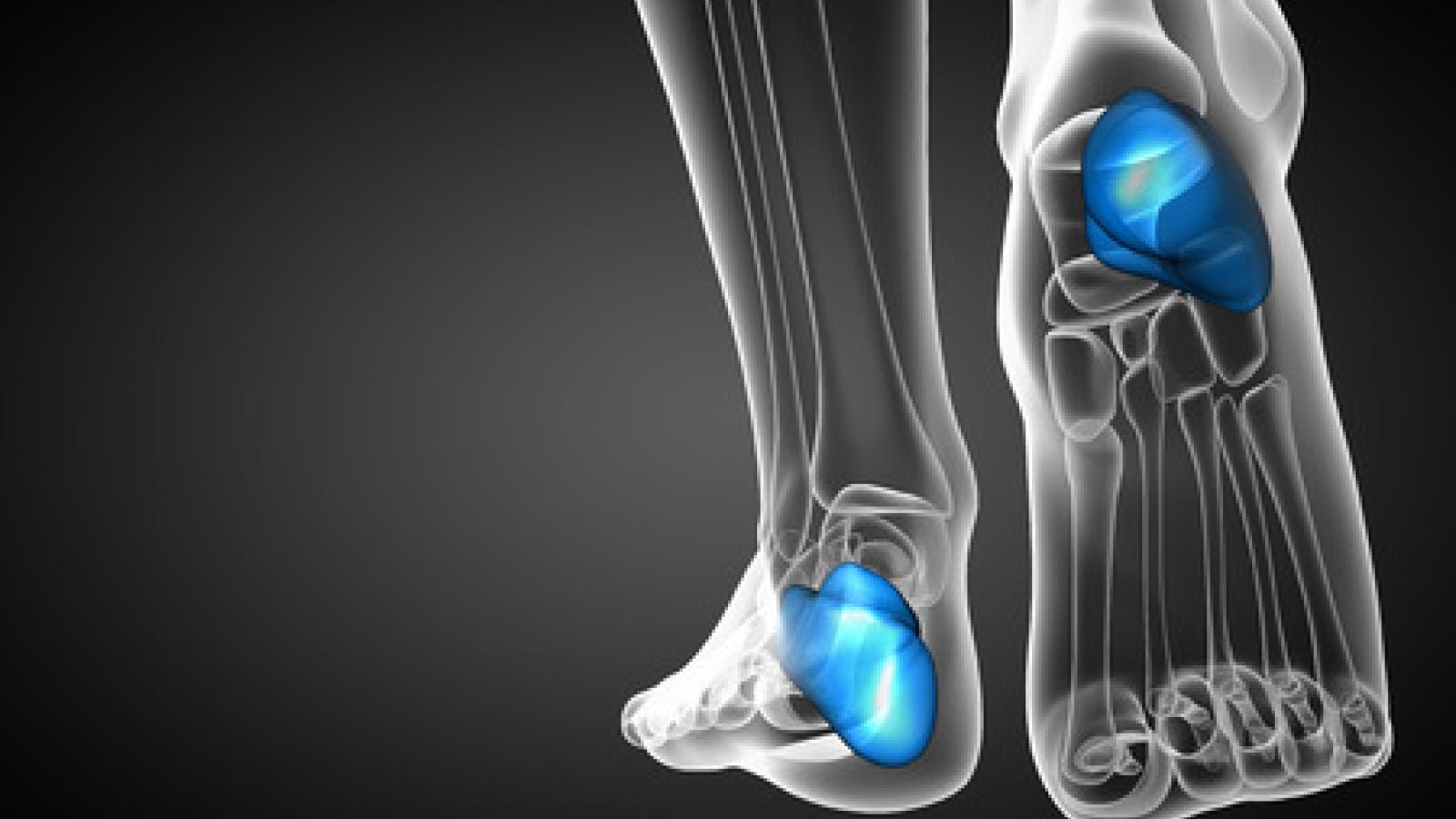
A report from the British Journal of Sports Medicine shows that commonly used drug store shoe inserts or customized orthotics are often ineffective in managing plantar heel pain.

Geniculate artery embolization was found to dampen knee pain arising from osteoarthritis, according to interim study results presented at the 2018 annual meeting of the Society of Interventional Radiology.
One month after the catheter-based procedure, patients reported having less intense knee pain on a visual analog scale (VAS; baseline 75 mm, average decrease of 53 mm, P<0.01).
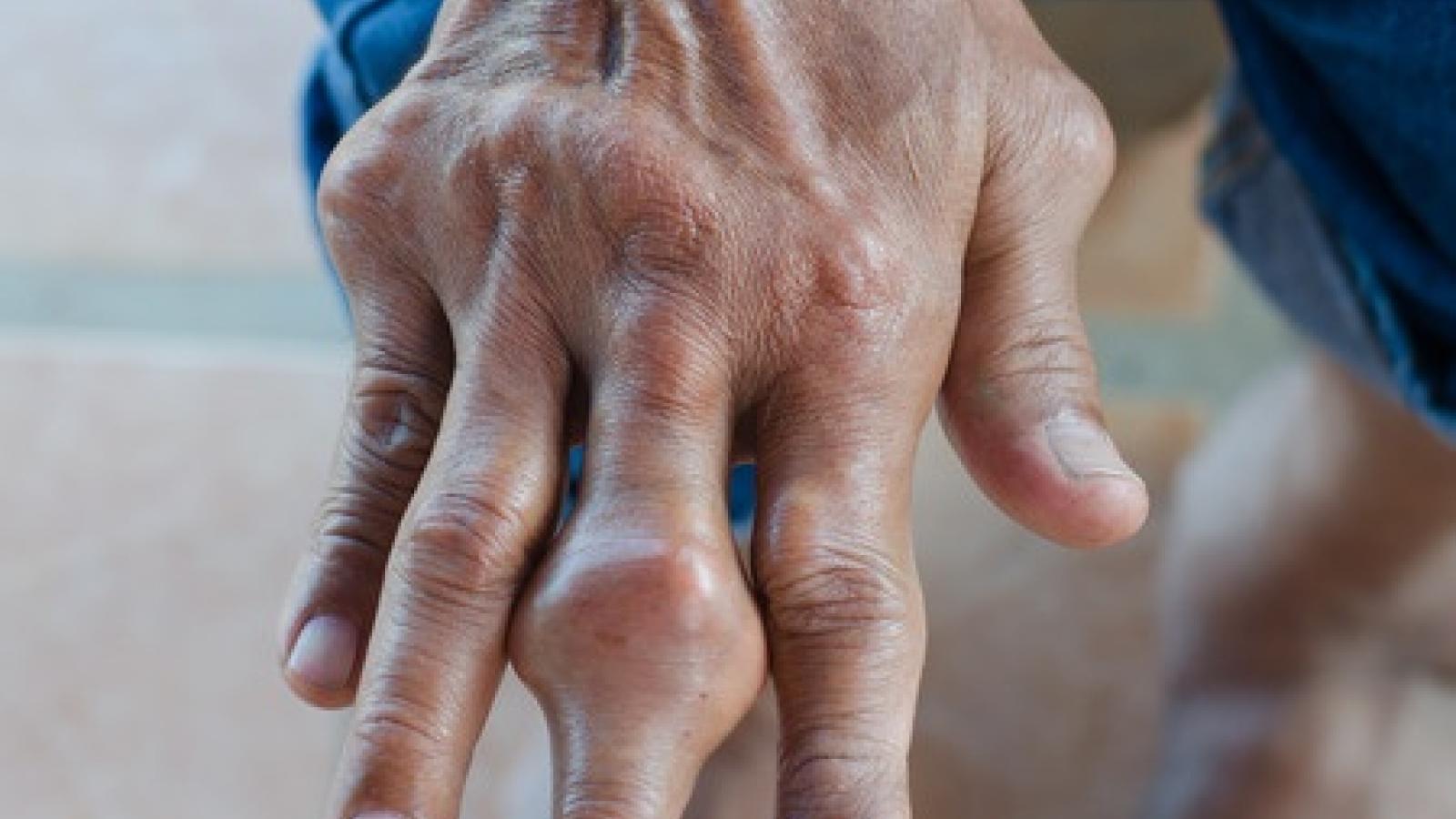
The current issue of JAMA has a perspective article on Gout’s bad rap as dietary disease rather than the complex, chronic inflammatory disorder that is ineffectively treated in many. The author and experts interviewed believe that the pipeline of new drugs for gout will fuel the future of evidence-based care and more informed lifestyle instruction.

I’m a firm believer that your desk space is a window to your soul, if not your neuroses. My first year fellow and colleague kept his desk meticulously sterile. It was so sparsely decorated and clean, he could be the poster child for minimalism. This was in drastic contrast to our program director, who had papers and books strewn about and multiple half-filled coffee cups surrounding his desk. His chair was typically found in the

Researchers at Northwestern University have used ultrasound-guided tissue biopsy from the joints to analyze the genes of tissue macrophages with the hope that transcriptional profiling of synovial macrophages may be correlated with clinical parameters or drug responsiveness in rheumatoid arthritis (RA) patients.(Citation source:

MMWR reports that In 2015, the number of adults with arthritis continued to increase; with marked geographic variability in arthritis estimates with gaps in arthritis management.
The CDC estimates that physician-diagnosed arthritis affects 54 million of adults in the United States with an annual cost of approximately $300 billion annually.
Research from the Danish biologics registry shows that the use of a biologic in patients with a history of a primary cancer does not increase the risk of a second malignant neoplasm (SMN) or mortality in rheumatoid arthritis (RA) patients.
They analyzed 15,286 RA patients in the DANBIO Register between 2000–2011 and found 1678 with a primary cancer. The majority (1203) did not use biologics after.
Dr. Jack Cush reviews the highlights from the news, journals and major meetings. Bigtime rheumatologic lessons with tales from intestinal crypts, the friendly skies & the hips of hockey players. Also the microbiome and lupus, benefits of ENT findings with GPA and rare risk of opportunistic infections with biologics.

The British Society for Rheumatology Biologics Register for Rheumatoid Arthritis has studied nearly 20,000 patients and observed that there is no substantially different risk of opportunistic infections between different biologics.

Contrary to expectations, dose escalation of allopurinol among patients with gout did not improve survival, a 10-year observational study found.

