
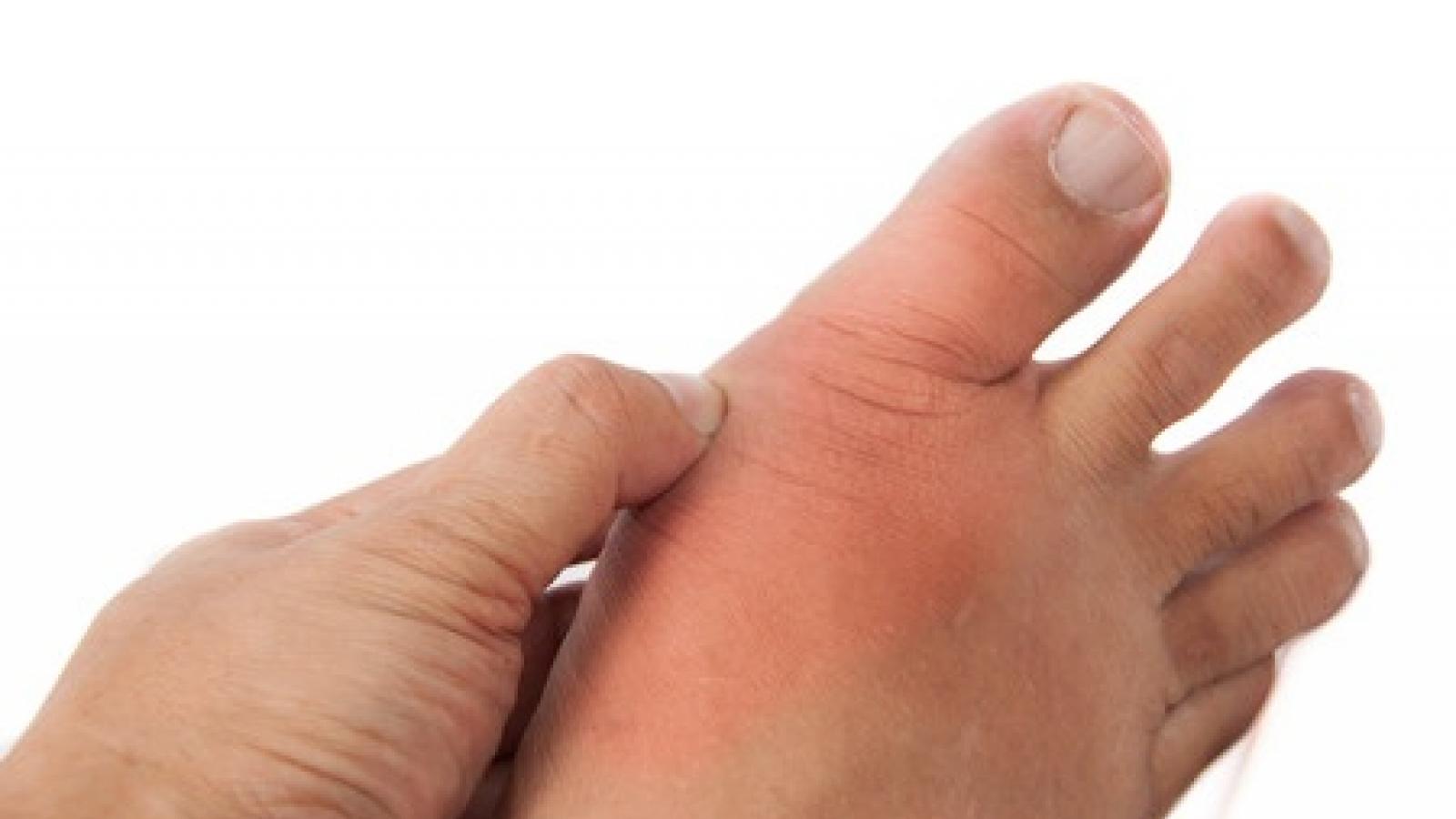
Dalbeth and colleagues have published a novel report in Arthritis & Rheumatology, novel in that it is a trial of early gout patients that looks at clinical and radiographic outcomes. They showed that febuxostat improves magnetic resonance imaging (MRI) measures of synovitis and reduced gout flares, but failed to alter X-ray progression with 2 years follow-up.
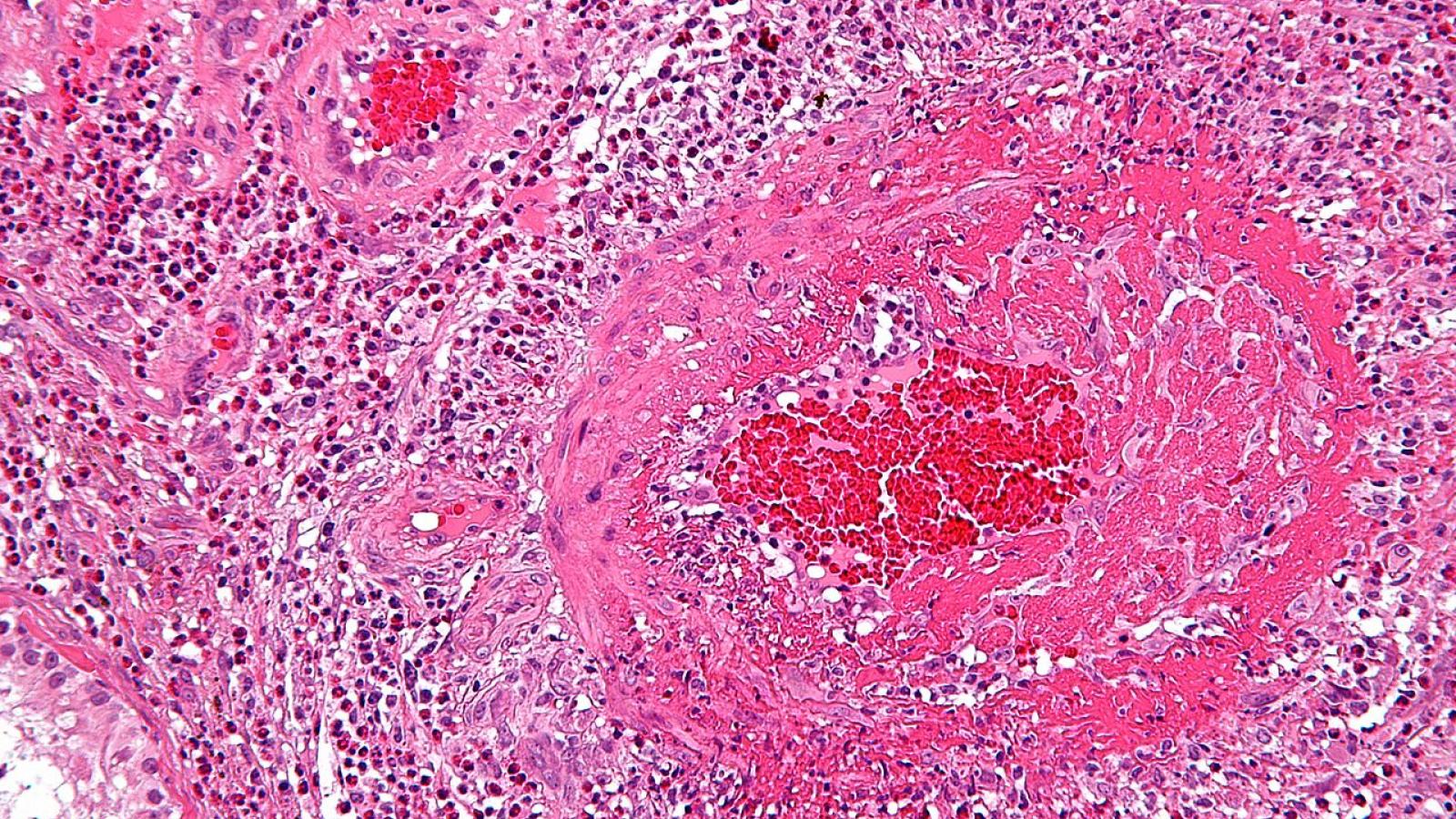
The Food and Drug Administration (FDA) approved use of Nucala (mepolizumab) for use in treating adults with eosinophilic granulomatosis with polyangiitis (EGPA), previously known as Churg-Strauss vasculitis. This is first FDA-approved therapy specifically to treat EGPA.
EGPA is rare with an stimated incidence of 0.11 to 2.66 cases per 1 million per year and an overall prevalence of 10.7 to 14 per 1,000,000 adults.
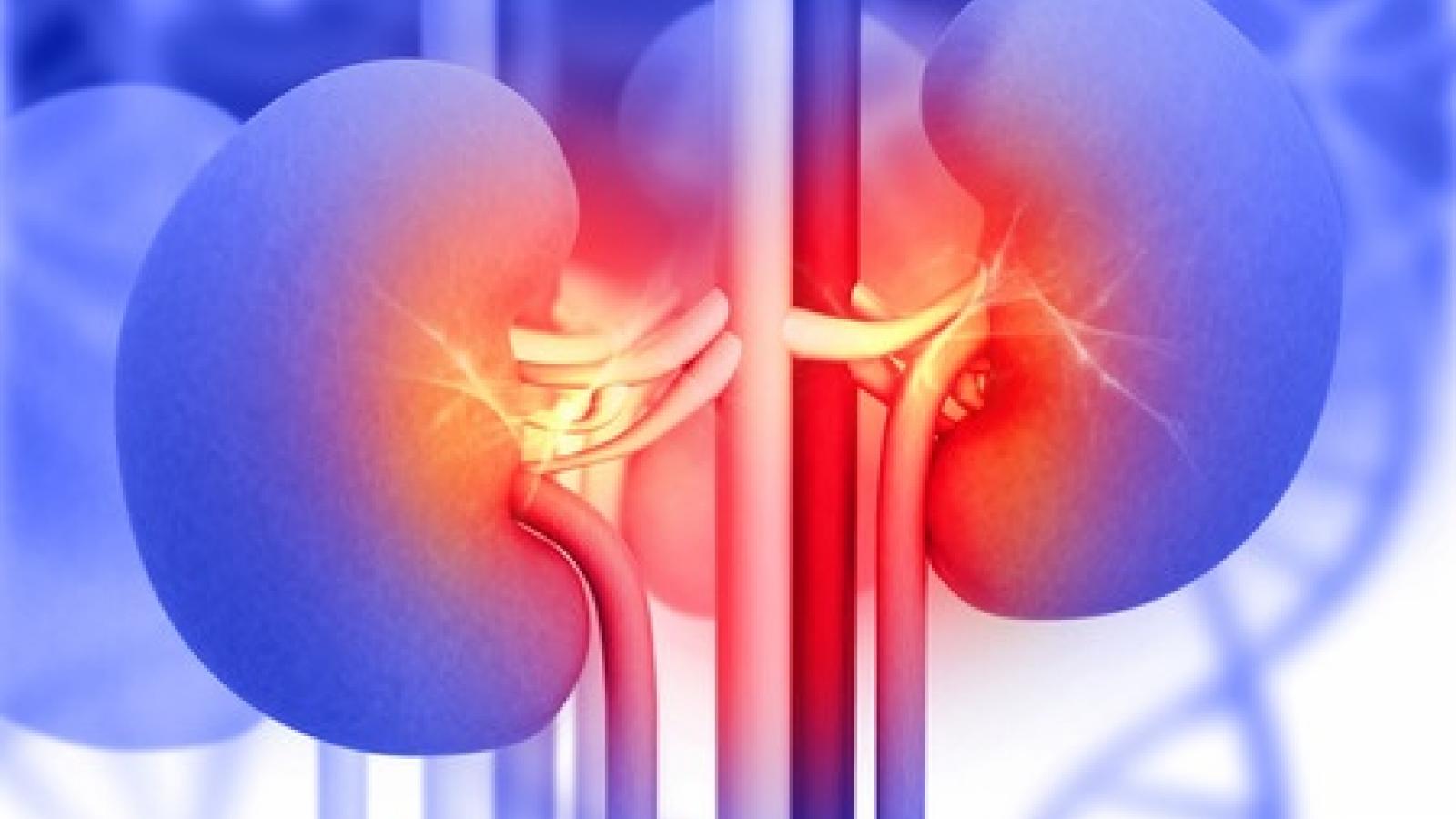
Renal dysfunction is common among patients with rheumatoid arthritis (RA), particularly among older patients, women, and those with hypertension, Japanese researchers reported.
Using absolute estimated glomerular filtration rates (eGFR), 33.8% of patients had renal dysfunction, according to Shunsuke Mori, MD, of Kumamoto Saishunsou National Hospital in Kohshi, and colleagues.

Despite a growing body of evidence suggesting that maternal health is more important than maternal medications to fetal and infant outcomes, little is known about the long term oucomes of infants born to mothers with rheumatoid arthritis (RA). Using Danish population data, researchers have shown in utero exposure to maternal RA is associated with an increased risk of thyroid disease, and an increased risk of future RA.
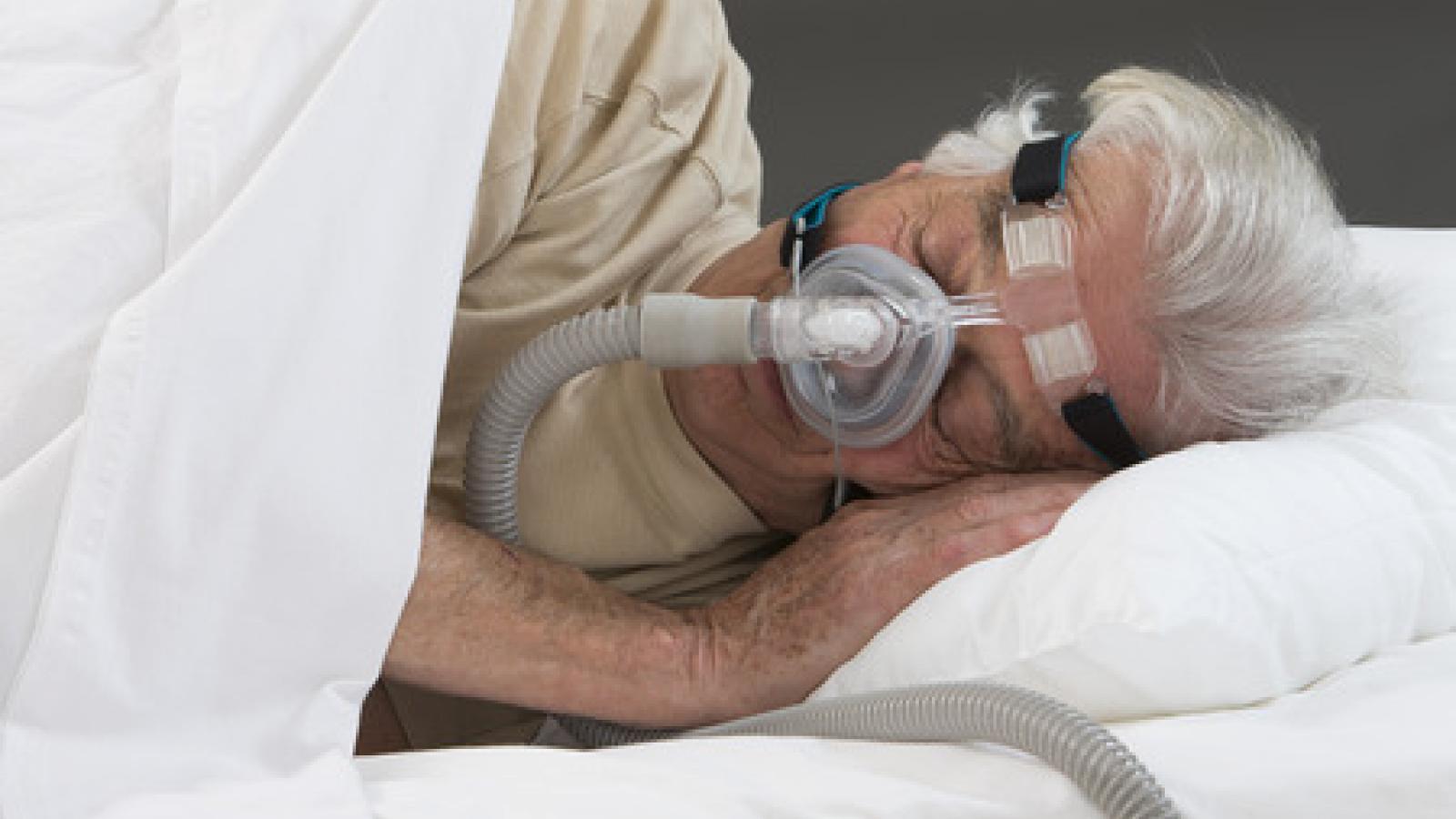
A task force from the American Academy of Sleep Medicine (AASM) performed a systematic review of the scientific literature on obstructive sleep apnea and screening tests.
A 2017 international committee of experts met to assess and revise its earlier 2012 recommendations regarding treating to target in patients with psoriatic arthritis (PsA) and axial peripheral spondyloarthritis (SpA).

The NLRP3 inflammasome is a critical component of the innate immune system and activation of NLRP3 inflammasome results in caspase-1–dependent secretion of the proinflammatory cytokines IL-1β and IL-18. Gain-of-function missense mutations in NLRP3 is thought to drive many of the autoinflammatory diseases, especially the cryopyrin-associated periodic syndromes (CAPS).

Dr. Jack Cush covers the news and journal articles published on RheumNow.comin the past week.

Reuters reports that patients who live in low-income communities and lack a college education may have worse pain after knee replacement surgery than their more educated neighbors, citing results from a recent study from the Hospital for Special Surgery in NY.
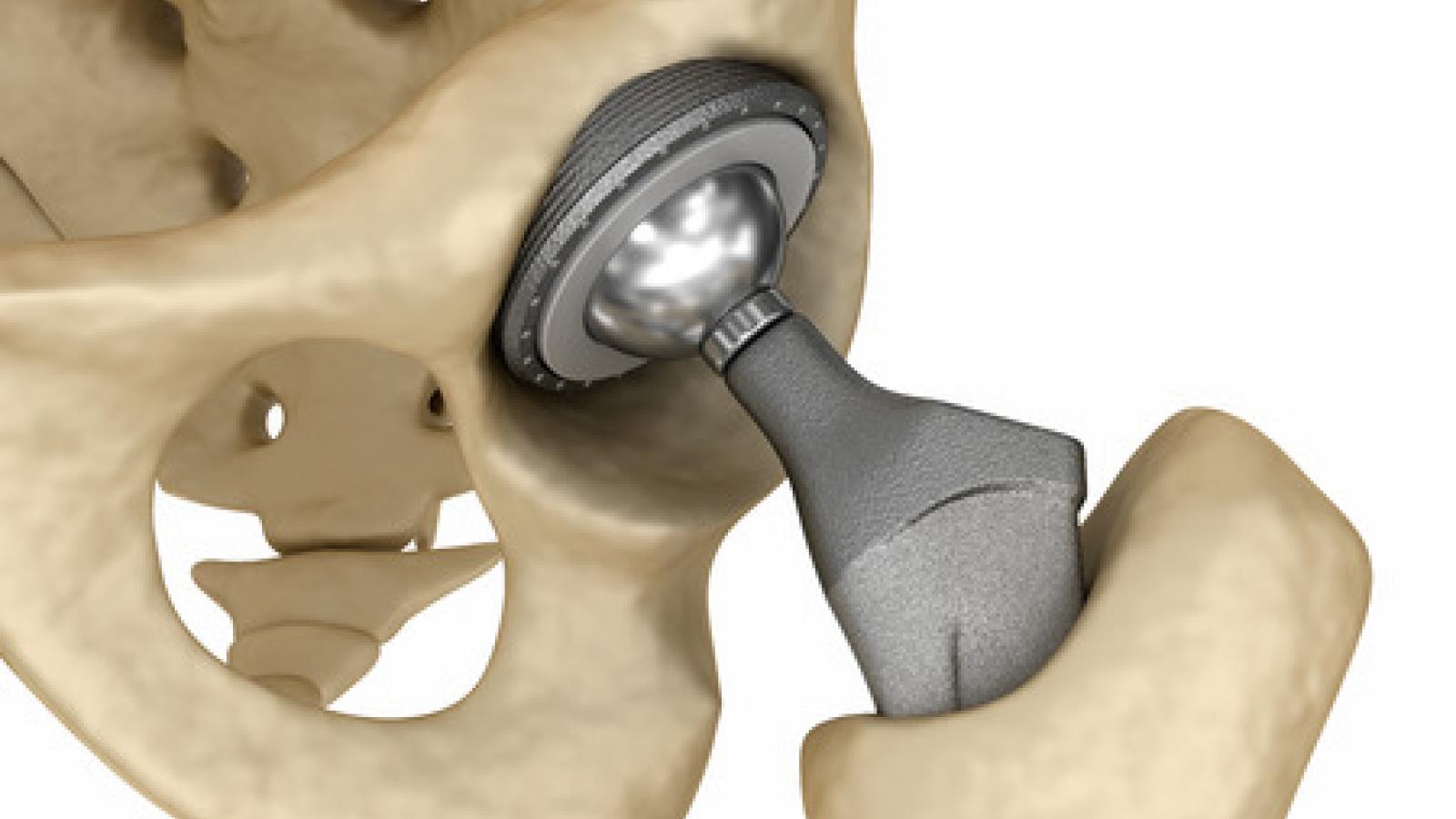
Staying on a TNF inhibitor (TNFi) throughout major surgery has generatlly been associated with higher rates of perioperative infection (https://buff.ly/2iBFVjp). On the other hand, discontinuation of the TNFi prior to surgery is associated with lower rates of infection (https://buff.ly/2iAFZQf)

During 2017, the improvements and refinements seen during previous years in the treatment of rheumatoid arthritis have been extending to other conditions ranging from psoriatic arthritis to lupus and for both monoclonal antibodies and oral small molecule medications.
Advances for Biologics
Drug Safety has published a systematic review of the FDA’s Adverse Event Reporting System (FAERS) and finds numerous reports of thromboembolic adverse events (AEs) associated with two currently marketed Janus kinase (JAK) inhibitors, tofacitinib (Xeljanz) and ruxolitinib (Jakafi). (Citation source: https://buff.ly/2zXyY2X)

The PRECISION trial reported last year that celecoxib appears to be safer than the NSAIDs naproxen or ibuprofen in treating osteoarthritis (OA) and rheumatoid arthritis patients who are at increased cardiovascular risk. New data suggests that adding aspirin may nullify this advantage, according to a study presented at the annual American Heart Association meeting and reported by Medscape.

This rant is addressed to the Internet, all worldly publications, the ACR/ARHP, and our good friends at Elsinore Brewery. For the love of God. PLEASE stop calling nurse practitioners (NPs) and physician assistants (PAs) "Non-Physician Providers". And do not call us "midlevels". Do not call us "physician extenders". The collective proper nosology is Advanced Practice Providers (Acronym of the Day: APPs).
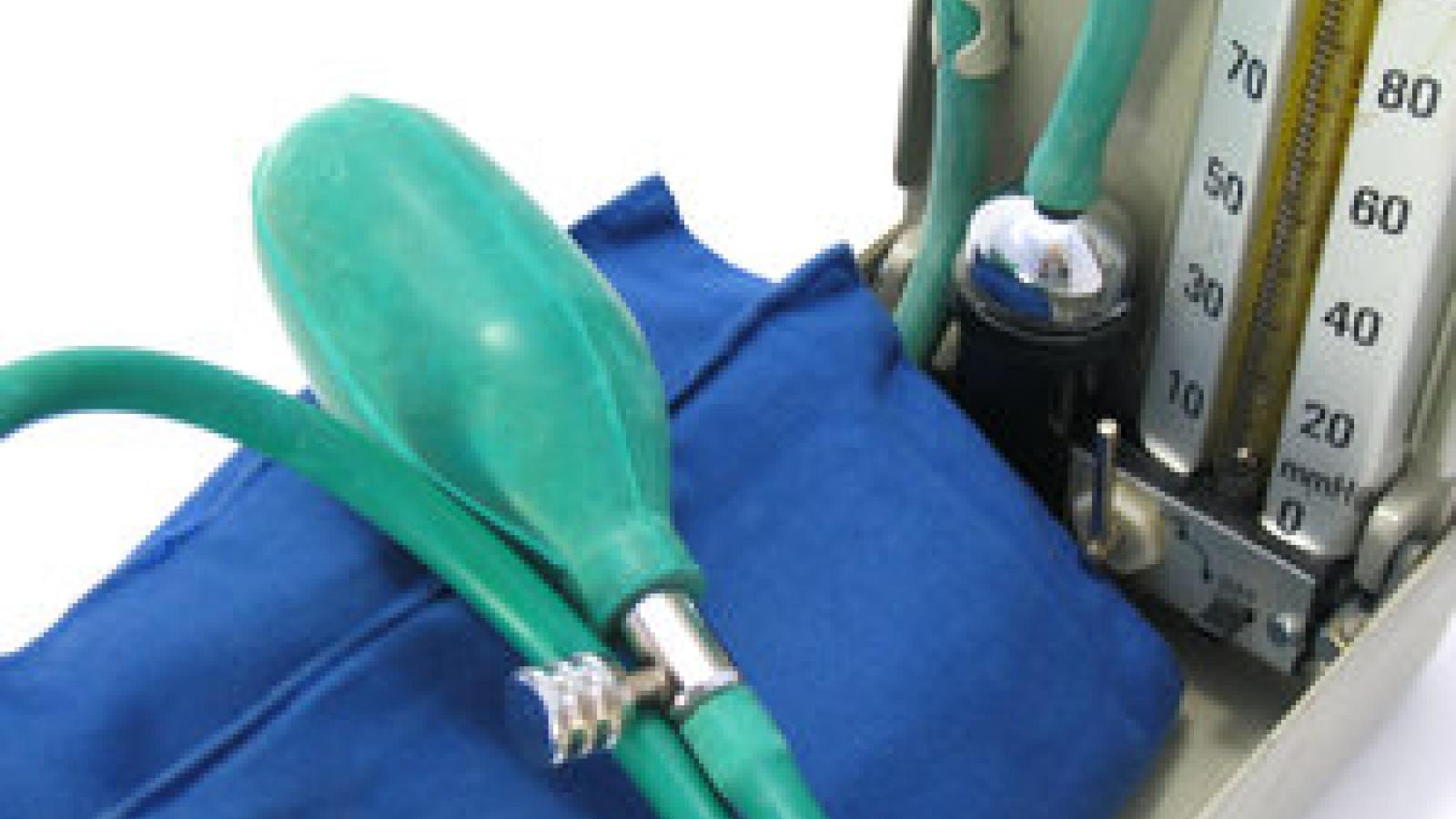
Researchers from the Oregon Health Science Center have reported that fibromyalgia can be distinguished from chronic pain by primary care providers (PCPs) who employ two simple screening tests: BP cuff-evoked pain and a single patient question, and pain induced by pinching the Achilles tendon.

