
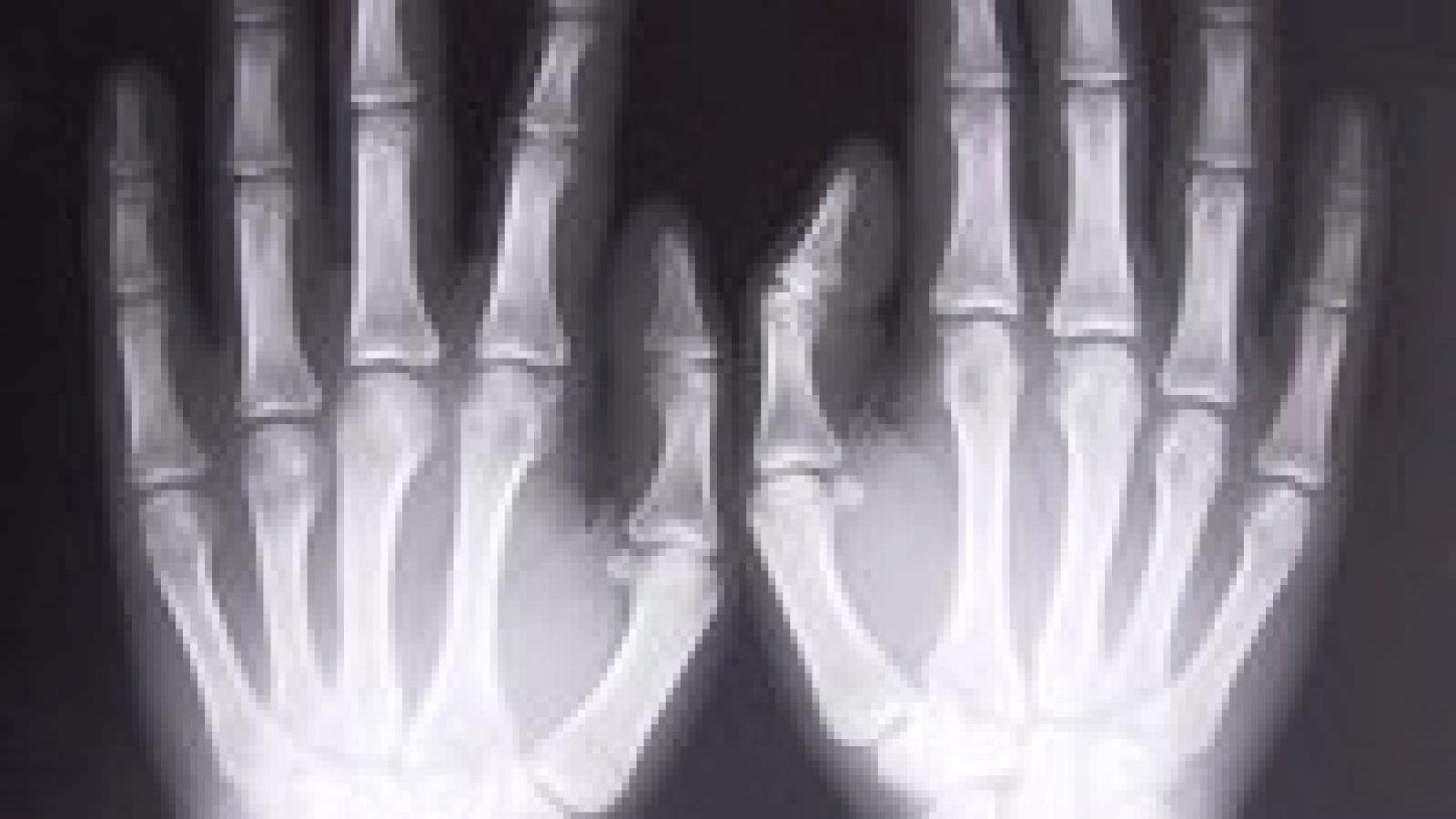
An article in the Journal of Bone and Mineral Research reports that physical activity during adolescence is an important determinant in bone strength. (Citation source http://buff.ly/2oph6vO)

Dr. Jack Cush reviews highlights from the news and Advances in Targeted Therapies meeting in Mandelieu, France:
Tweeting this week from Advances in Targeted Therapies #ATT2017 in Mandelieu, France.
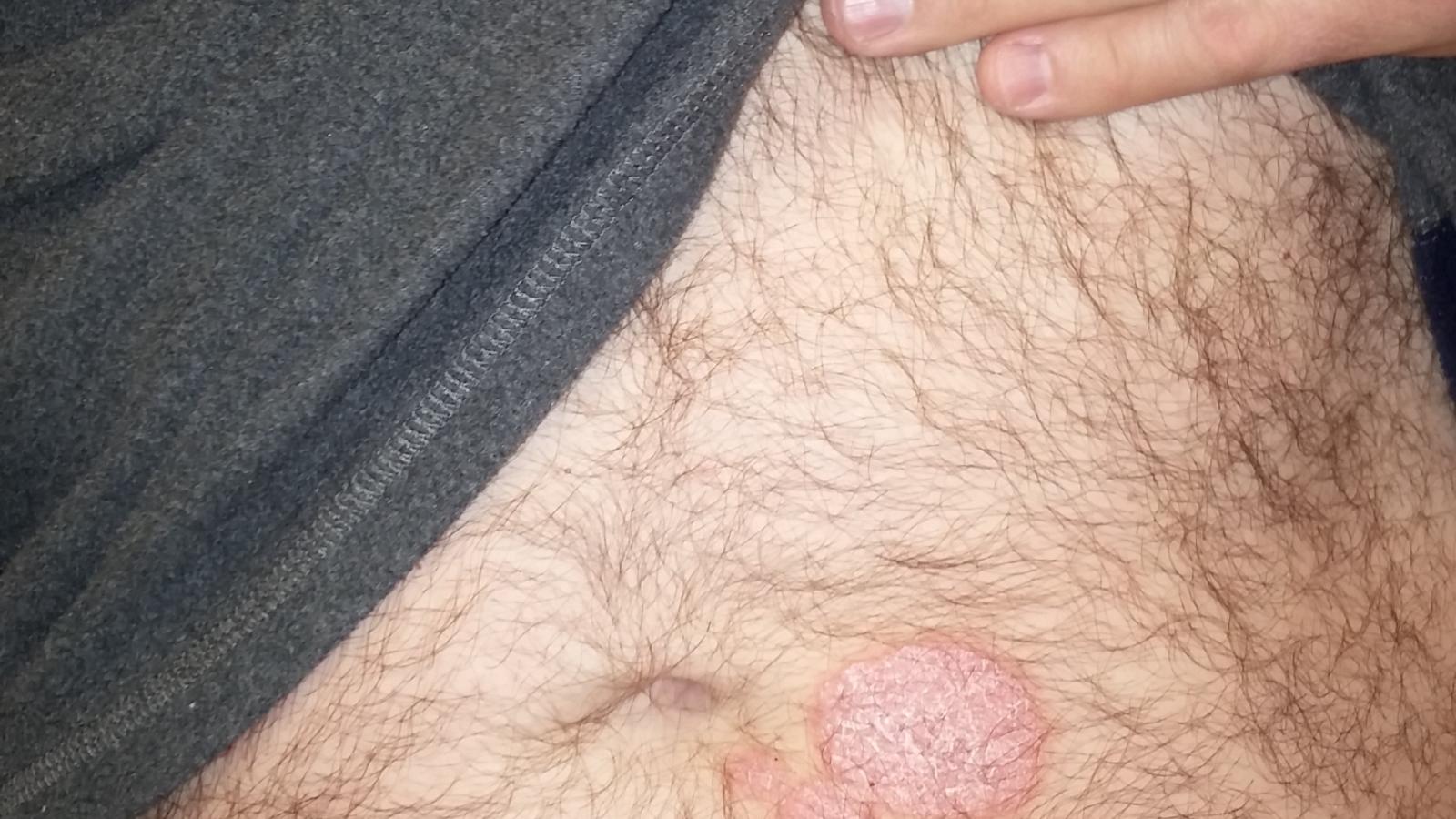
Tumor necrosis factor-α inhibitors (TNFi) rarely have been reported to induce new-onset psoriasis. Although the rate of this adverse event is estimated to be 1/1000, it occurs with all TNFi and occurs in rheumatoid arthritis (RA), inflammatory bowel disease (IBD) and even psoriasis patients receiving TNF inhibitors.

Two current articles in the Journal of Rheumatology address issues surrounding mortality risk among those with new and established gout.
Vincent et al assessed predictors of mortality in patients with a recent onset of gout (disease duration < 10 years). They analyzed 295 patients with a mean followup duration of 5.1 years, during which time there were 43 deaths (14.6%).

A recent RheumNow survey of 495 rheumatologists found that half of rheumatologists allow 1-3 alcoholic drinks per week and 6-7% has no alcohol restrictions while being treated with methotrexate (MTX). Conversely ~25% only allowed 1-3 drinks per month and 15-20% forbid any alcohol use.

On Friday March 24, the nonprofit Institute for Clinical and Economic Review (ICER) presented its report on the cost and value of targeted immune modulators (TIMs) for rheumatoid arthritis (RA) in a meeting in Boston that included clinical experts, manufacturers, payers, and patients.
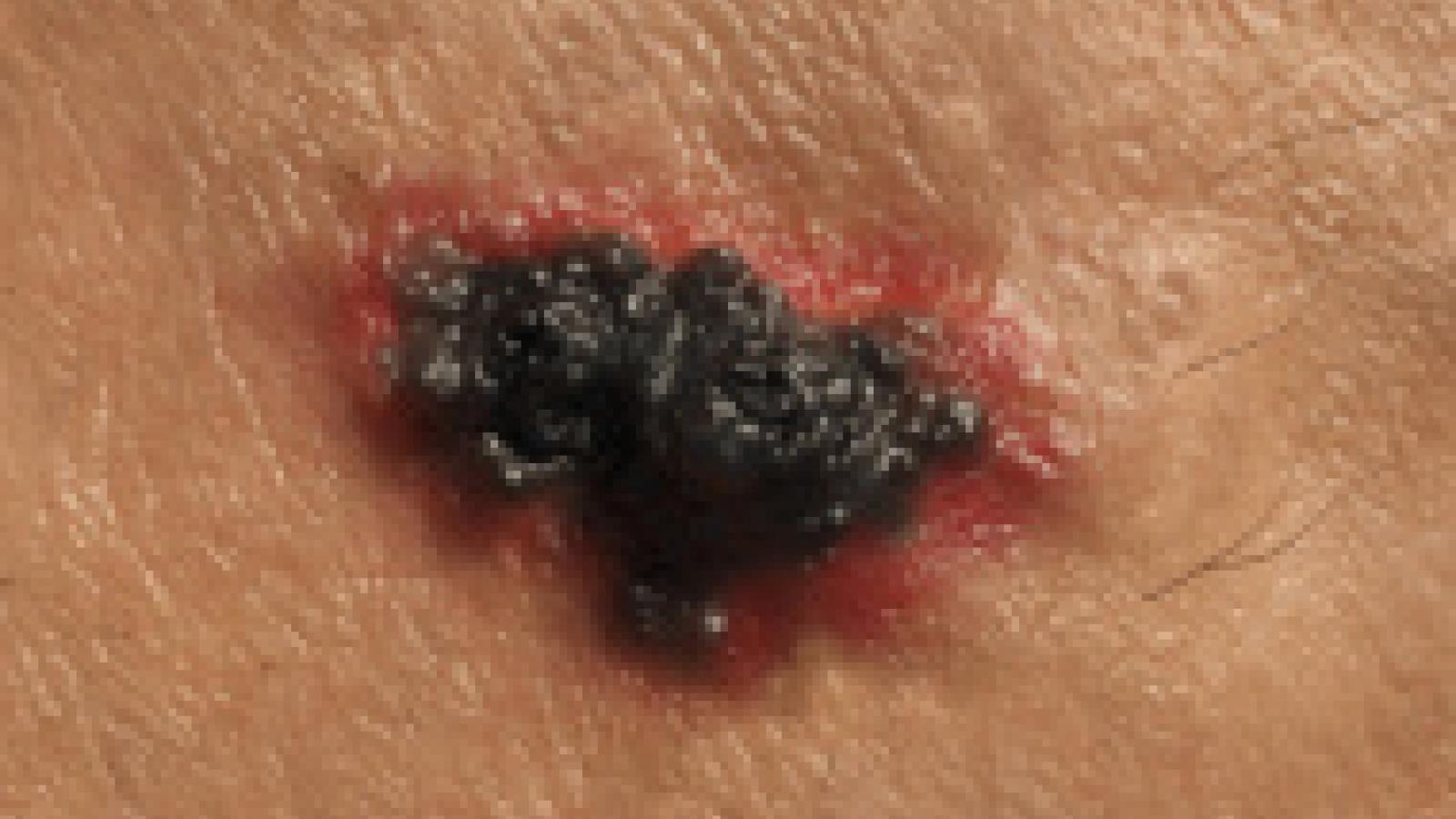
Rheumatoid arthritis (RA) patients have a higher risk of certain cancers (e.g., skin, lung, lymphoma). At issue is whether the newer agents modify this risk appreciably. This issue has been intensively studied and the data is clear that biologic agents do not increase the risk of lymphoma or solid tumors over that seen with active inflammatory RA alone.

Low rates of serious infections were observed in pregnant women receiving immunosuppressive therapies. Higher rates may be seen with steroid use in pregnancy and SIE trend towards lowest with DMARD or TNFi use.

Lyrica (pregabalin) was first approved in 2004 and since has been studied and approved for use in neuropathic pain (associated with diabetic neuropathy), postherpetic neuralgia, partial onset seizures, fibromyalgia and neuropathic pain with spinal cord injury. It is often used to manage chronic pain and neuropathic pain outside these indications.

Dr. Jack Cush reviews news and highlights from the past week on RheumNow.com.

In the Makonde language, “Chikungunya” translates to “that which bends up”, descriptive of the twisted posture of those infected secondary to intense joint and muscle pain experienced during the acute phase of the disease.
The acute symptoms subside along with resolution of the viremic phase usually within 2 weeks, but it has been reported as far back as the 1970s that joint manifestations may persist for months to years.
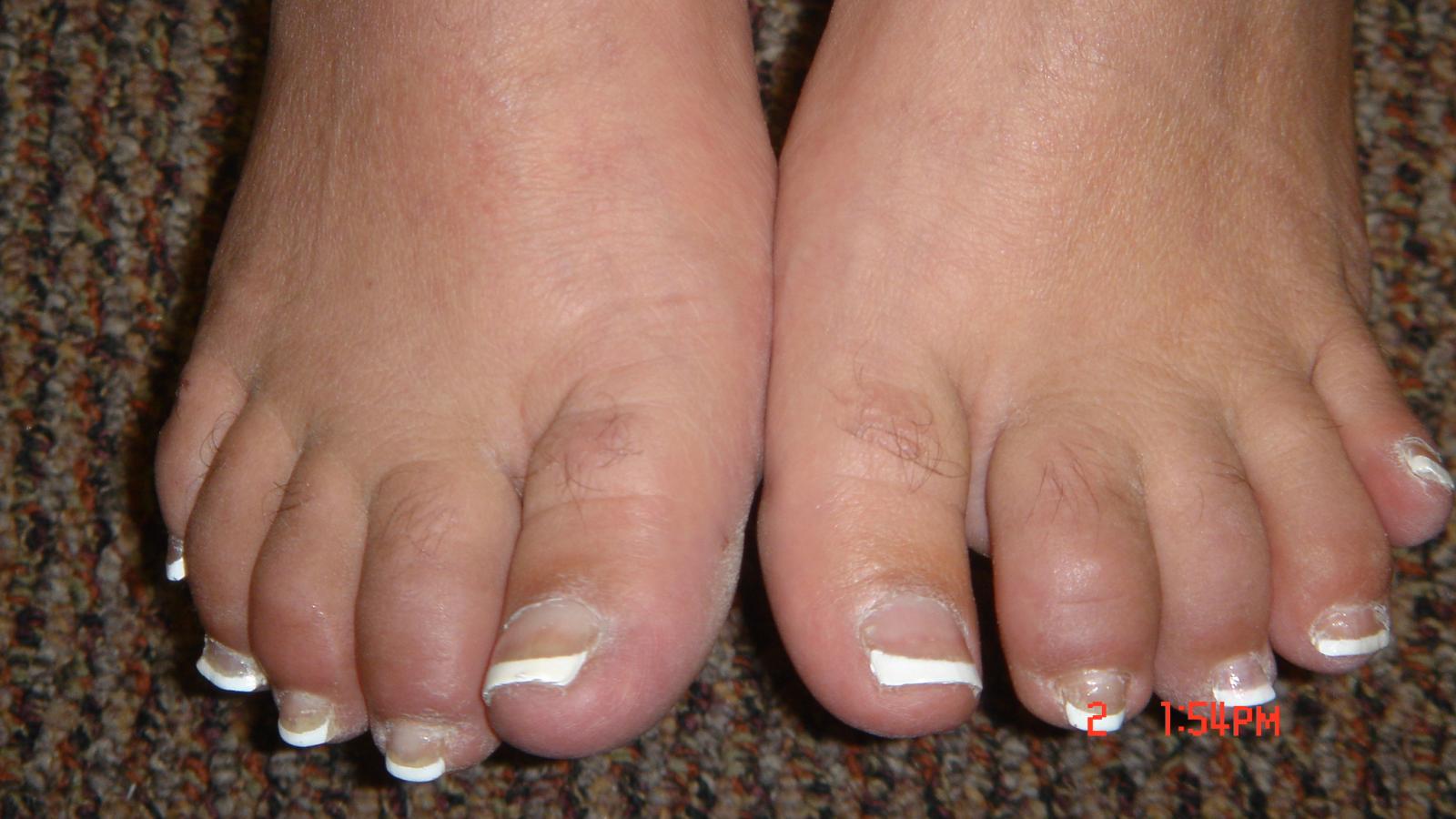
A comprehensive review of psoriatic arthritis (PsA) was published this week in the NEJM, authored by leaders in the field, Drs. Ritchlin, Colbert and Gladman.High points from their review inlcuded:

Dr. Steven Carsons and an expert committee of the Sjogren's Syndrome Foundation have published a clinical practice guidelines (CPGs) and recommendations for the managment of Sjögren's syndrome.
My original agreement with Jack was to review a serious scientific book. However, half way through one, I was bored, so I went to the library. I'm so glad I did, because I came upon two books, written by Ireland-born physician Patrick Taylor, that continued the tale I'd started years ago about Fingal Flahertie O'Reilly.
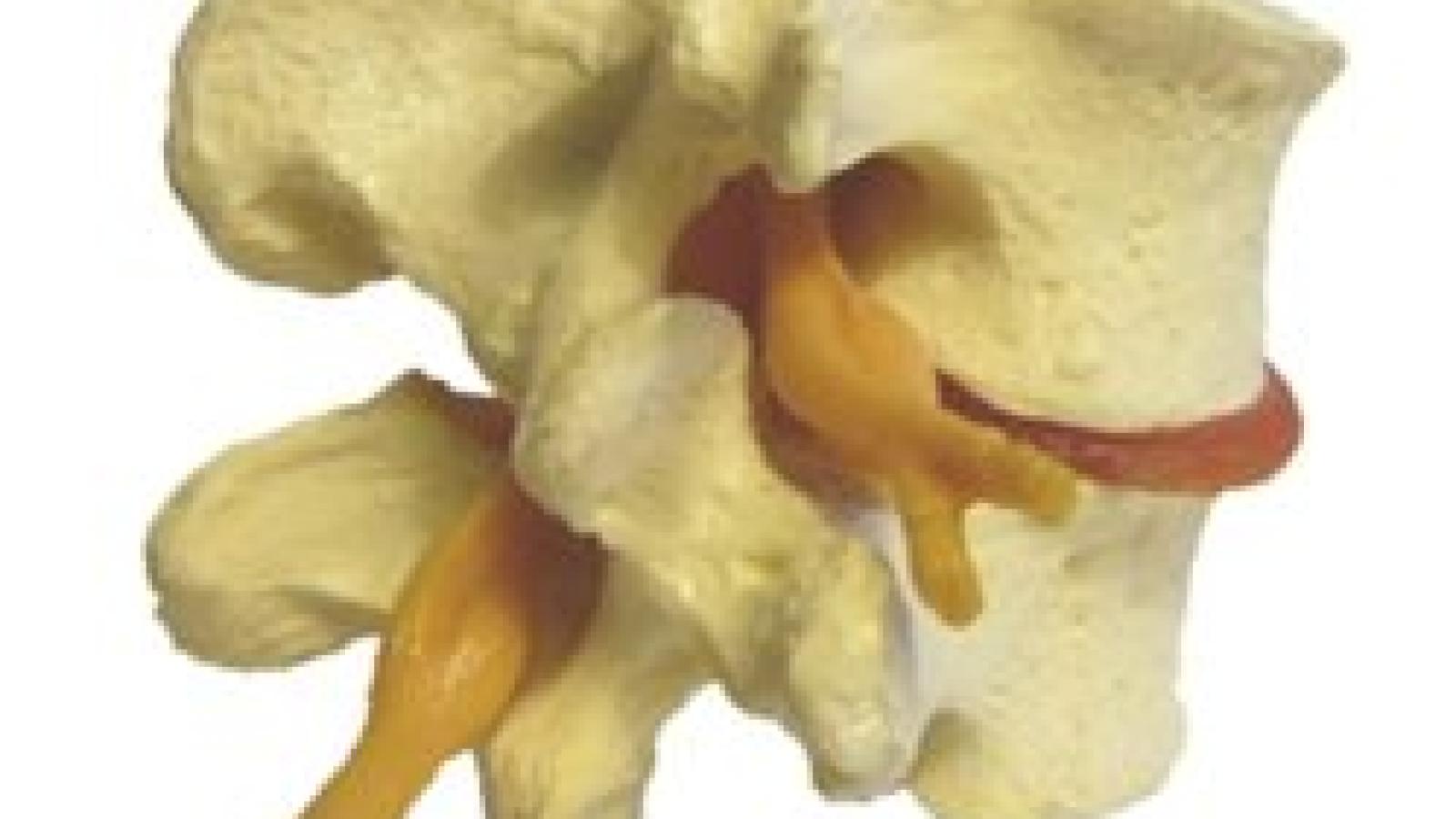
A a randomized trial published in Annals of Internal Medicine shows that intradiscal glucocorticoid injection has limited (1 month) efficacy in treating low back pain (LBP) associated with active discopathy, yet decreased over time.

