
Desiree van der Heidje, MD, PhD presented the results of a 16-week, phase II, dose-ranging study of tofacitinib (TOFA) in patients with active ankylosing spondylitis.
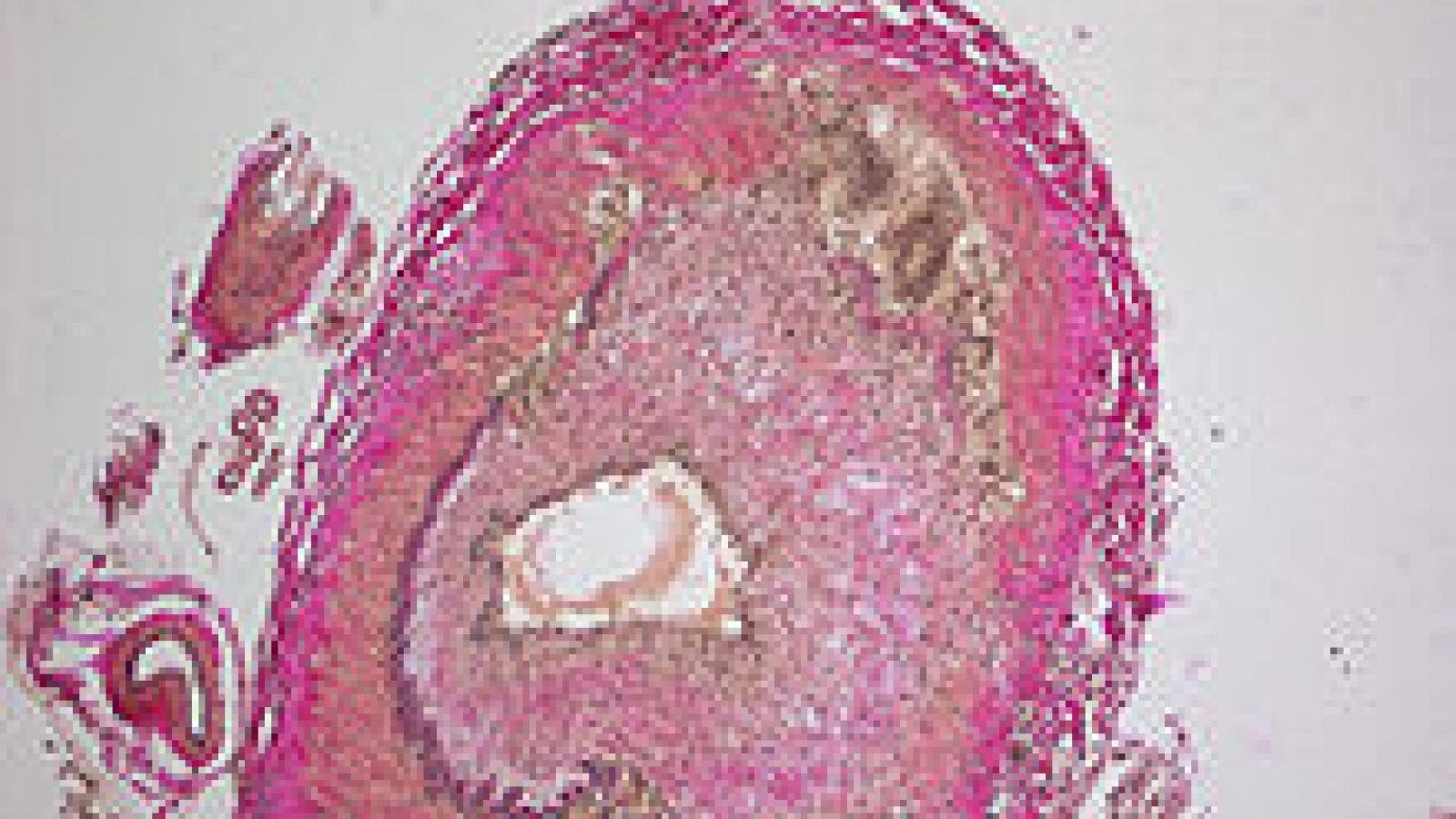
The GiACTA study has published its top line results demonstrating the efficacy of adding tocilizumab (TCZ) to steroid-tapered therapy in patients with giant cell arteritis (GCA).
GiACTA is a 52-week, Phase III, global, randomized, double-blind, placebo-controlled trial investigating the efficacy and safety of tocilizumab in patients with GCA. The trial include 251 patients from 14 countries.

Methotrexate , a cornerstone drug used to treat rheumatoid arthritis, has led to 90 hospitalizations and 7 deaths according to a recent report from the Medical Journal of Australia.

The damaging potential of many inflammatory disorders is magnified by well-known associated comorbid conditions. This is particularly true in lupus, rheumatoid arthritis and psoriatic disease.

In April and May 2016, RheumNow sent 82 tweets regarding news, research and teaching points that strongly impacted the rheumatology community and resulted in a reach of 203,500 impressions, with 136 mentions, and over 6378 visits to RheumNow.com. Here are the top tweets from April and May.
This week's highlights from RheumNow.com include:
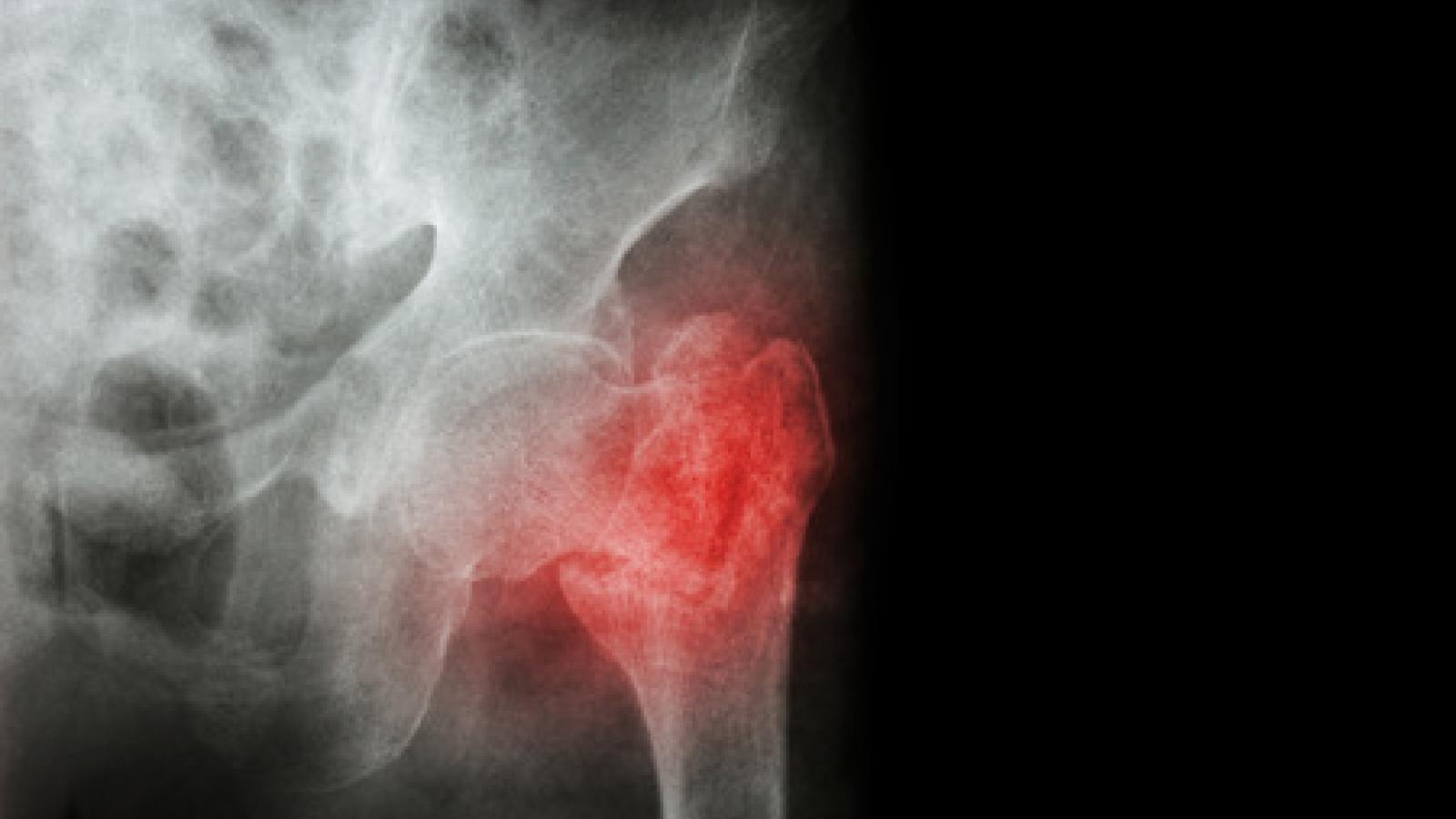
The NY Times reports that millions of Americans with osteoporosis are driven to stop or not take bisphosphonate therapies over the fear of exceedingly rare side effects - osteonecrosis of the jaw (ONJ) and atypical femoral fractures (AFF).
Patient and physician reaction to these rare reports have resulted in a 50 percent decrease in these drugs from 2008 to 2012, and the trend continues.
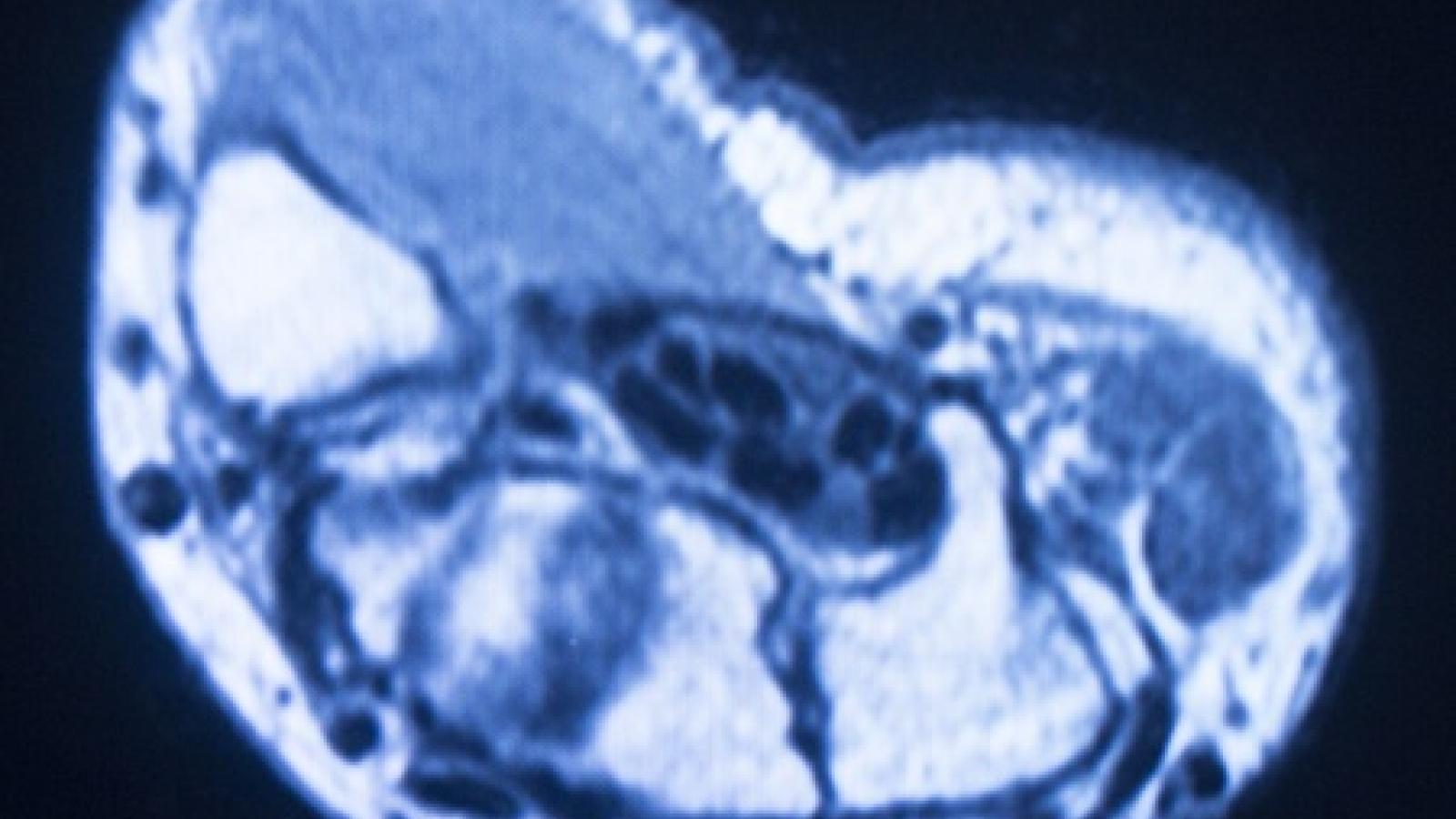
Tenosynovitis may represent a preclinical phase of rheumatoid arthritis (RA).
In a study of individuals with anti-citrullinated protein antibody (ACPA) positivity but no signs of arthritis, tenosynovitis was found in 80%, compared with none of the controls, reported Arnd Kleyer, from the University of Erlangen-Nuremberg, Germany, and co-investigators.

Rheumatologists distinguish themselves from their medical colleagues in several ways: exceptional joint exam and joint injection skills, interpretation of complex immunologic findings and cost-efficient ways of managing common musculoskeletal disorders. But what’s the one trait, skill or question that defines the acumen of the rheumatologist? Please don’t say morning stiffness.

Gastrointestinal perforations (GIP) are not historically believed to be a common or uncommon complication. Hence, when this was noted in the tocilizumab (TCZ) and tofacitinib (TOFA) developmental trials, it was a curious if not perplexing finding. The product label for both TCZ and TOFA warns of GIP in those at risk, and noted these to be rare events (0.26 per 100 patient-years in the TCZ trials).

Pain management in the U.S. is at a vexing crossroad. The news tells us that narcotics are increasingly being restricted for their dangerous side effects and inappropriate use. Non-steroidal anti-inflammatory drugs (NSAIDs) are often avoided for their gastrointestinal, renal and cardiovascular effects, and acetaminophen is touted to either be ineffective or more hepatotoxic than appreciated by most.
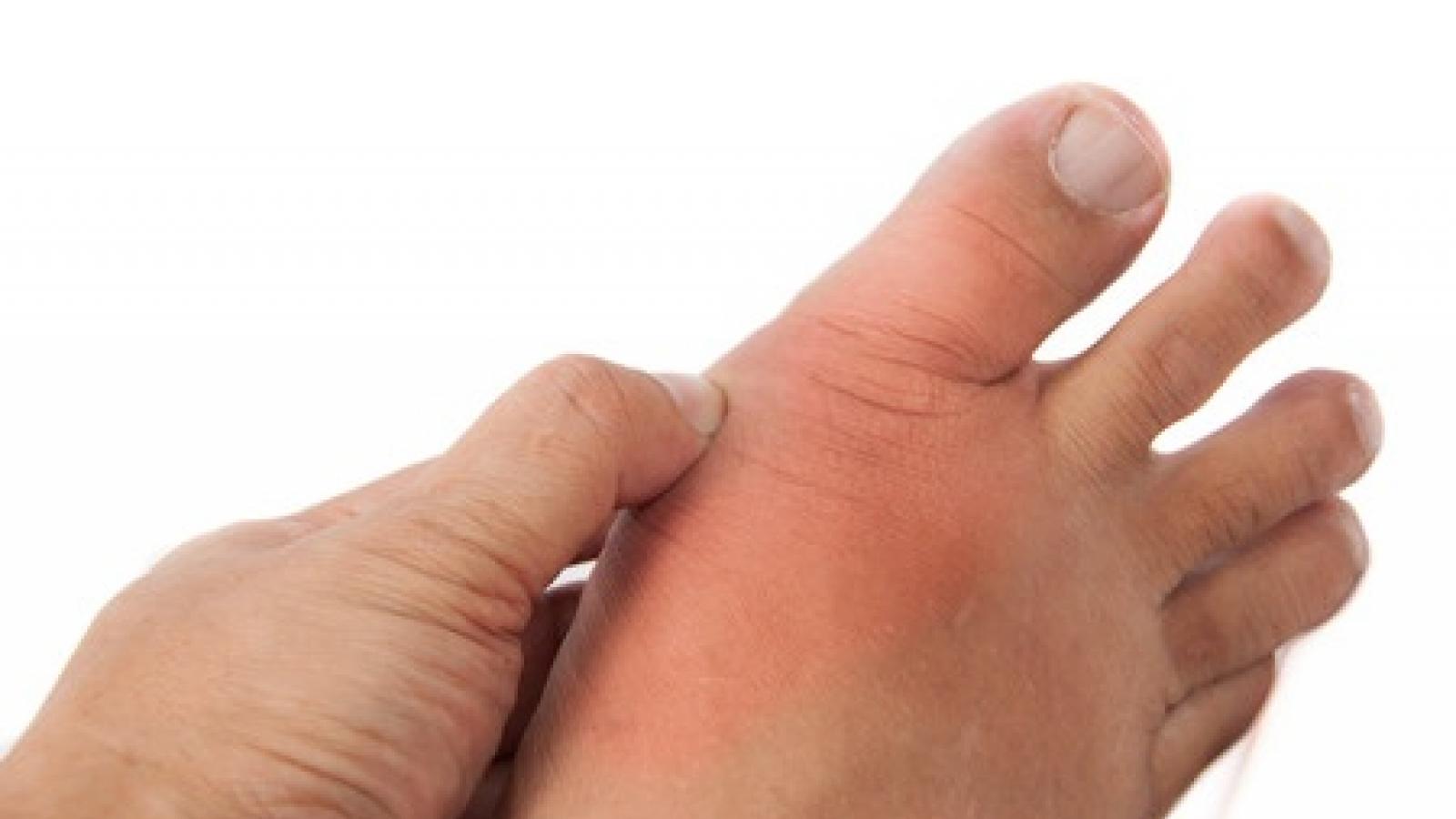
Good news for gout patients includes the recent approval of Zurampic (lesinurad), a URAT-1 inhibitor, and that effective urate-lowering therapy has significant long-term cardiovascular benefits.
Dr. Cush reviews highlights from this week on RheumNow.com.
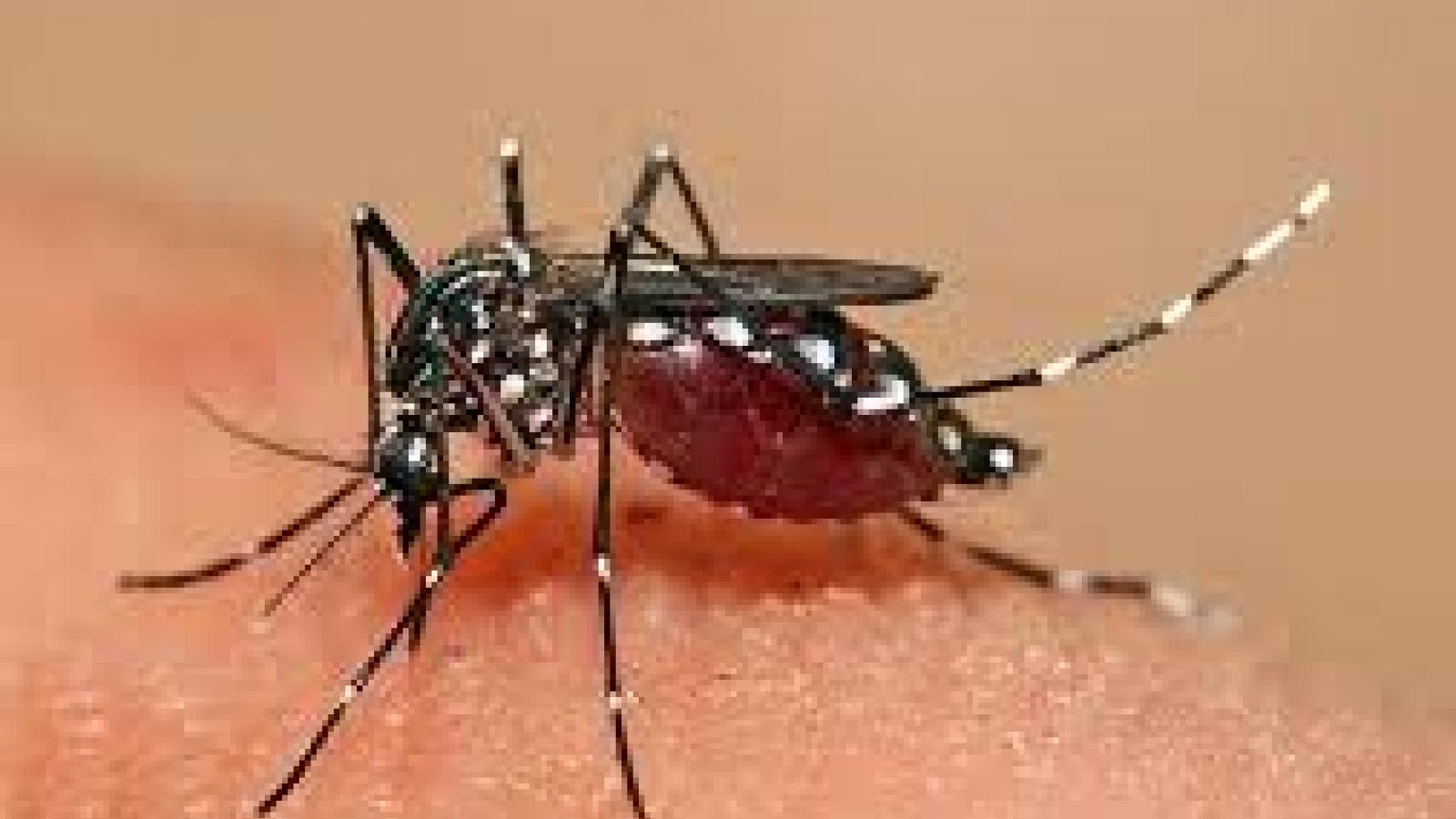
In the last two years there have been increasing reports of mosquito-borne infectious arthritides. Dengue fever was best known until the introduction of viral infections due to chikungunya and Zika.

Selective IL-23 inhibition has been touted to be the next great advance in the treatment of inflammatory bowel and psoriatic disease. The annual Digestive Disease Week (DDW) conference in San Diego reported early reults from a proof-of-concept, Phase II study, wherein risankizumab (anti-IL-23) was shown to be more effective than placebo in patients with moderately-to-severely active Crohn's disease.

