

Cardiovascular events account for significant morbidity and mortality in patients with rheumatoid arthritis (RA) and other connnective tissue disorders (CTD). Investigators analyzed health records from a large U.S. academic center and identified CTD and atherosclerotic cardiovascular disease (ASCVD) status among 287,467 adults. (Citation source: http://buff.ly/1La7OVl)
Dr. Cush reviews highlights from last week's news and research in rheumatology.
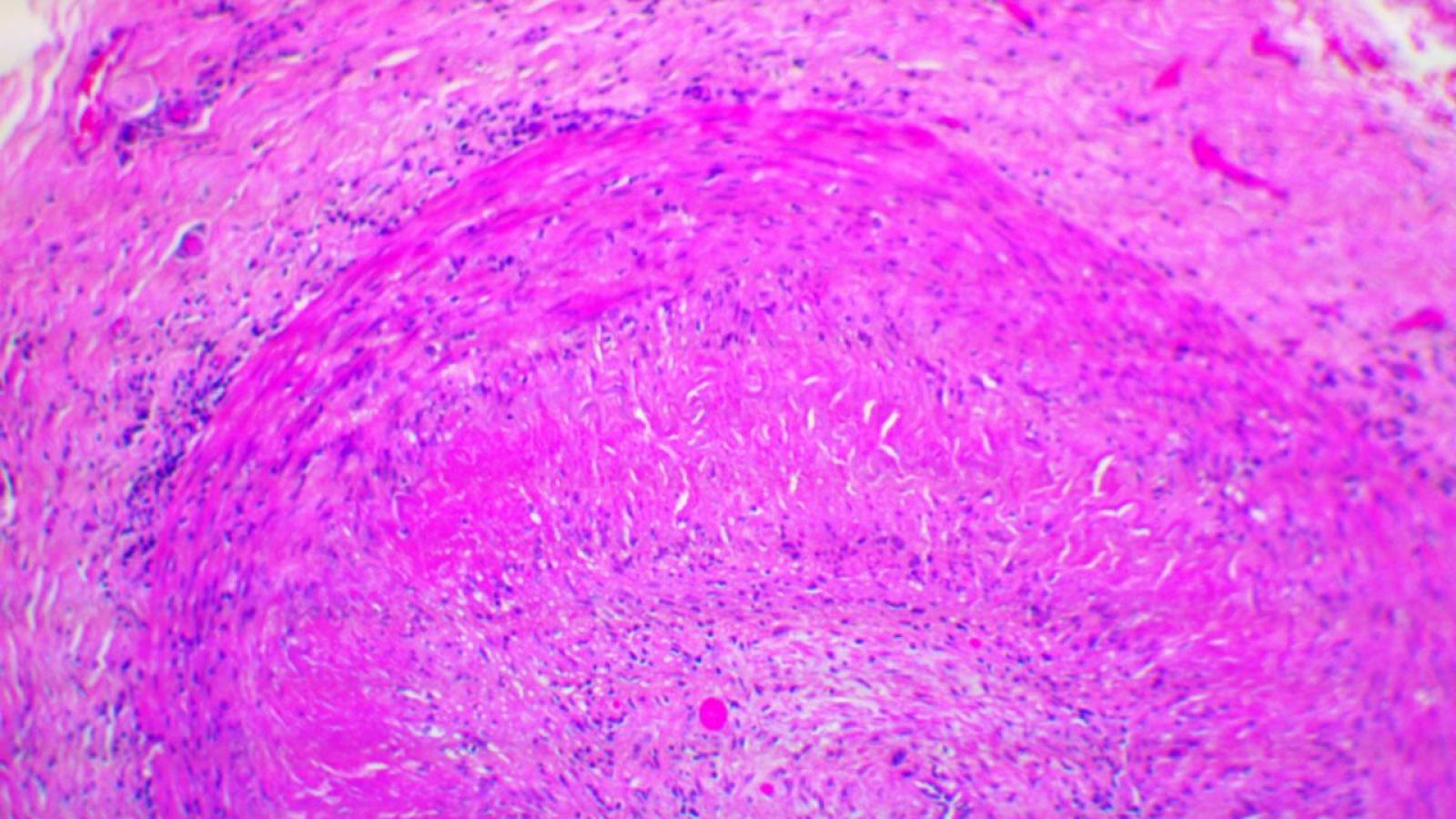
Patients with giant cell arteritis (GCA) had a higher rate of severe infections compared with the general population, a French study found.

The Arthritis Foundation announced that 11 scientists were selected out of 167 proposals as the 2015 Scientific Discovery Awardees for their innovations toward finding a cure for arthritis and related diseases.
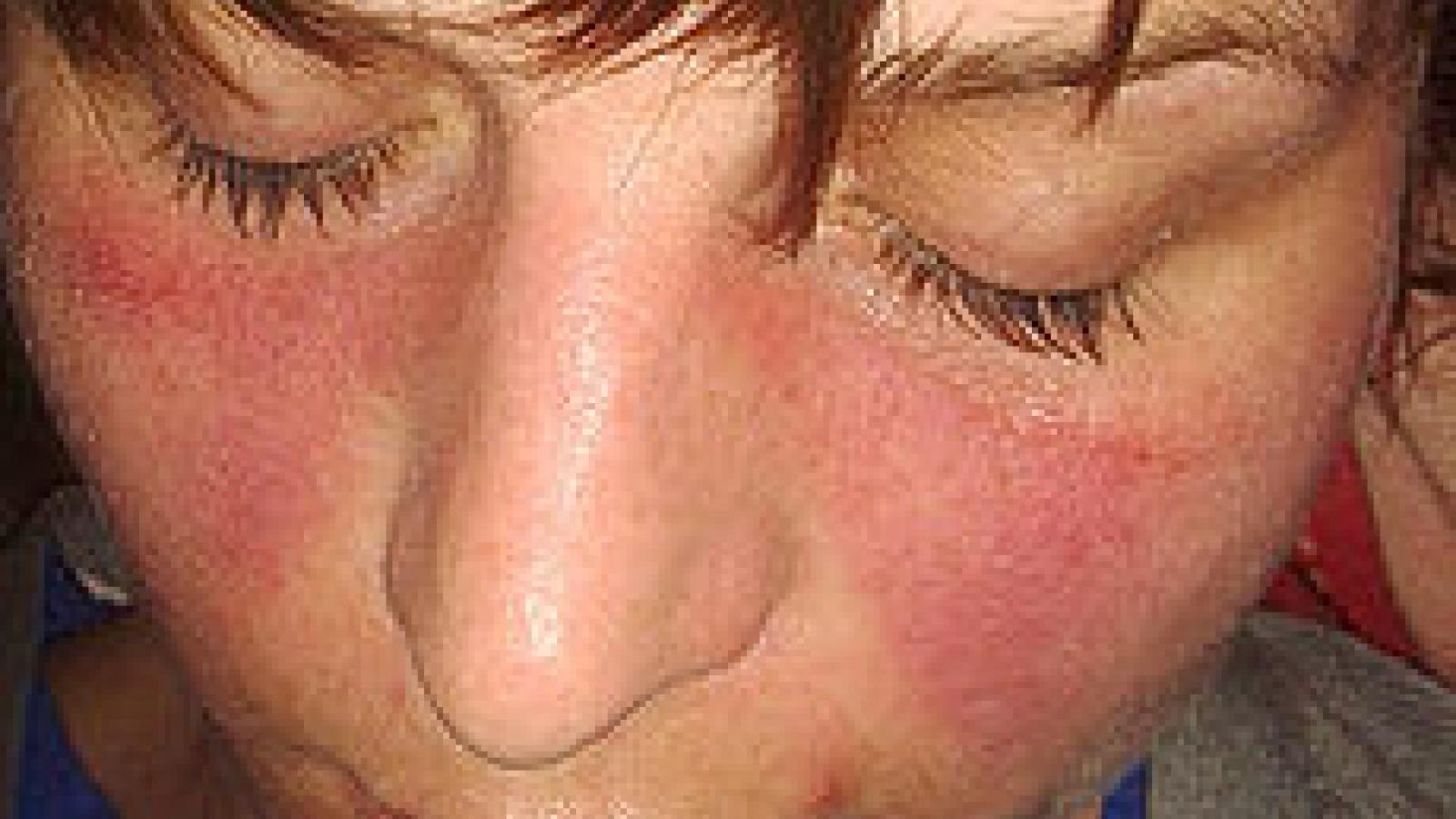
A retrospective study examined mortality rates by comparing 2740 UK lupus patients who were matched 1:4 with controls from the UK Clinical Practice Research Datalink between 1999 and 2012. (Citation source http://buff.ly/1nJWKIT)
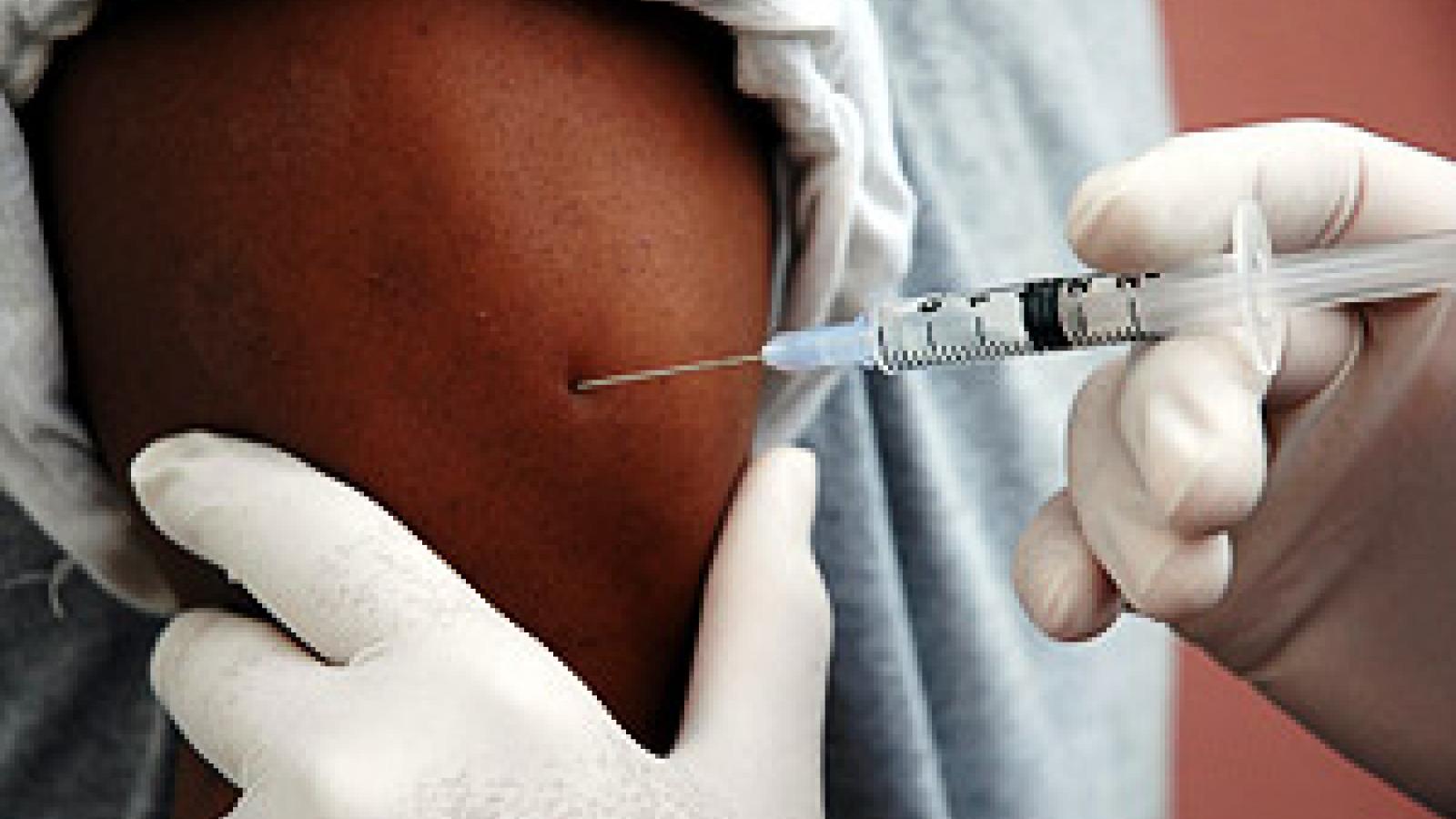
Althought EULAR currently recommends the pneumococcal vaccine be given to patients with inflammatory rheumatic diseases and the Centers for Disease Control and Prevention (CDC) recommends the vaccine in patients treated with immunosuppressive drugs, a recent brief report suggests it be avoided specifically in patients with cryopyrin-associated periodic syndrome or Behcet's disease.

A Quebec administrative claims analysis examined the birth outcomes of women with a history of juvenile idiopathic arthritis (JIA) who subsequently had a first-time birth (between 1983-2010). JIA patients were matched 4:1 with normal controls from the same era and adjusted for age and residence.

Until the advent of TNF inhibitor therapy, nonsteroidal antiinflammatory drugs (NSAIDs) were the only effective treatment for ankylosing spondylitis or spondyloarthritis (SpA). More recently, several reports have suggested clinical and radiographic benefits to sustained NSAID use.
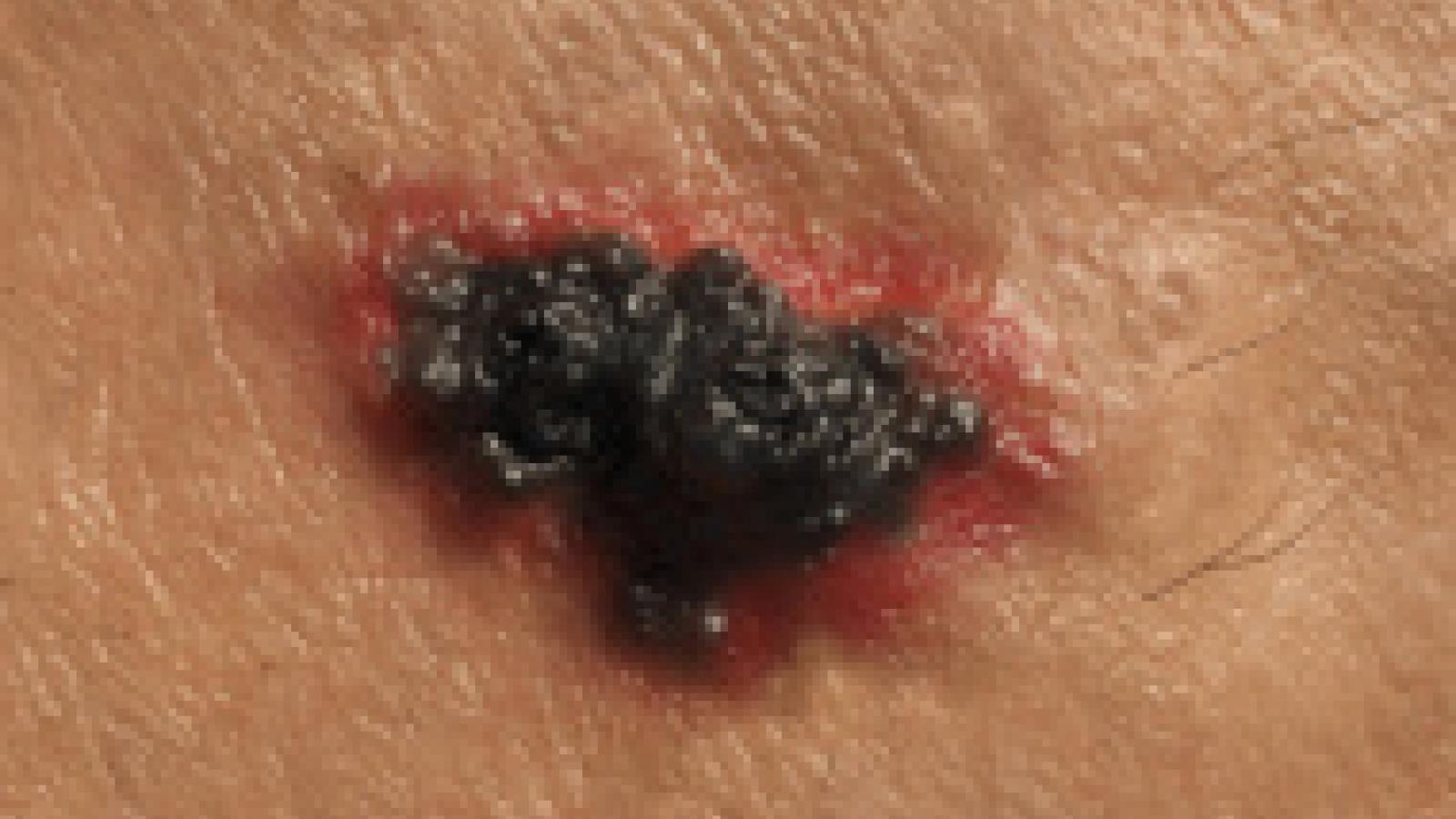
Rheumatoid arthritis (RA) patients are said to have a neutral risk for neoplasia, but this is because they have a lower risk of colon cancer and breast cancer but a higher risk of lung cancer, lymphoma and skin cancers.

14-3-3η is a new serum assay that has utility in diagnosing and treating patients with rheumatoid arthritis (RA) and early inflammatory arthritis (EIA). However, the role of this test in patients with RA and EIA is being defined by current research.

I’m alot better at RA in the last 10 years than I was when I started to practice 30 years ago. RA has not changed, but tools, knowledge and treatments have progressed admirably. Decades have taught me that many aspects of RA were wrongly taught, misunderstood or not apparent when I first started in rheumatology in 1984. Here are 10 things I've learned.

A Northern Sweden early rheumatoid arthritis (RA) cohort of 950 patients was enrolled starting in 1995. A validated questionnaire at RA onset (T0) and after 5 years (T5) after enrollment. Currently, 726 of these have had RA for ≥5 years.
A population-based study of 1,272,424 live-born infants from Denmark and Sweden examined the prevalence of birth defects among infants born to 683 women with chronic inflammatory disease (inflammatory bowel disease, rheumatoid arthritis, ankylosing spondylitis, psoriatic arthritis, or psoriasis) treated with TNF inhibitors (TNFi).


Do your patients challenge you? Do you live up to their expectations? How many steps do you have to climb to be better?

