
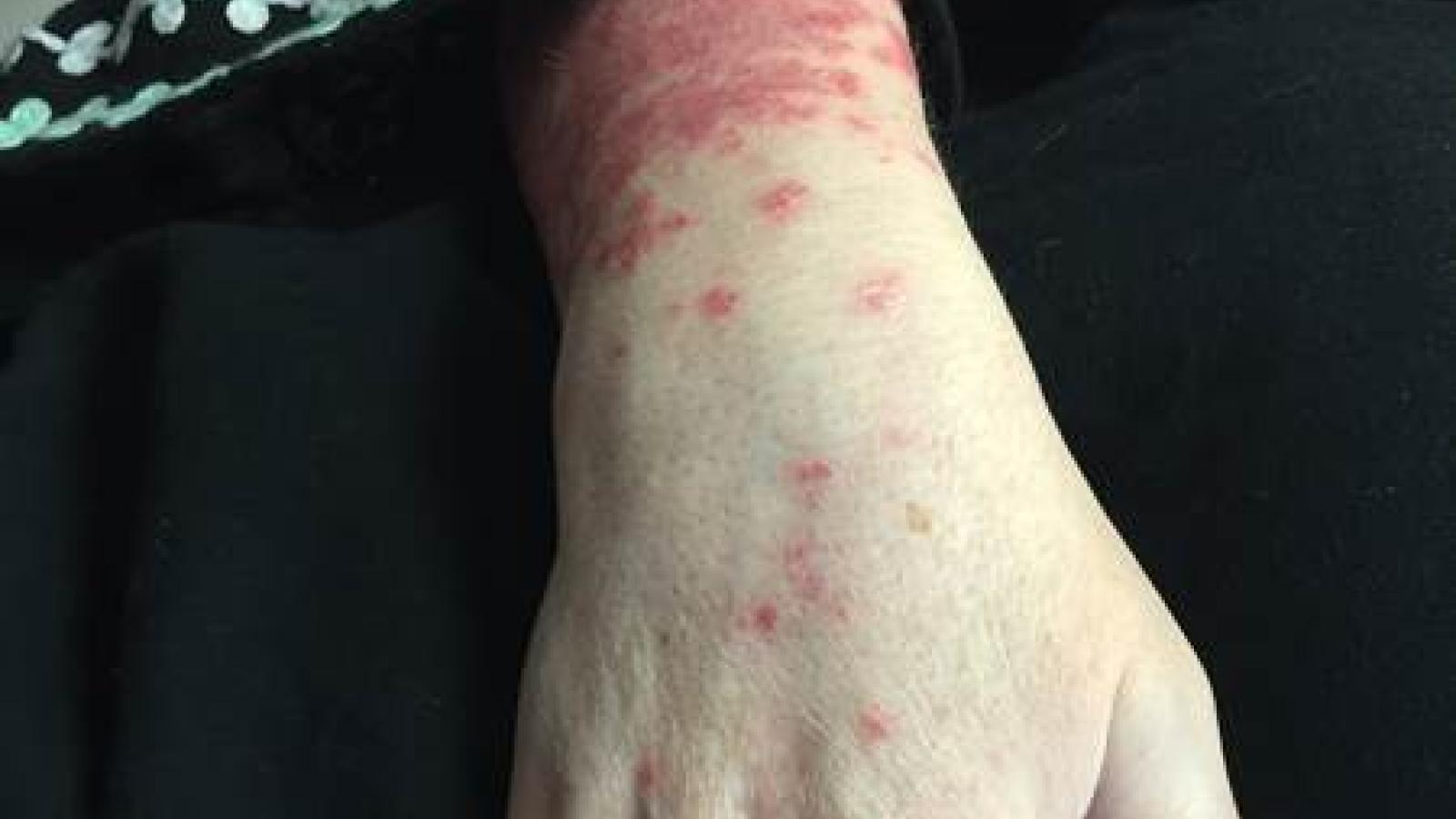
Despite the advances in the treatment of PsA with biologic (bDMARD) and targeted synthetic (tsDMARD), less than half of patients with this condition achieved remission or low disease activity. Combination DMARD treatment is often used in order to achieve remission or minimal disease activity. The standard practice is to use a conventional synthetic (csDMARD) with a bDMARD. The use of the combination of bDMARD with a tsDMARD such as a JAKi or

This year at EULAR, health inequalities have taken centre stage as fundamental drivers of outcomes in rheumatic and musculoskeletal diseases. Across multiple sessions and studies, delegates are presenting compelling evidence and ground-breaking research demonstrating that who you are, where you live, and what resources you can access truly do shape the trajectory of chronic illness just as much as biological factors.

The concept of Difficult-to-Manage (D2M) axial spondyloarthritis (axSpA) is a recent development, with the first expert consensus definition published by the Assessment of SpondyloArthritis International Society (ASAS) earlier this year. This unified definition has stimulated a wave of new research globally, with multiple studies analysing D2M axSpA in diverse clinical cohorts.

Choice is not just good, it is often necessary, and secukinumab promises just that in both PMR and GCA.
We’re seeing more patients develop rheumatic diseases for the first time in their 60s, 70s, or beyond. But are these truly the same diseases we see in younger adults, or do they behave differently, shaped by age-related biology, comorbidity, and the biases that influence medical decision-making? Several abstracts presented at EULAR 2025 challenge us to reconsider how we diagnose and treat rheumatic disease in older adults.

The race is on for the first chimeric antigen receptor (CAR)-based therapy to be approved for the treatment of systemic lupus erythematosus. Its main principle is to induce deep B-cell depletion, with the hope to reset the B-cell aberrant immunity for a sustained clinical remission. At EULAR 2025 in Barcelona, several advances of CAR-based therapies will be presented.
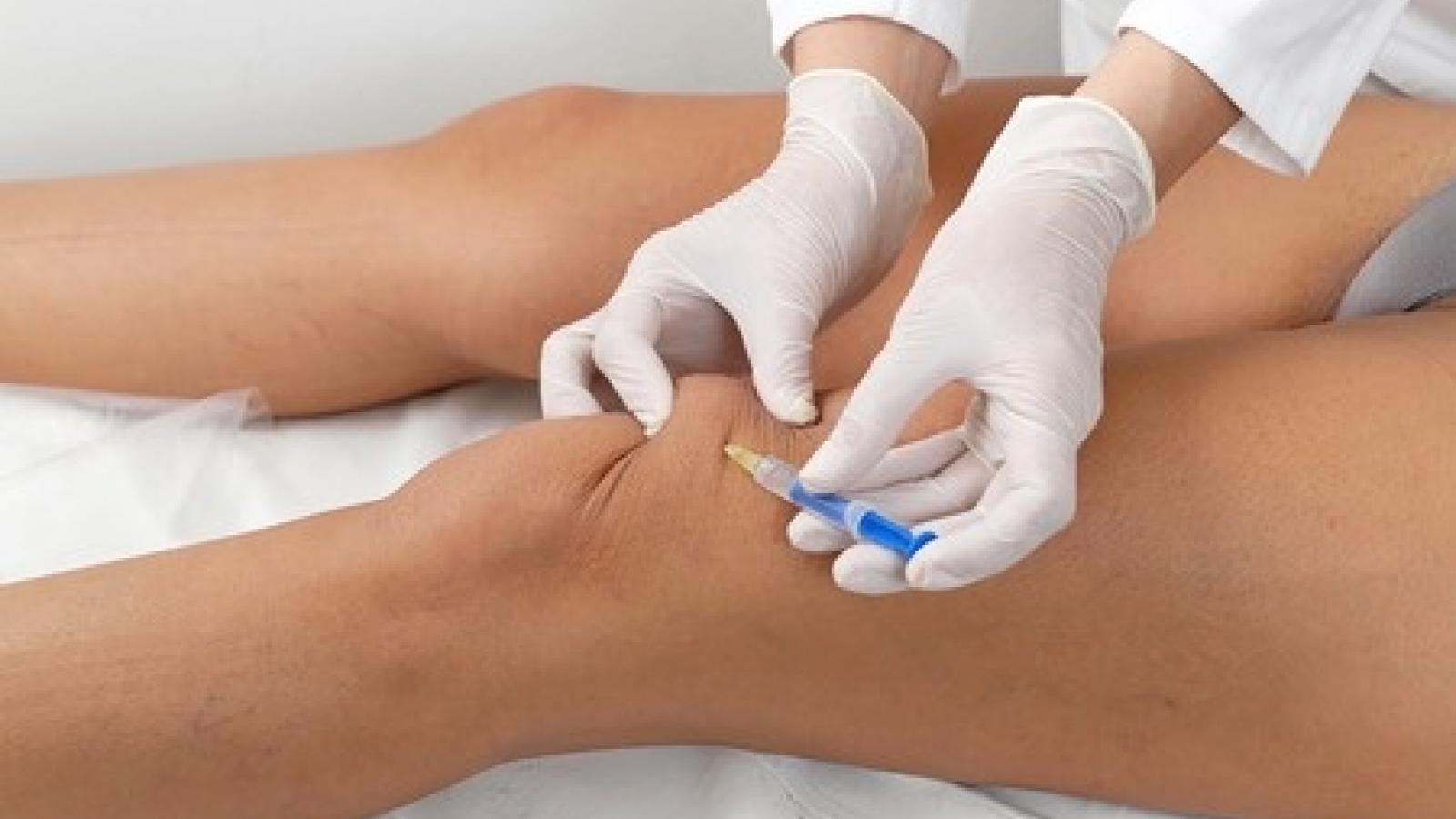
De la Vega et al. have published in Science Translational Medicine the efficacy of an IL-1Ra gene therapy in adults with knee osteoarthritis (OA).

A randomized, controlled clinical trial in fibromyalgia (FM) has shown the efficacy of transcranial direct current stimulation (A-tDCS) (along with exercise and pain neuroscience education [PNE]), in alleviating the pain.
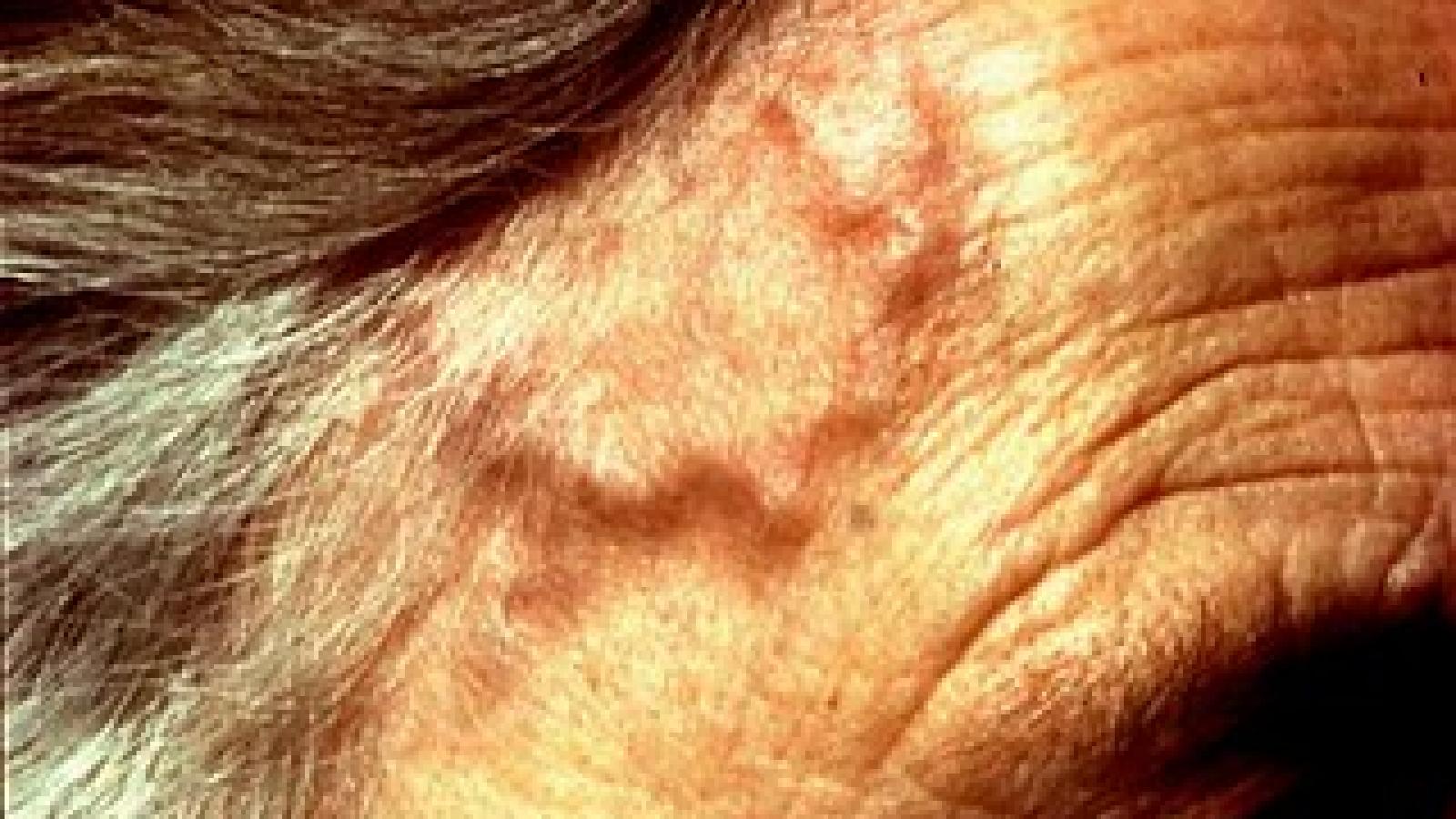
In 2023, the phase 2 TitAIN study showed that the effectiveness and safety of secukinumab in 52 patients with giant cell arteritis (GCA) who had an inadequate response to tocilizumab. While we await the results of a larger phase 3 trial, there is a 6 patient case series also suggesting the efficacy of IL-17 inhibition in GCA, not responding to TCZ.
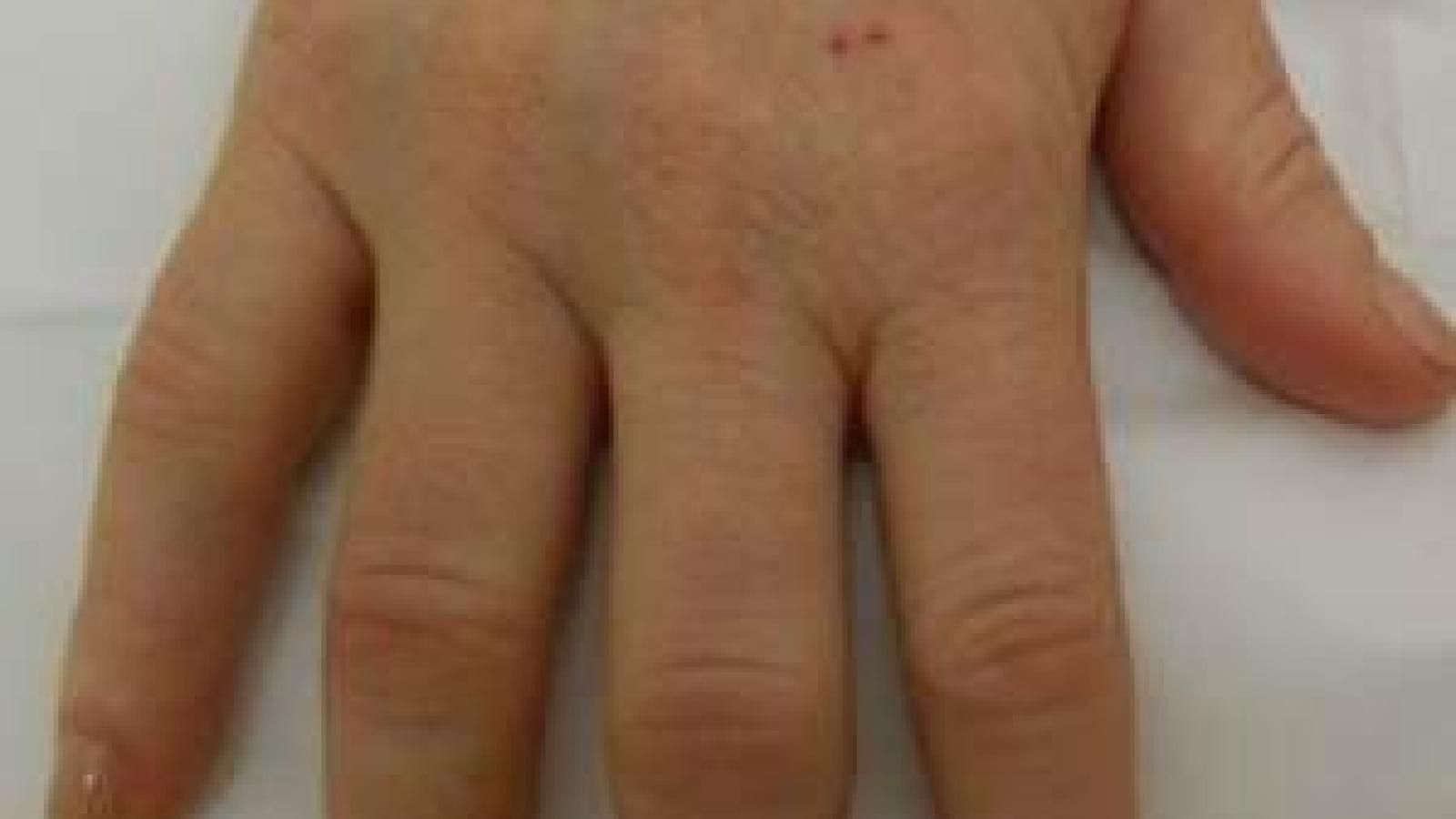
A collaborative EULAR/ACR expert panel has established criteria for arthralgia patients at risk (clinically suspect arthralgia) to progress to chronic rheumatoid arthritis (RA).

Dr. Jack Cush reviews the news and journal reports from this past week on RheumNow.com

Analysis of testing for human leukocyte antigen B27 (HLA-B27) in a teaching center shows HLA-B27 testing was frequently performed by rheumatologists and nonrheumatologists for a broad spectrum of indications and primarily as a screening test.
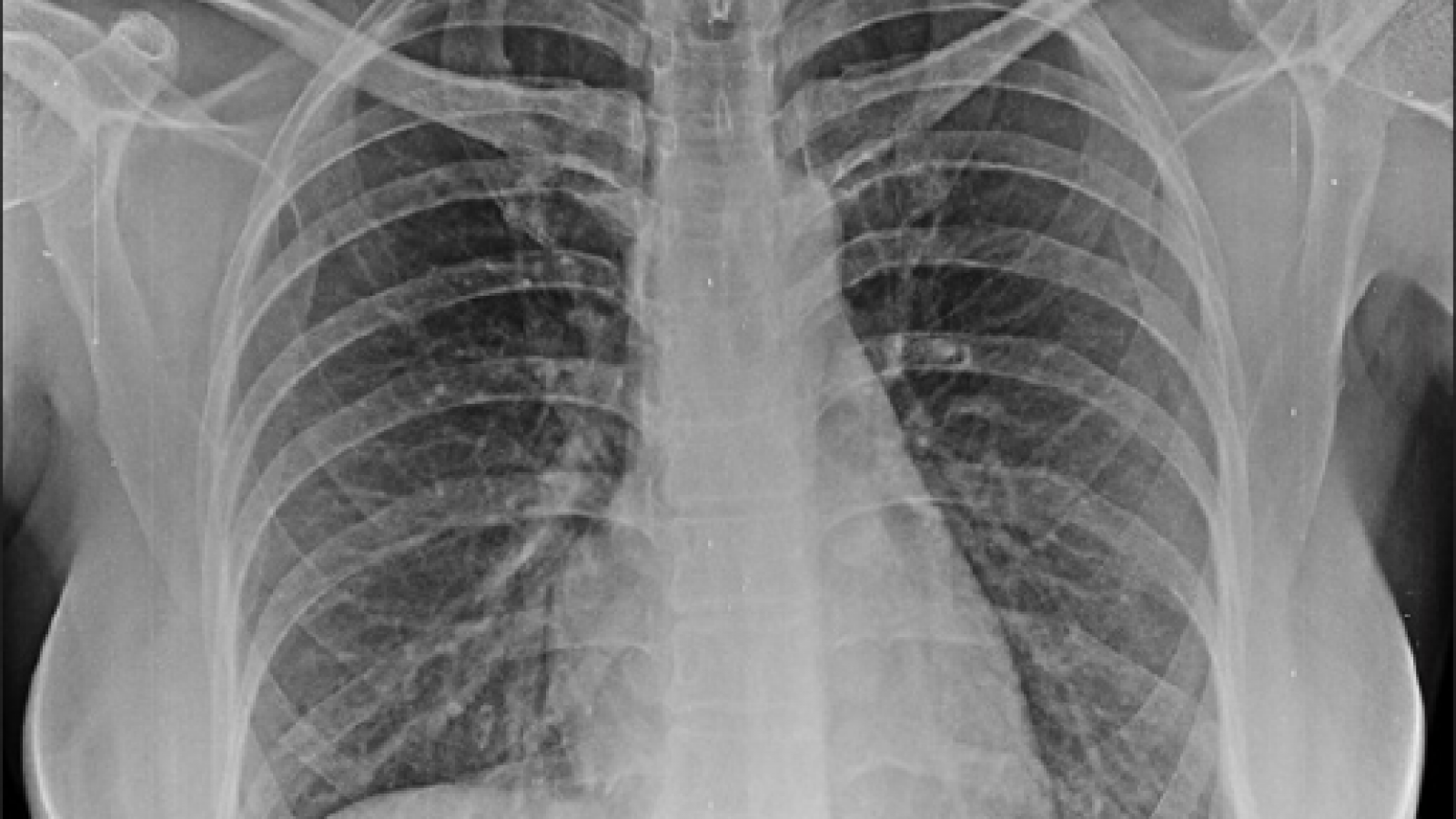
A TriNetX EHR study shows that psoriatic arthritis, but not psoriasis, patients are at increased risk for interstitial lung disease (ILD).
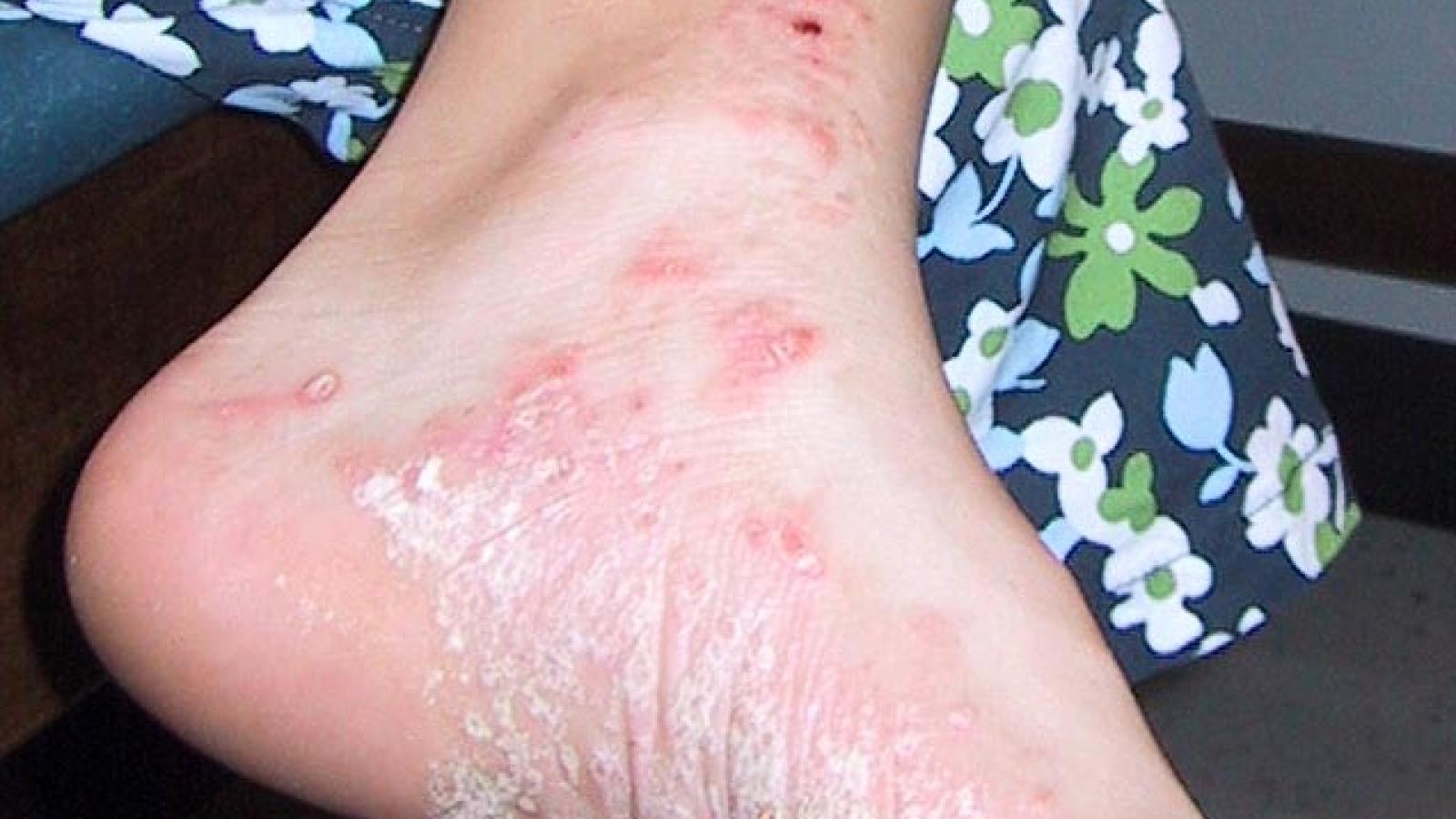
Target emulation trial shows adding methotrexate (MTX) to adalimumab (ADA) does not augment the effectiveness and persistence of adalimumab alone in treating plaque psoriasis in adults.
Lancet Rheumatology has published a UK study showing a significant increased in the number of expectant mothers beginning their pregnancies with autoimmune conditions.The MuM-PreDiCT project run by the University of Birmingham, analyzed the electronic healthcare records from CPRD (2000-2021). This included 185 208 pregnancies in 100 655 women diagnosed with autoimmune disease.

