

A research team led by Georg Stary (Medical University of Vienna and CeMM) has identified a new approach to treating the inflammatory disease sarcoidosis. In a clinical study, the inhibition of a specific signaling pathway showed clear success in the treatment of granulomas in the skin. This opens up new therapeutic paths for sarcoidosis and similar inflammatory diseases. The results were recently published in the journal Lancet Rheumatology.

The American College of Rheumatology (ACR), on behalf of over 9,100 rheumatologists and rheumatology professional team members, applauds the Centers for Medicare and Medicaid Services (CMS) for finalizing its Advancing Interoperability and Improving Prior Authorization Processes for Medicare Advantage Organizations rule recently.

On 1-19-2024, the Food and Drug Administration (FDA) issued a Drug Safety Communication about the risk of severe hypocalcemia in chronic kidney disease (CKD) patients taking denosumab for osteoporosis, with an accentuated risk in older women who are dialysis-dependent.
This report is an update to their November 2022 investigation, the results of a related study being recently reported in JAMA.

Dr. Jack Cush reviews the news and journal reports from this past week on RheumNow.com. How good (or not) are rheumatologists and what to do about MTX nodulosis?

SPACE study of adults referred to rheumatology with less than 2 years of chronic back pain (CBP), shows that only one-third can be reliably diagnosed with axial spondyloarthritis (axSpA).

The original randomized controlled, prospective MAINRITSAN study of 115 patients (87 with granulomatosis with polyangiitis, 23 with microscopic polyangiitis, and 5 with renal-limited ANCA-associated vasculitis [AAV]) demonstrated superiority of rituximab (RTX) over azathioprine (AZA) for maintenance of remission at 22 months in ANCA-associated vasculitis patients after CYC remission induction.

Prior authorizations and paperwork are killing medical providers; the good news is that a new CMS rule may lessen the burden.
The Centers for Medicare & Medicaid Services (CMS) has announced that they have finalized the CMS Interoperability and Prior Authorization Final Rule, designed to improve prior authorization processes and reduce burden on patients, providers, and payers, with a resultant $15 billion of estimated savings over ten

British women whose capability of bearing children either started late or ended early -- naturally or otherwise -- were at increased risk for developing rheumatoid arthritis (RA), compared with women with earlier menarche or later menopause, researchers found.

Findings from a population based cross-sectional study suggests that while up to 20% of patients have antibodies to tick-borne exposures, only a minority reported musculoskeletal symptoms.
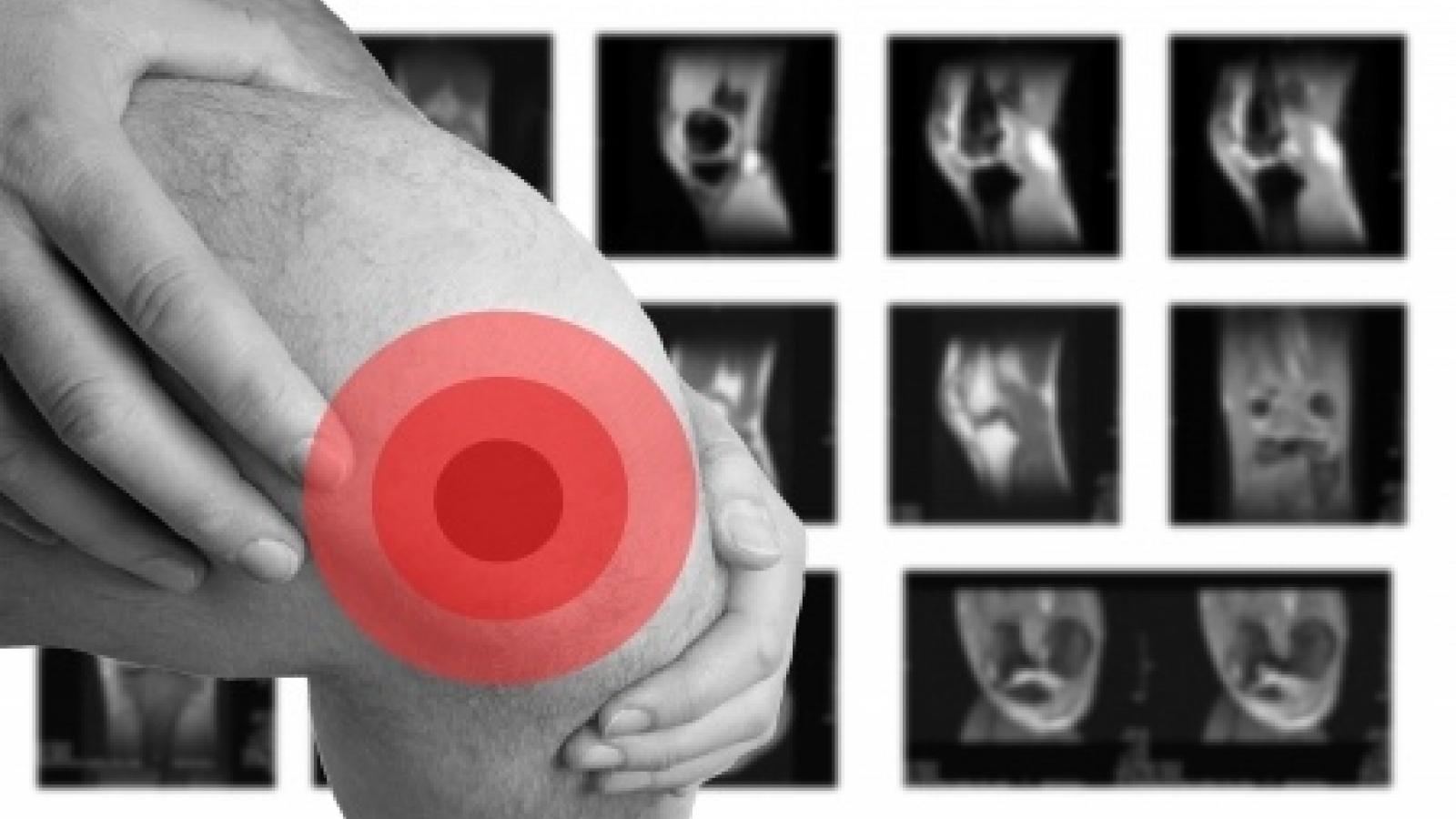
EULAR has published the 2023 updated recommendations for the optimal non-pharmacological management of hip and knee osteoarthritis (OA).
Non-pharmacological treatments for OA are as important and impactful at improving pain, function and quality of life in OA. These EULAR recommendations were originally published in 2013.

A study published in Nature suggests that therapies affecting sodium channels could be employed to treat osteoarthritis.
Osteoarthritis (OA) affects 528 million people worldwide and yet there are no uniformly effective treatments - other than joint replacement. The ideal therapeutic intervention would both prevent/manage pain while preventing cartilage degeneration and joint damage.

A group of researchers lead by Min Ae Lee-Kirsch from the Department of Pediatrics, Medical Faculty, TUD Dresden University of Technology (Germany), studied four patients from two families who developed symptoms of SLE in the first years of life. As familial occurrence of SLE in young children is highly unusual, her team searched for a primary genetic cause and found a mutation in the UNC93B1 gene in all affected family members.

Dr. Jack Cush reviews highlights, advances and hot topics in rheumatology from 2023 and the RheumNow website.
2023 was a year of growth and new horizons while returning to operational and practice standards (in care and education) established before the pandemic.
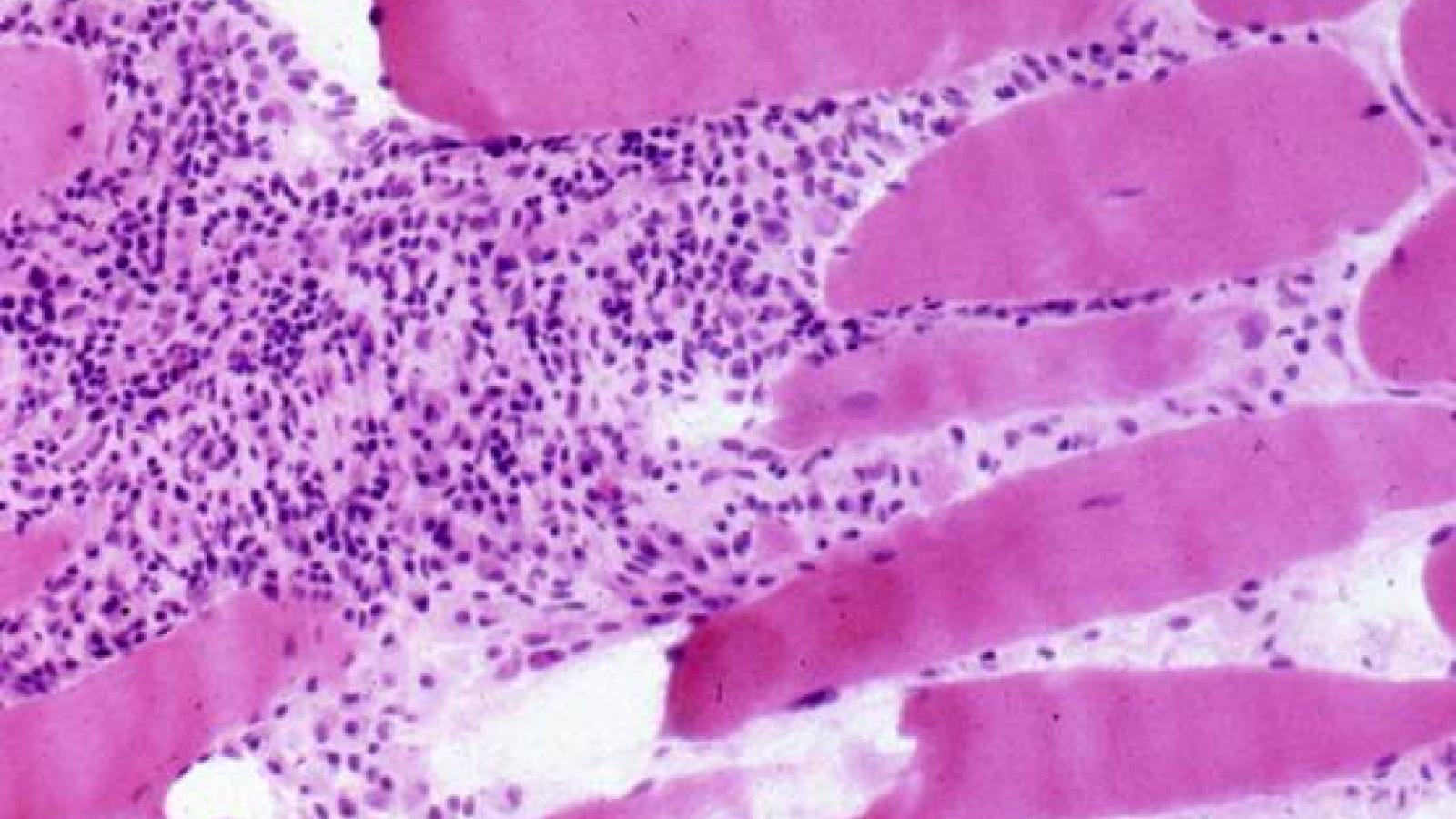
A cohort study suggest that patients with dermatomyositis (DM) are at an increased risk for multiple comorbidities, including chronic kidney and cardiovascular disease,
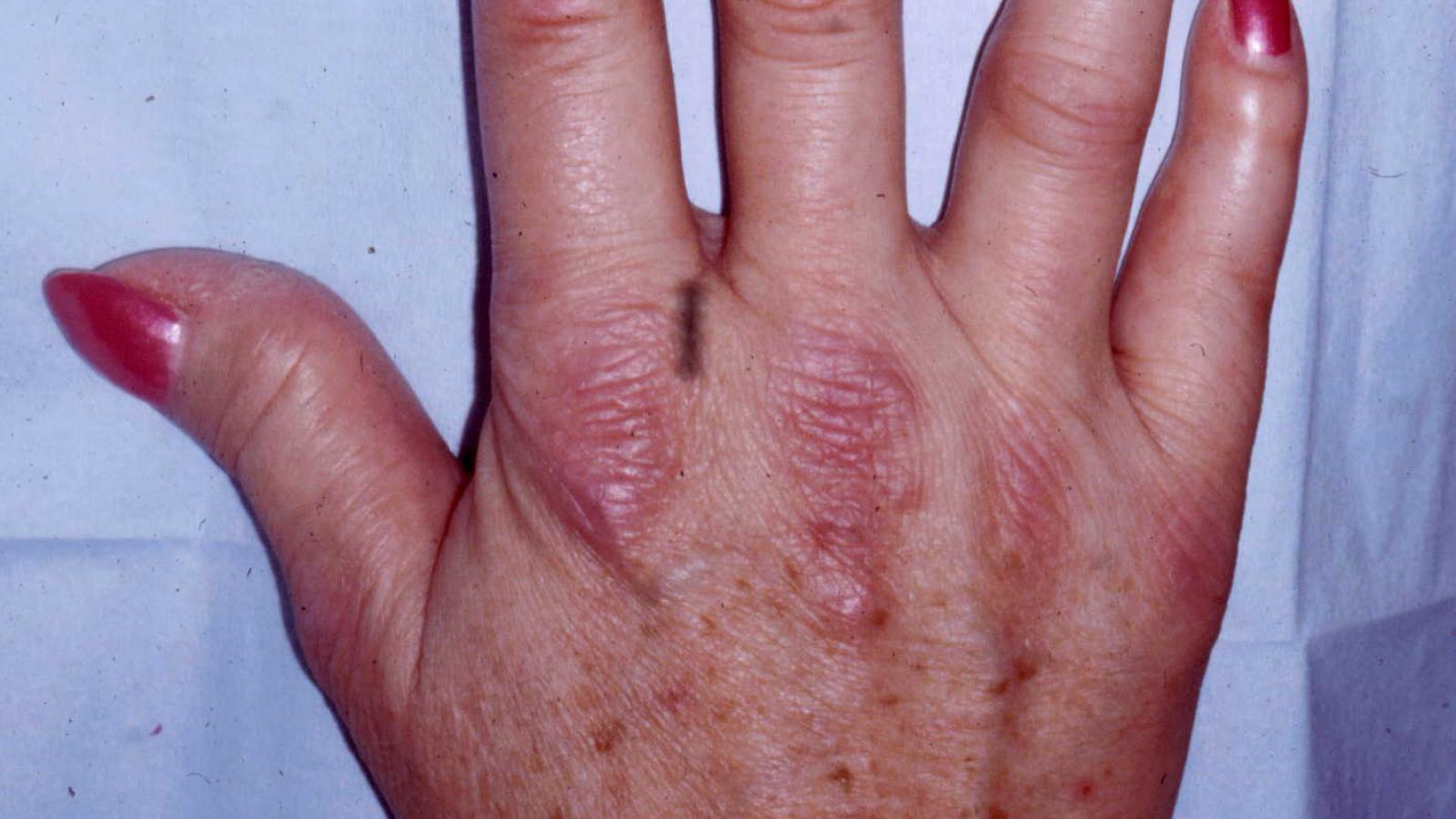
A JAMA Dermatology systematic review of drug-induced dermatomyositis (DM) found the most commonly implicated agents include hydroxyurea, immune checkpoint inhibitors, statins and lipid-lowering agents, penicillamine, and tumor necrosis factor inhibitors.

