
News
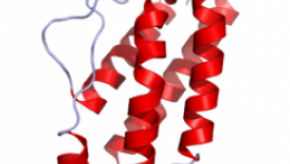
Low Dose IL-2 Effective in Lupus
A double-blind, placebo-controlled clinical trial of low-dose IL-2 in patients with systemic lupus erythematosus (SLE) has shown that low-dose IL-2 induced was clinically effective while expandng regulatory T cells and NK cells, which may benefit immune homeostasis in SLE patients.
Arthritis Foundation Releases First CBD Guidance for Adults With Arthritis
As the leading organization for people with arthritis, the Arthritis Foundation has just released the first CBD guidance for adults with arthritis. CBD, or cannabidiol, a plant-based compound, has become popular among people with arthritis seeking to ease chronic joint pain.

ACR Responds to CY2020 Medicare Physician Fee Schedule Proposed Rule
Rheumatology leaders commend CMS for proposing E/M code changes and urge agency to make additional changes to final rule.d
Persistent Inflammatory Arthritis After Immune Checkpoint Inhibitors
Braaten and colleagues from Johns Hopkins School of Medicine have reported their experience with chronic inflammatory arthritis induced by immune checkpoint inhibitor therapies, showing that in some, inflammatory arthritis persists after the immunotherapy has been discontinued.
Parenteral Out-Performs Oral Weekly Methotrexate
A systematic review in PLOS suggests that parenteral MTX therapy is more successful than oral MTX in achieving optimal disease activity control.

Higher Rates of Venous Thromboembolism in Gout
A Canadian administrative claims analysis has shown that gout-associated inflammation increases the risk of venous thromboembolism (VTE), deep vein thrombosis (DVT), and pulmonary embolism (PE) before and after the diagnosis of gout.

RheumNow Podcast – Believe in Vitamin D or Rituximab? (9.20.19)
Dr. Jack Cush reviews the news and journal articles from the past week on RheumNow.com.

NSAID Use Linked With Hypertension in Ankylosing Spondylitis
Continuous use of nonsteroidal anti-inflammatory drugs (NSAIDs) among patients with ankylosing spondylitis (AS) was associated with the development of incident hypertension, a prospective cohort study found.

FEAR: A Perception of Fact In Spite of the Fiction
Pregnancy for patients with lupus has long been considered high risk and associated with both medical and obstetric complications, but outcomes have improved over the last 2 decades and continue to improve.
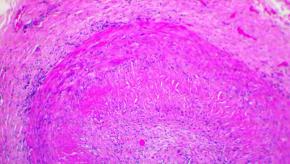
Sensitivity of Temporal Artery Biopsy
Metanalysis shows that temporal artery biopsy (TAB) for the diagnosis of giant cell arteritis (GCA) has a sensitivity of 77%, similar to results seen with temporal artery imaging. These data suggest clinicians may be willing to accept a GCA diagnosis without proof by TAB.
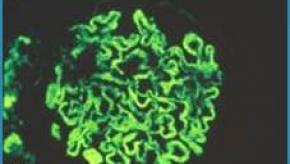
FDA Grants Breakthrough Status for Potential Lupus Nephritis Drug
Obinutuzumab (Gazyva) has been granted Breakthrough Therapy Designation (BTD) by the U.S. Food and Drug Administration (FDA) for use in adults with lupus nephritis (LN). The drug made by Genentech, is going forward based on the Phase II NOBILITY study in adult patients with proliferative lupus nephritis (LN). Currently, there are no FDA-approved medicines for lupus nephritis.
Low Dose IL-2 Effective in Lupus
A double-blind, placebo-controlled clinical trial of low-dose IL-2 in patients with systemic lupus erythematosus (SLE) has shown that low-dose IL-2 induced was clinically effective while expandng regulatory T cells and NK cells, which may benefit immune homeostasis in SLE patients.
Anakinra Shows Benefits in Cytokine Storm
The interleukin (IL)-1 receptor antagonist anakinra (Kineret) showed promise in critically ill children who develop the often-lethal condition known as secondary hemophagocytic lymphohistiocytosis (sHLH)/macrophage activation syndrome (MAS), a retrospective single-center study found.